Djurgården Loop
If you're visiting Stockholm and looking for a walk that combines nature, history, gardens and some of the city's best museums, the Djurgården Loop Walk is perfect. Although it’s just minutes from the city centre, ten minutes in, you’ll feel like you’re out in the country,
Djurgården is an island, accessed via a series of bridges that connect it to the mainland. It forms part of the Royal National City Park, the world's first national urban park.
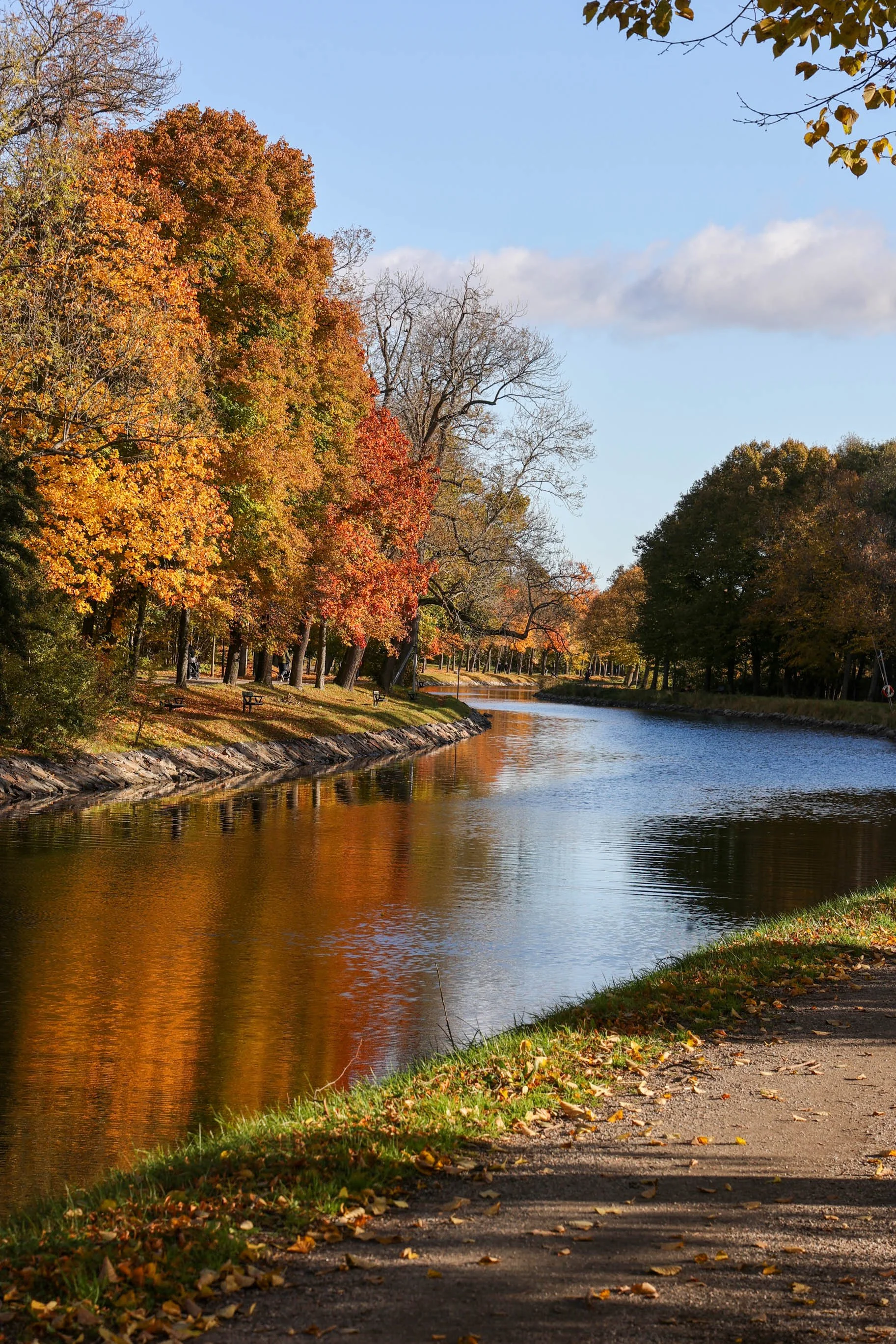
Once a royal hunting ground, Djurgården is now a mix of waterfront paths, historic homes, sculpture gardens and beautiful parkland where you can happily wander for hours, and we did. We visited in October when the trees around the canal were glowing with autumn colour. The walk took closer to five hours for us thanks to many photo stops, lunch at Rosendals Trädgård and coffee near the Viking Museum at the end.
Summary
Distance 10 - 12km
Time 2 - 3 hours ( Allow longer to allow for stops at museums, cafés and gardens)
Level of Difficulty Easy
Highlights
Waterfront views, gardens, forest trails and historic buildings
Various museums including:
Skansen - The world's oldest open-air museum and zoo with historical buildings and Nordic animals
Vasa Museum - Home to the remarkably preserved 17th-century warship
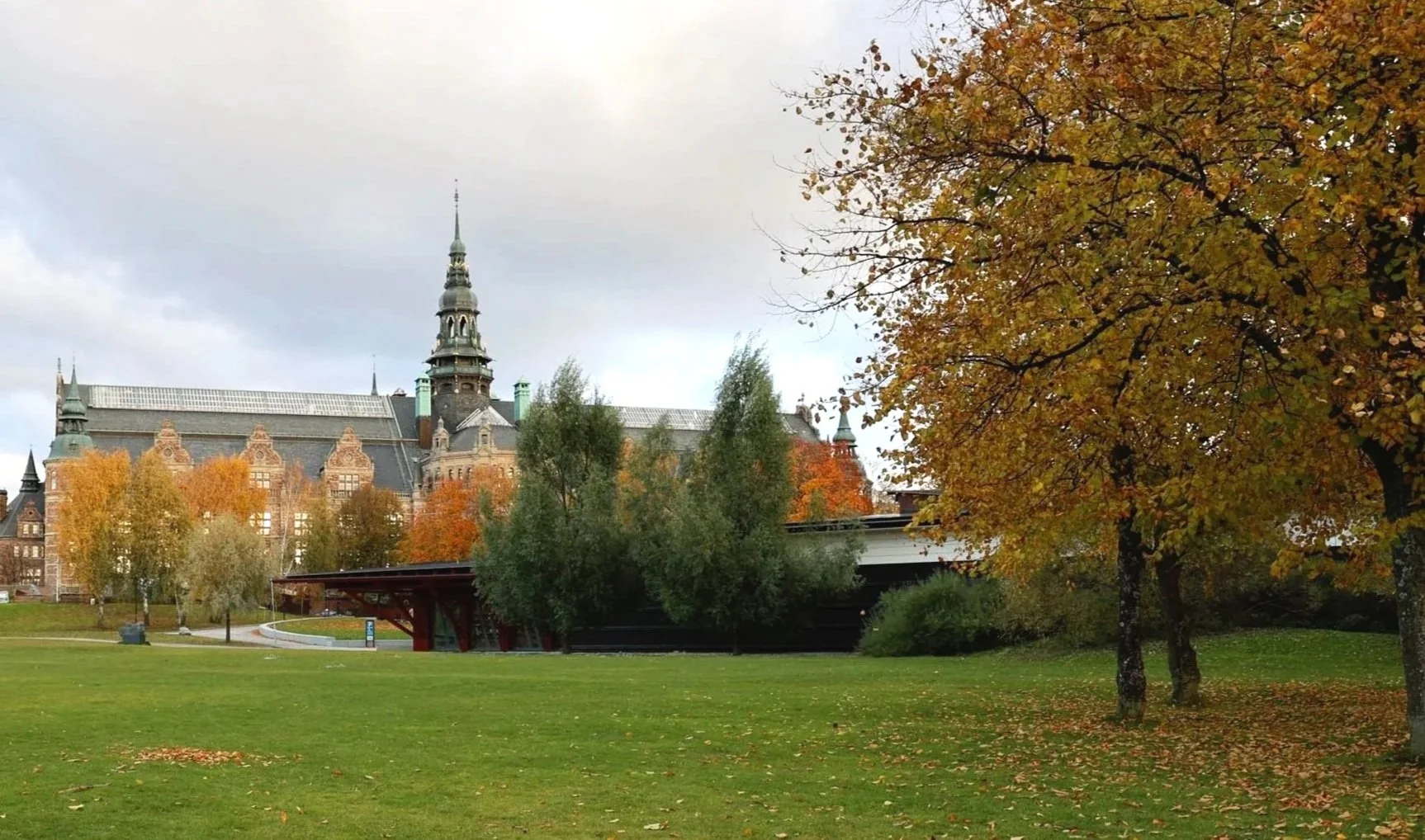
The Nordic Museum - dedicated to the cultural history of Sweden
ABBA The Museum - Interactive exhibition celebrating Sweden's musical icons
Rosendals Trädgård garden café and produce gardens
Beautiful autumn colour, especially around the canal paths
Sculpture, galleries and quiet spaces
Natural highlights include 500-year-old oak trees, abundant birdlife and wild deer grazing in the woodland and. meadows.
Getting to Djurgården
Djurgården sits just east of central Stockholm and is easy to reach by tram, ferry or bus, or on foot, it’s just twenty minutes from the city centre.
We started near Djurgårdsbron (Djurgården Bridge) and followed a loose loop around the island, but there’s no single official route and you can easily tailor it depending on how much time you have and which attractions you’d like to visit.
The Trail
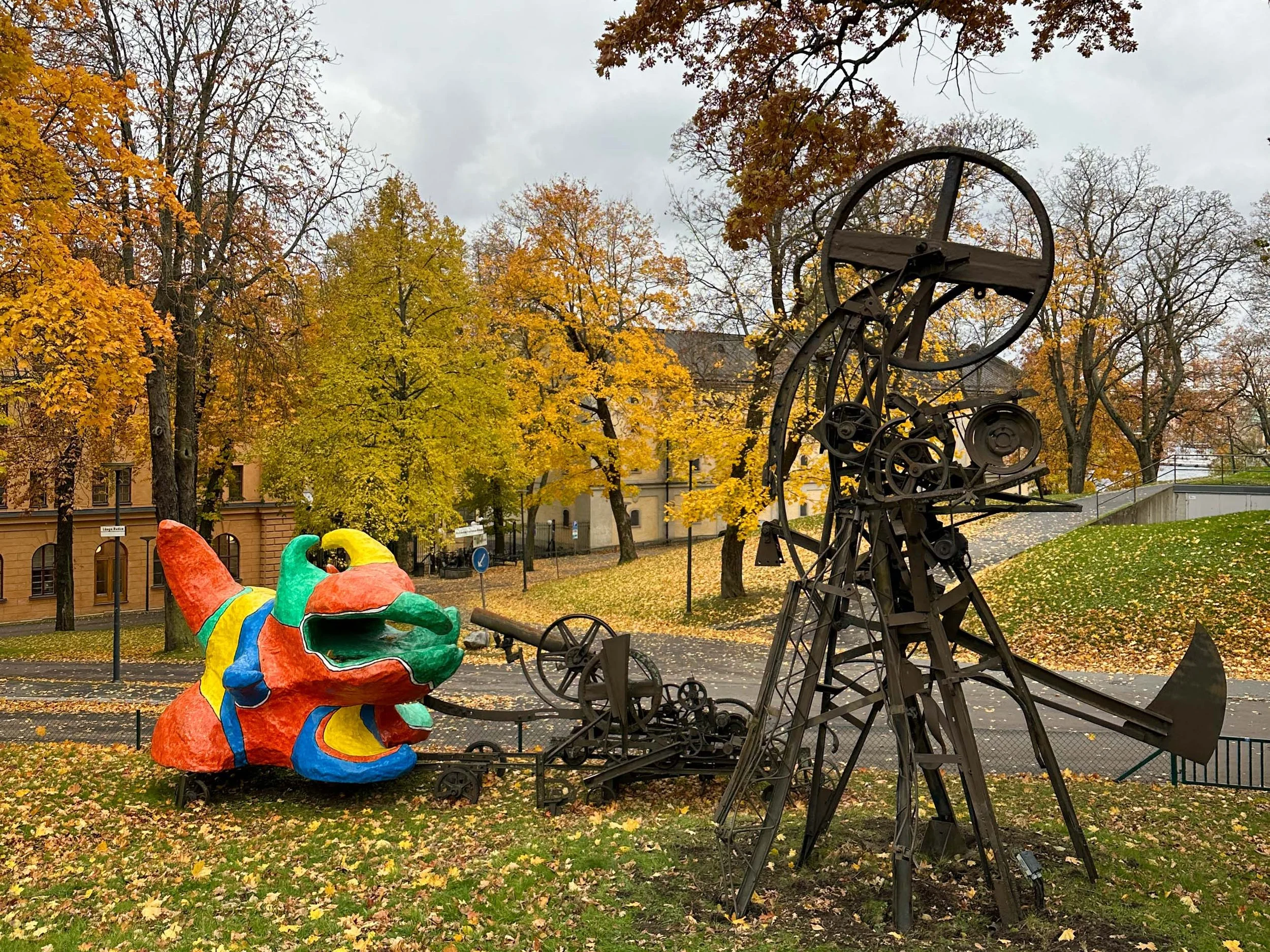
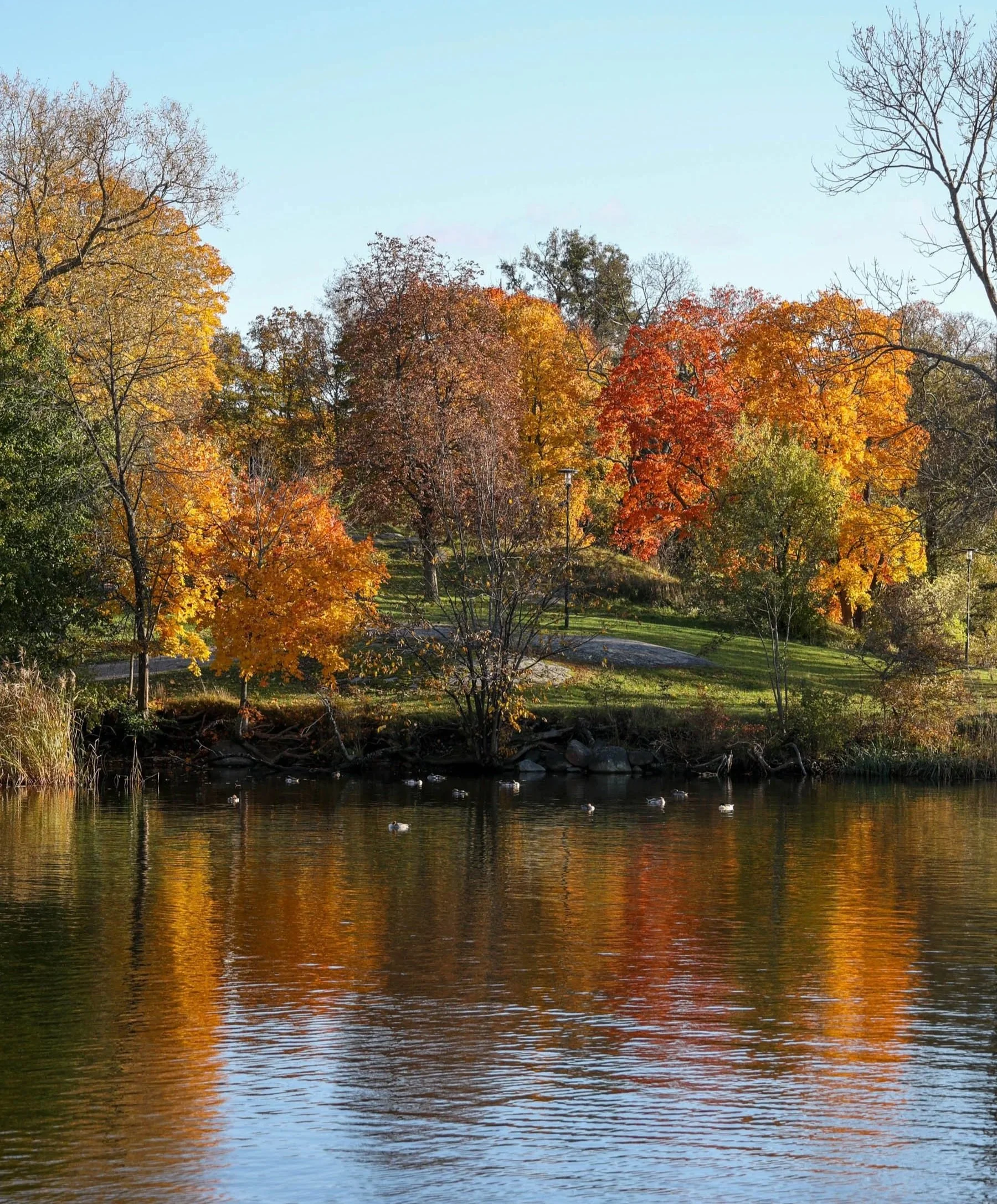
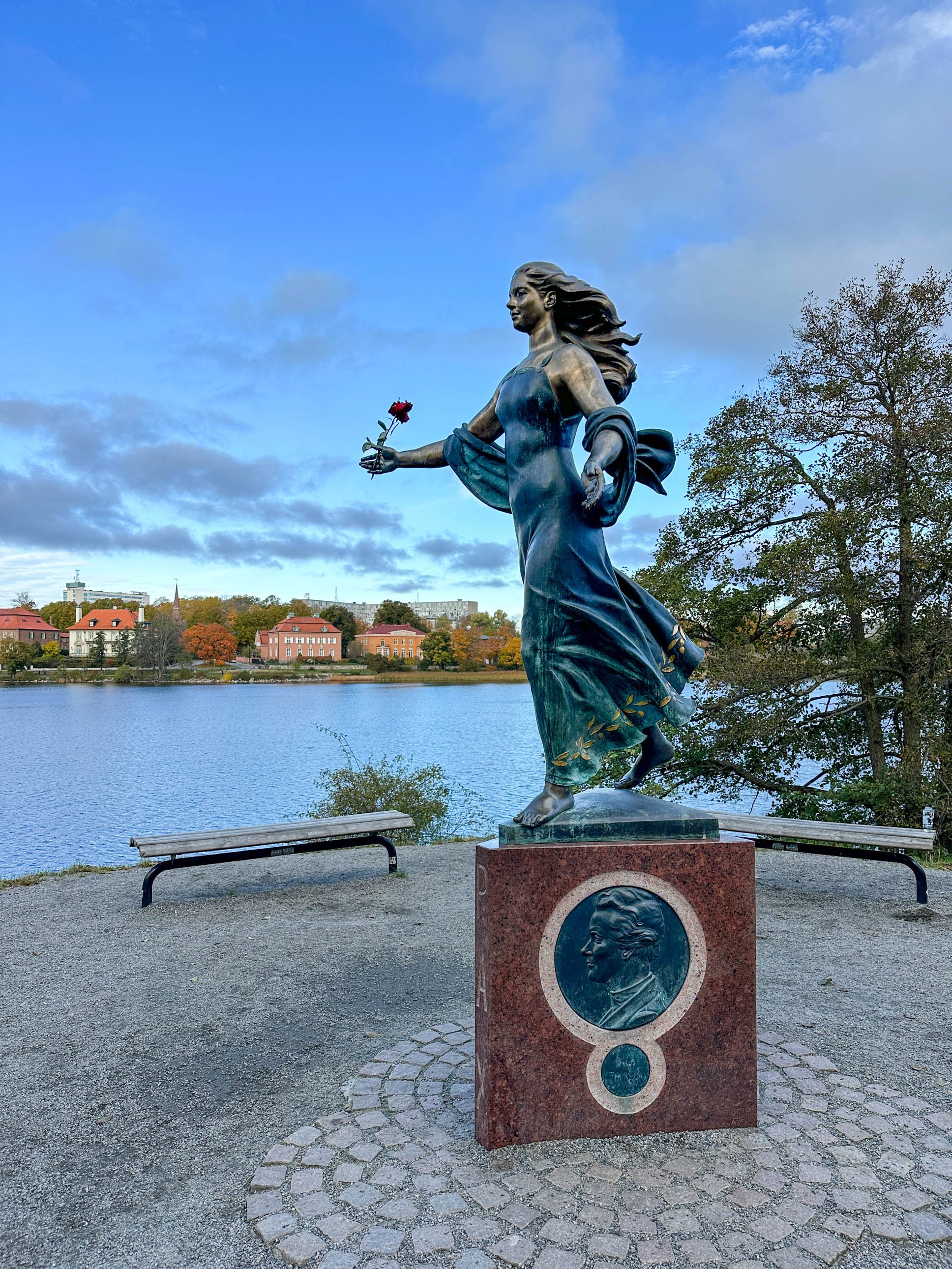
The trail follows a mix of waterfront promenades, garden paths, parkland and forested sections as it loops around the island. Sculpture appears unexpectedly throughout the landscape and there are plenty of benches, gardens and quiet corners to pause or picnic.
The trail is mostly flat and suitable for all fitness levels. You can complete the entire loop in about 2-3 hours of steady walking, but most visitors take a full day to include museum visits and meal breaks.
From Djurgårdsbron, follow the main path east along the waterfront, which takes you through varying landscapes of open meadows, woodland areas and shoreline views.
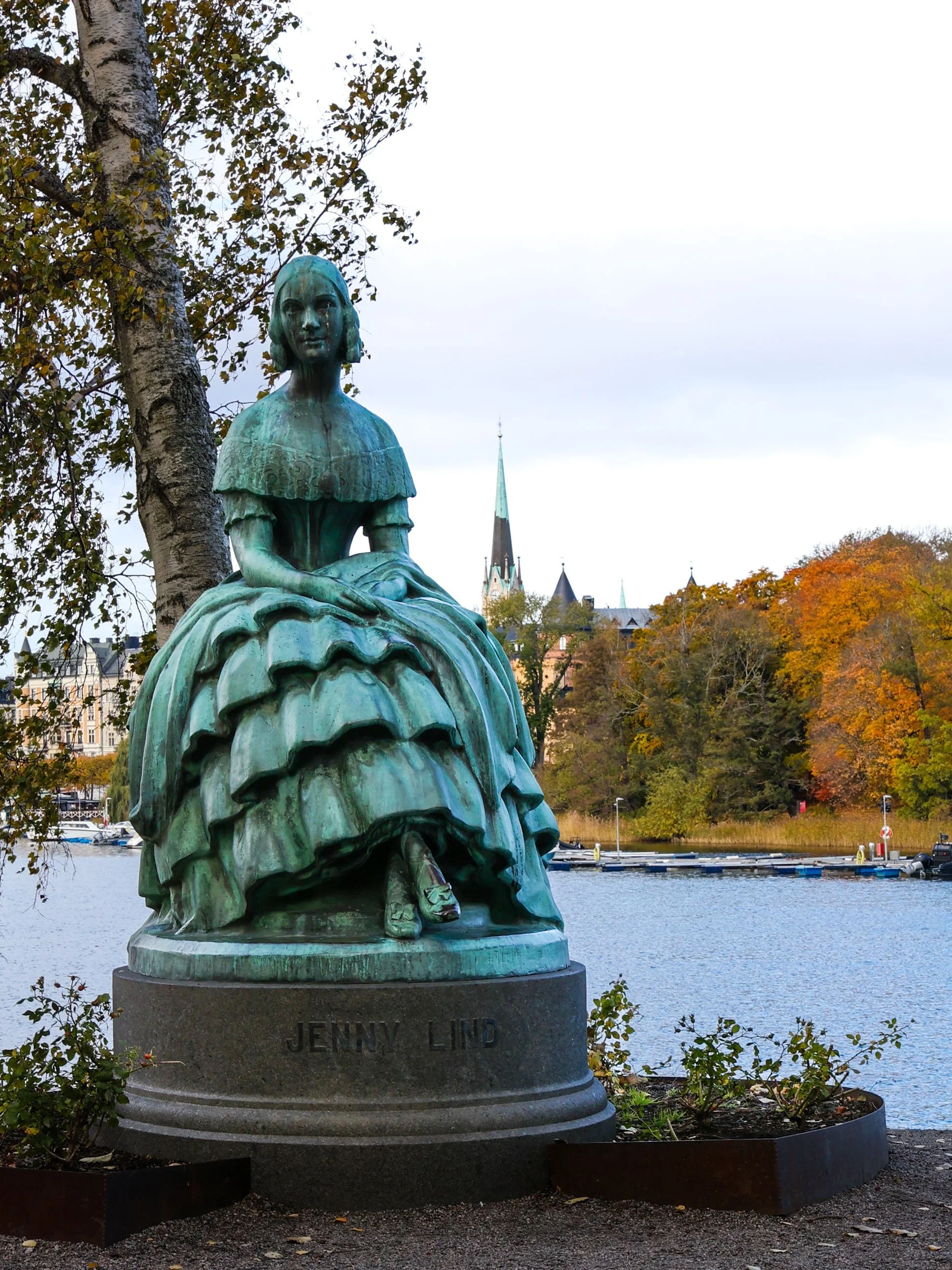
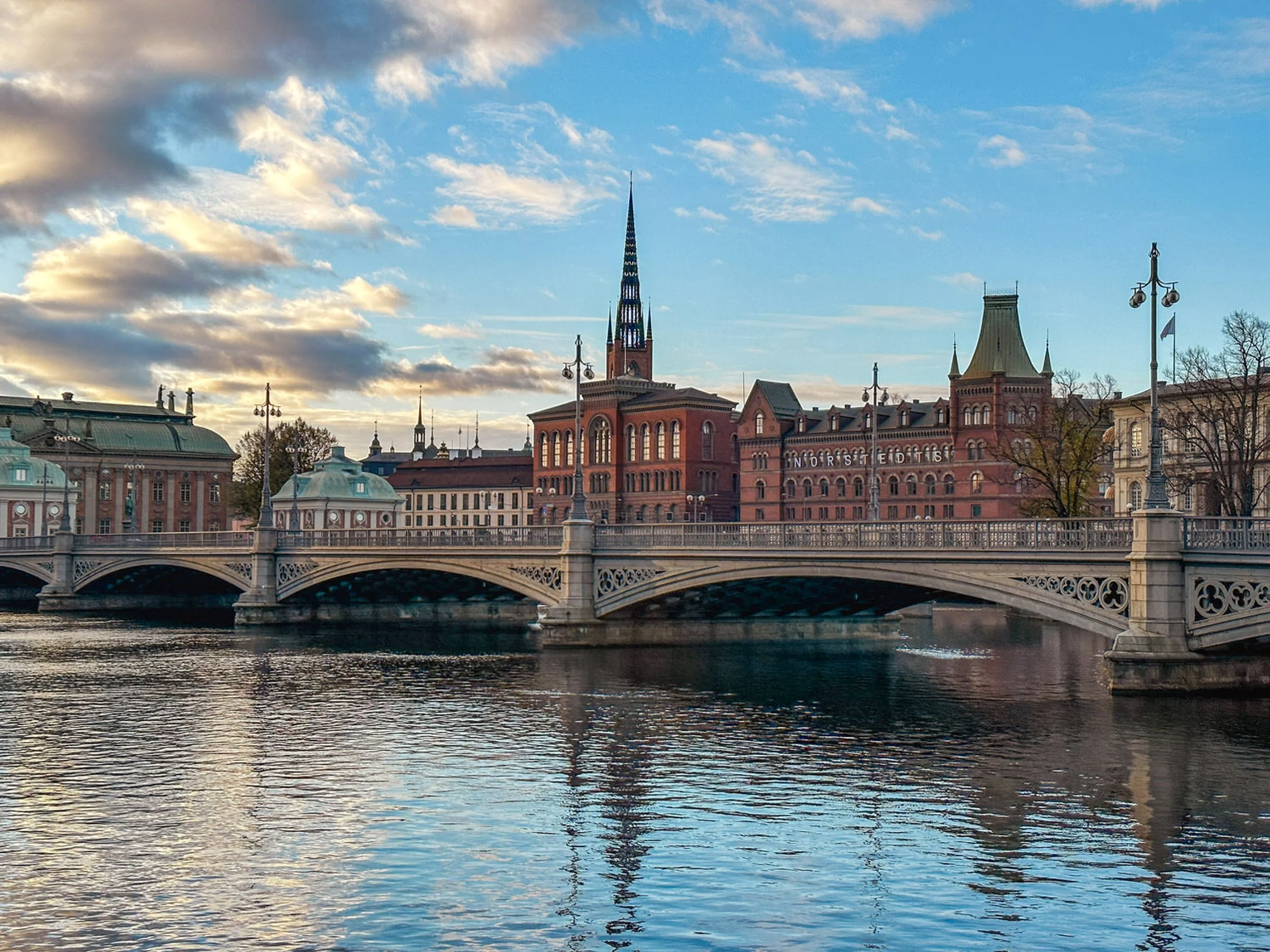
The northern section along the canal is especially beautiful in autumn, when reflections shimmer through the trees and fallen leaves carpet the paths. Along this section you also get great waterfront views of Nybroviken and Saltsjön.
Forest paths from here venture into the interior of the island on well-maintained forest trails that weave through ancient oak woods.
The southern path passes by several historic villas and provides spectacular views across the water toward Södermalm. You’ll pass various museums, cafes and restaurants as you round the path back to Djurgårdsbron to finish the loop. We finished near the Viking Museum with coffee before heading back into town.
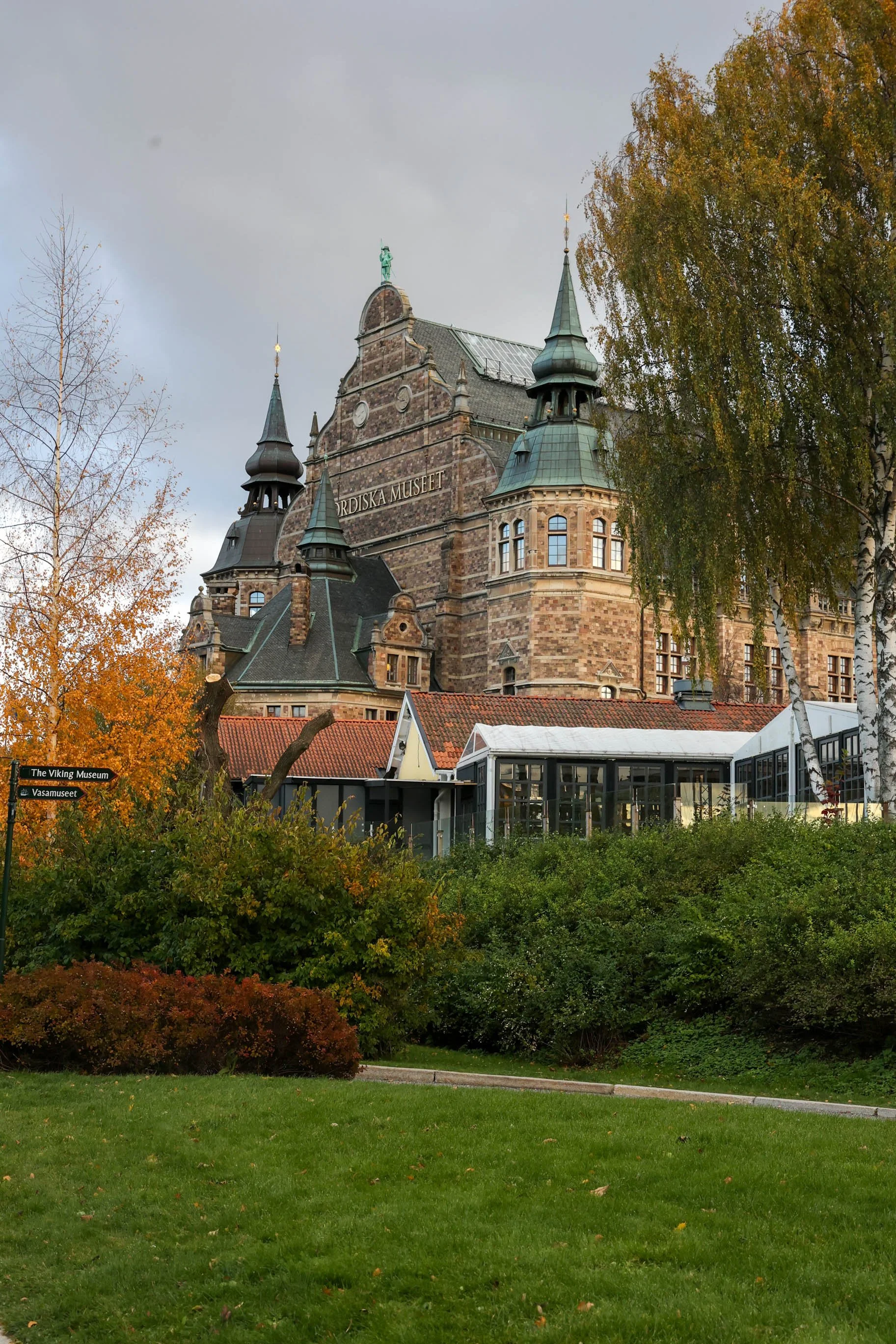
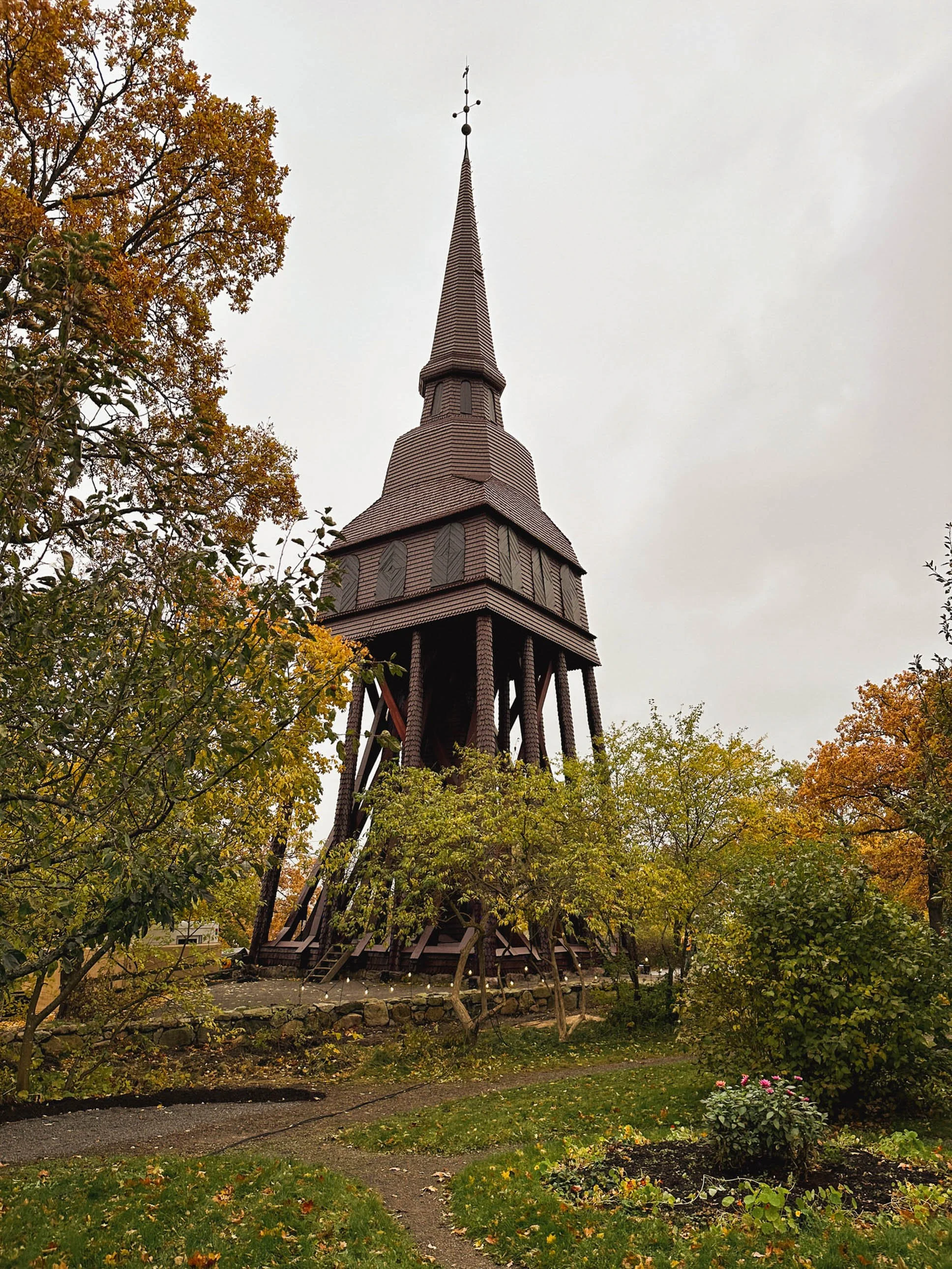
Depending on your interests, you can easily turn this walk into a full day (or more) by stopping at some of Djurgården’s museums and attractions. Skansen, an open-air museum and wildlife park, could fill at least half a day on its own. The Vasa Museum houses a well-preserved 17th-century warship and its exhibitions bring the ship’s doomed history to life, while the ABBA Museum is a lot of fun even for casual fans.
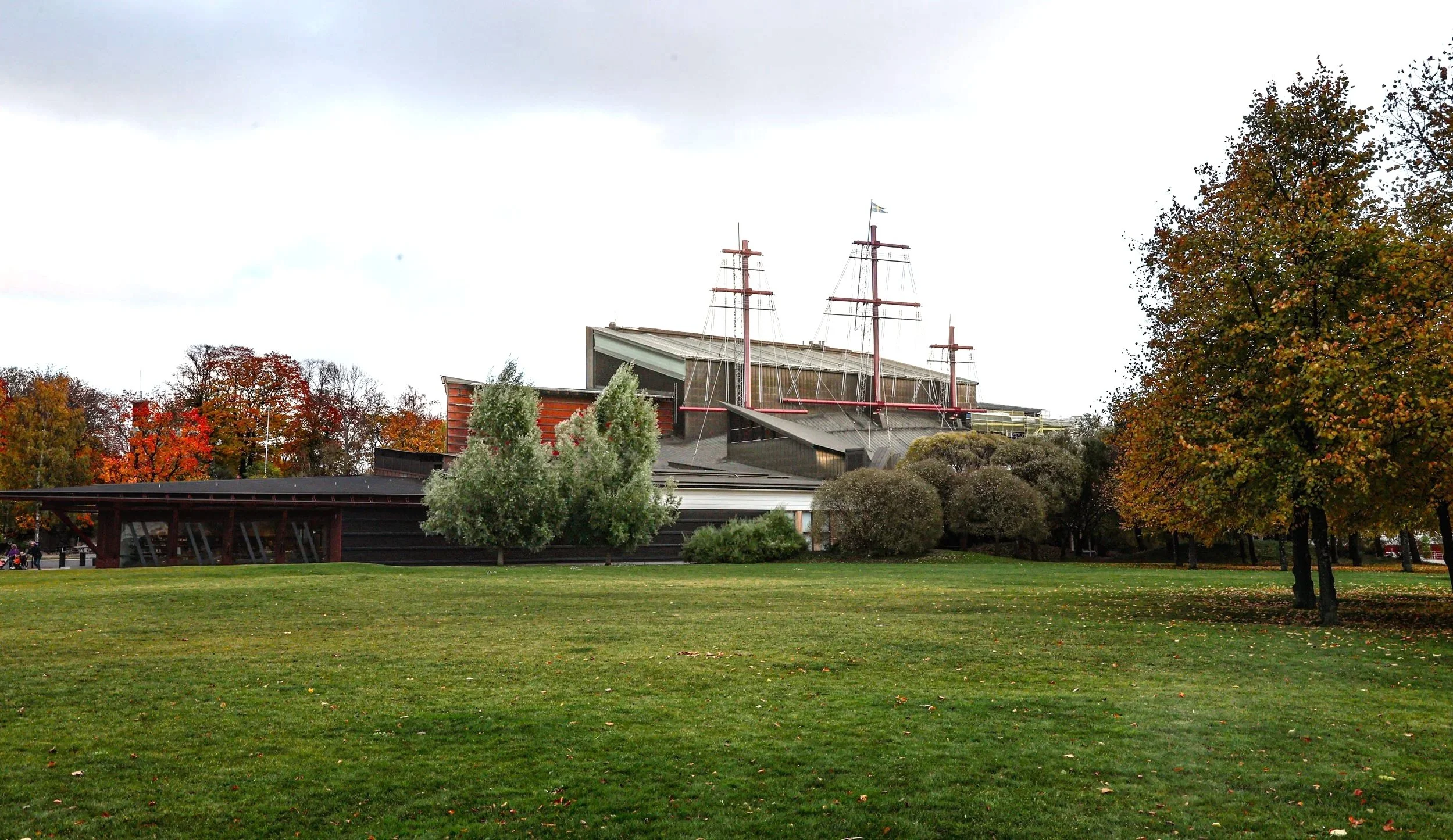
The Vasa Museum
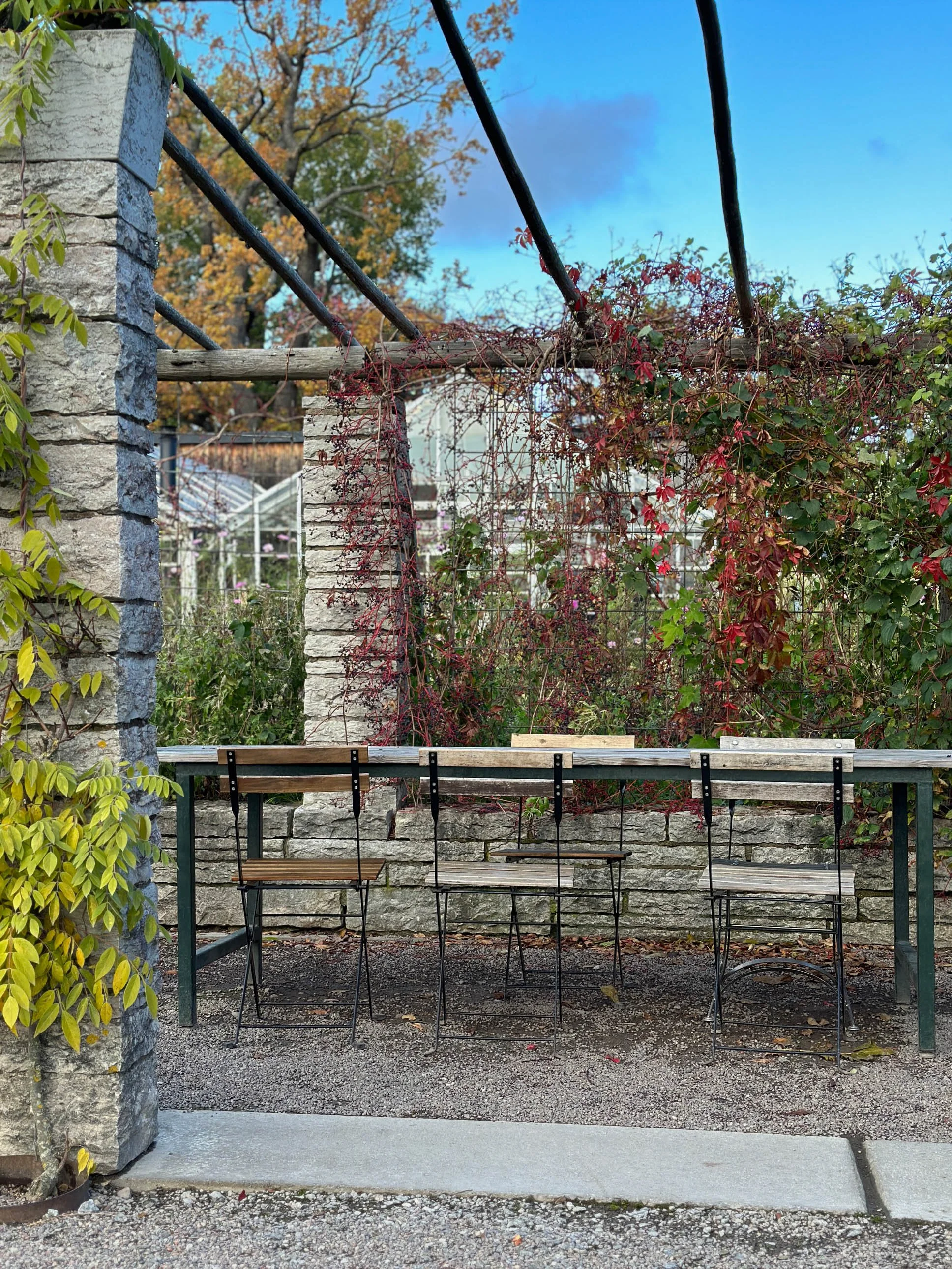
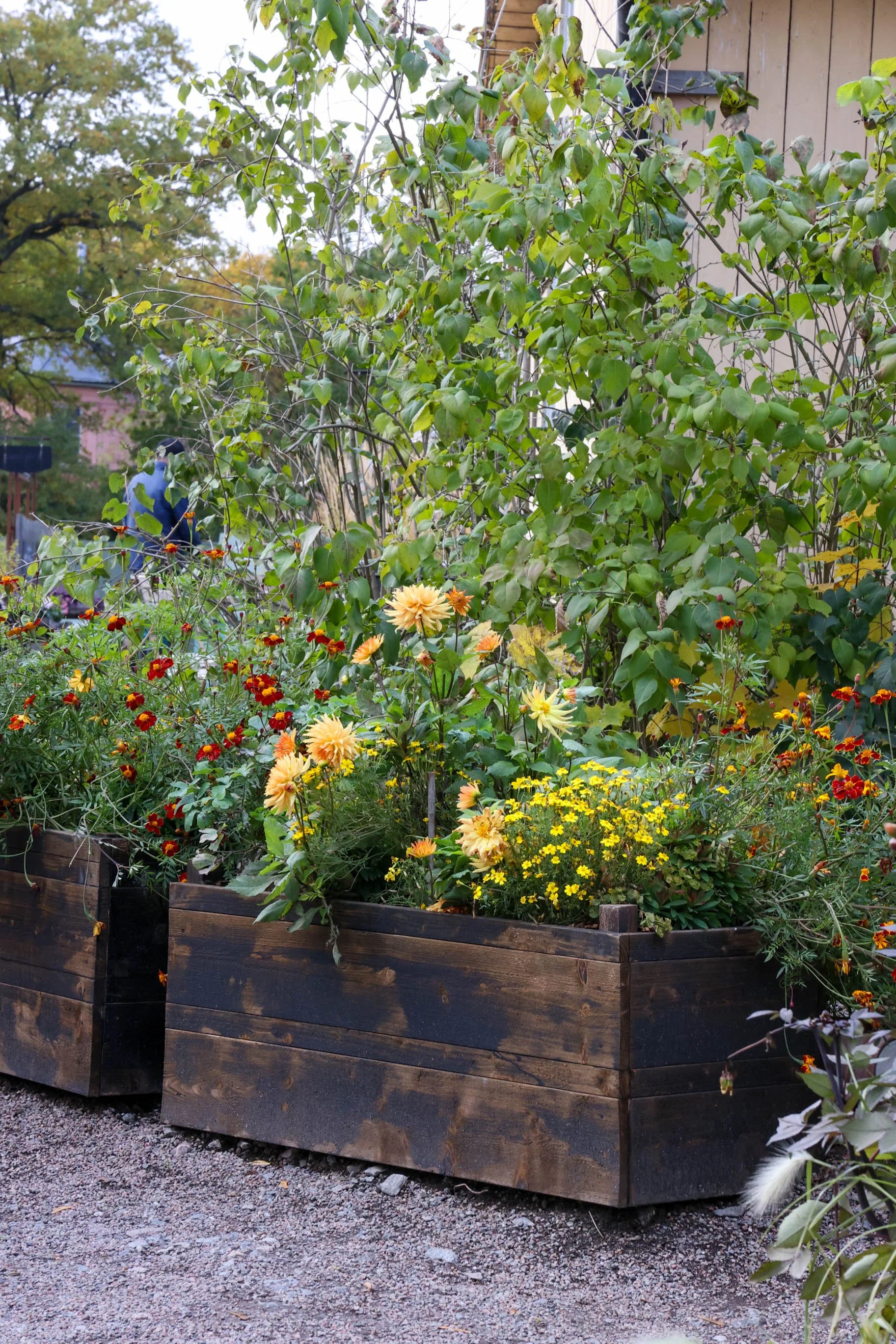
One of our favourite stops was Rosendals Trädgård, a beautiful café and garden tucked among orchards, produce beds and greenhouses. We remembered it from a previous trip and happily returned for lunch — the hummus and vegetable dip with warm bread was every bit as good as we remembered.
Wildlife
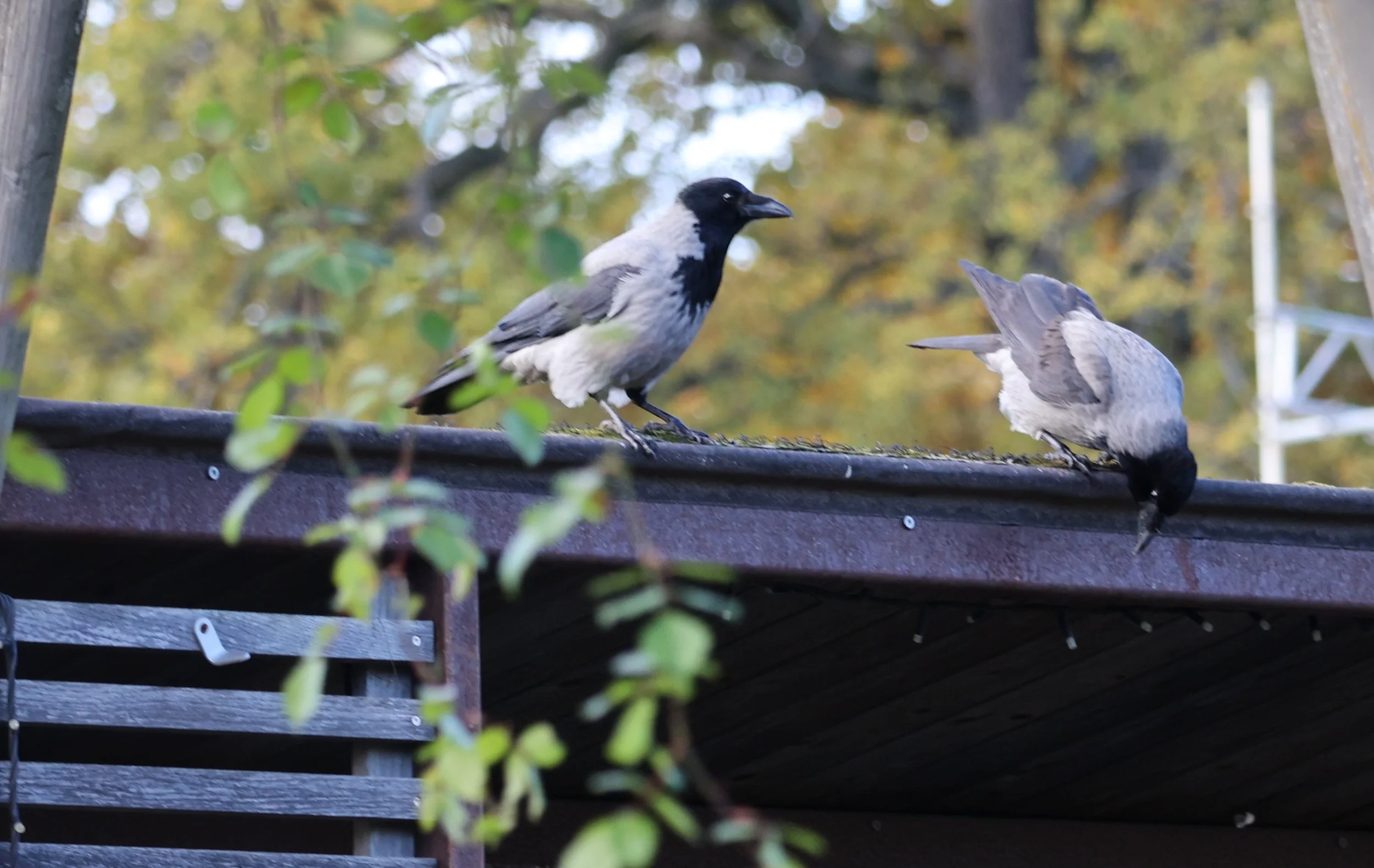
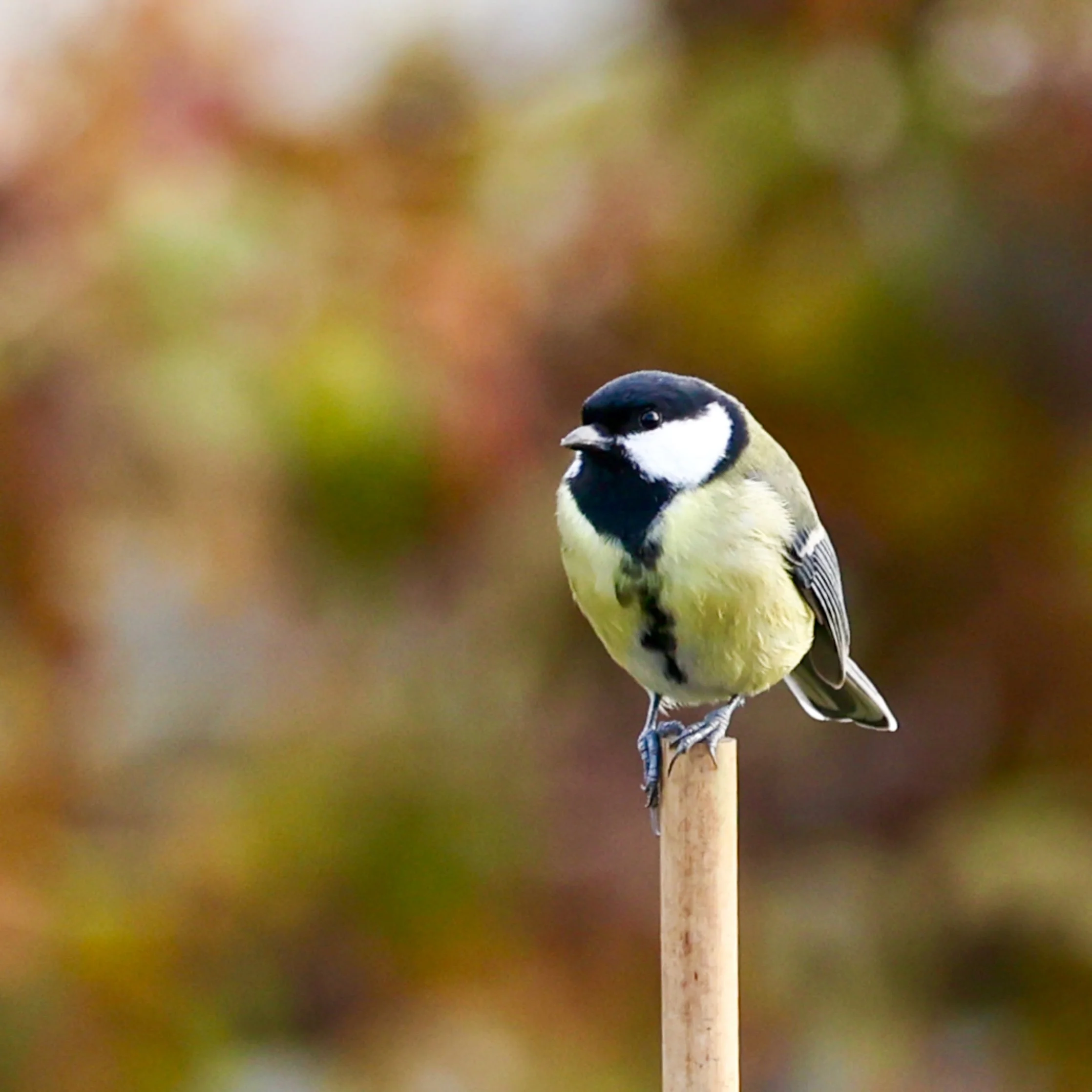
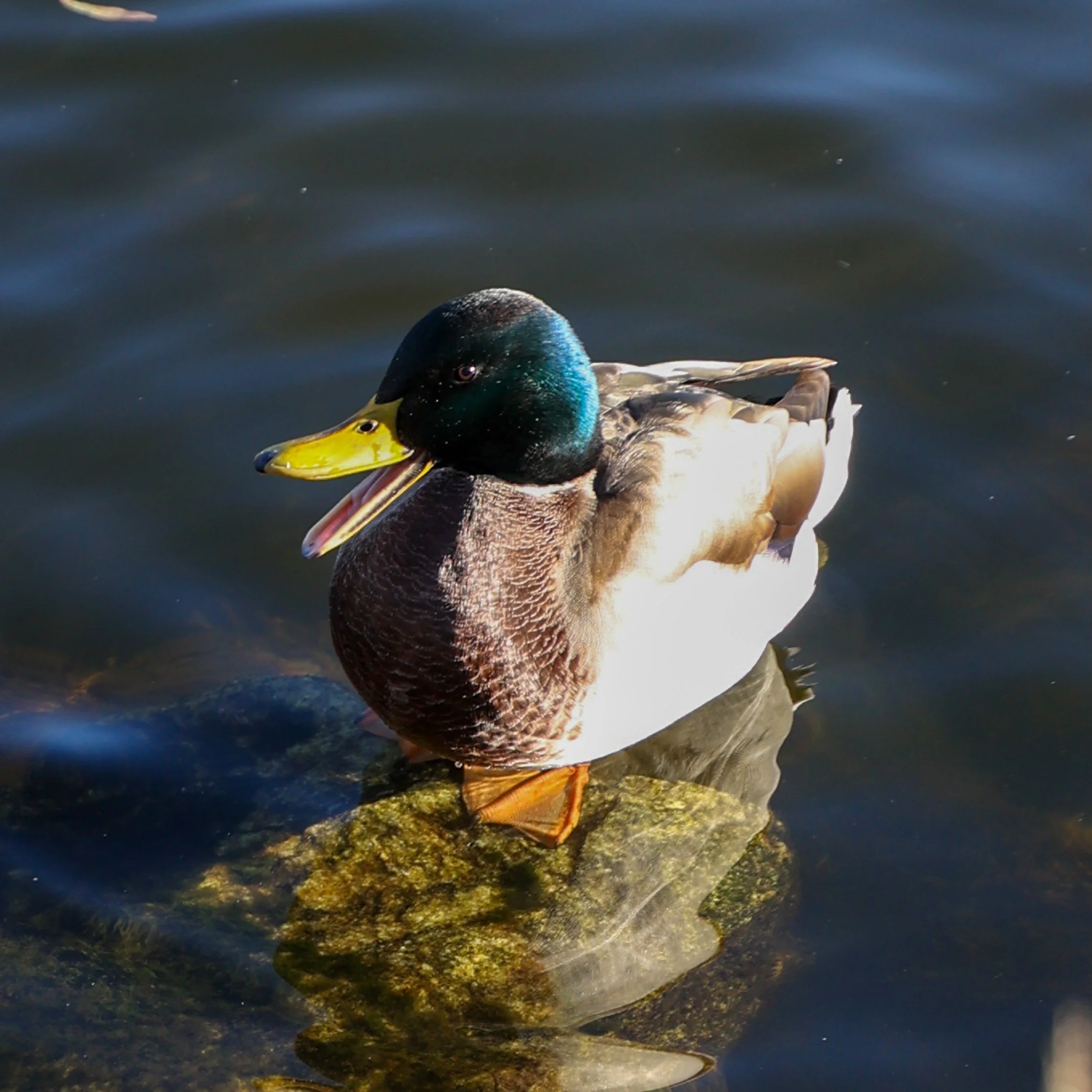
Djurgården parklands, gardens and waterways are a haven for birdlife. As you wander along the canals and shoreline, you’ll likely spot ducks, swans and other waterbirds. The area around Isbladskärret is especially good for birdwatching.
Smaller birds can be found in the quieter wooded areas where squirrels are also common. Grazing deer (wild descendants of former game) as well as hare and foxes may also be seen here in the early morning and evening.
Best Time to Visit
I’ve visited Djurgården in both summer and autumn and found much to love in both seasons.
In spring and summer the gardens are in bloom, and the weather is perfect for outdoor activities. Longer days mean you can get out early to avoid the crowds or stretch the walk out into the evening.
Autumn foliage adds an extra layer of beauty to the walk, and colourful backdrops to surrounding the islands historic buildings and museums. I’ve not visited in the winter but I imagine that snow would bring its own charm. And in winter, as in the shoulder seasons, you can usually avoid the crowds.
In the Area
The Djurgården Loop Walk is a wonderful way to experience the natural and cultural highlights of Djurgården Island in Stockholm. Here are a few more
Gamla Stan: Stockholm's Old Town is about a thirty minute walk or short ferry ride from Djurgårdsbron Bridge. With its narrow cobblestone streets, medieval architecture, and Royal Palace, it has plenty of appeal but it’ can also get very crowded so it’s best visited off-season or out of hours.
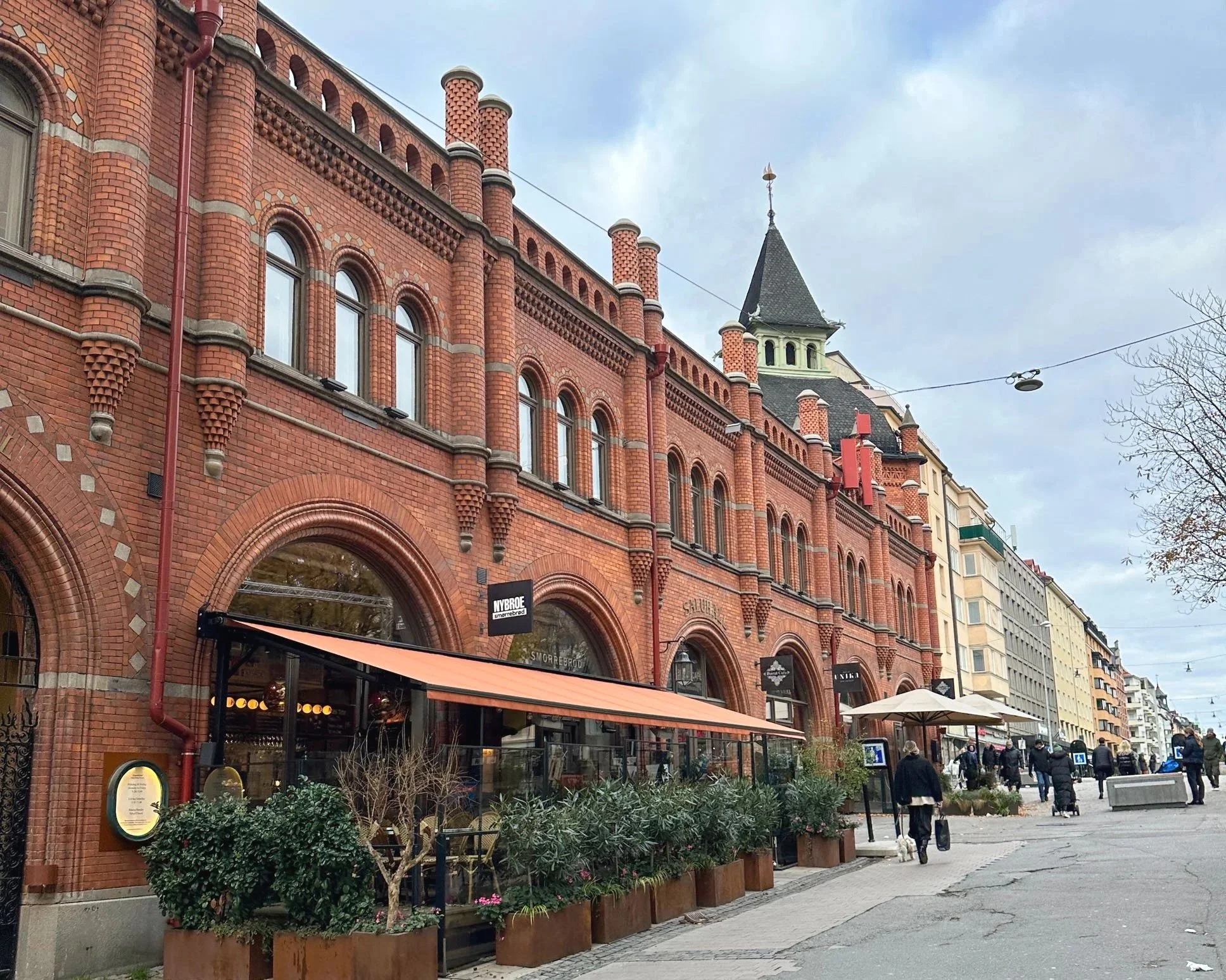
Östermalm: This upscale neighbourhood adjacent to Djurgården is home to some of Sweden’s most iconic design houses. The area has excellent shopping and dining options particularly around Östermalms Saluhall (closed on Sundays).
Södermalm: Across the water, this trendy district is known for its bohemian atmosphere, vintage shops, and you can enjoy panoramic views over the city and its waterways from the elevated walkway, Fjällgatan.
Fotografiska: The contemporary photography museum is located a short distance away on Södermalm's waterfront. Apart from the exhibitions, the museum has a fabulous restaurant (with iconic city views) on its top level.
Moderna Museet: This modern art museum sits on neighbouring Skeppsholmen island and showcases works by Picasso, Warhol, and prominent Scandinavian artists. The sculpture garden and tailored exhibition activities will be especially appealing to families. The main restaurant in the museum has a great vibe and offers simple meals at reasonable prices including great winter soups.
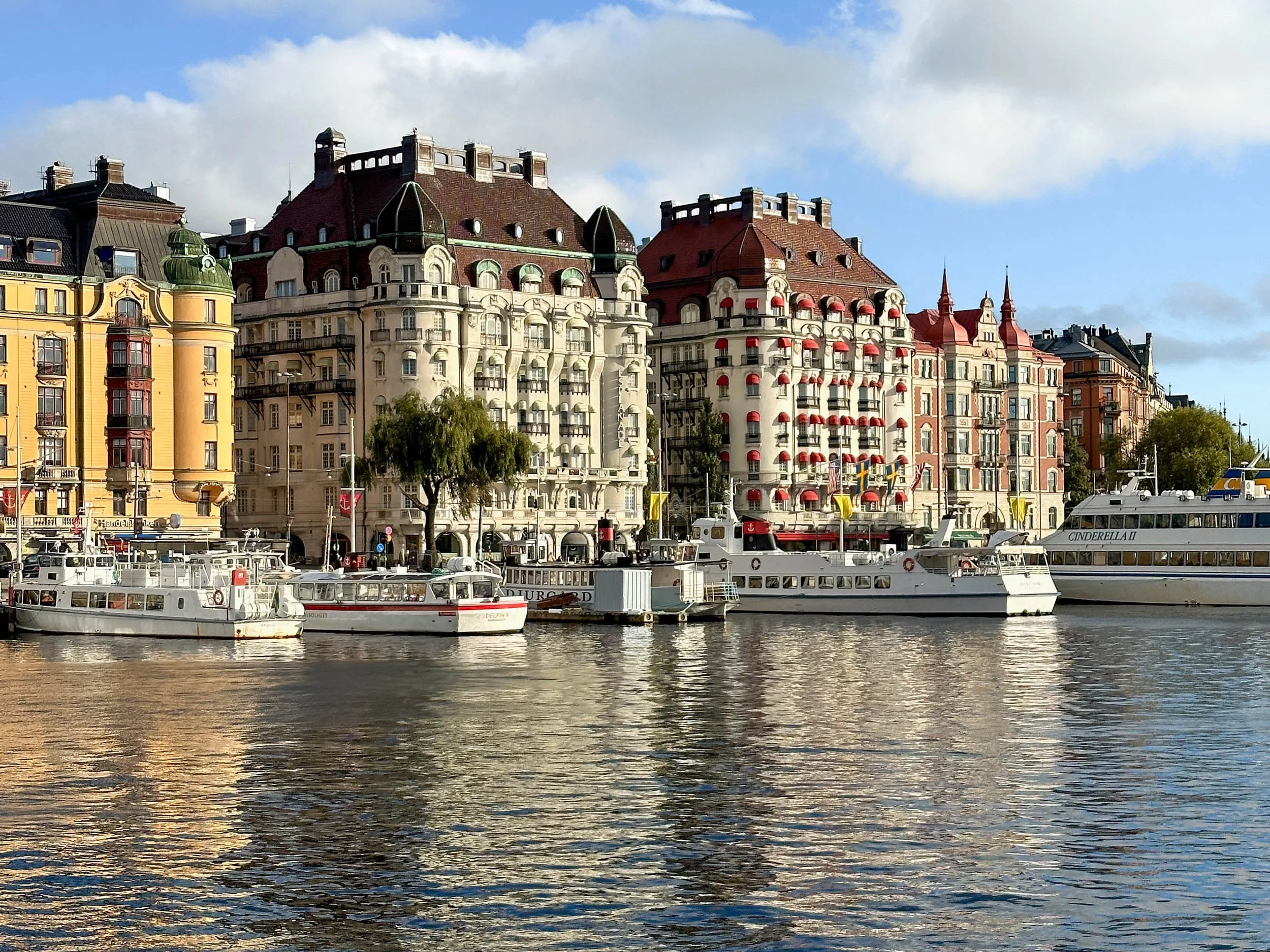
Strandvägen: This elegant boulevard connecting to Djurgården features beautiful architecture and waterfront promenades.