Walk Summary
An easy walk through Sydney’s Centennial Park, exploring its ponds, gardens and wildlife, from waterbirds to Grey-headed Flying-foxes.
Location Canberra, ACT
Distance 4 - 5km
Time 1 - 2 hours
Difficulty Easy
You can walk around Centennial Park or you can walk in Centennial Park. They are two quite different experiences. If you’ve got all day, the best route is perhaps the one you make yourself by just wandering and exploring.
Walking Centennial Park
To get a sense of the size of the park, take the loop walk around its perimeter on the dedicated walking path. The path is well-defined so you’d be hard-pressed to lose your way.
Or go off track.
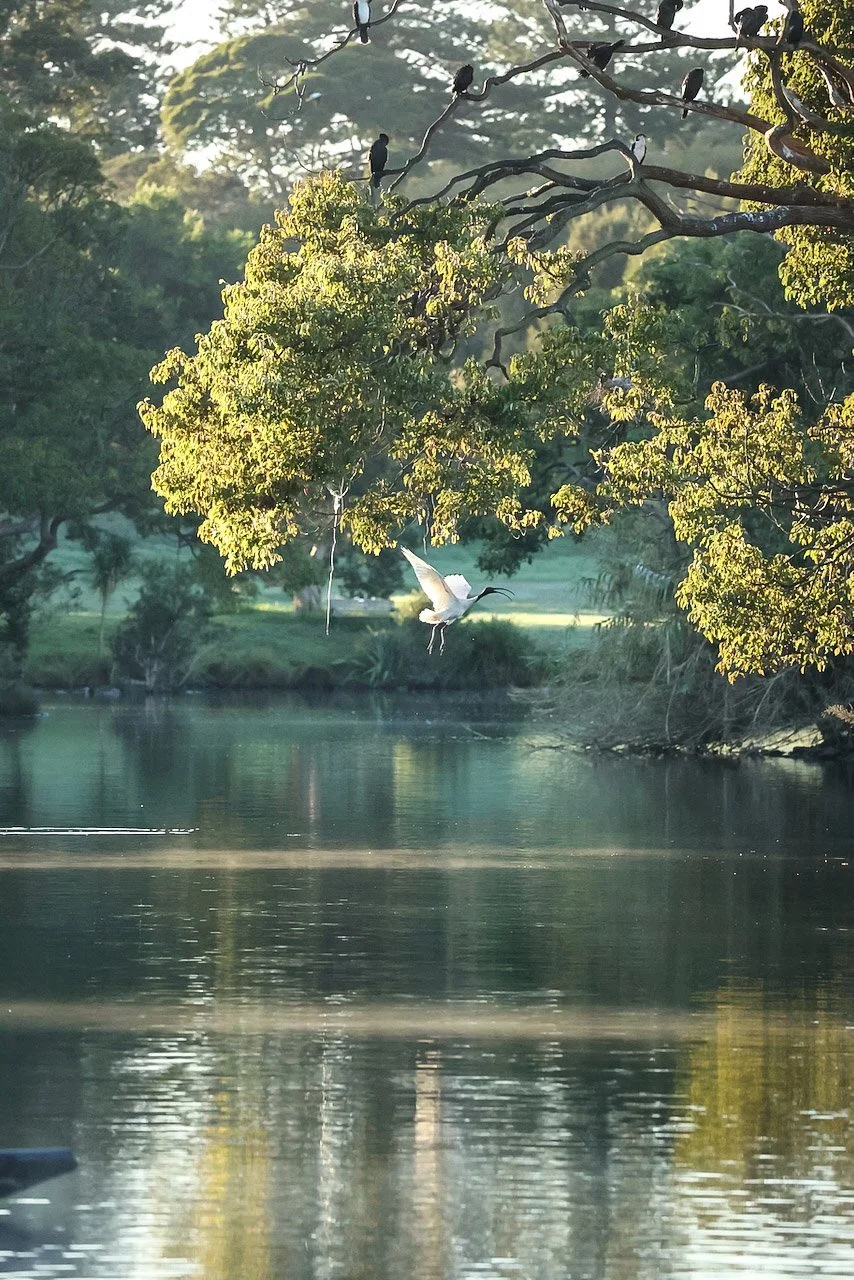
The park’s ponds and wetlands are some of the most interesting areas to explore, particularly if you’re looking for wildlife.
As you stroll, bear in mind that the parklands used to be a swamp and some areas return to their natural state after heavy rains. In other words, leave the white sandshoes at home.
Wildlife at Centennial Park
Centennial Park is well known to bird lovers in Sydney. And to children who like to throw bread at ducks.
The park’s varied landscape and diverse range of plants attract a wide variety of species including around 130 species of land and water birds.
Grey-headed Flying-foxes reside, in their thousands, in and around Lachlan Swamp as do other nocturnal creatures including microbats and Brushtail and Ringtailed possums.
Birds in the park
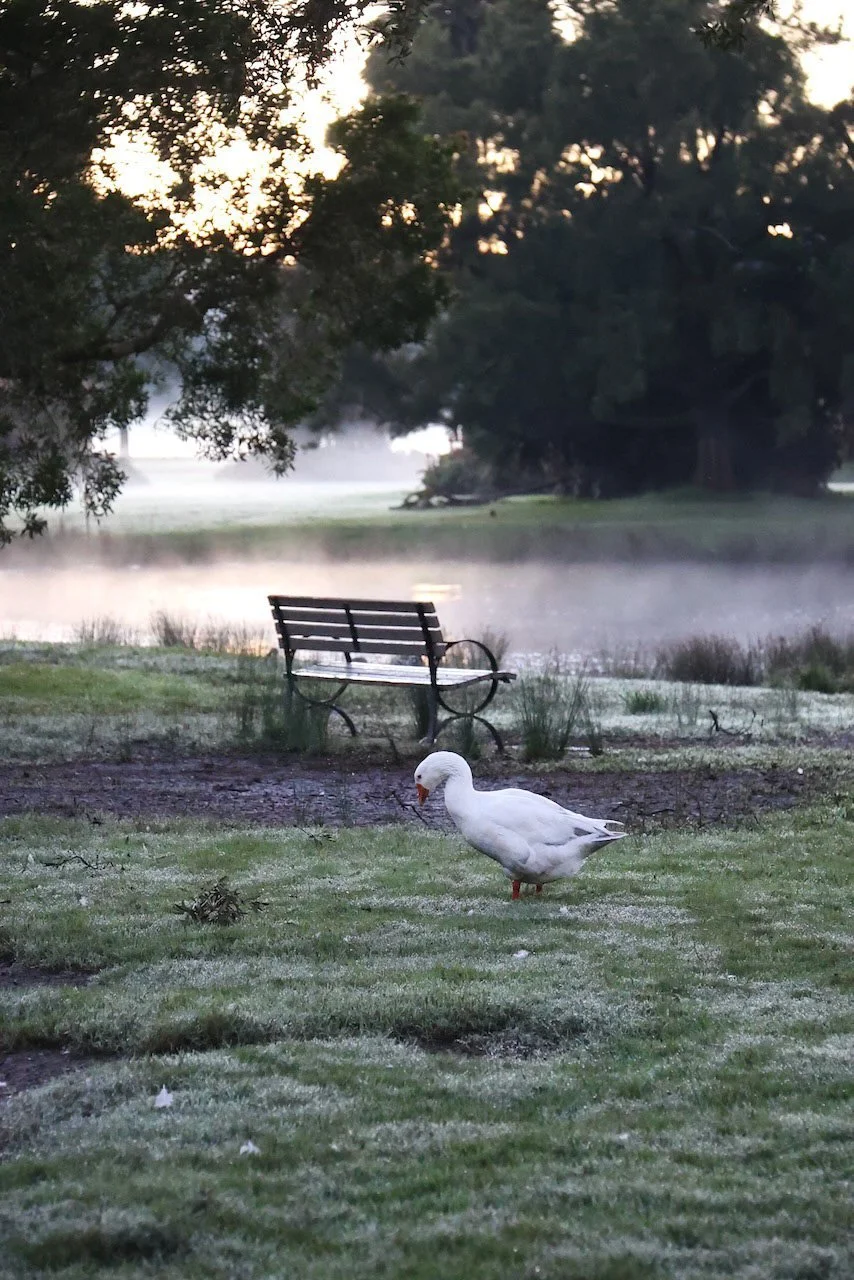
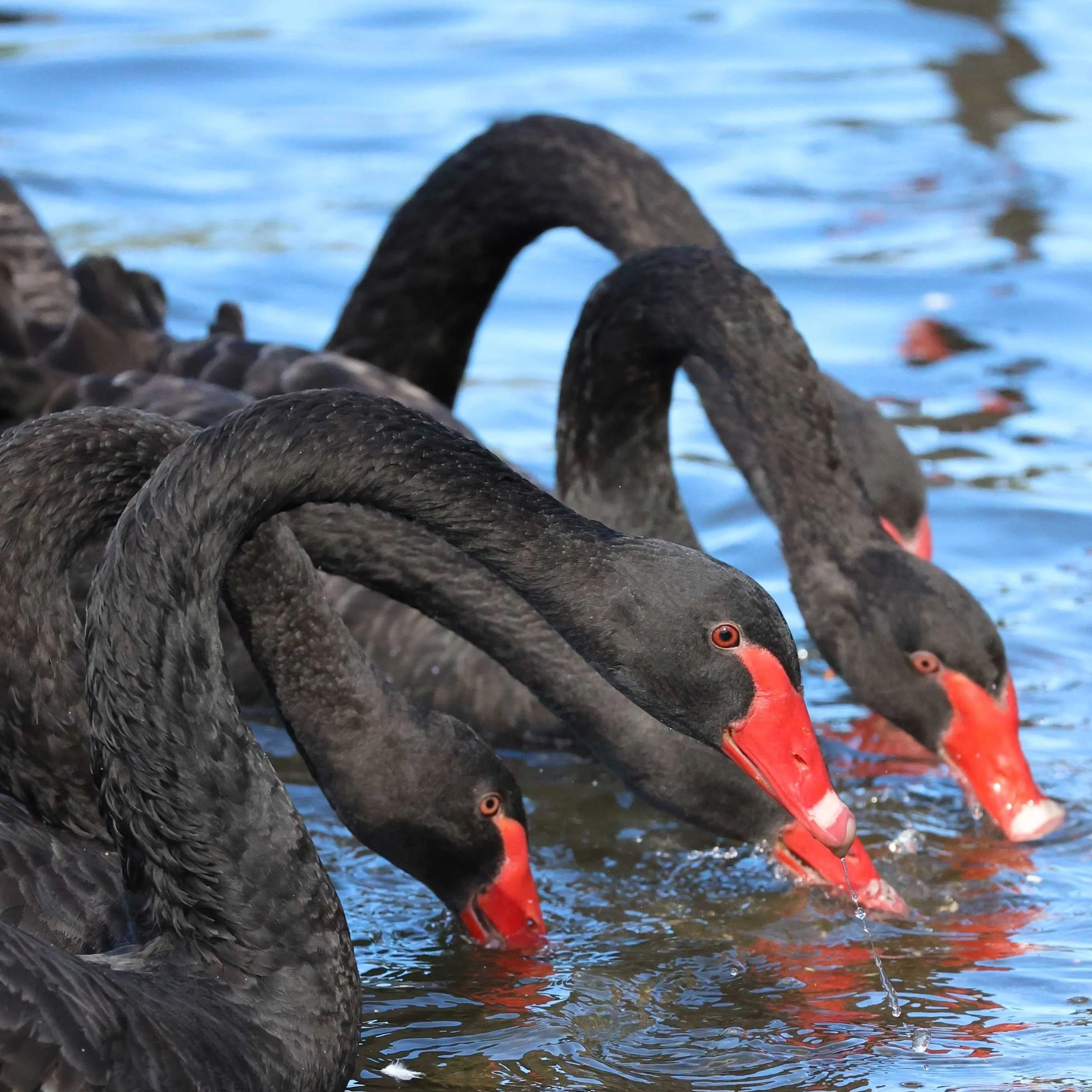
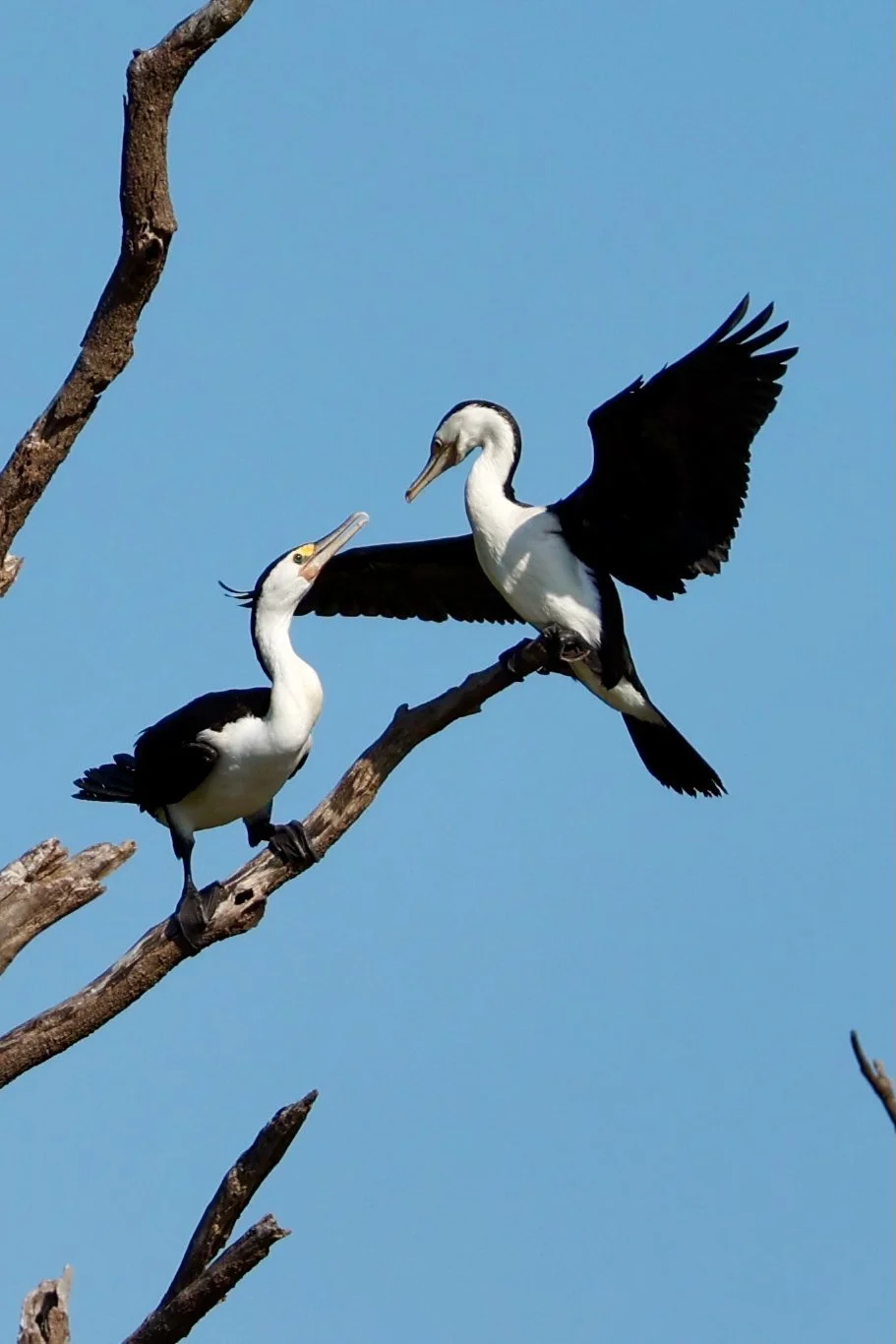
The most common and most visible birds can be found around the park’s many ponds including Duck Pond and Busby’s Pond, where swans, ibis, cormorants, ducks, pelicans and geese gather. Herons and egrets are regular visitors too, as are turtles and giant carp.
At the edge of the ponds and in the gardens you might see tiny wrens and swallows and, in the trees, cockatoos, corellas and kingfishers.
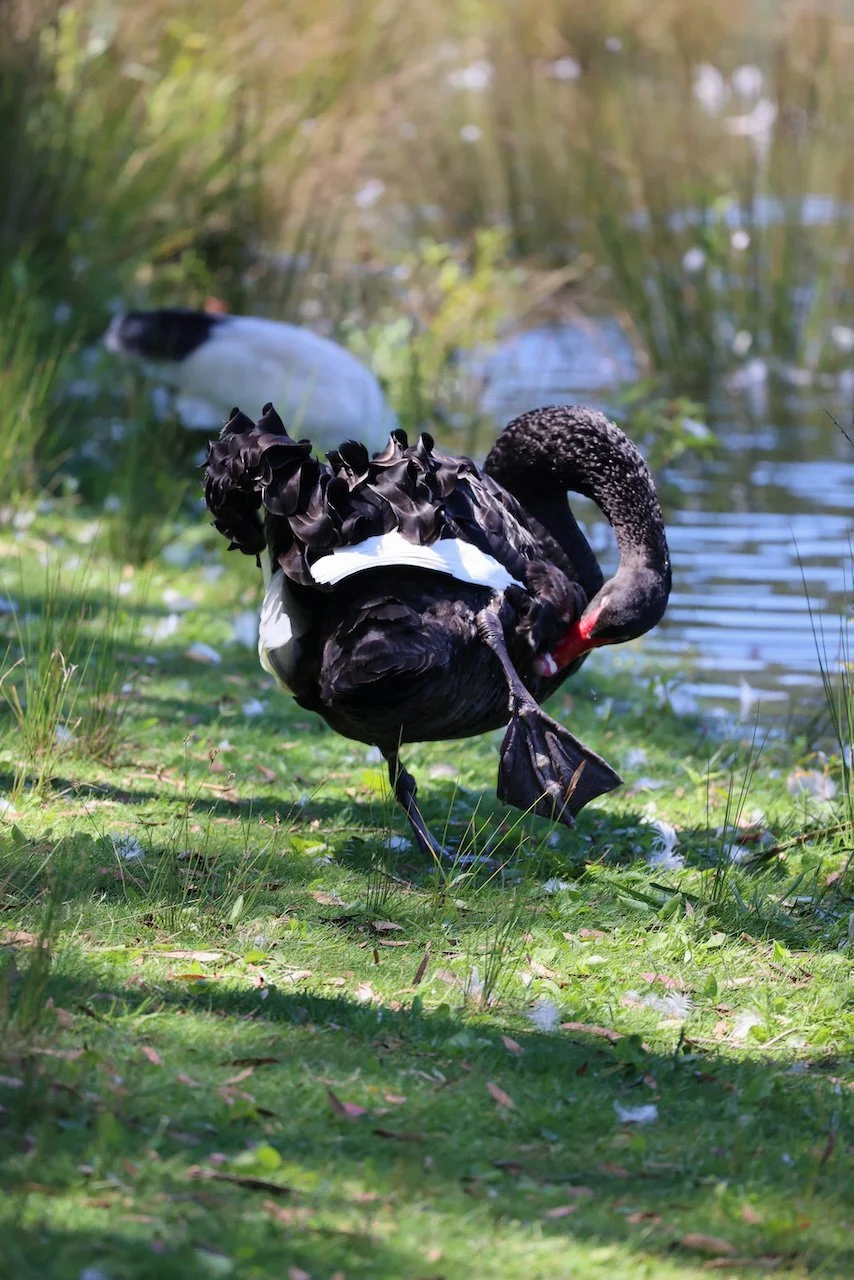
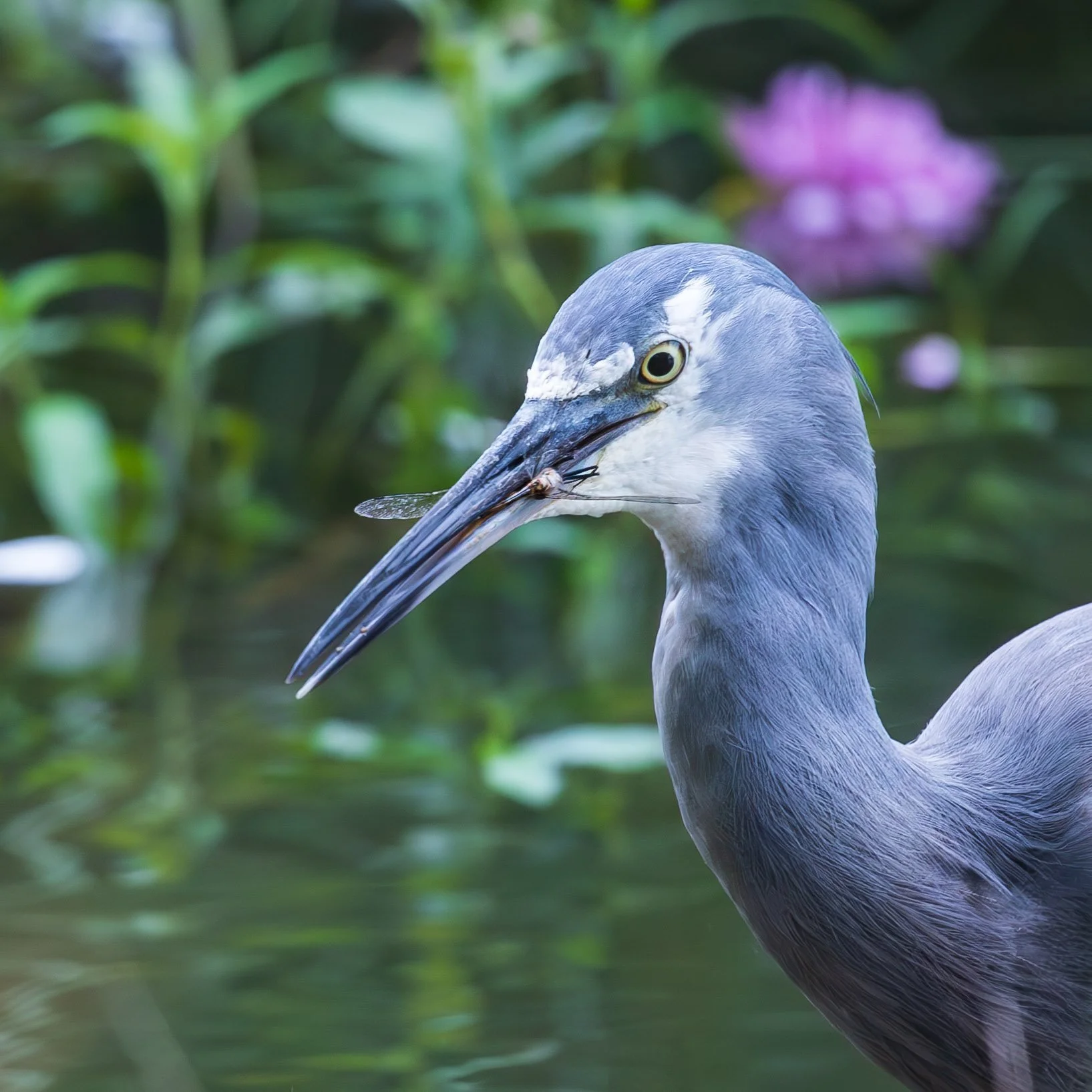
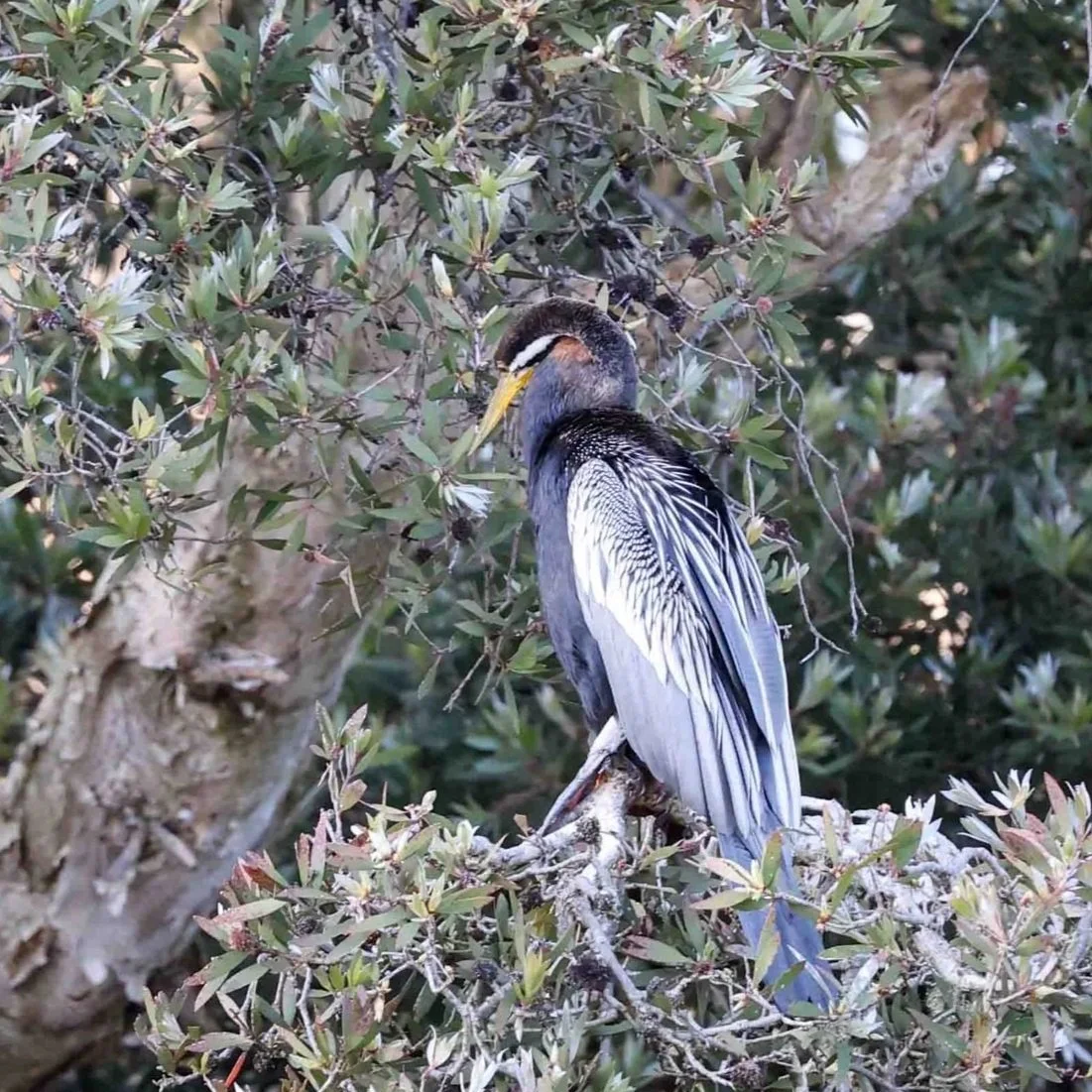
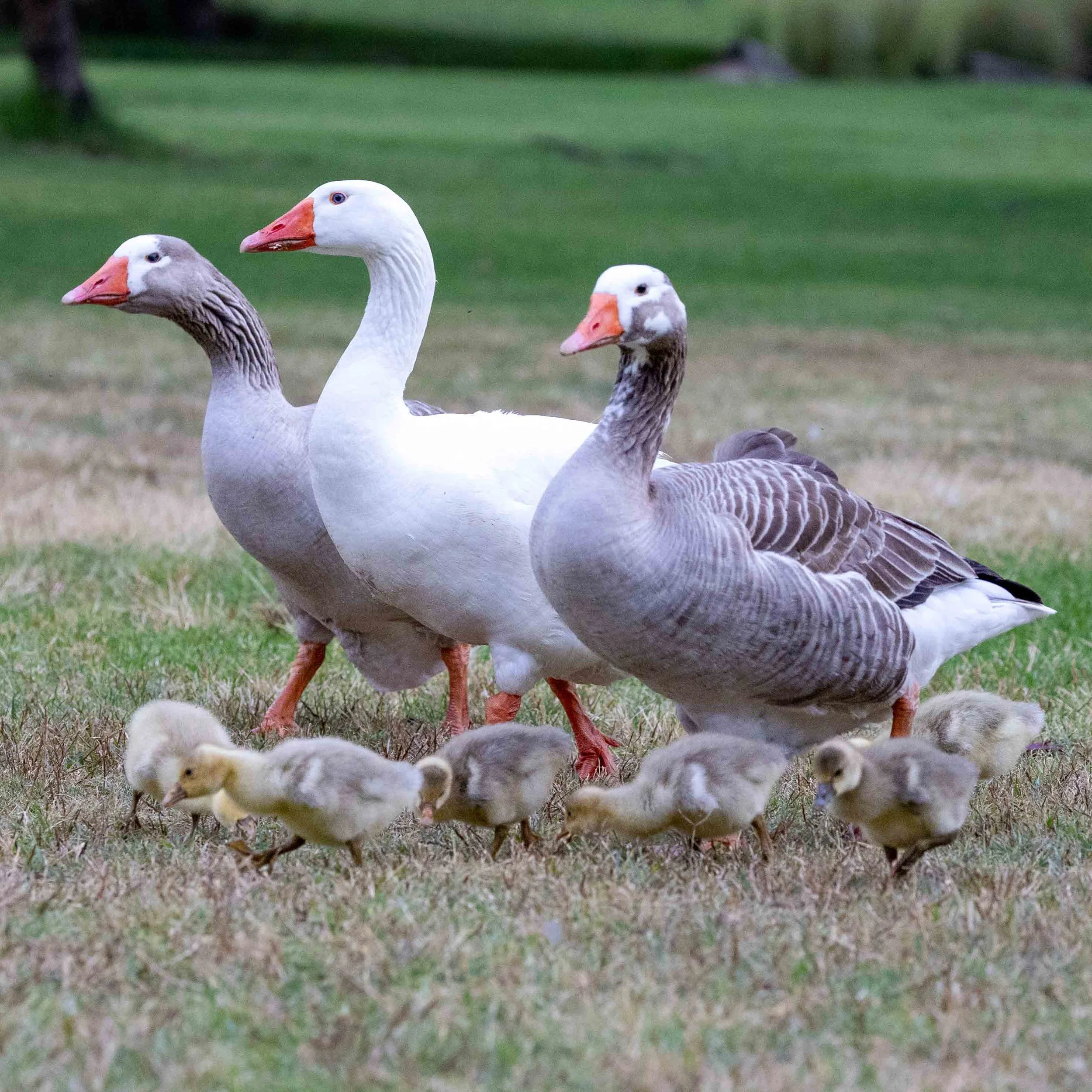
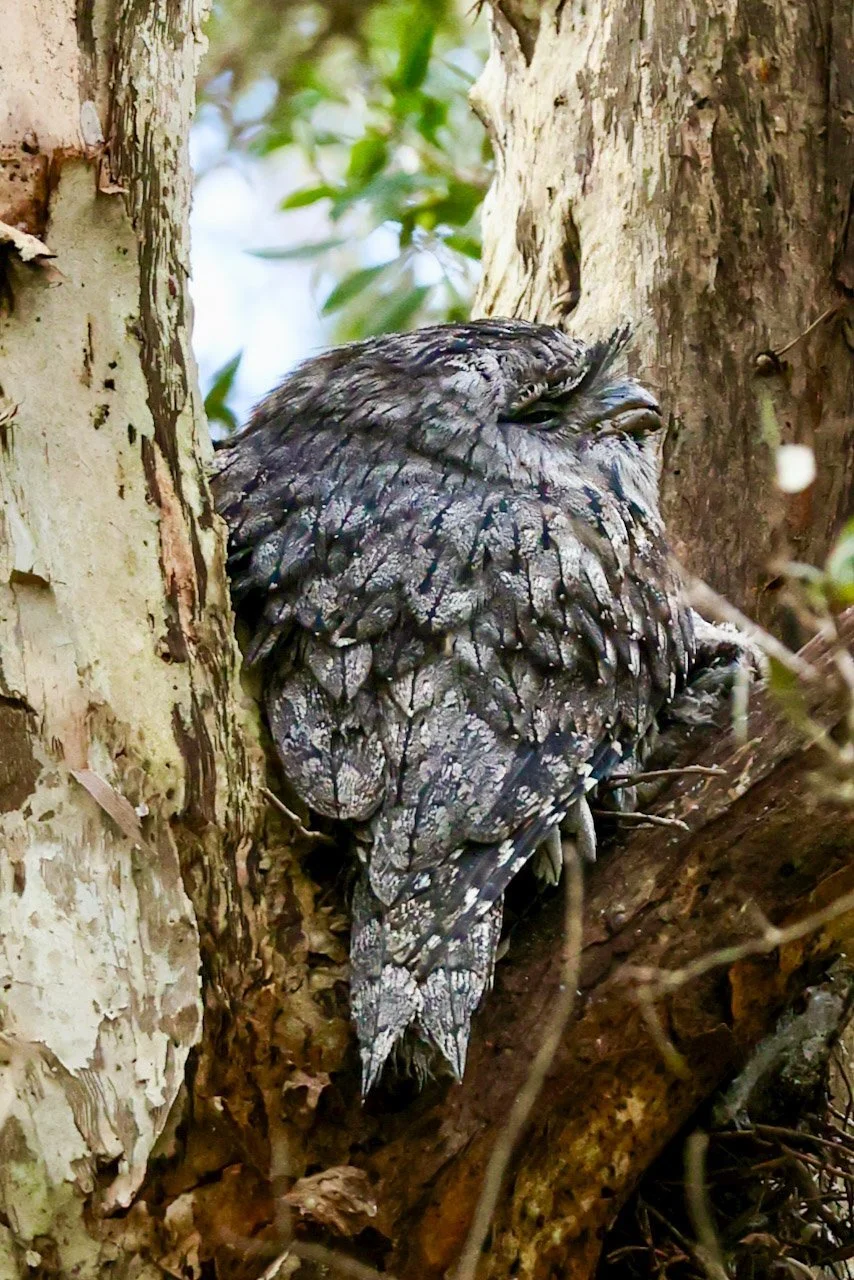
Tawny Frogmouths are commonly seen (by those with patience and good eyes), among the paperbark trees of Lachlan Swamp.
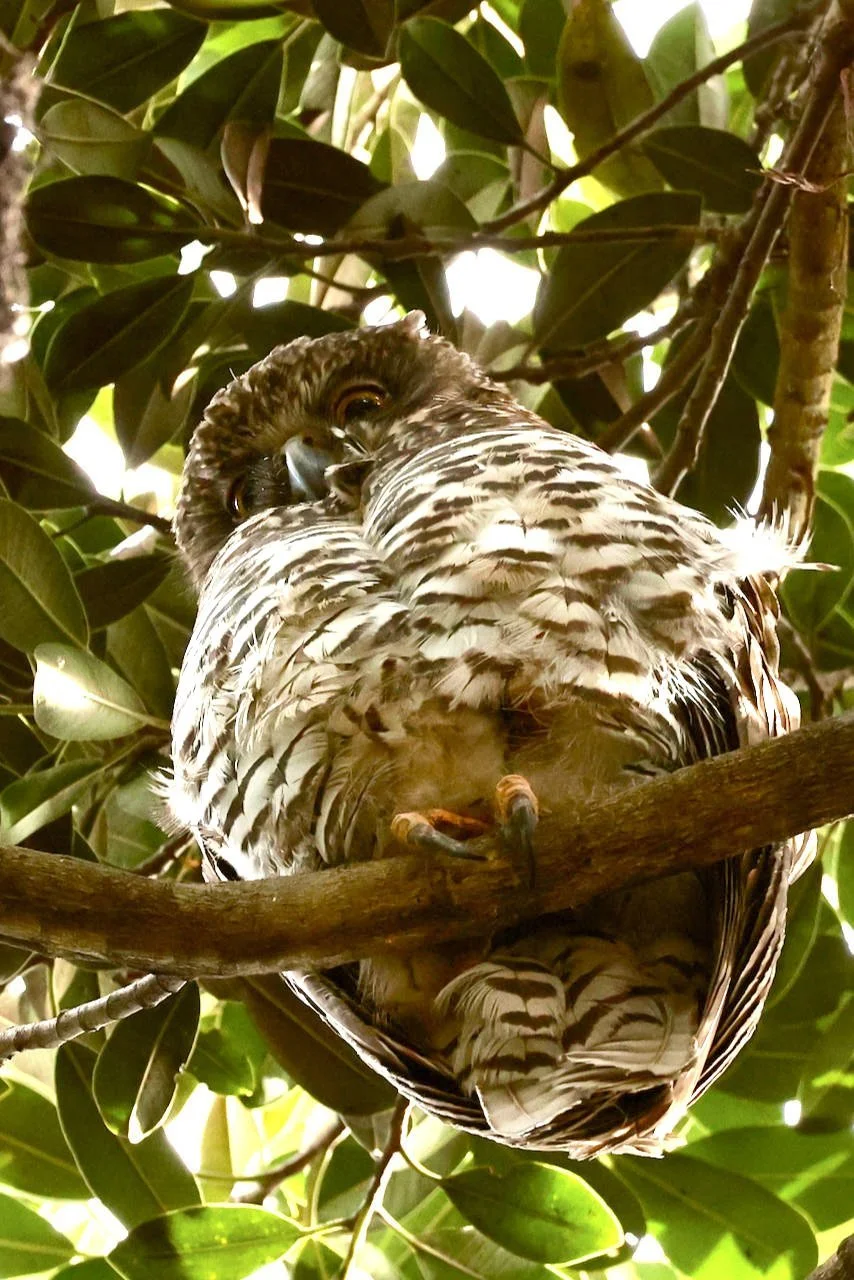
If you’re lucky you might spot one of the visiting falcons or eagles, or one of the resident Powerful Owls.
The Centennial Park website has some great info on the various birds that live in the park.
For recent bird sightings here, head to eBird.
Flying Foxes
The flying foxes are vocal and visible and can be found roosting within Lachlan Swamp, where they’ve camped since their arrival in the park in 2010.
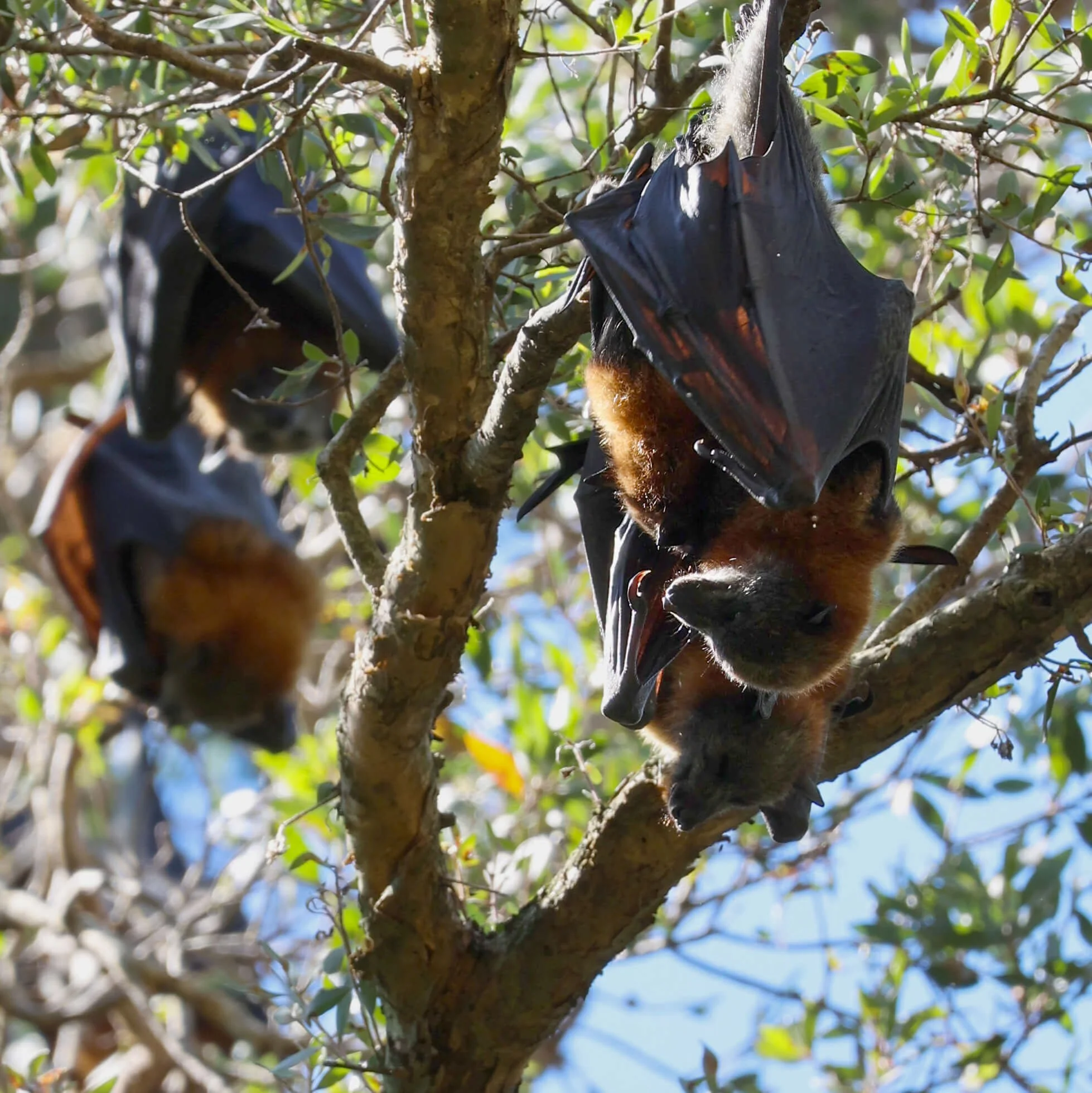
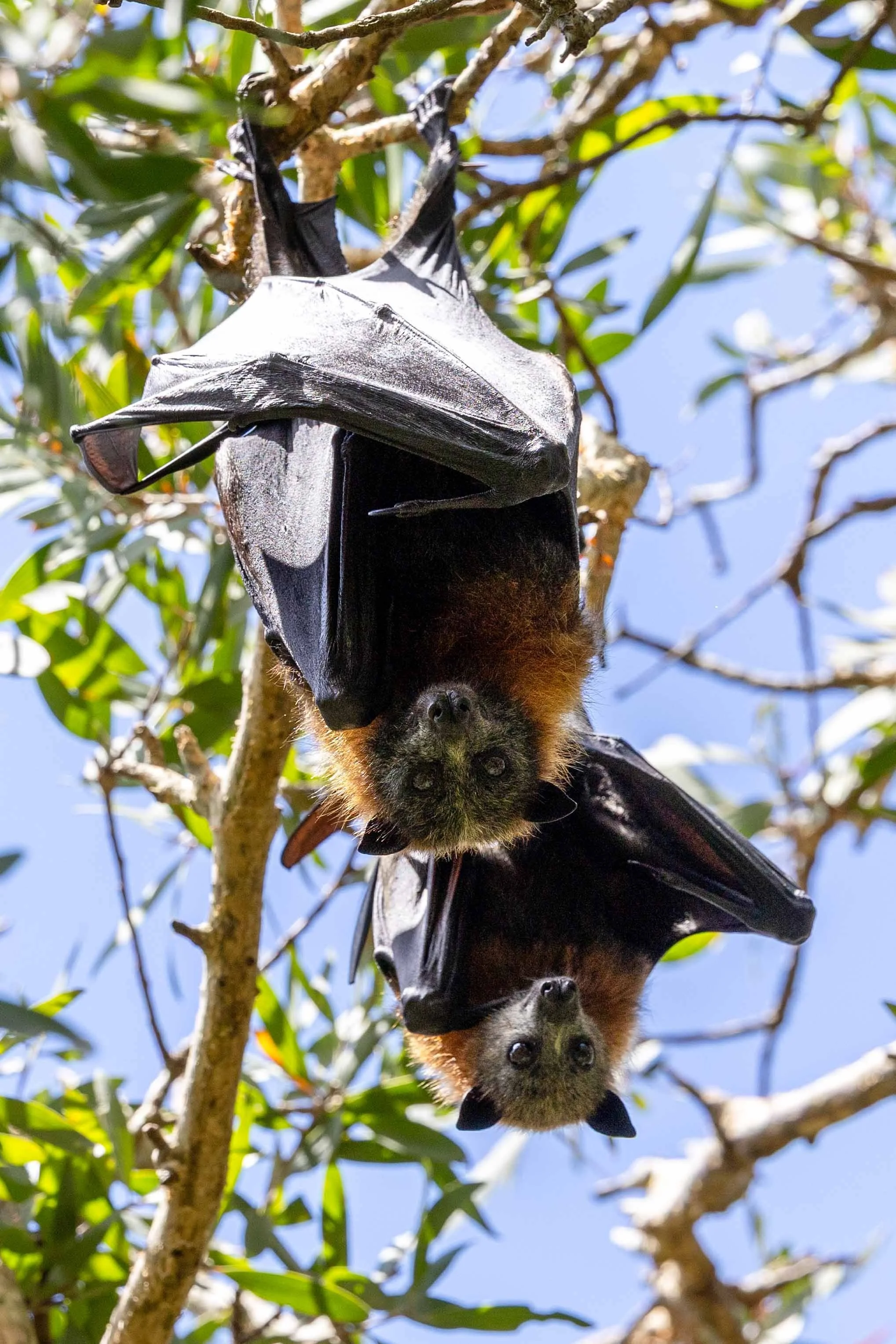
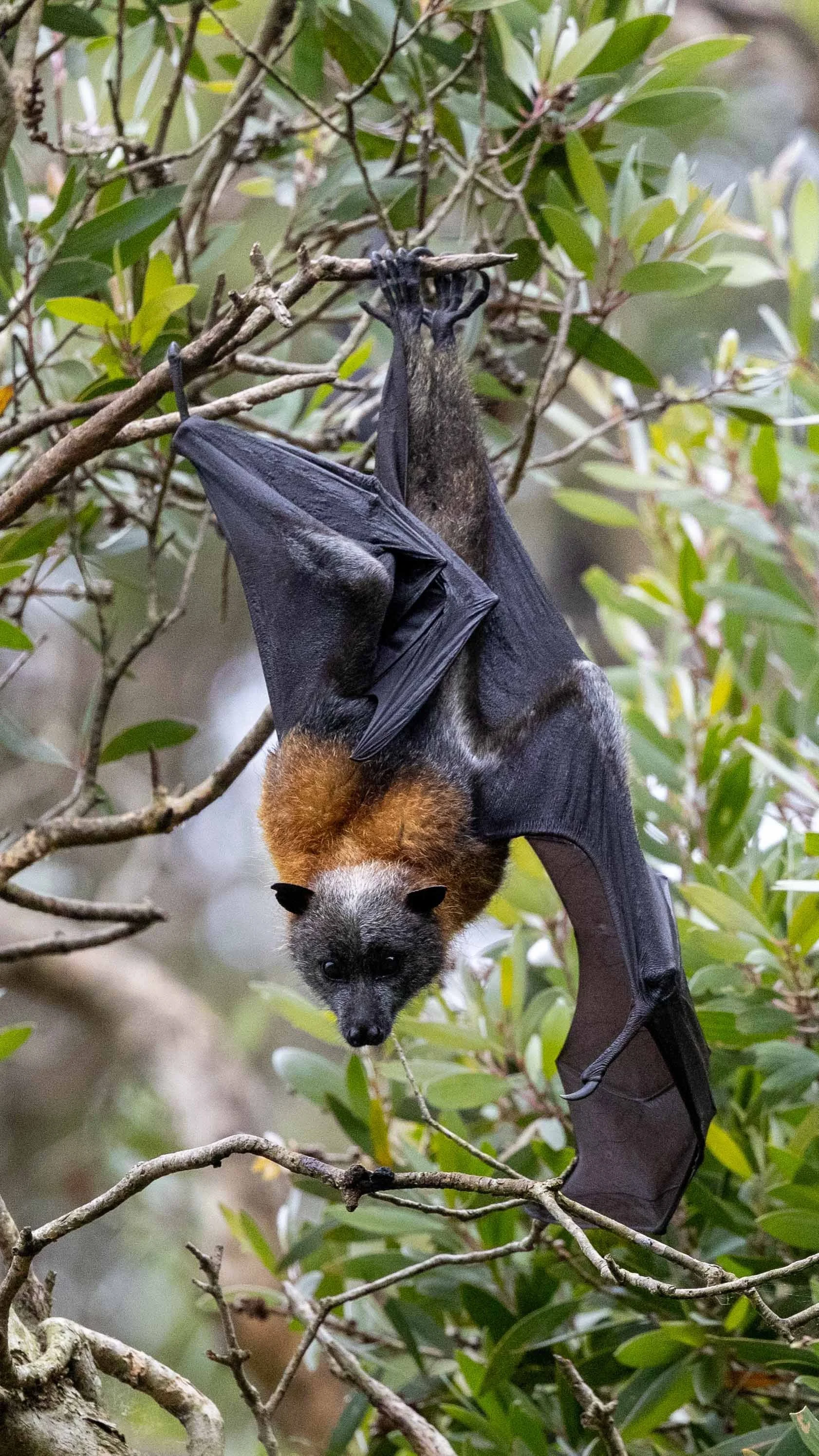
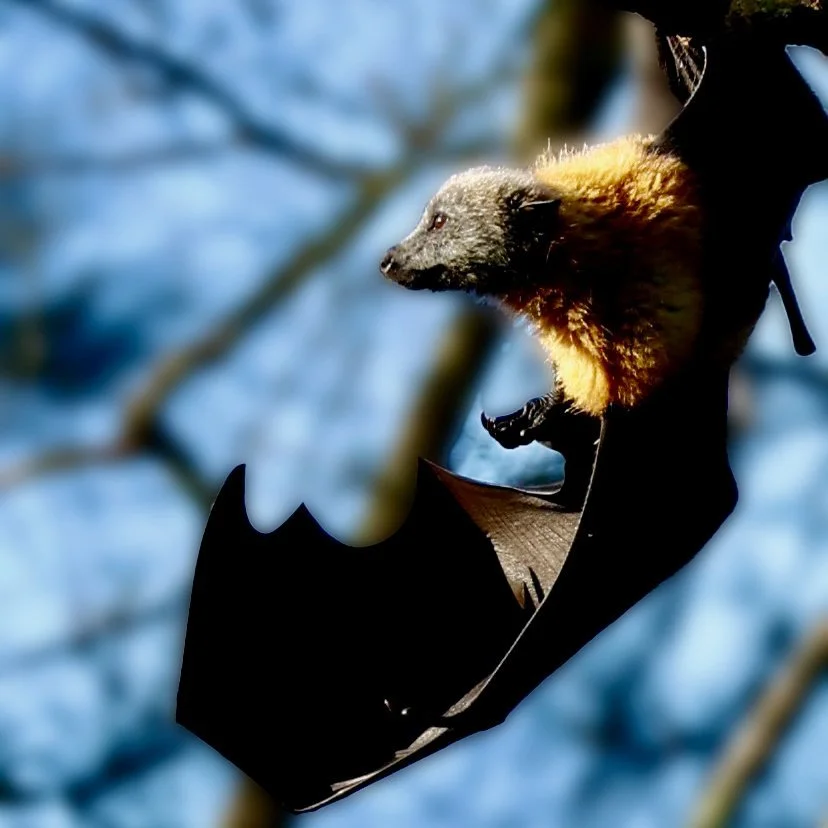
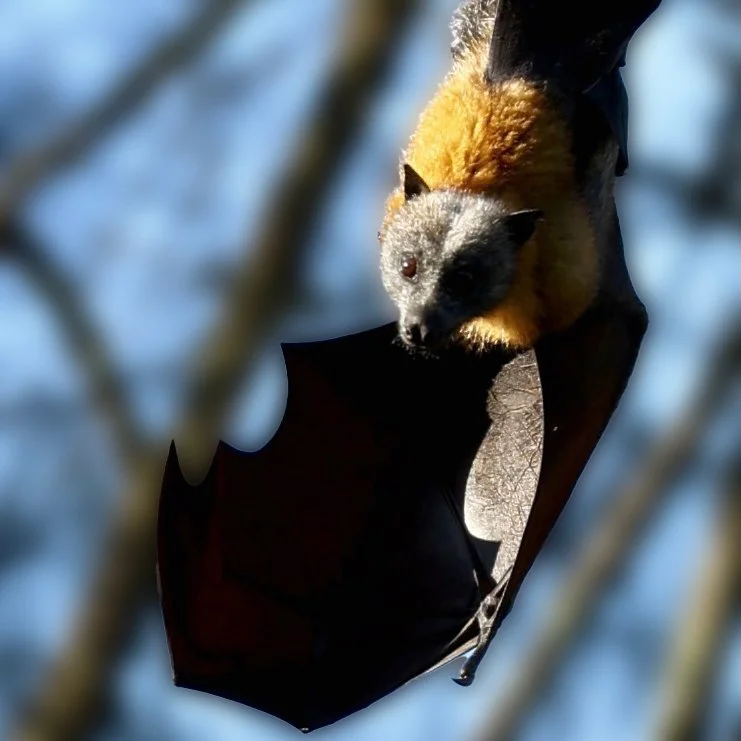
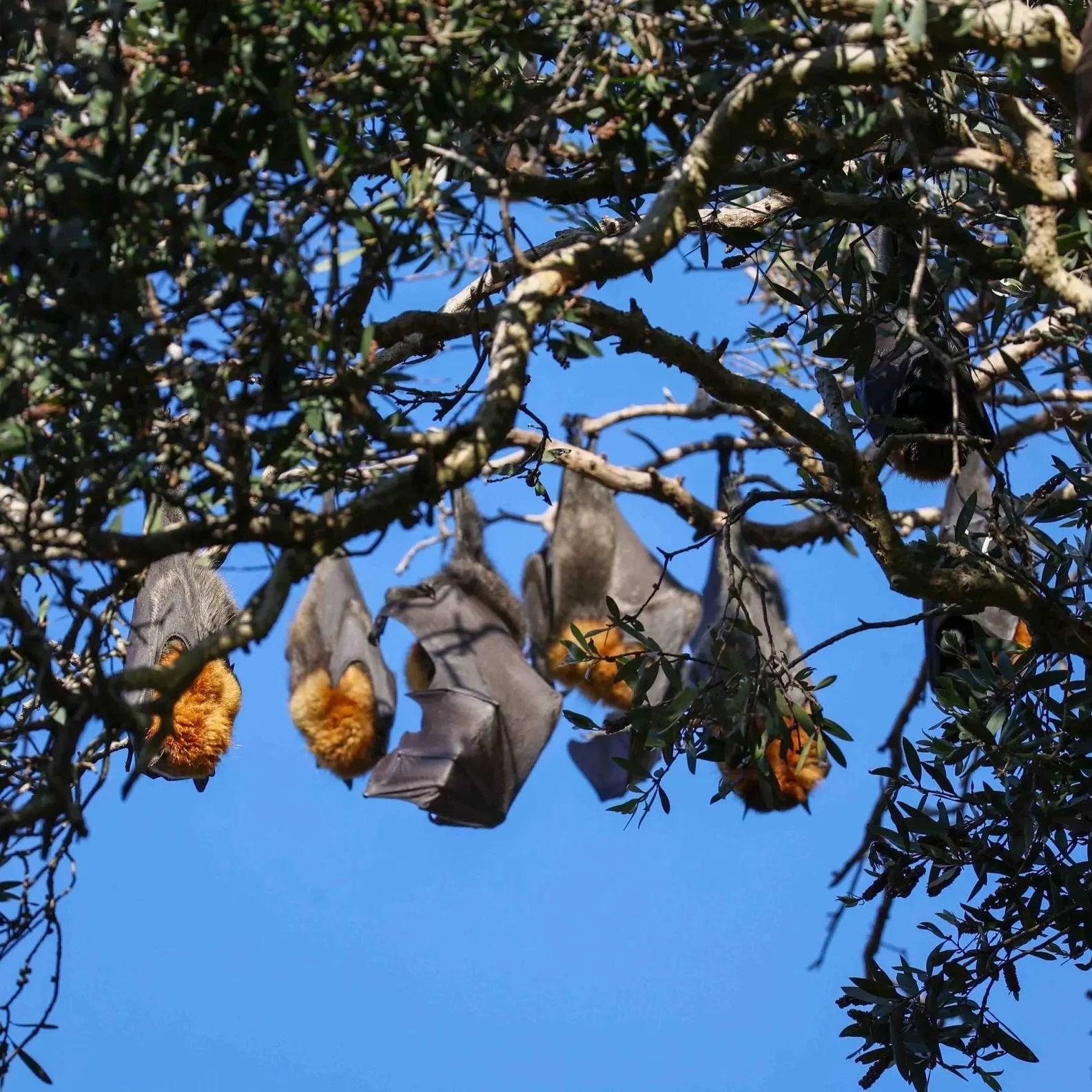
They can be seen hanging from the paperbarks and flying between the trees in broad daylight. The boardwalk through the swamp provides a close-up view.
Grey-headed Flying-foxes are unique to Australia and are currently listed as vulnerable to extinction. Their numbers in the park vary depending on available food sources.
Trees, Flowers & Gardens
Centennial Park is said to be the ‘green lungs’ of Sydney. Might have something to do with the thousands of trees that live there. Most are native but there are many exotic species too.
Find your favourite. Mine are the Paperbarks.
Among the many trees, shrubs and grasses in the park are flowering natives like Coastal Banksia, Kangaroo Paw and Willow Myrtle.
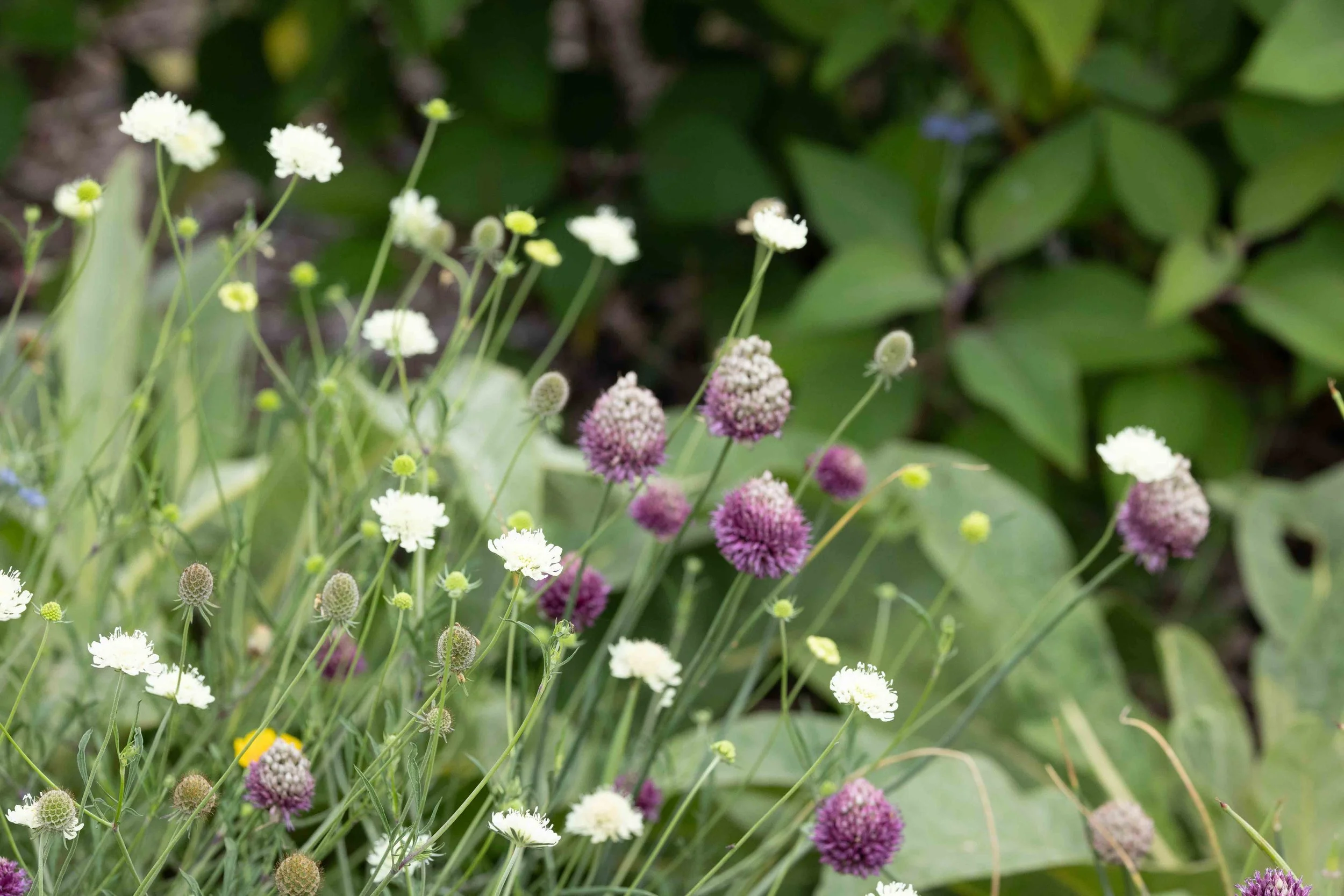
In the Rose Garden, Frog Hollow and Column Garden you’ll find more formal flower displays, especially colourful in springtime.
Trail Tips
The main loop is flat and easy to follow but can busy with walkers, runners, cyclists and dogs, particularly on weekends.
Allow extra time if you want to wander through the park rather than simply complete the loop.
Some areas can become wet and muddy after heavy rain.
There are toilets, water and cafés at various points around the park and a great children’s wild play garden at the southern end of the park. (See the park’s detailed maps for more.)
Early morning and late afternoon are extra special here. Mist hangs over the ponds and the light through the trees can be magical.