Malabar Headland Walk
Boora Point and the Western Escarpment
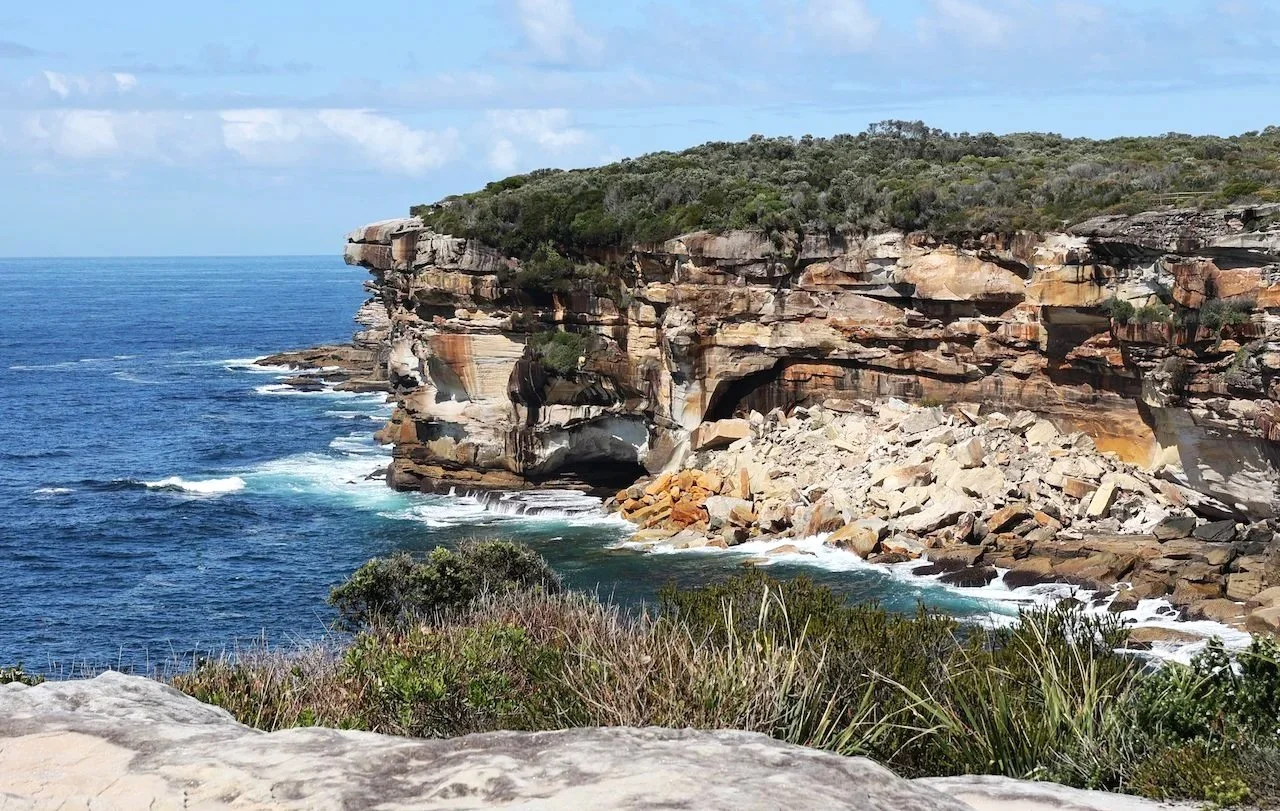
Wow! This is a spectacular walk and easily one of my favourites. It combines the jaw-dropping ocean views of the Boora Point Track with the more subtle bushland beauty of the Western Escarpment Track. And it’s not as busy as some of the other coastal walks in the area.
The Malabar Headland Walk winds through coastal heath, along exposed sandstone cliffs, and back through the more sheltered bushland of the Western Escarpment Track. It’s a varied and rewarding walk, with big views, wildlife sightings and traces of military history along the way.
-
This walk explores clifftops and national parkland via the Boora Point and Western Escarpment tracks
Distance 7 km Time 2 hours
Steps 10000
Level of Difficulty Easy/Moderate -
Stunning coastal views from the many headland lookouts.
Malabar and Maroubra beaches make great swim stops, with Malabar’s more sheltered bay a calmer alternative to Maroubra’s open surf.
Arthur Byrne Reserve is another great spot for a picnic and up near the beach is a fenced-in playground, toilets, and a skate park as well as a couple of cafes.
Head down Marine Parade for more dining options.
-
The walk can be started from several points around Maroubra and Malabar. Street parking is available near the start of the trail, and buses service both suburbs. The route forms a loop, making it easy to finish where you started.
There is very little shade along the coastal sections, so sun protection is essential.
Strong winds are common on the headland — a light jacket can be useful.
The track is exposed in places; keep an eye on children near cliff edges.
Dogs are not permitted
Before you start…
Before setting out, it’s worth knowing that part of the Malabar Headland is shared with the ANZAC Rifle Range, located in the centre of the headland. To safeguard walkers, the eastern section is closed when the range is in use — including every Saturday, every 1st, 3rd and 5th Sunday of the month, and other times as advertised.
The Western Escarpment Track remains accessible during these closures, but it’s a good idea to check the National Parks website before heading out.
The path is steep and uneven in places, with steps throughout, making the walk unsuitable for prams and wheelchairs. As this is National Park land, dogs are not permitted.
WALKING THE TRAIL
Arthur Byrne Reserve to Malabar Headland
You can start the walk from several points, but one of the easiest options is Arthur Byrne Reserve. There’s plenty of free parking here and in nearby streets if you arrive early or visit outside peak times. Weekends and hot summer days can be busy.
From the reserve, take the sandy trail down to South Maroubra Beach, then follow the headland at the southern end of the beach to begin the coastal section of the walk.
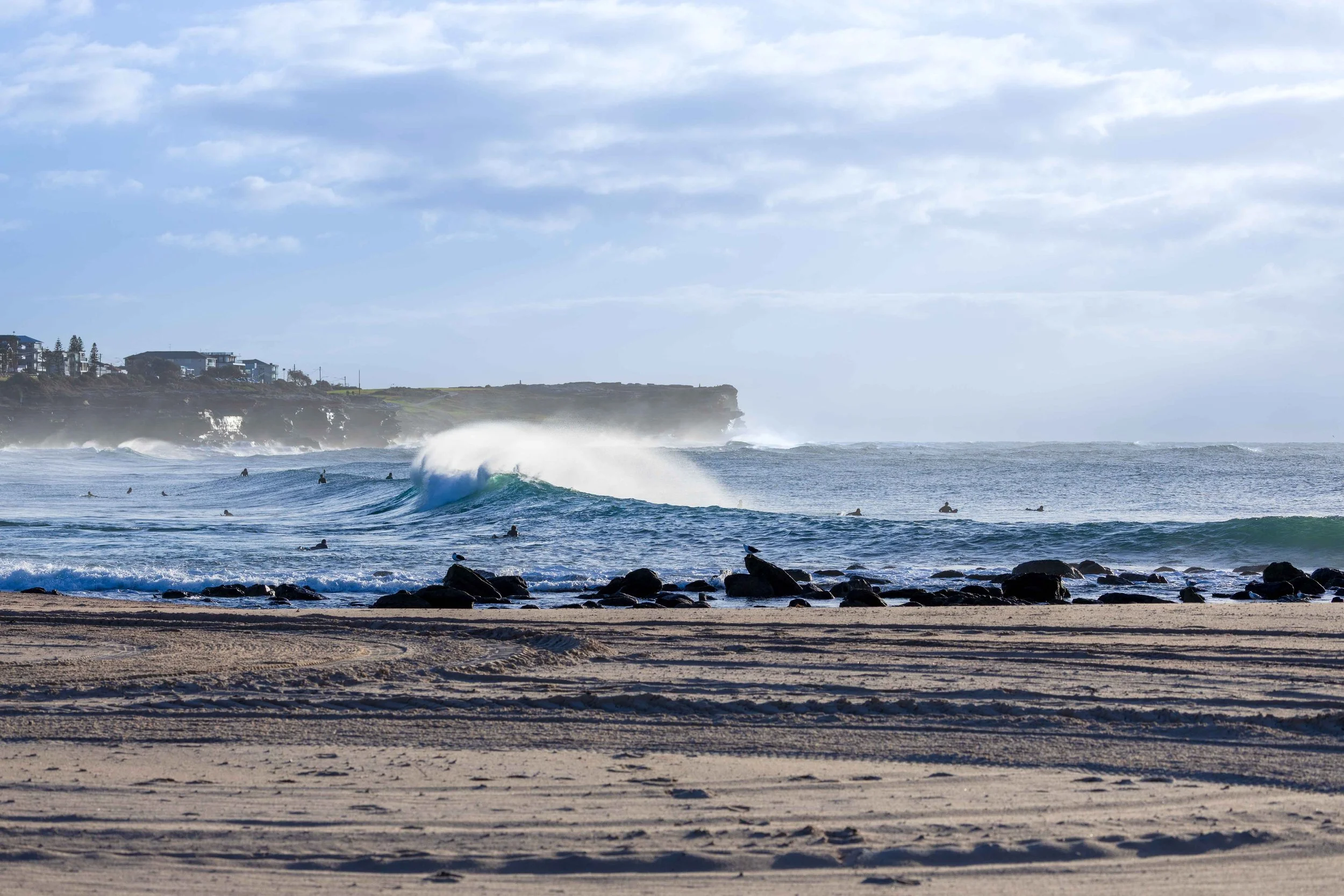
South Maroubra Beach
Boora Point Track to Malabar Beach
The path around the headland is easy to follow, with well-maintained boardwalks and wide walking tracks. This section is quite exposed, so be prepared to heat up quickly, particularly in summer — sunscreen and water are essential.

Along the way you’ll likely see wildflowers in bloom and encounter local birdlife. If you’re lucky, you may spot a Peregrine Falcon or White-bellied Sea Eagle, both of which breed and feed on the dramatic sandstone cliffs.
Between May and July, the headland offers an excellent vantage point for spotting migrating humpback whales as they travel north to breed. You might also see them on their return journey between September and November, though they’re usually further offshore. Dolphins are regularly spotted year-round, and seals can sometimes be seen basking on the rocks below.
WWII History along the headland
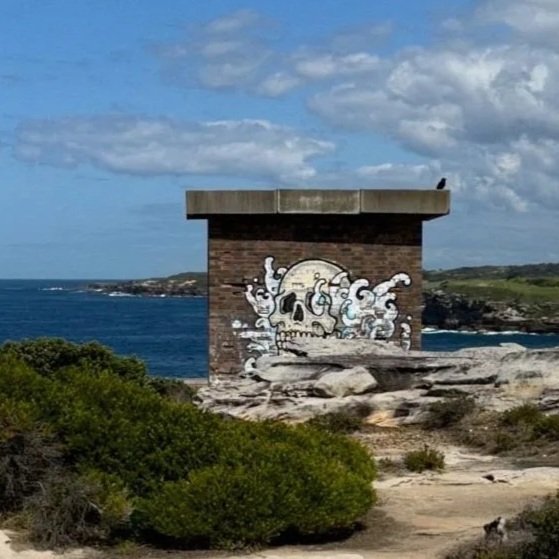
Like many headlands along the coast, Malabar Headland was fortified during World War II. The graffiti-covered concrete structures you’ll see as you round the point — or wander briefly onto the Artillery Track side path — once served as gun emplacements and observation posts for the Malabar Battery.
Tunnels and old service tracks remain among the buildings, though much of the area is dilapidated and fenced off for safety. Some of these structures are also home to Eastern bent-wing bats, a protected species that should not be disturbed.

Malabar Beach to Western Escarpment Track
The Boora Point Track ends near Malabar Beach, where you briefly leave the National Park before re-entering it via the Western Escarpment Track.
Malabar Beach is small and sheltered, making it a good place to stop for a swim, a toilet break or some time at the playground if you’re walking with kids.
From the playground, walk through Cromwell Park or along Dacre Street until you reach Pioneers Park, where signage marks the start of the Western Escarpment Track.
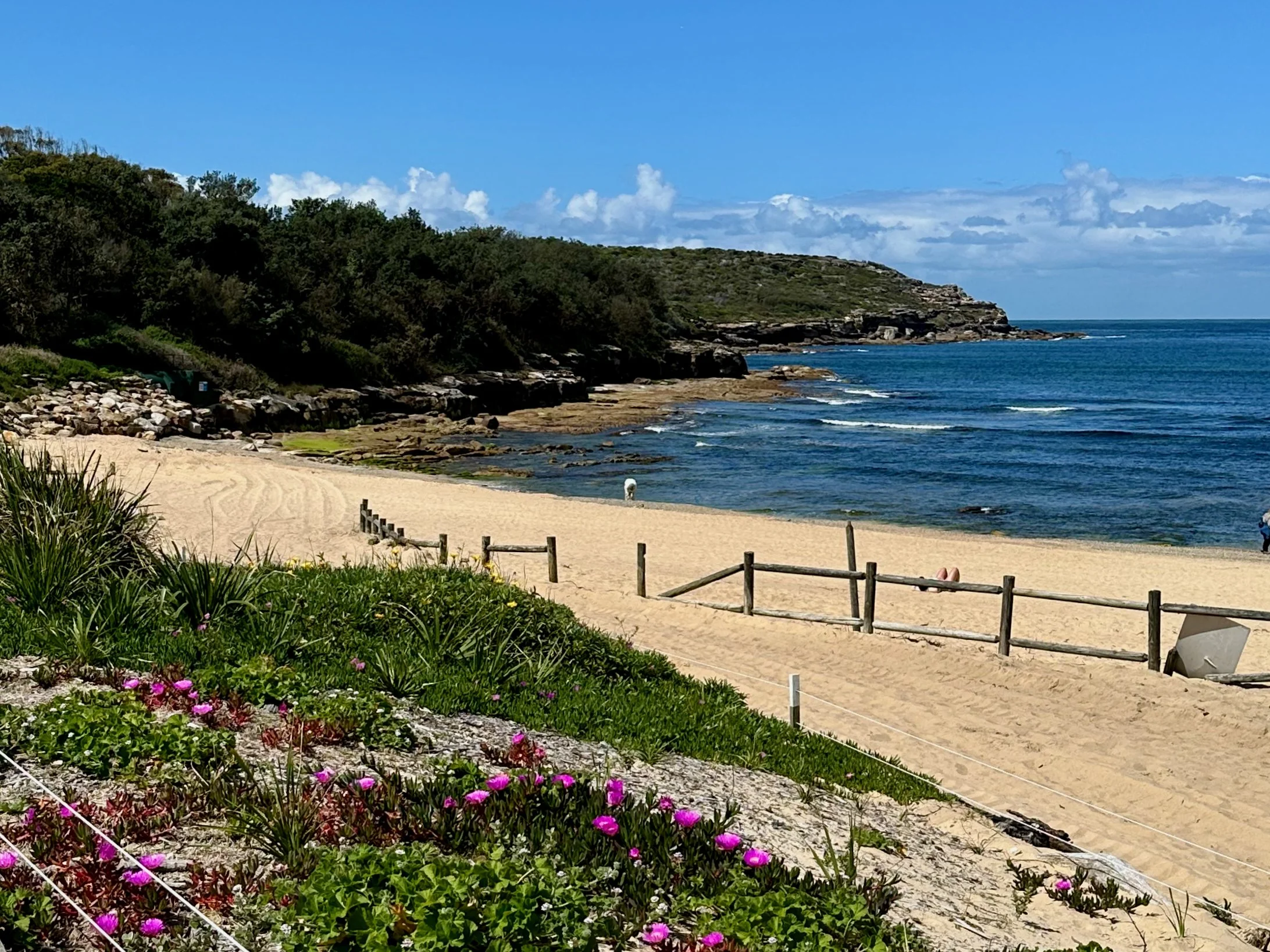
Malabar Beach
Western Escarpment Track to Arthur Byrne Reserve
This last part of the loop is less dramatic than the clifftop section, but still quietly beautiful — especially when wildflowers are in bloom, attracting bees and birdlife.
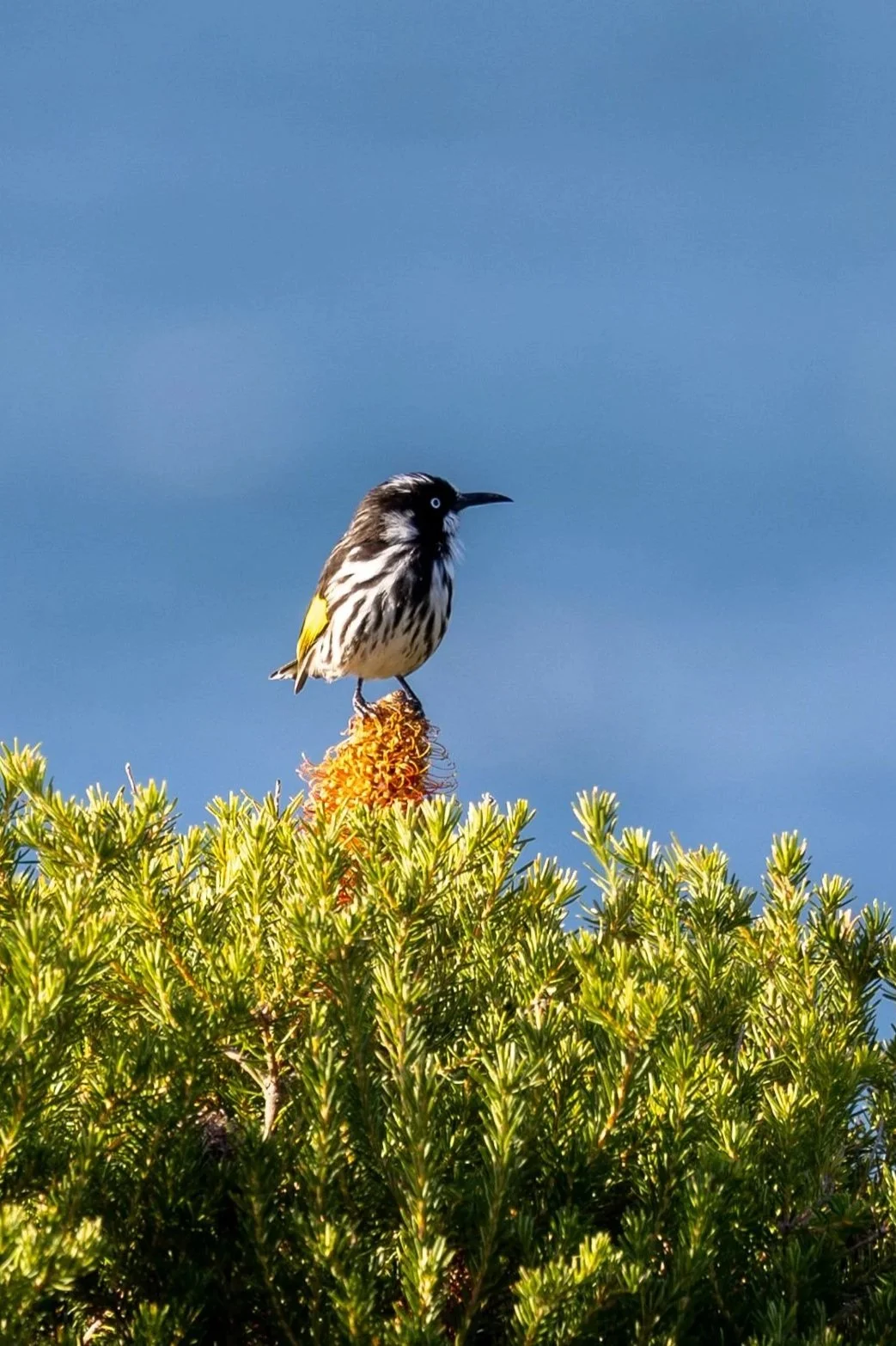
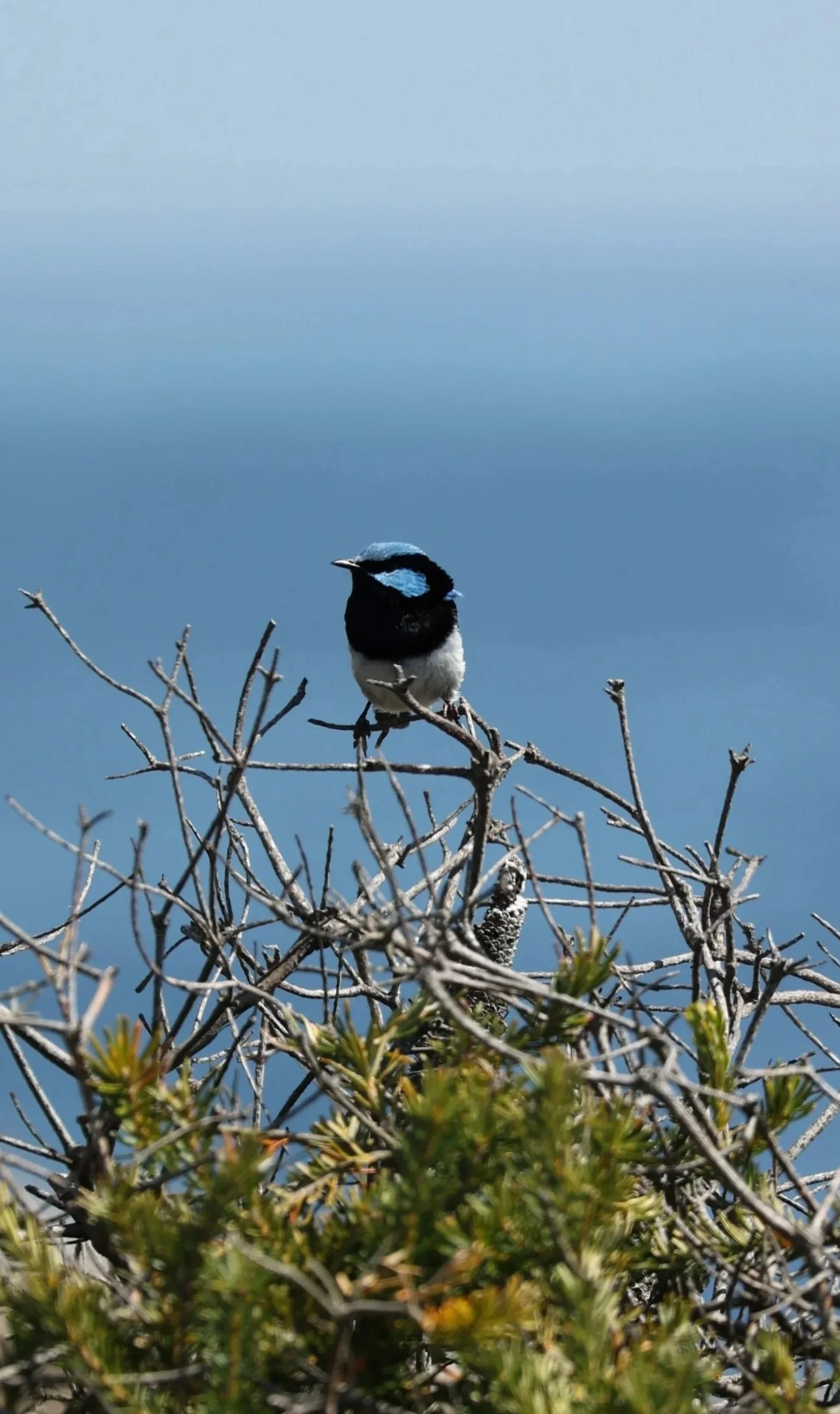
The Western Escarpment Track winds through native heath and is more sheltered than the exposed coastal path, with sweeping views across the rifle range and back toward the coast.
The track ends at a steep stairway leading down to Arthur Byrne Reserve, completing the loop.

Looking over the rifle range from the Western Escarpment Track
Final Thoughts
The Malabar Headland Walk offers a lovely balance of dramatic coastal scenery, wildlife and natural bushland just a short distance from the city. It’s also one of the best places around Sydney to see and photograph birds — from sea eagles and falcons above the cliffs to smaller shore and bush species along the track. Whether you’re watching whales on the horizon or lingering at Malabar Beach, it’s a walk that invites you to slow down and appreciate Sydney’s shoreline at its best.
If you want to explore this beautiful coastline further, the Maroubra to Coogee walk sets off from the same place and is an easy mostly level walk that can be completed in under an hour.

LAST UPDATE JANUARY 2026