5 Places to See Bats in Sydney
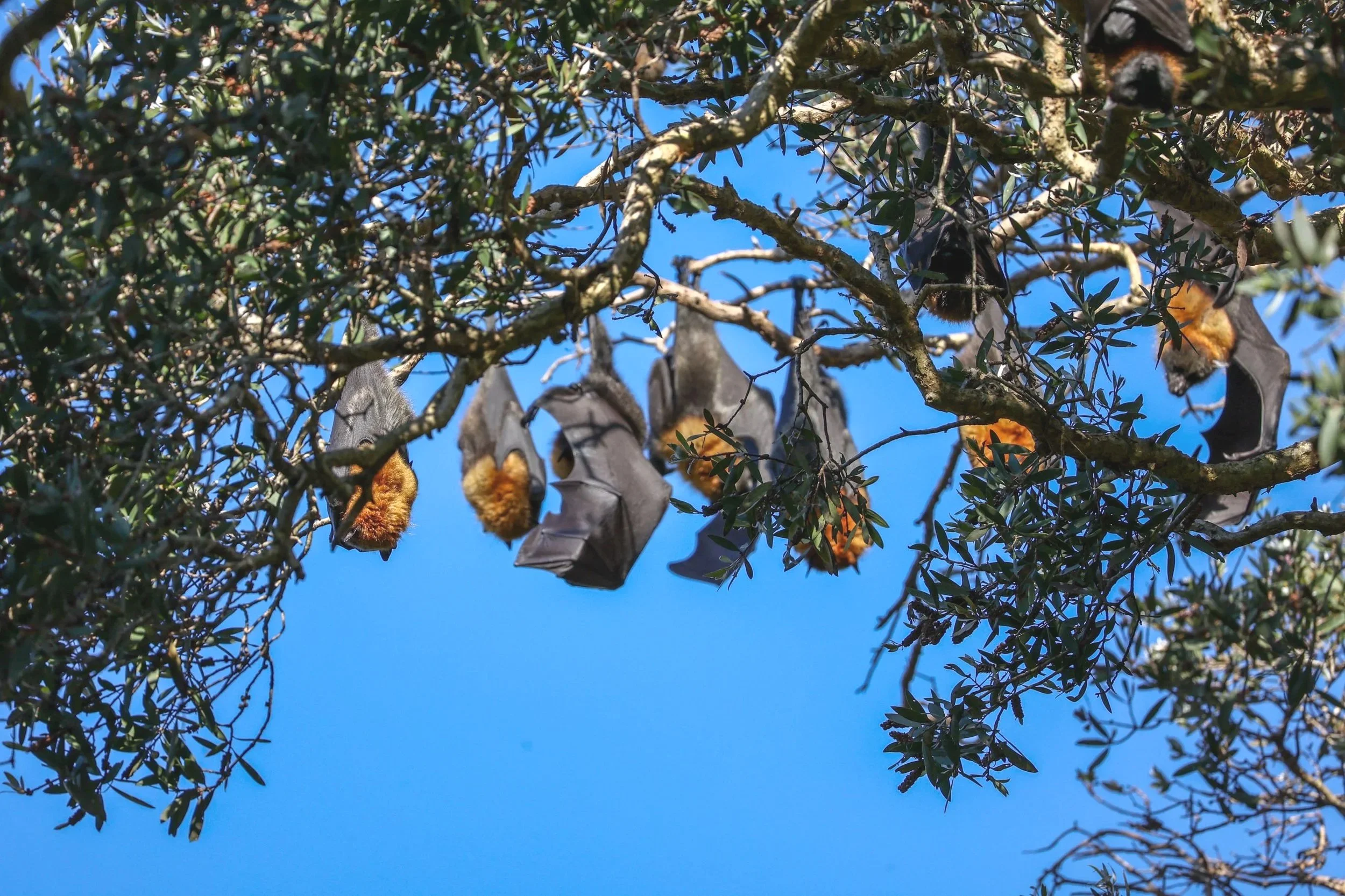
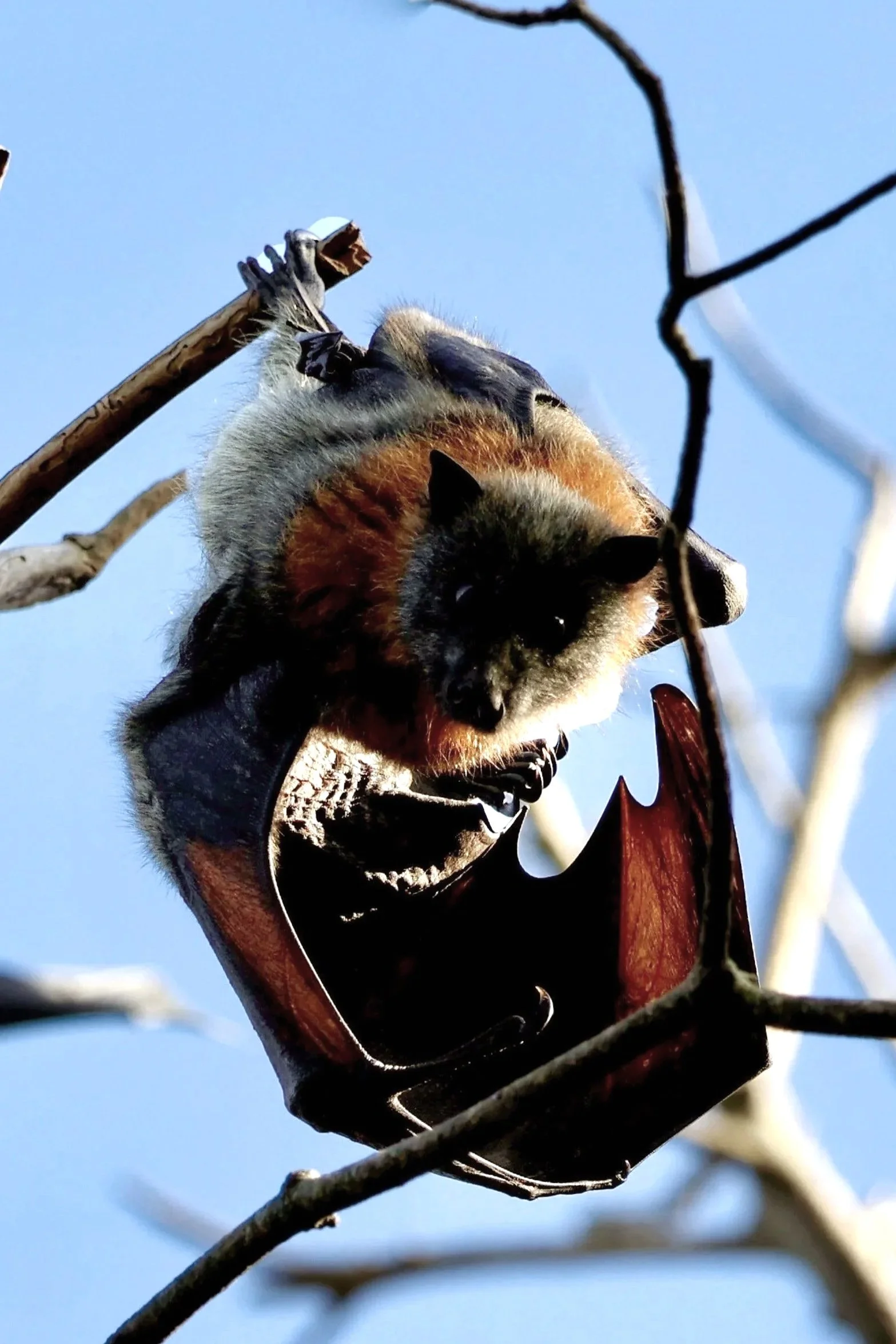
Some people love them and others loathe them. I sit somewhere in between. I think bats, or flying-foxes to give them their proper name, are very cute, and I enjoy watching them scratch and squabble and nestle their young, but I wouldn’t want to have one one land on my head.
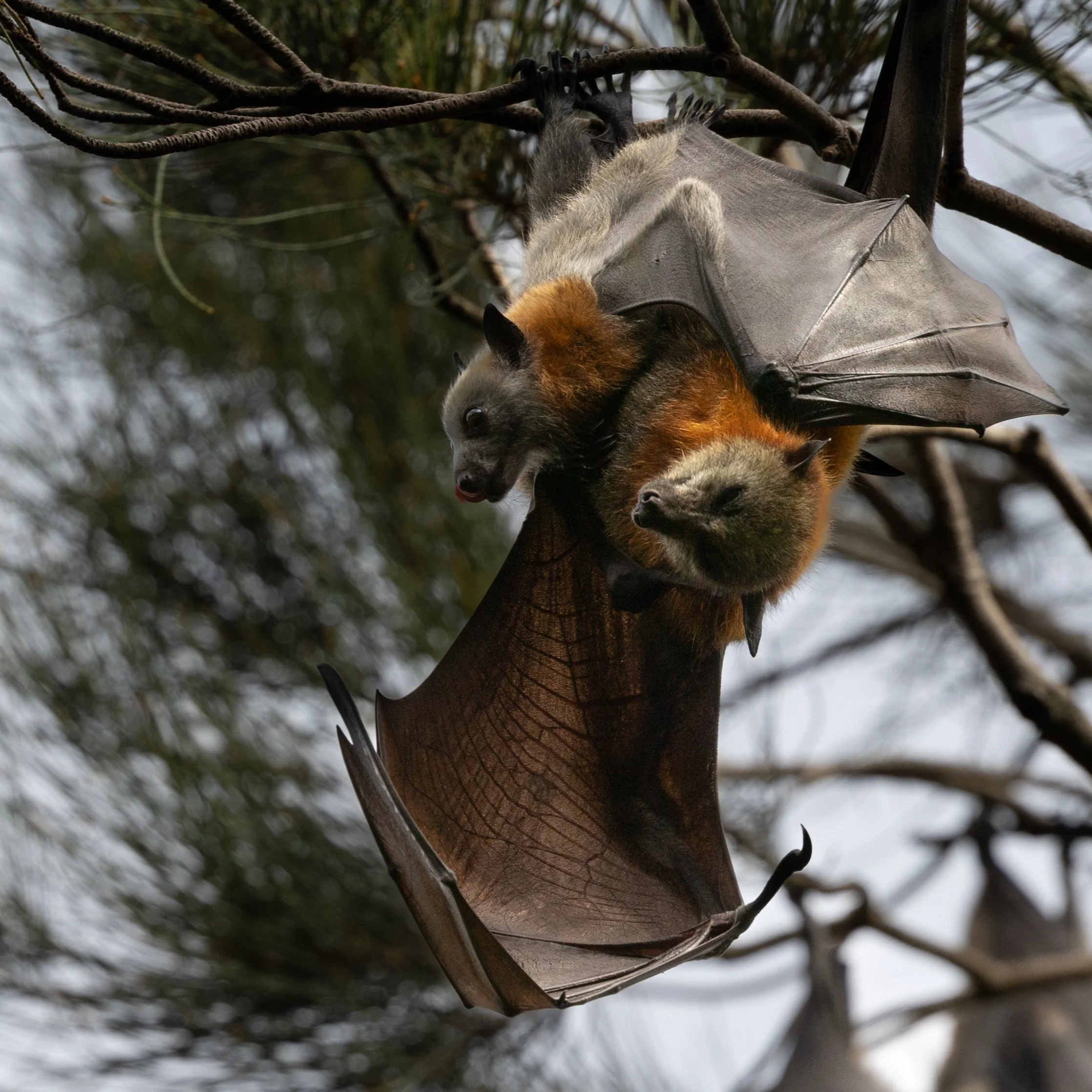
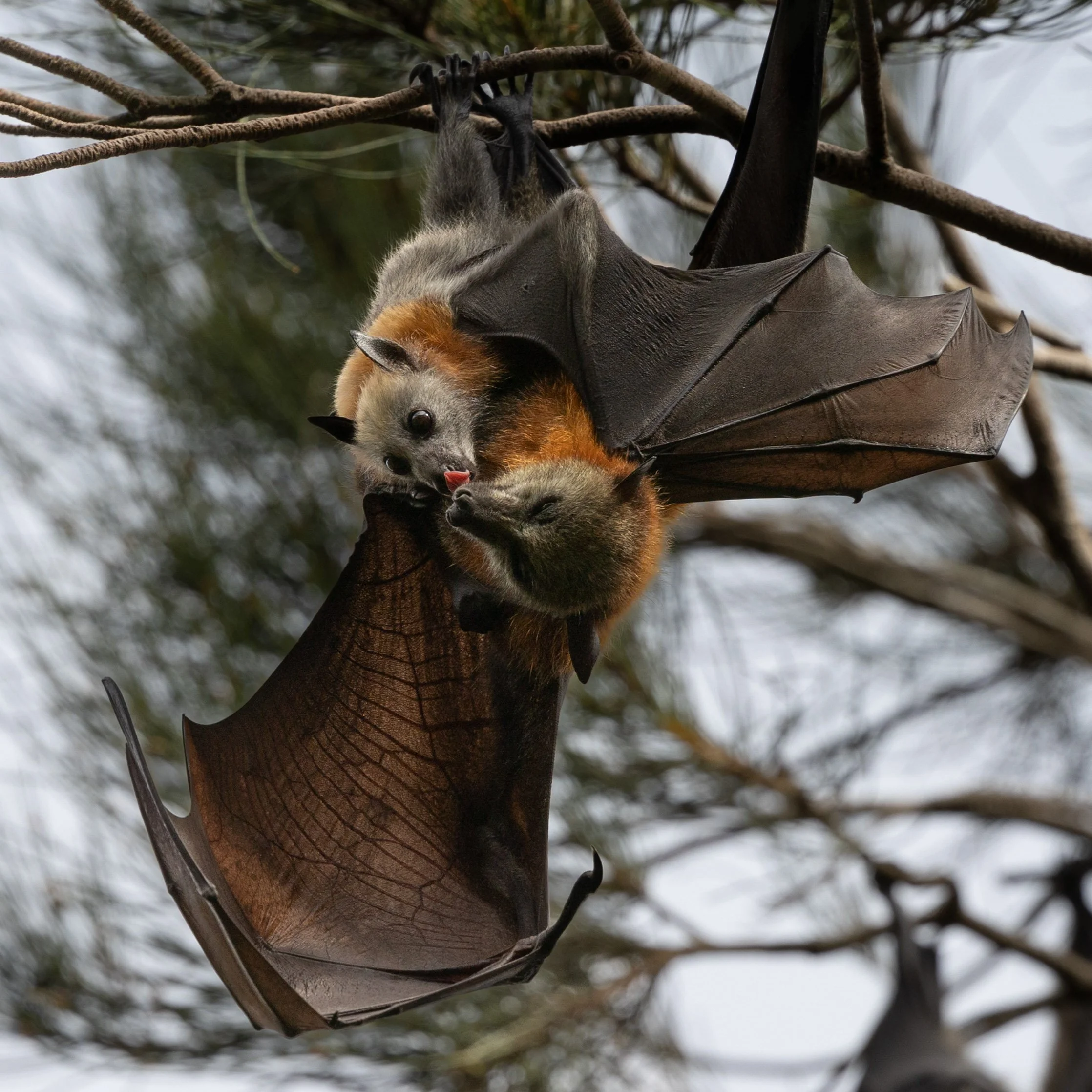
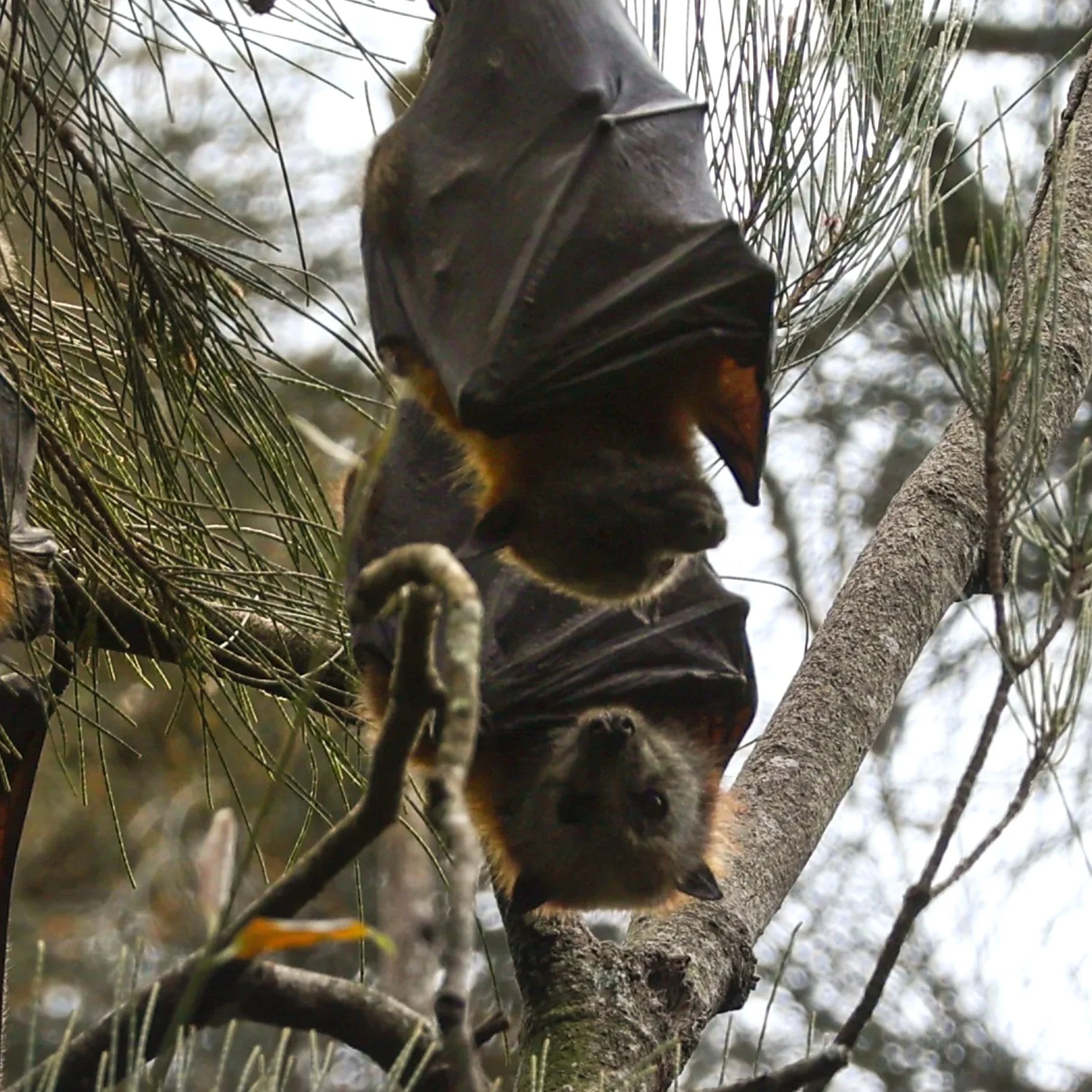
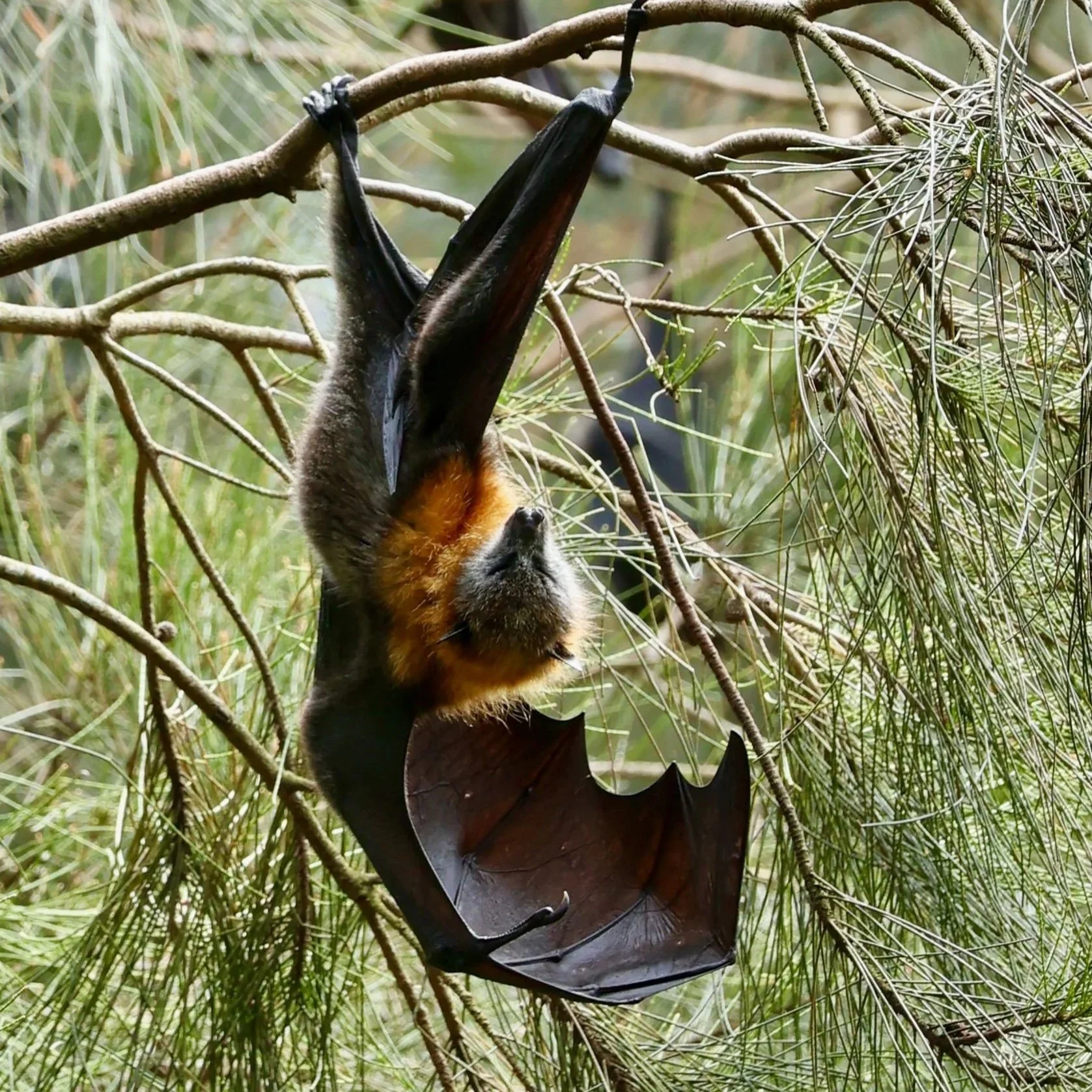
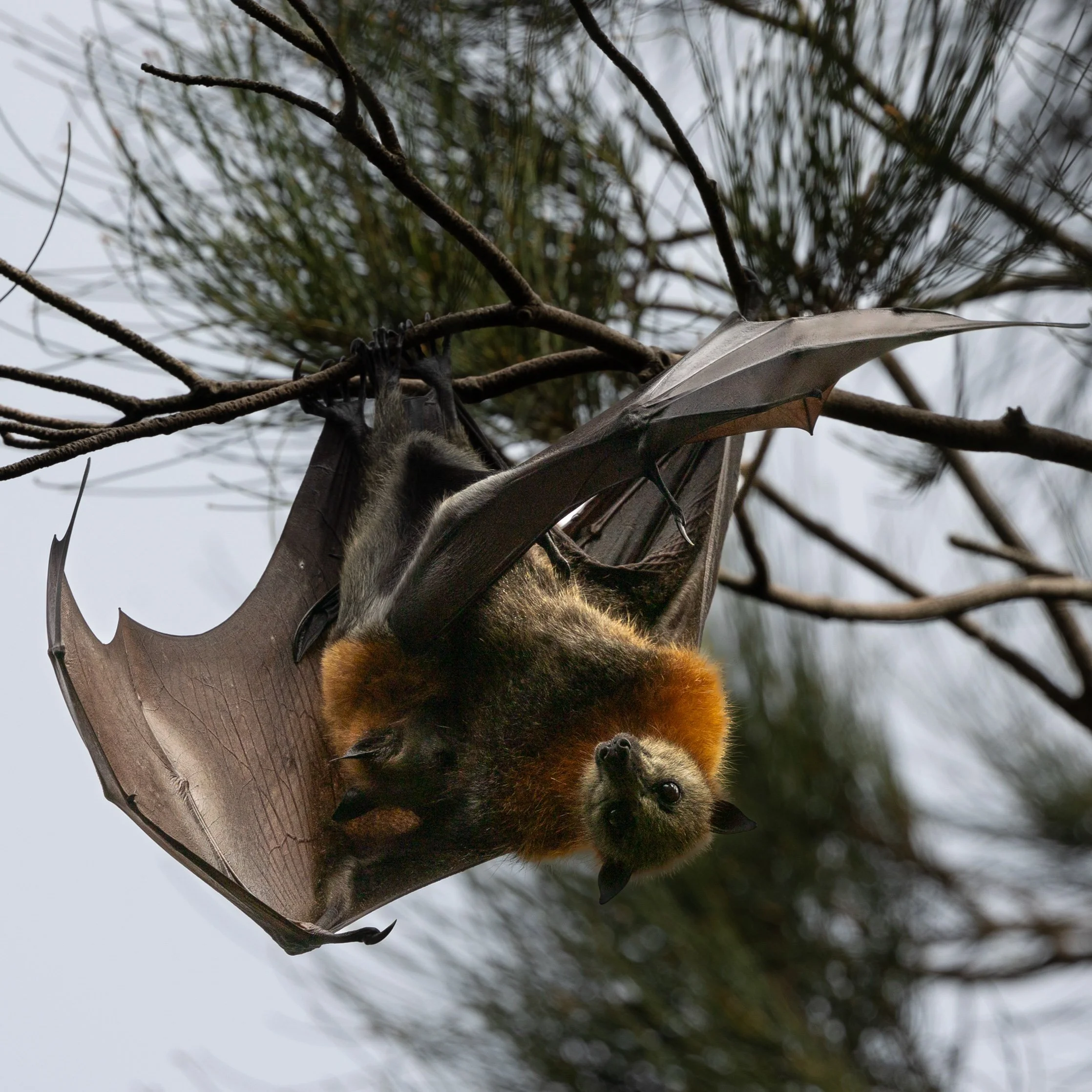
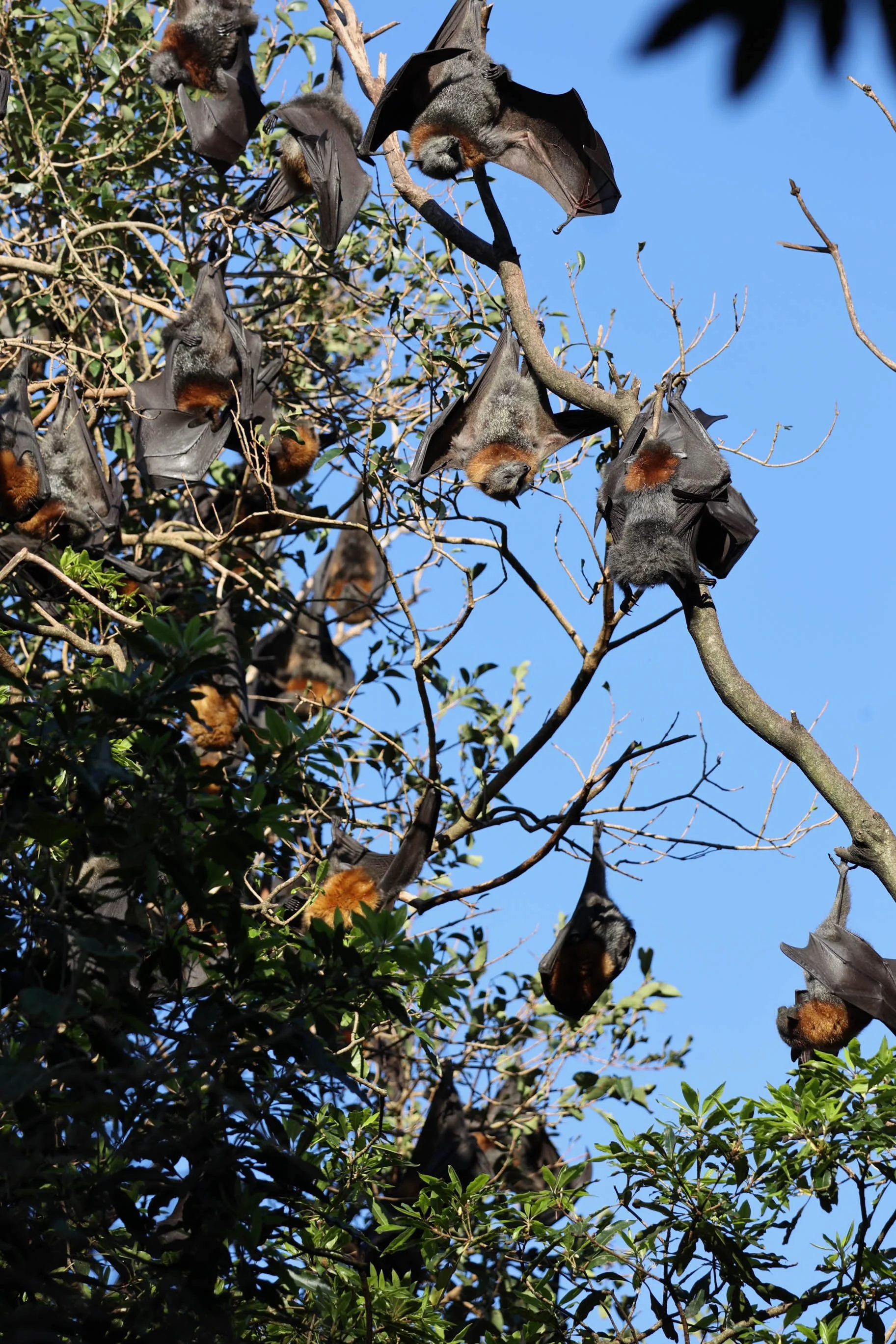
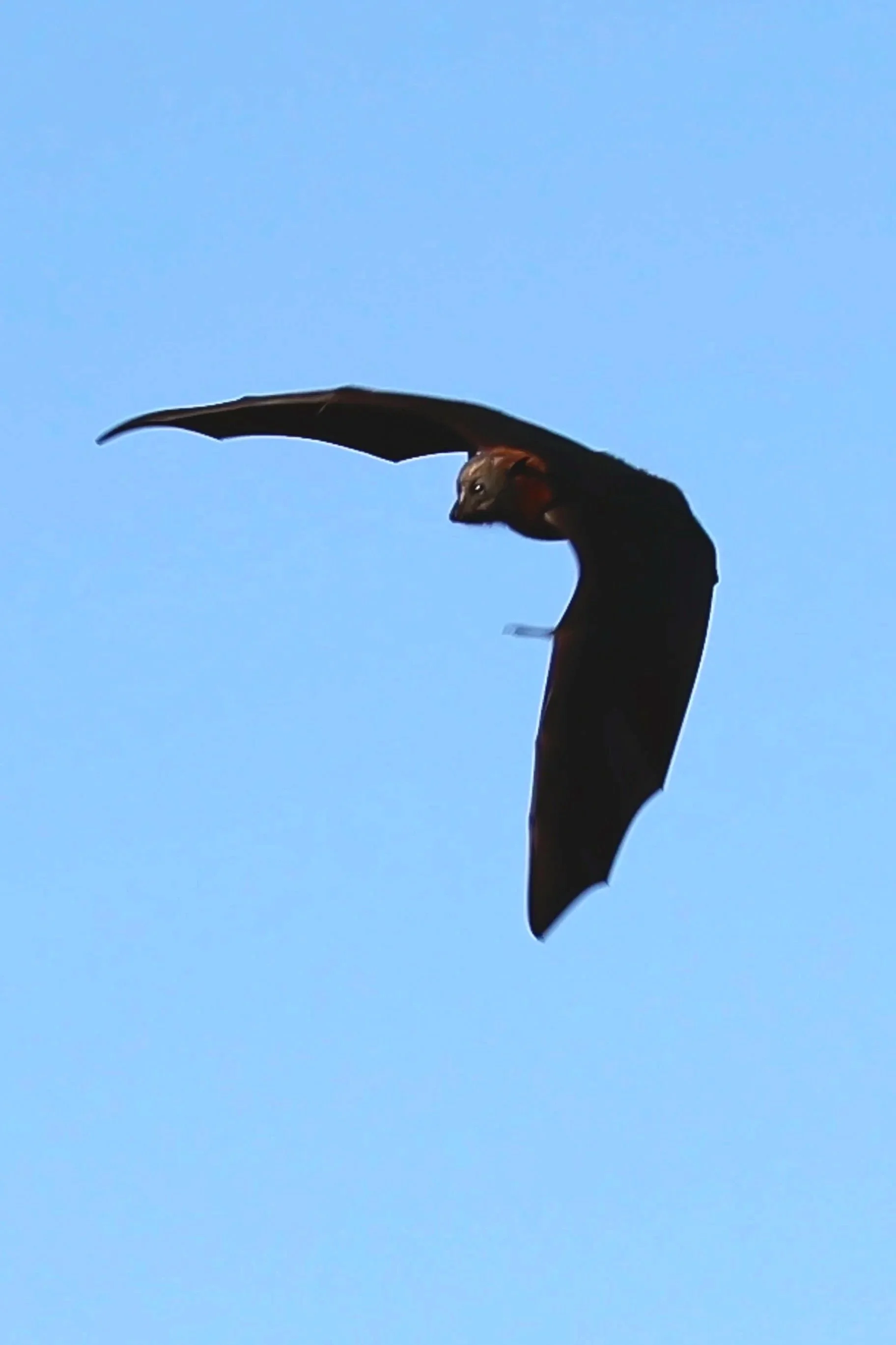
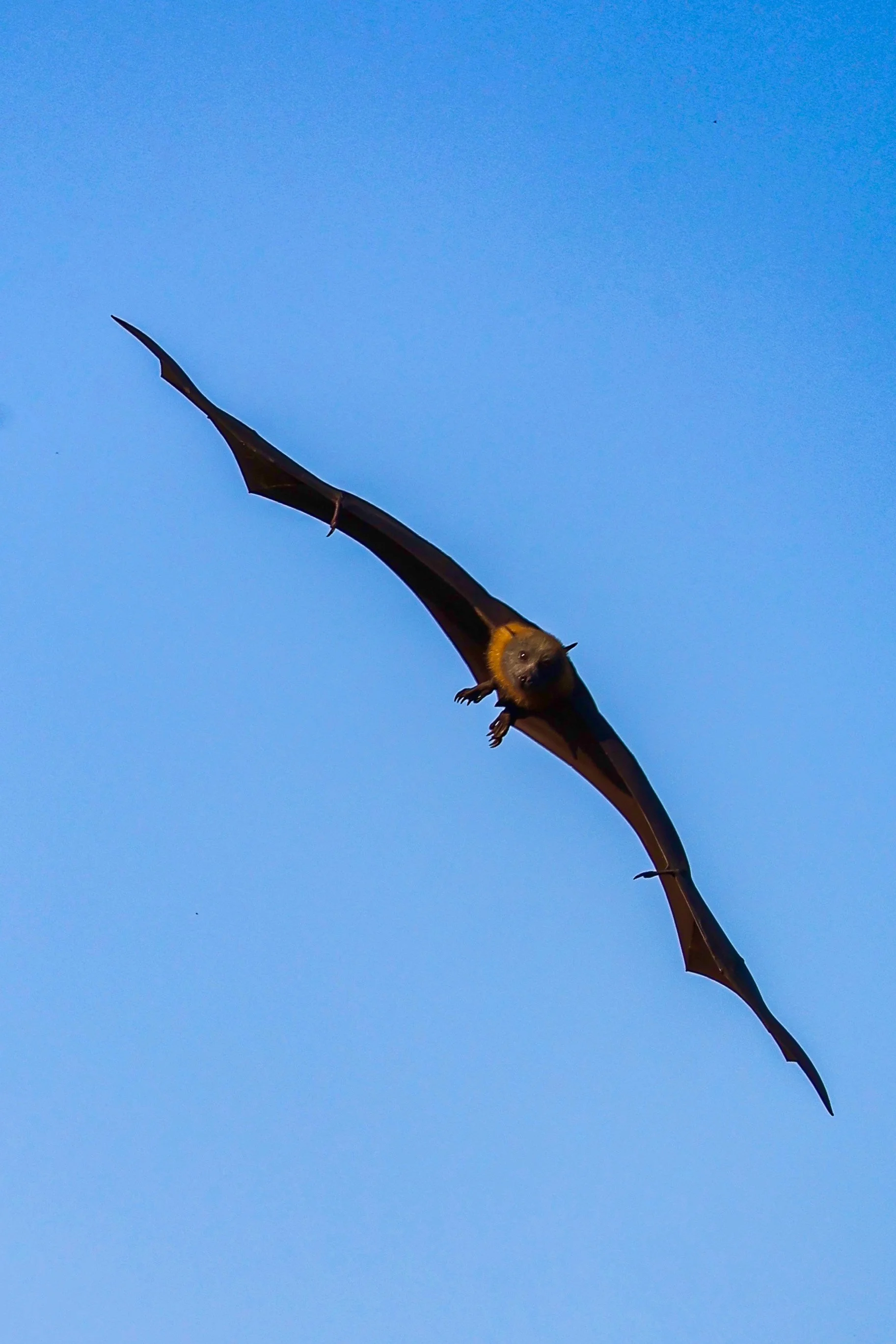
Sydney is home to three species of flying-fox: Grey-headed Flying-foxes (most common, though endangered*), Black Flying-foxes and Little Red Flying-foxes. While you might spot them flying overhead at dusk almost anywhere in the city, some locations offer a much better chance of seeing them up close.
Here are five places where I've seen flying-foxes in Sydney. Please feel free to add your own favourites in the comments below.
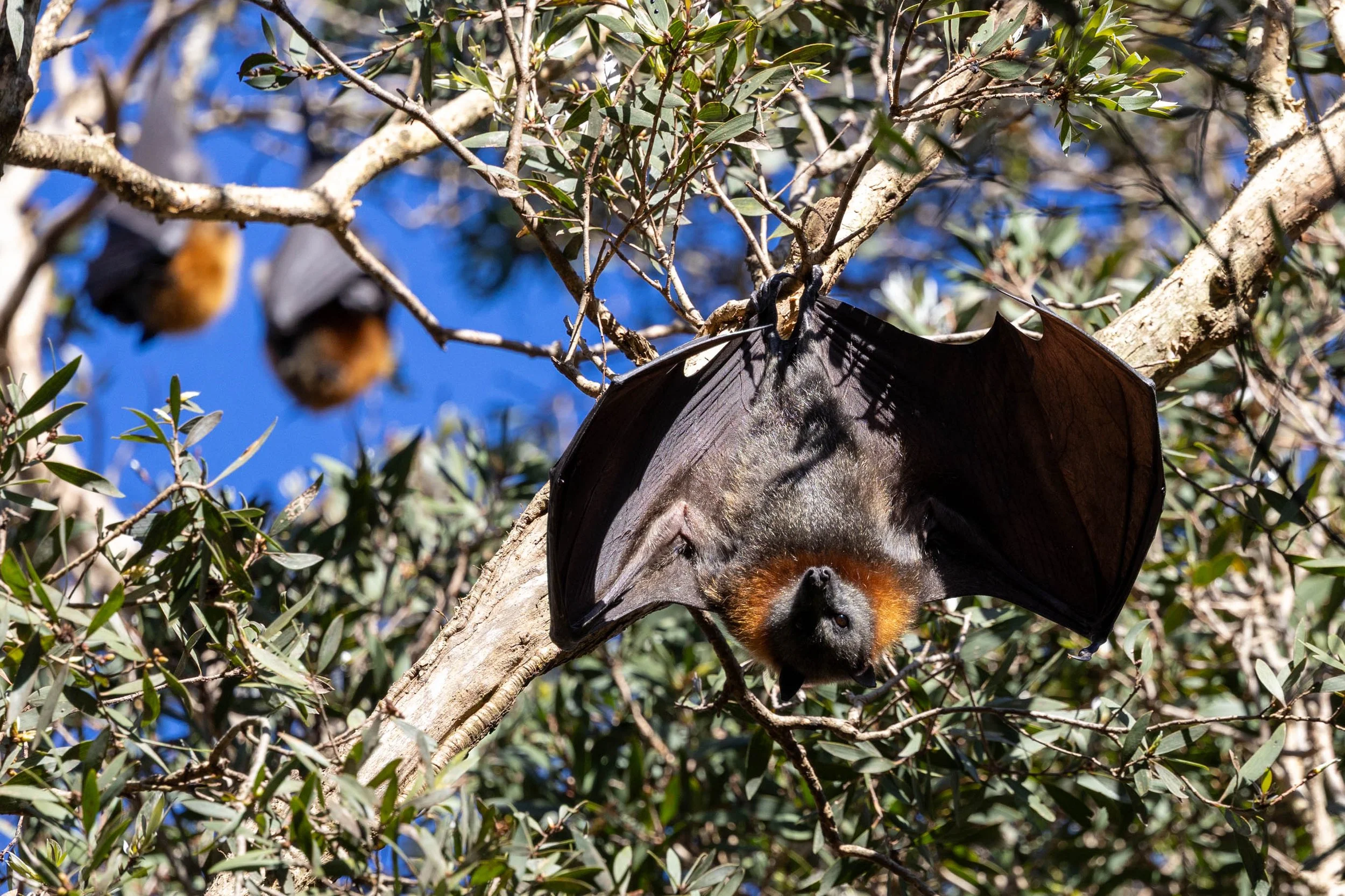
Centennial Park
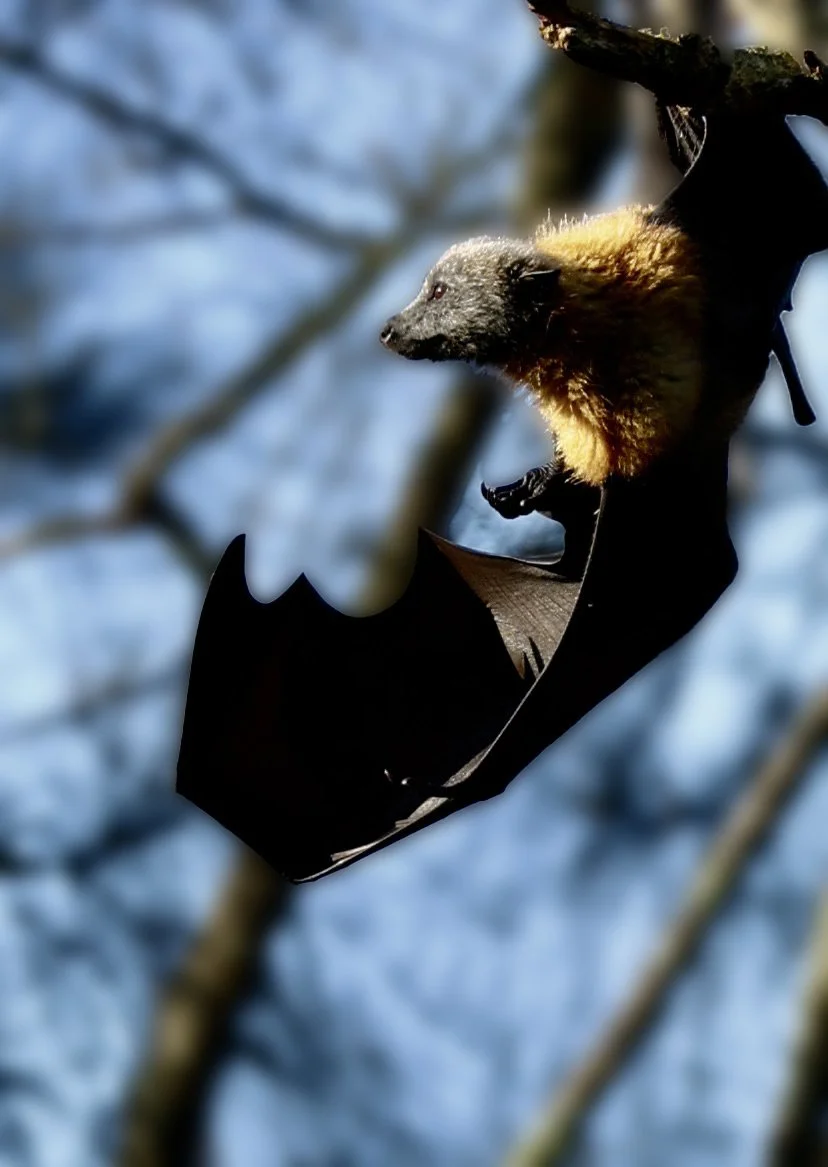
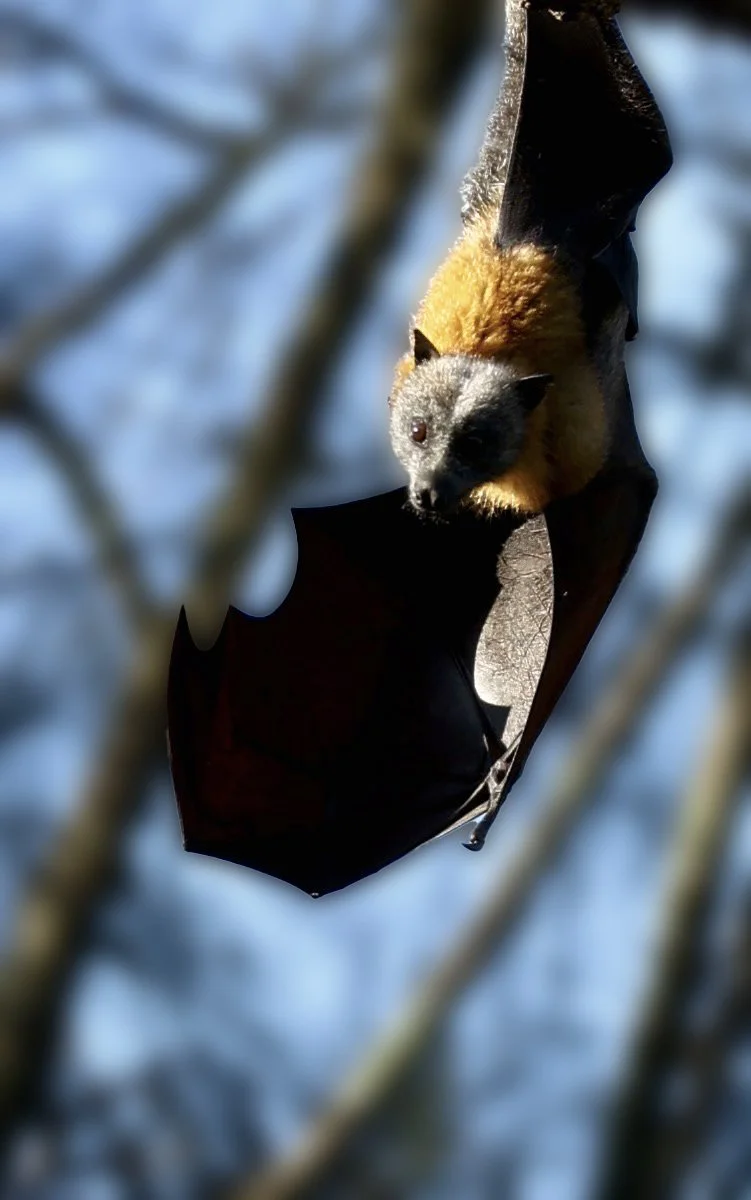
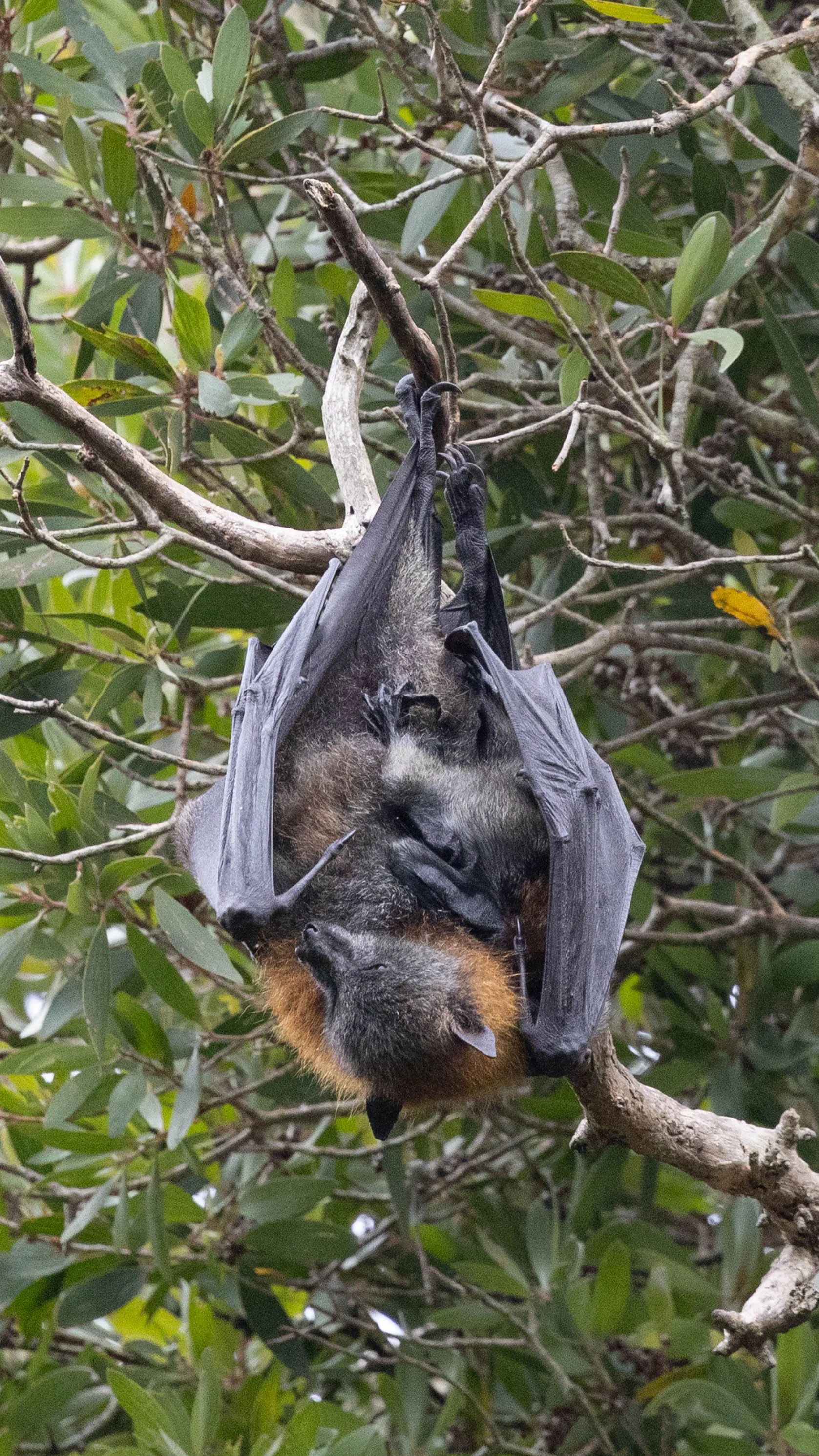
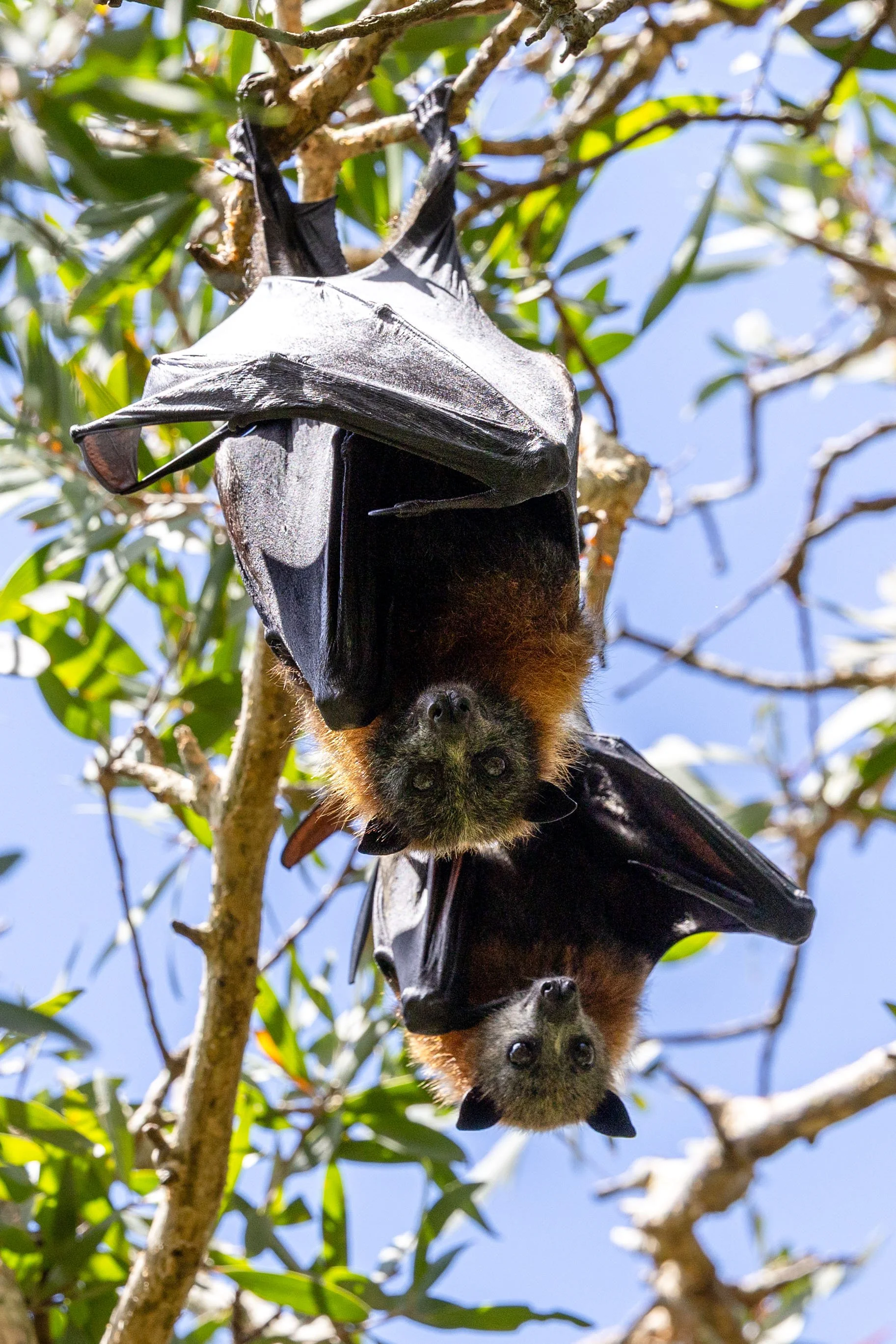
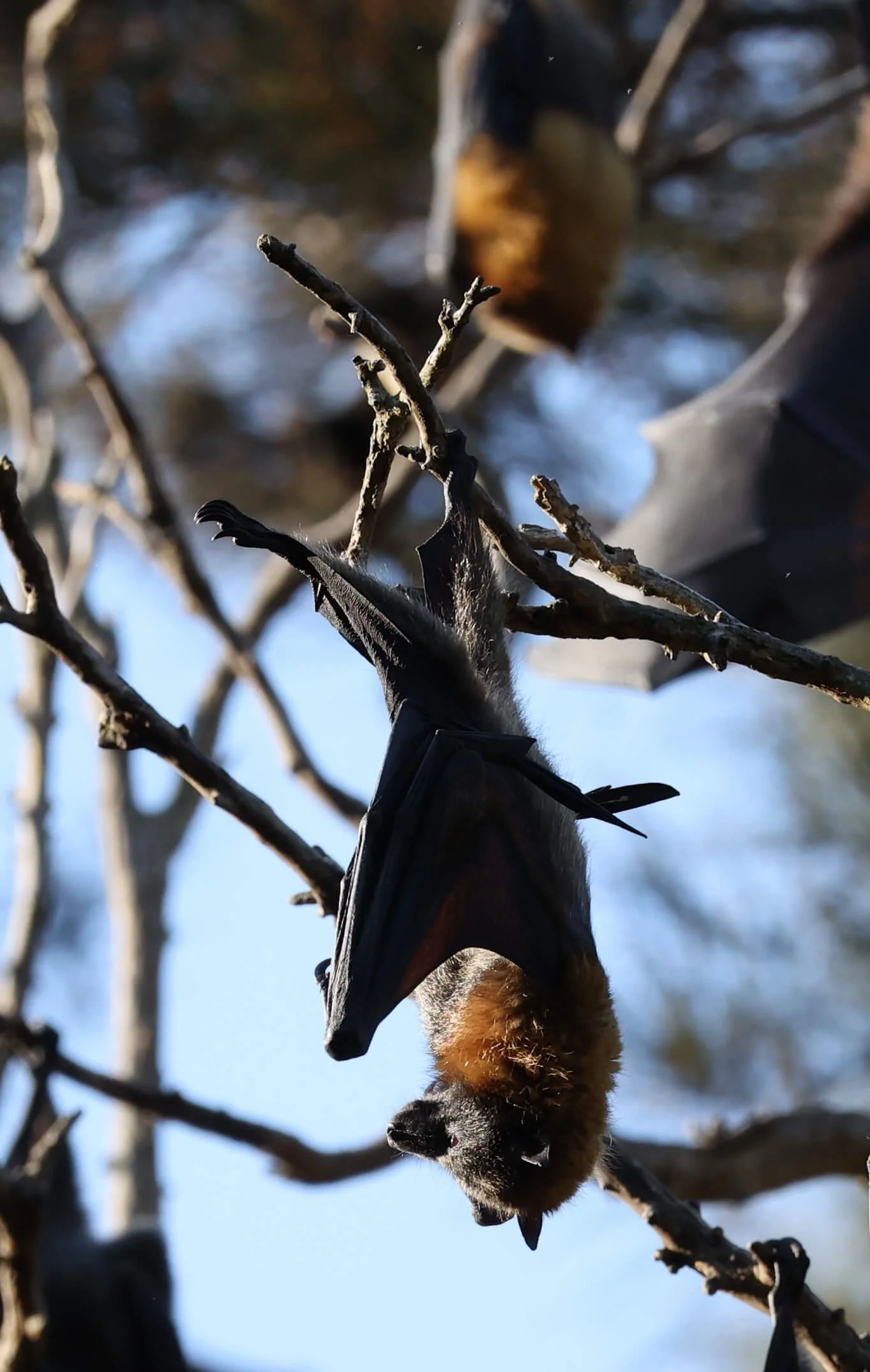
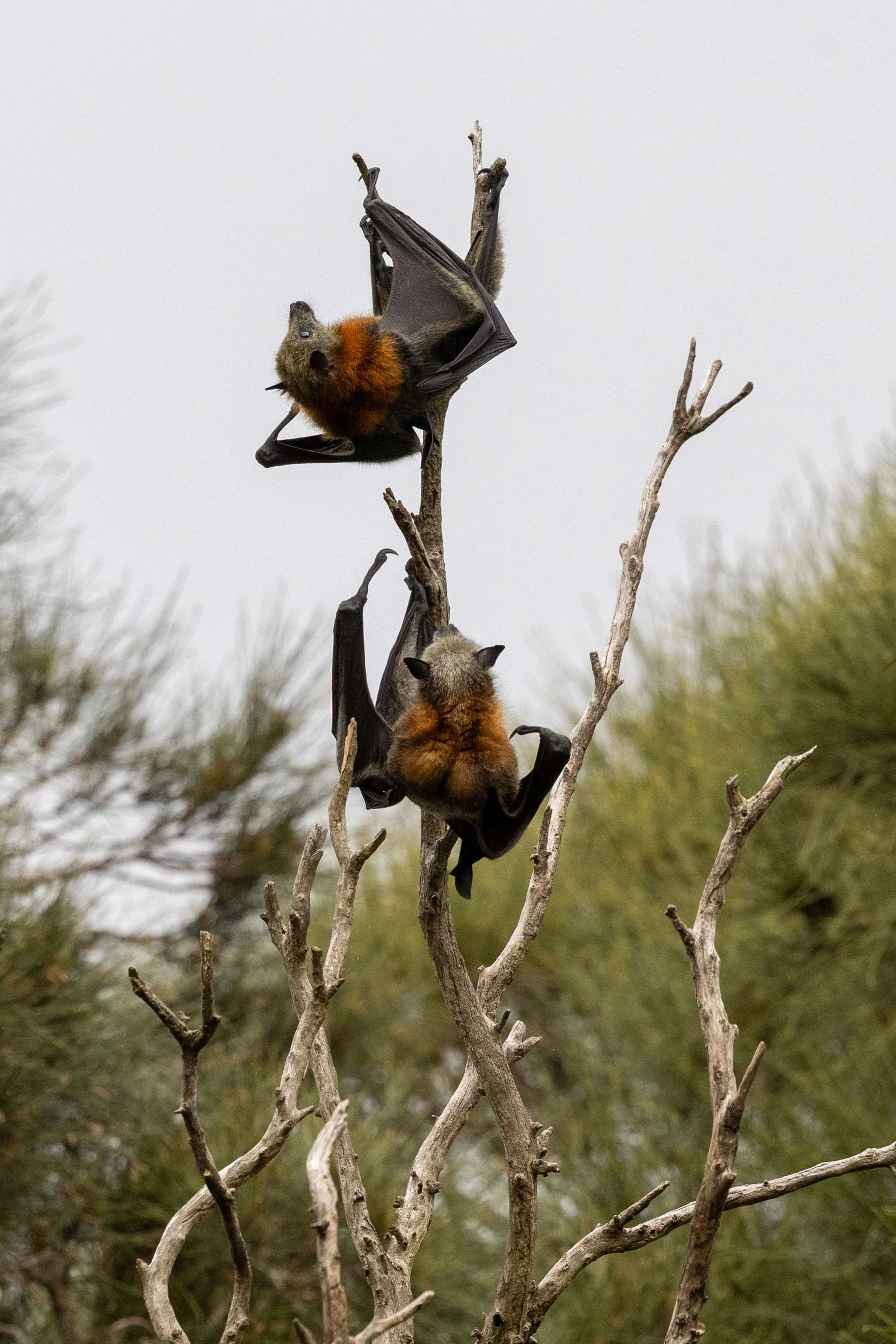
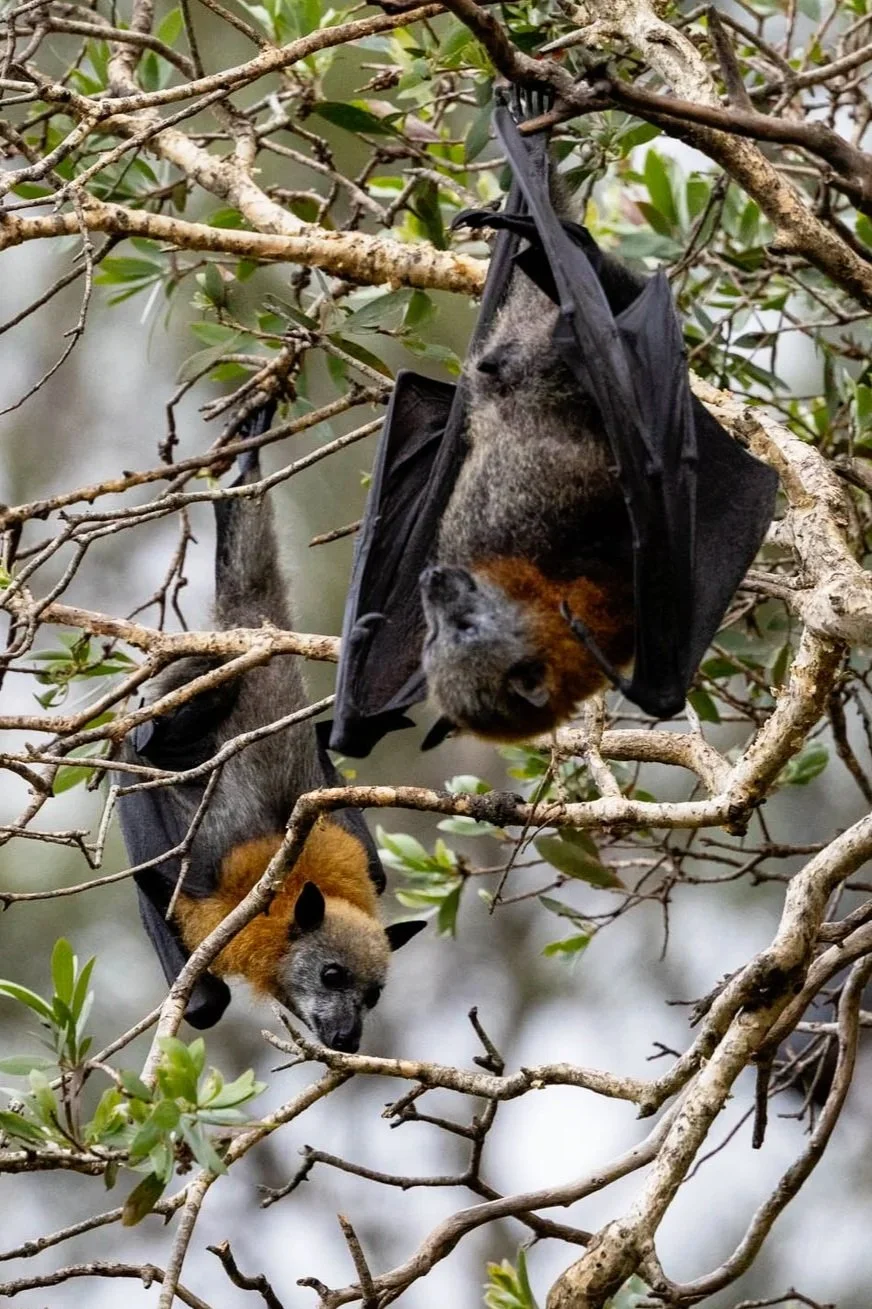
Centennial Park's Lachlan Swamp is home to Sydney's largest Grey-headed Flying-fox colony. Thousands of bats roost among the paperbark trees that surround the wetland and can be viewed from the boardwalk and viewing platform overlooking the swamp.
The camp size fluctuates throughout the year, but this is one of the most reliable and accessible places in Sydney to see flying-foxes up close.
Wolli Creek
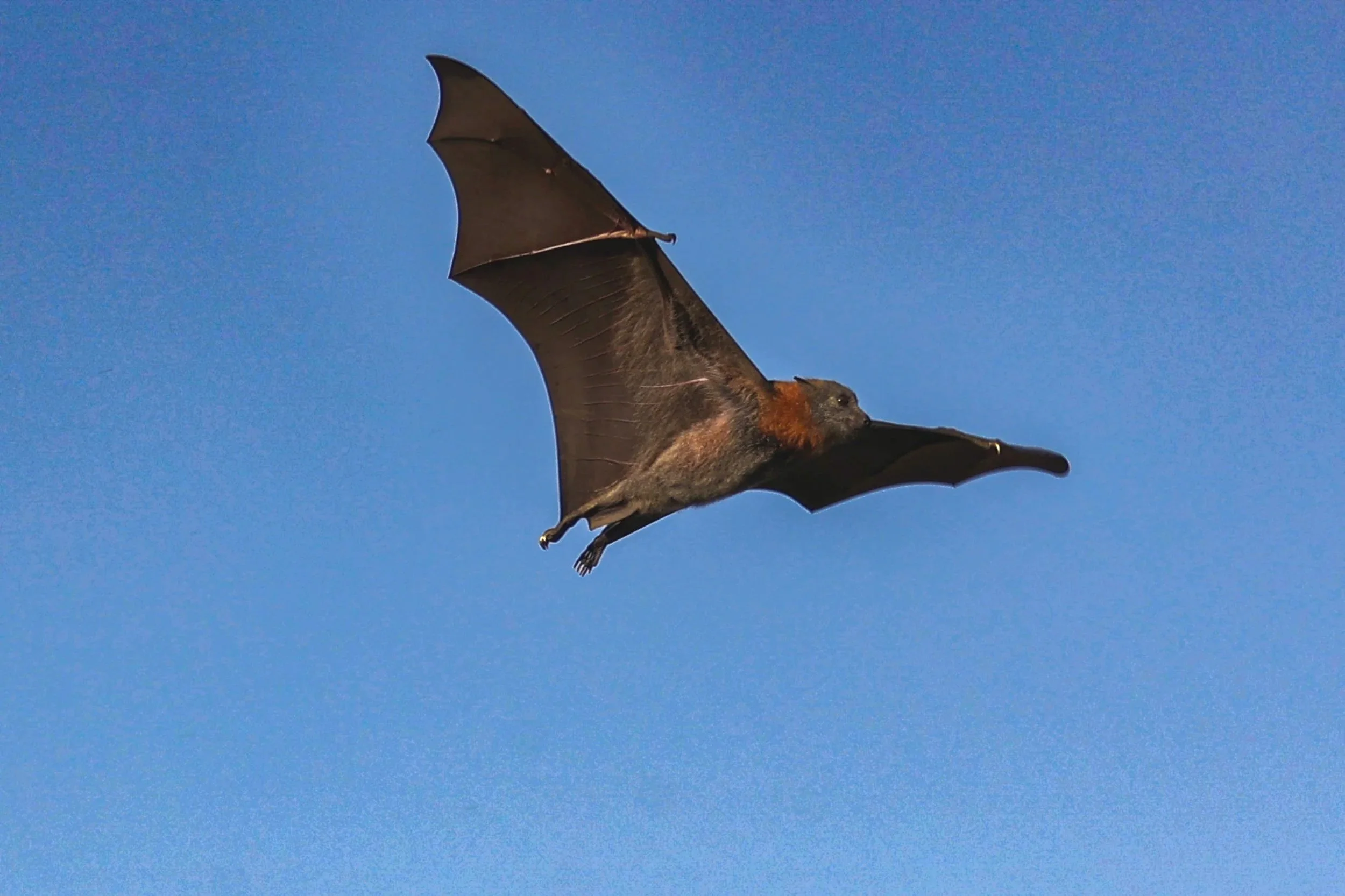
According to the Wolli Creek Preservation Society, Grey-headed flying foxes have been roosting in the Wolli Creek Valley since 2007.
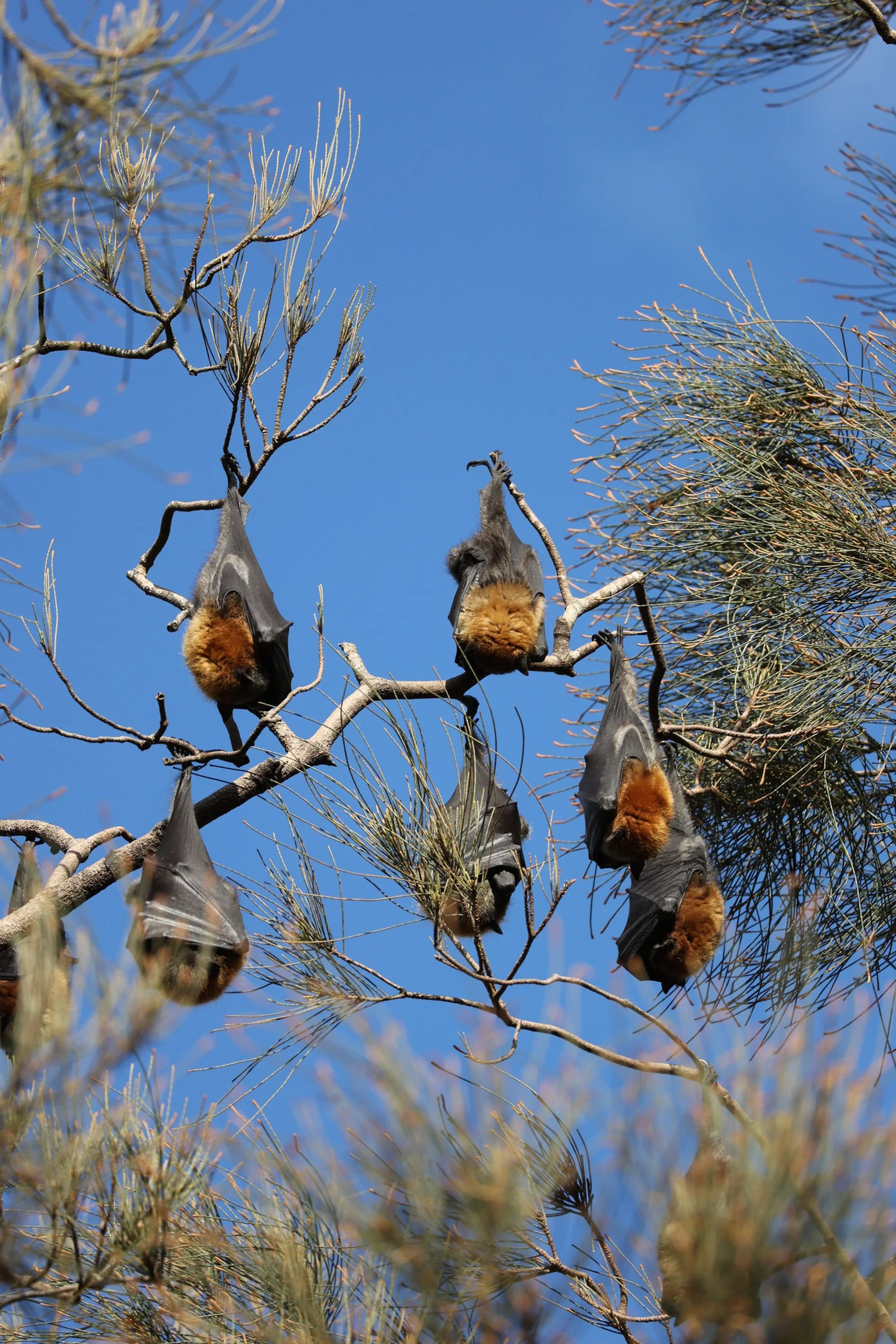
The camp, just west of Turella Reserve, is home to up to 24,000 bats and if you’re walking in the area you can’t miss them. They’re loud and easily visible from the walking path.
The Preservation Society holds an annual ‘Bat Watch Picnic’ in Turrella Reserve. Held in the early evening, usually in March, it’s a BYO picnic event that encourages locals to gather to watch as thousands of bats exit the camp in search of food.
Parramatta Park
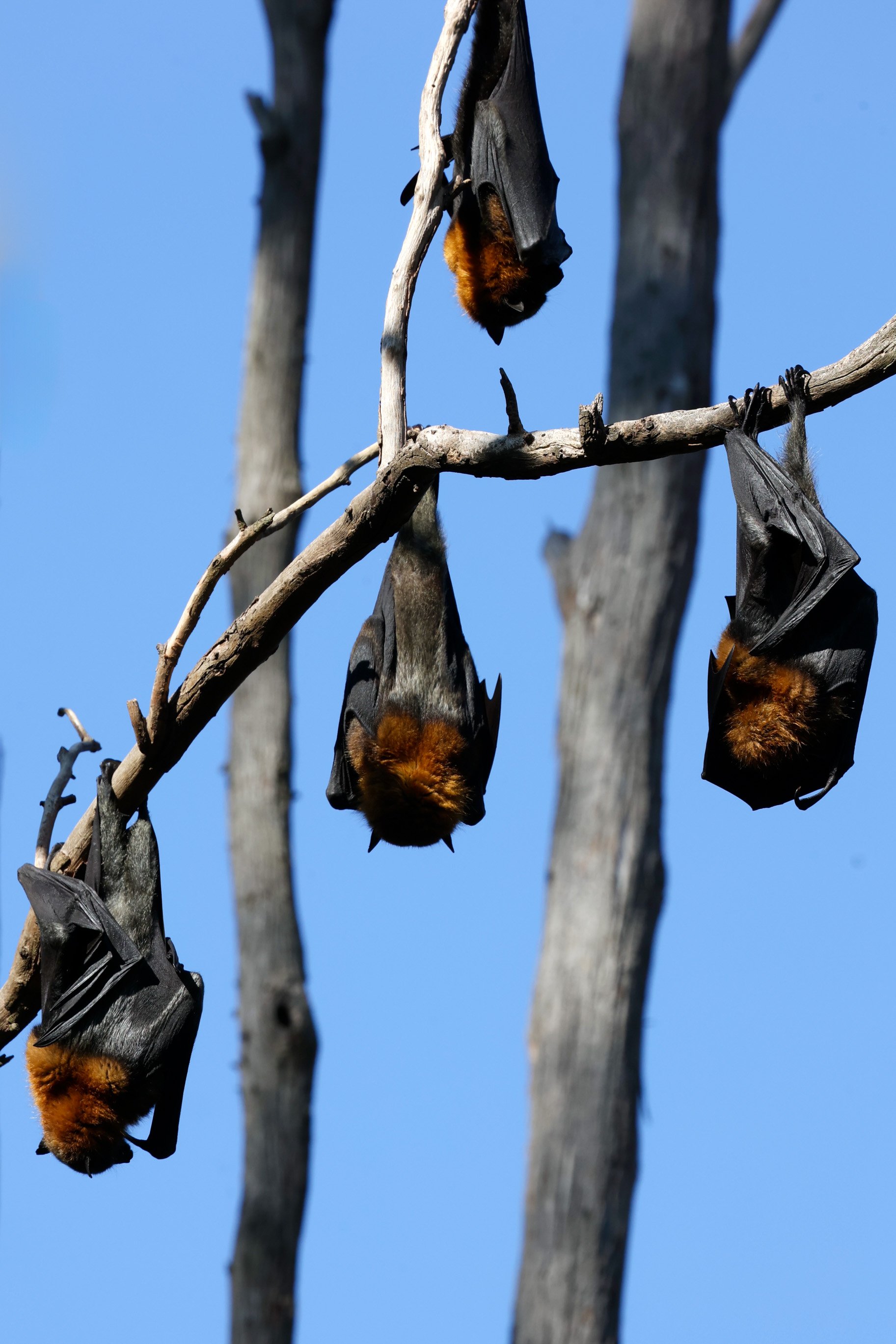
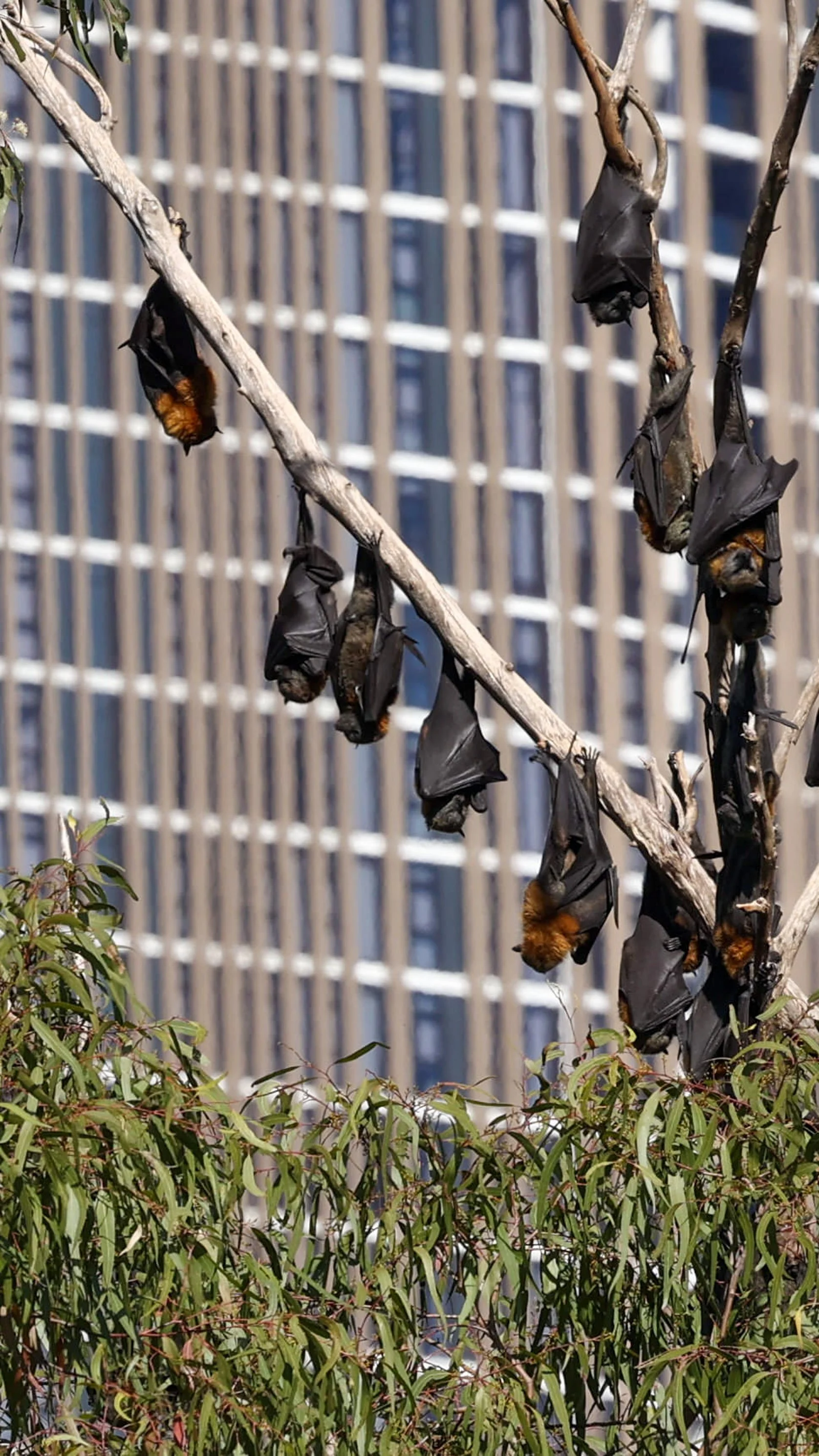
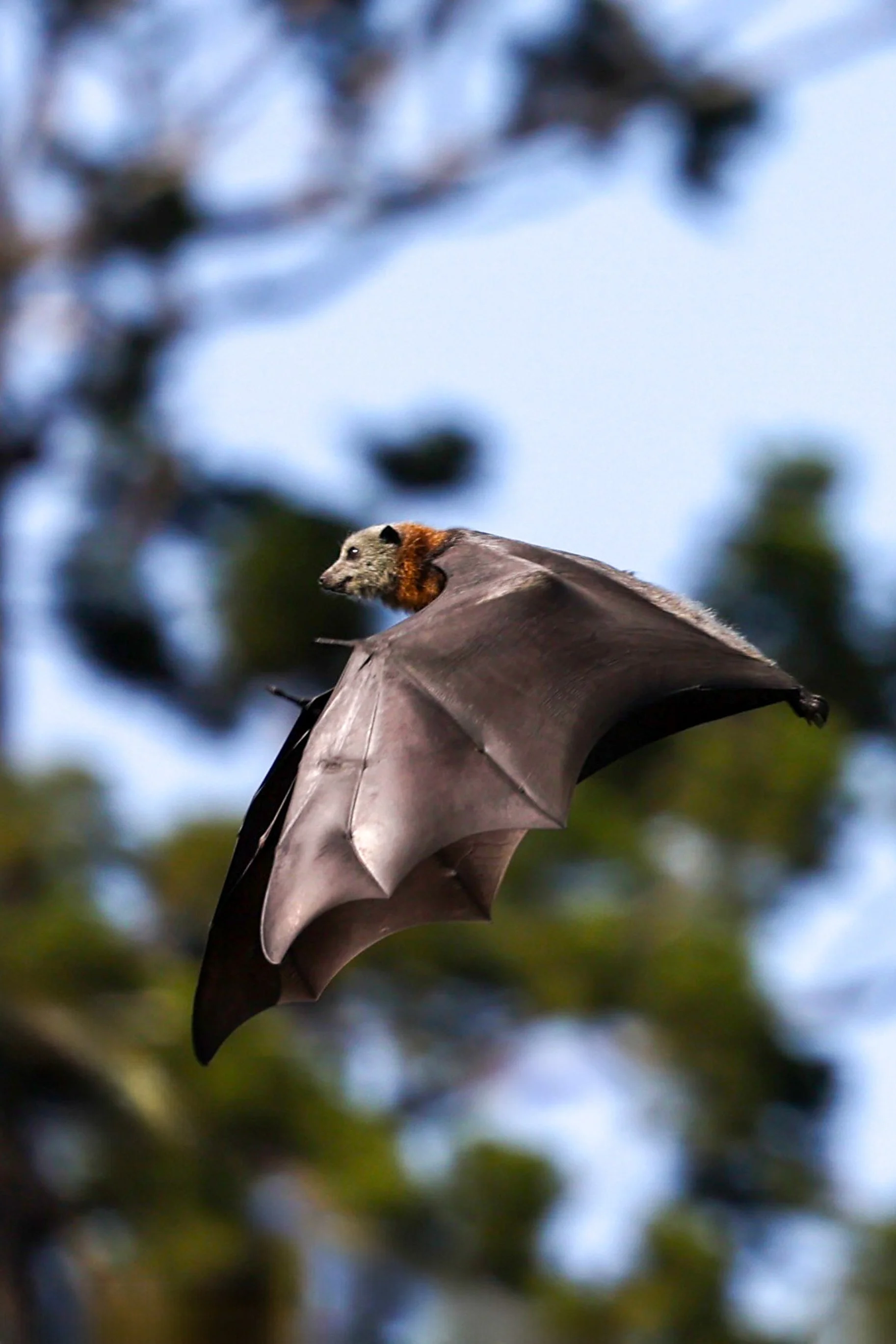
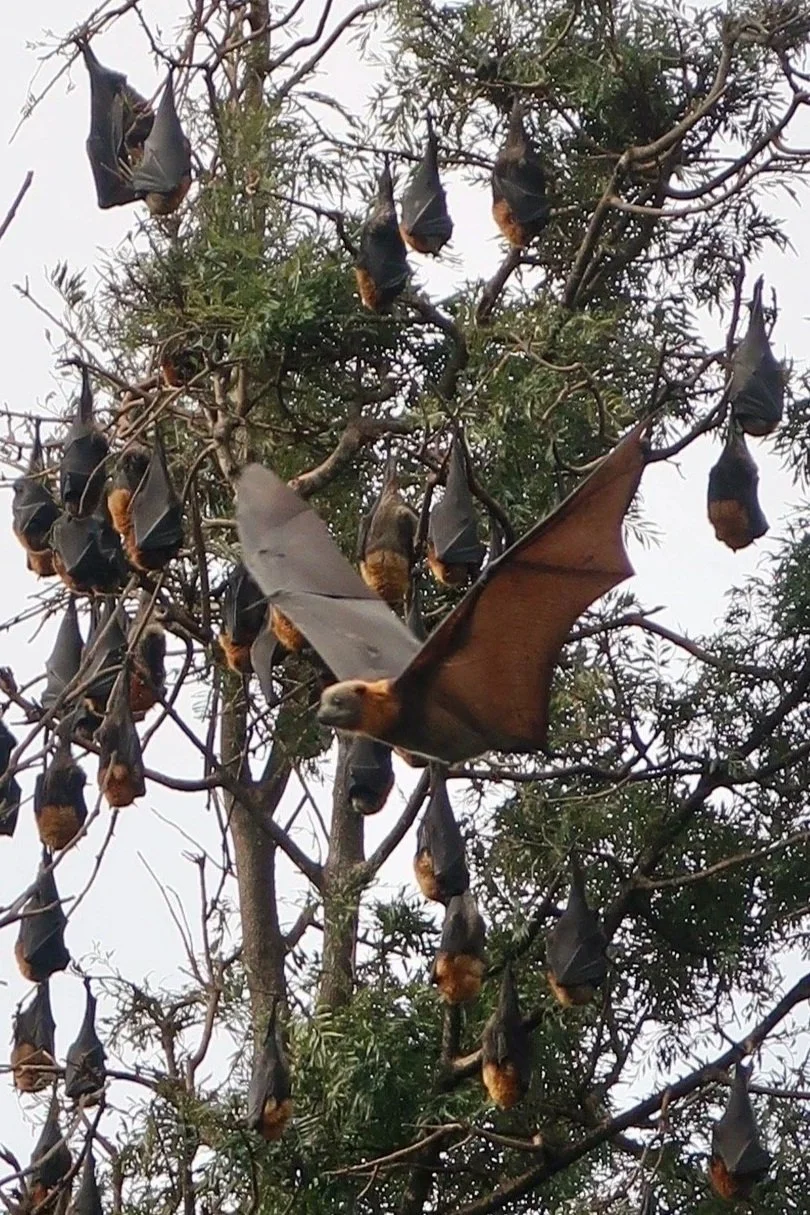
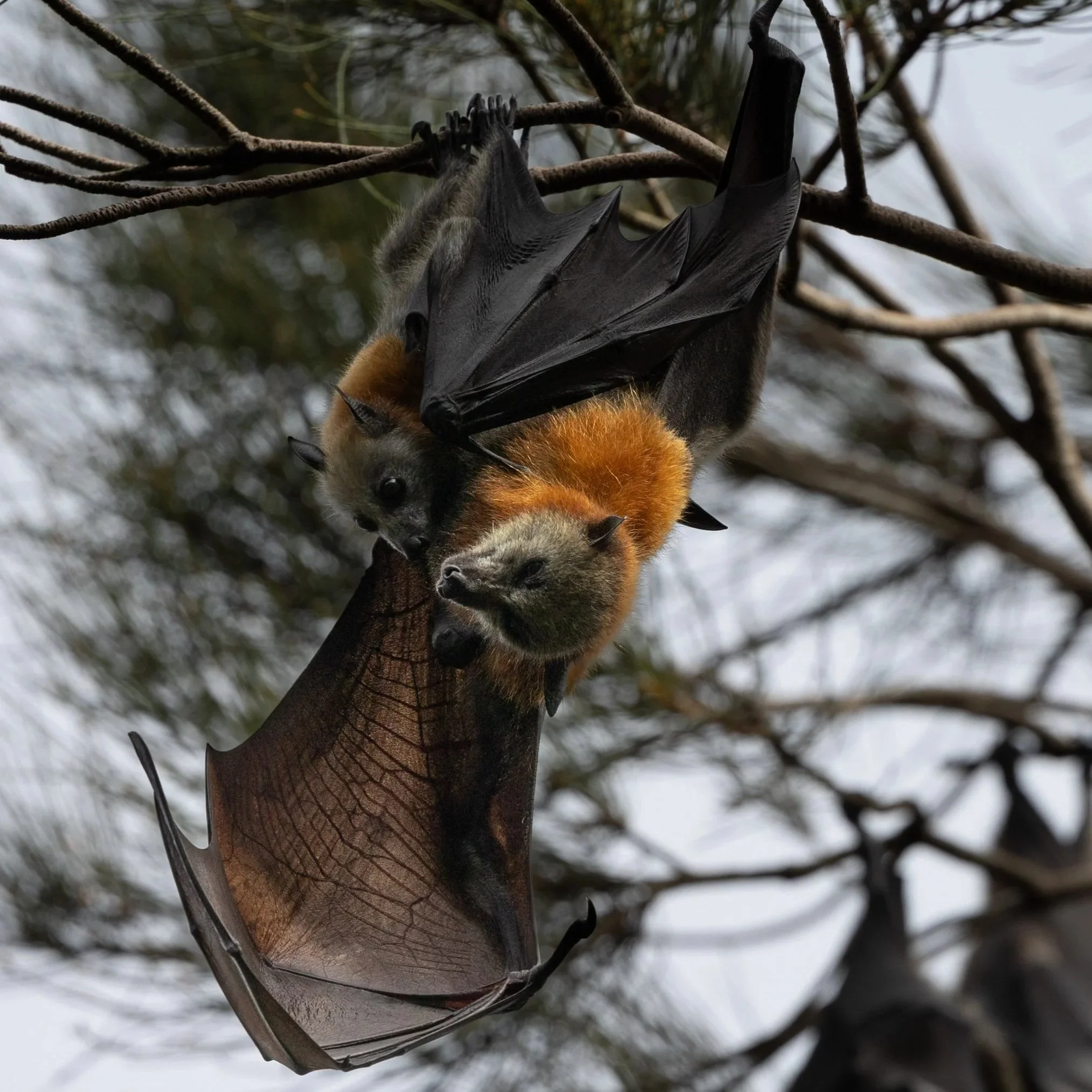
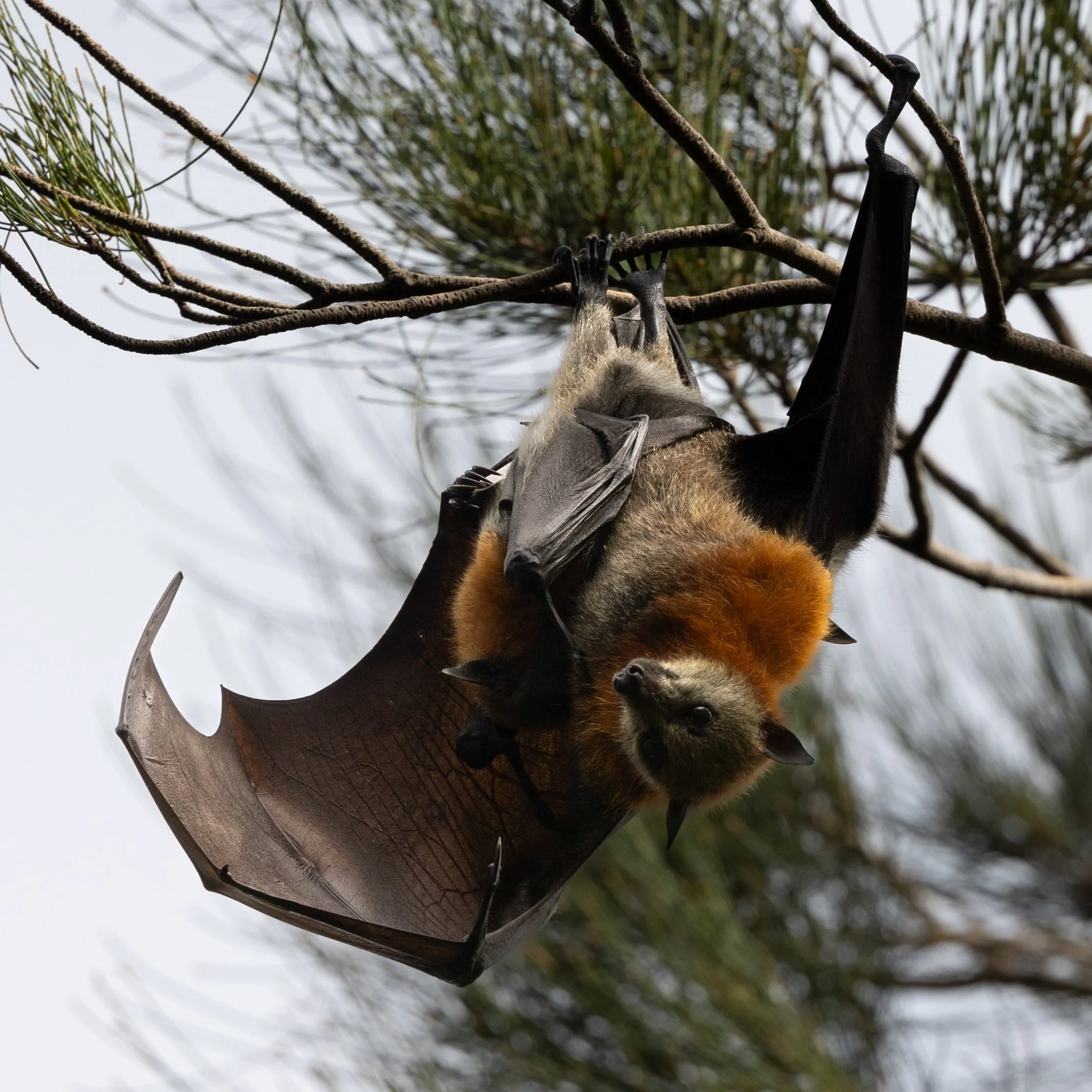
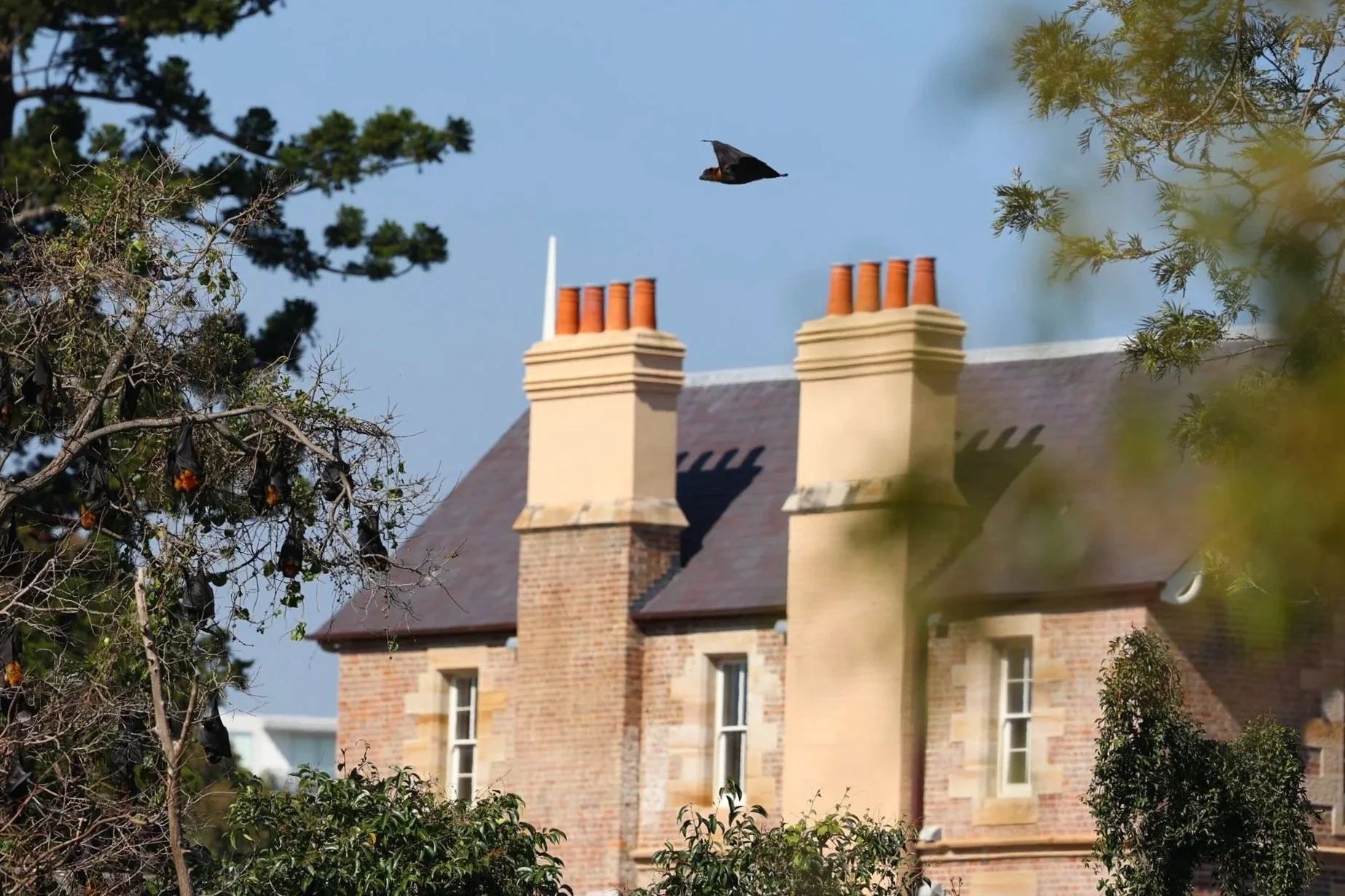
The flying fox breeding camp on the banks of Parramatta River was first recorded by European colonists in 1798.
The Parramatta camp has between 5,000 and 10,000 flying-foxes. Though in the summer months these numbers can swell to 20,000.
If you’re doing the Parramatta Park Loop Walk you’re certain to see (and hear) them. They’re in the northern section of the park, along the bend in the river near Wistaria Gardens.
Warriewood Wetlands
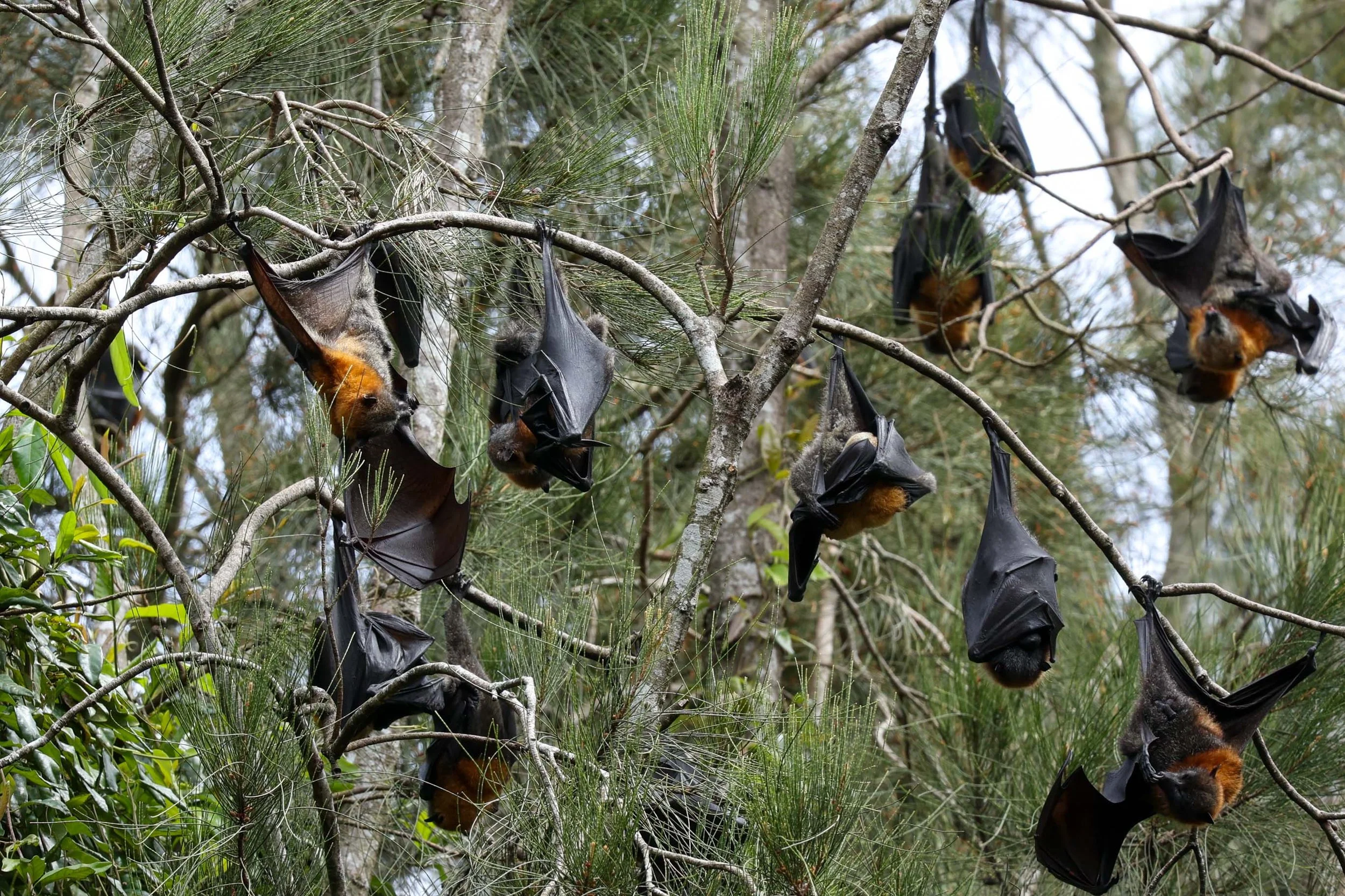
This flying fox camp on the edge of the Warriewood Wetlands, is one of three on the Northern beaches. The other two are located at Burnt Bridge Creek Reserve in Balgowlah and Cannes Reserve in Avalon.
The camp can be viewed from the Angus Gordon Walkway on the Warriewood Wetlands Walk. It’s close to Warriewood Square shopping centre. It is a relatively small camp compared to others, but readily accessible.
Twenty-three other threatened species have been recorded within one km of the camp within the last twenty years including the White-bellied sea-eagle, Swift Parrot and Regent honeyeater.
Kuringai Reserve,
Gordon
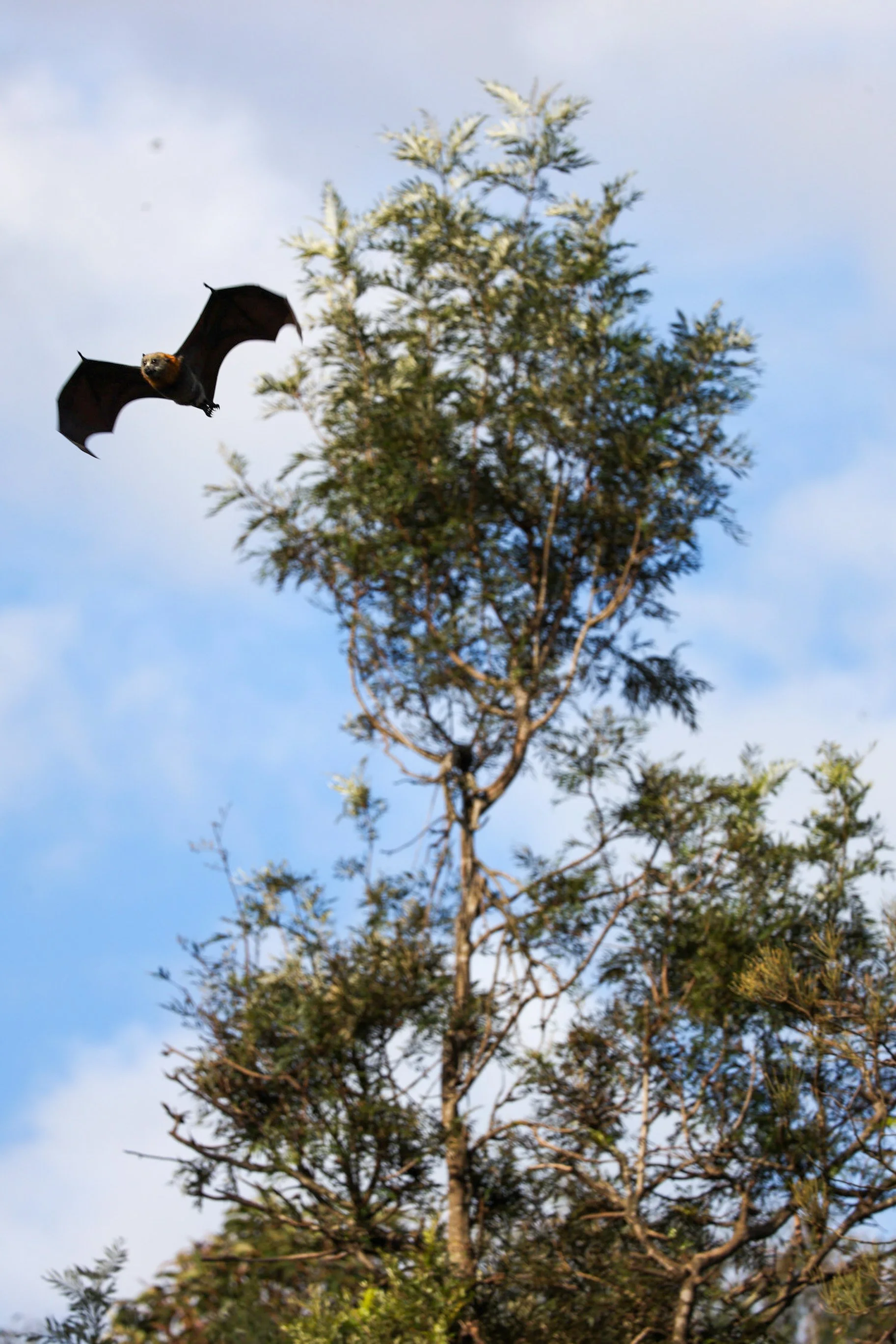
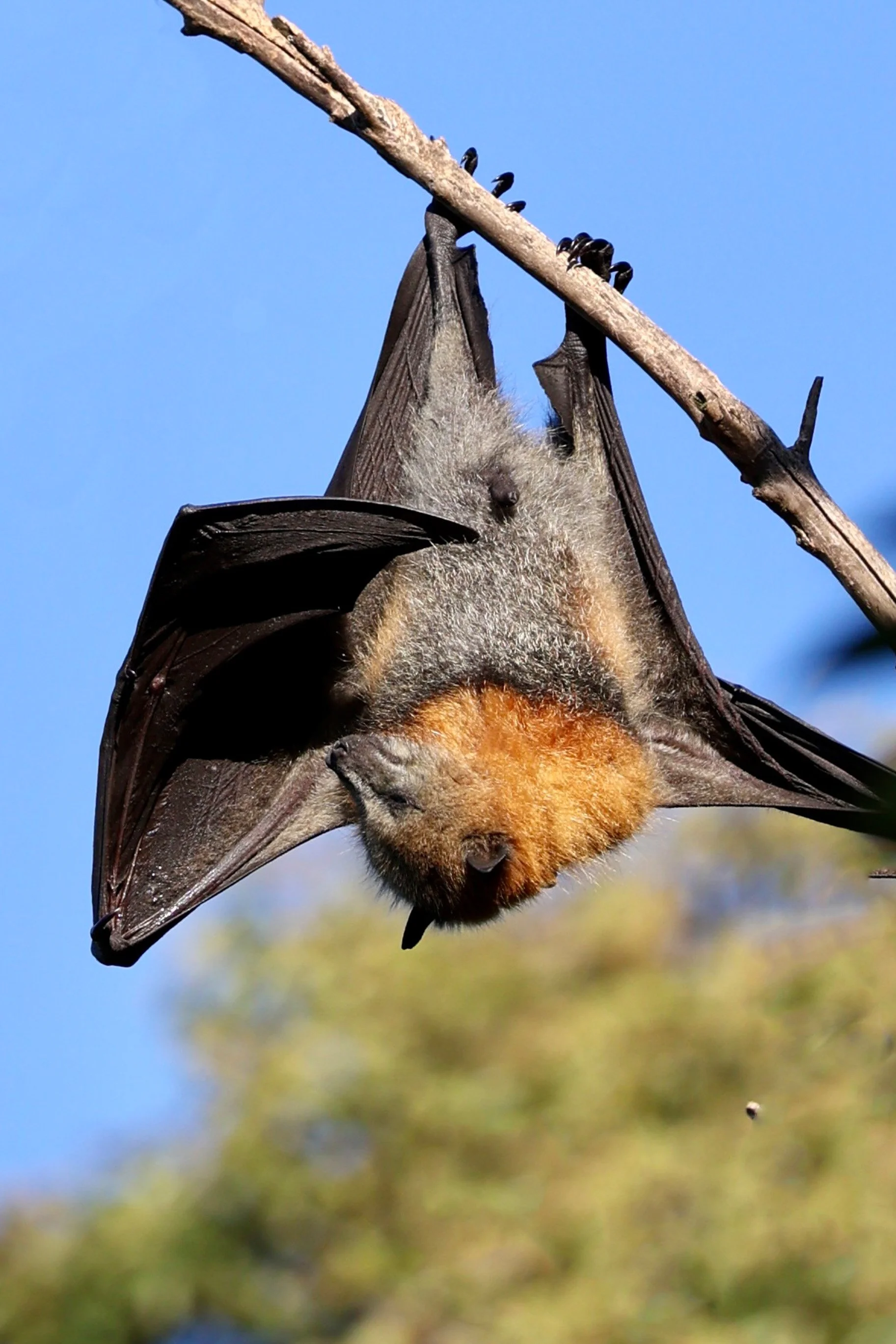
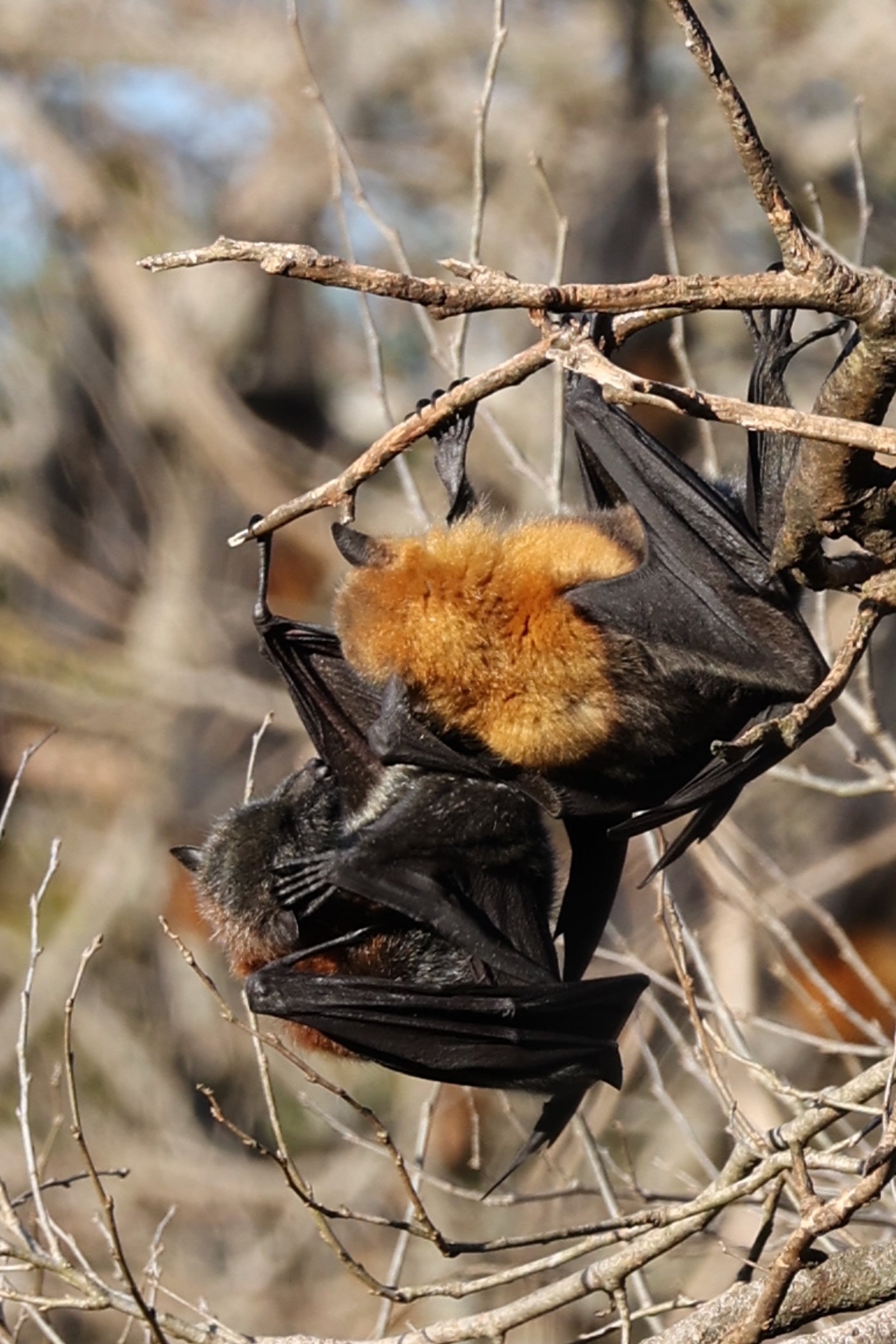
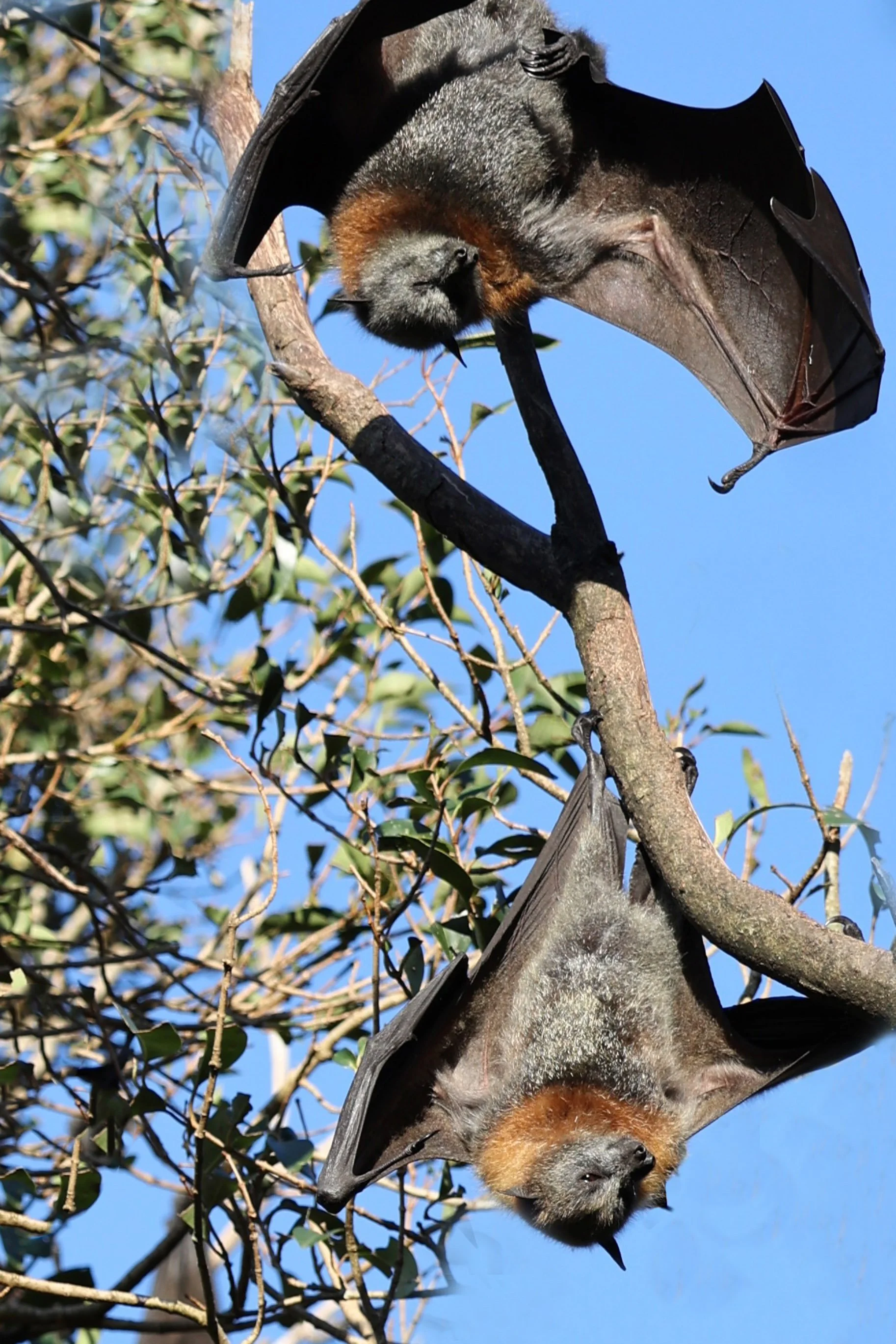
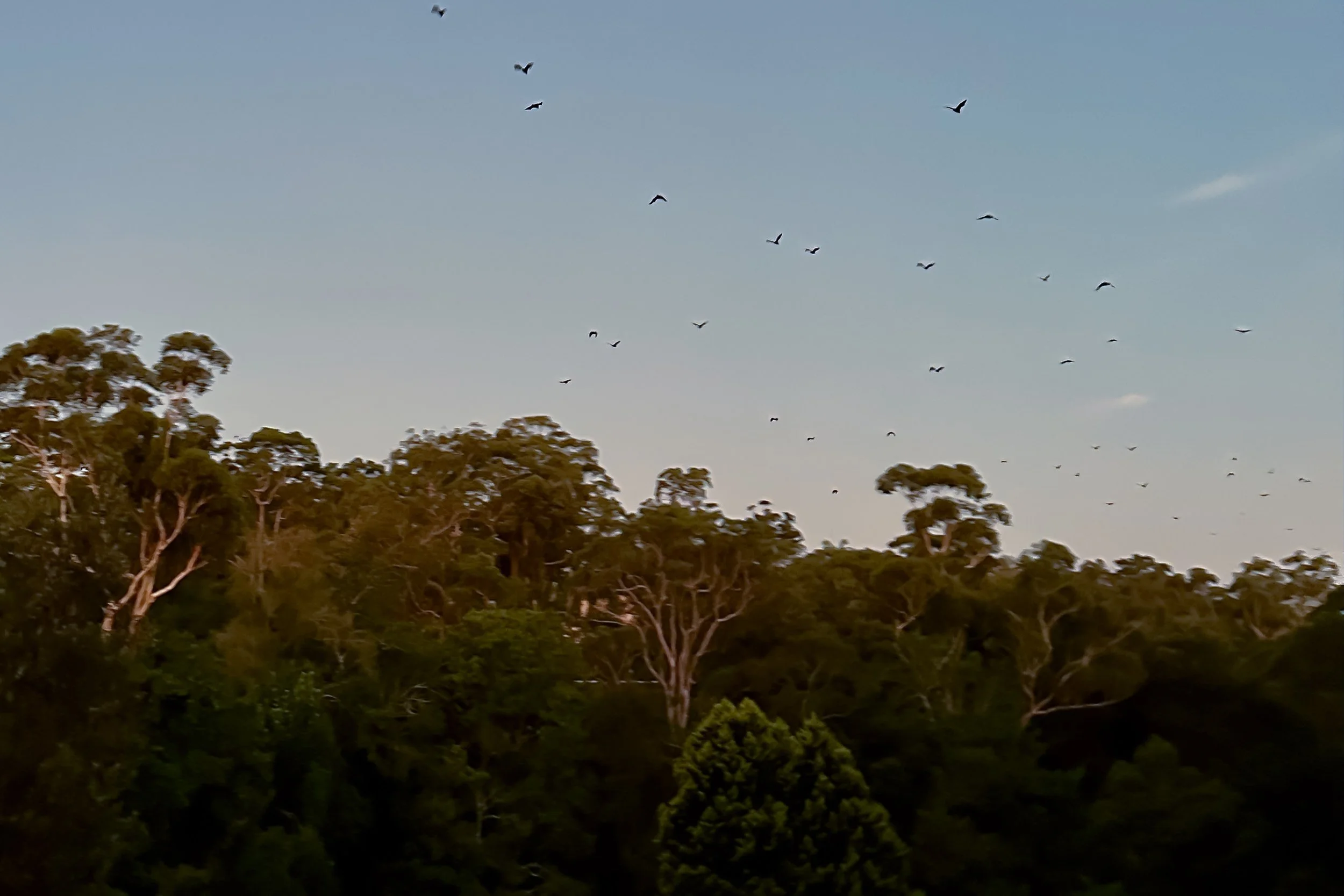
The summer evening fly-out from Kuringai Reserve in Gordon is something to behold. If you stand on Rosedale Road Bridge at dusk you’ll see hundreds if not thousands of bats emerging from the valley and flying overhead, setting off on their nightly forage for food.
Ku-ring-gai Reserve is recognised as nationally significant for the survival of this threatened species. It is estimated that there can be as many as 40,000 flying foxes camped in the reserve during the peak summer season but no recent counts are available.
Some local residents are not big fans of the bats, their noise and odours, but as they’ve lived in the valley at least since the 1960’s they’re unlikely to be moving on soon. The local council manages the reserve and seeks, through it’s Plan of Management, to balance the preservation of species and habitat, with the concerns of local residents who live close to the reserve.
Fun facts about flying foxes
Flying-foxes are the largest of Australia’s bats
They are important pollinators and seed dispersers of native plants.
Although they are often called fruit bats, they feed mainly on the nectar and pollen of native trees such as Eucalypts, Melaleucas and Banksias. They will feed on cultivated fruit when there is a shortage of their native food.
Flying-foxes aren't blind. Their eyesight is actually very good in low light.
Young flying-foxes are called pups.
Grey-headed Flying-foxes can travel over 50 kilometres each night searching for food.
*Despite the numbers seen in urban areas around Sydney, overall Grey-headed flying fox numbers have dramatically declined. It is estimated that the area of habitat available for Grey-headed flying foxes has been reduced by 50% since European occupation. In 2001 The Commonwealth, NSW and Victorian governments listed the GHFF as a threatened species. In early 2020, after many years in preparation, the Federal Government released The Recovery Plan for the Grey-Headed Flying-fox.