Jerrabomberra Wetlands
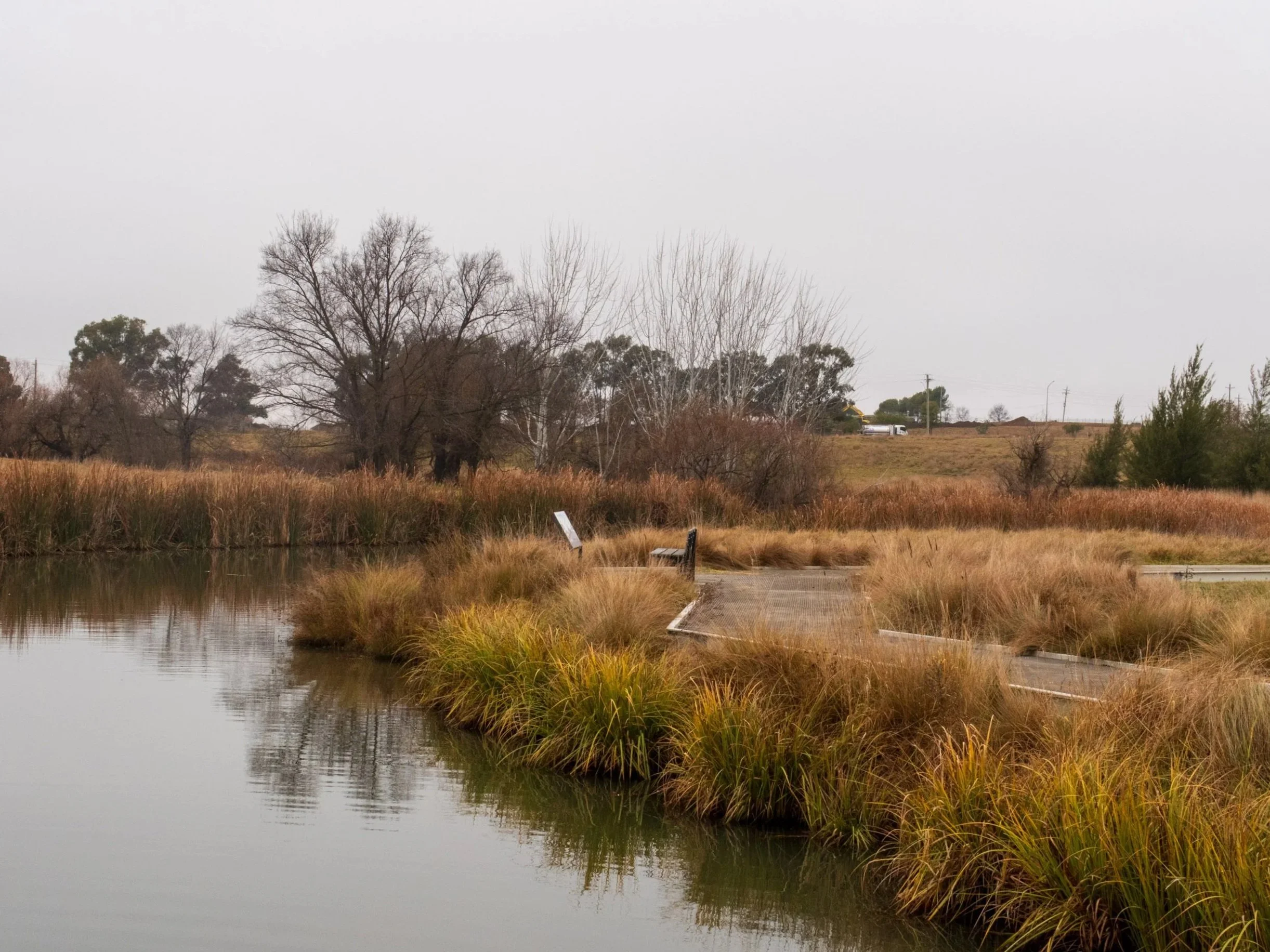
This is a great walk for birders, wildlife photographers and all lovers of nature. It’s a peaceful place to walk, especially in the early morning and evening when the wildlife is most active and light is just so. I try to take a walk here, sometimes short, sometimes long, whenever I’m in Canberra.
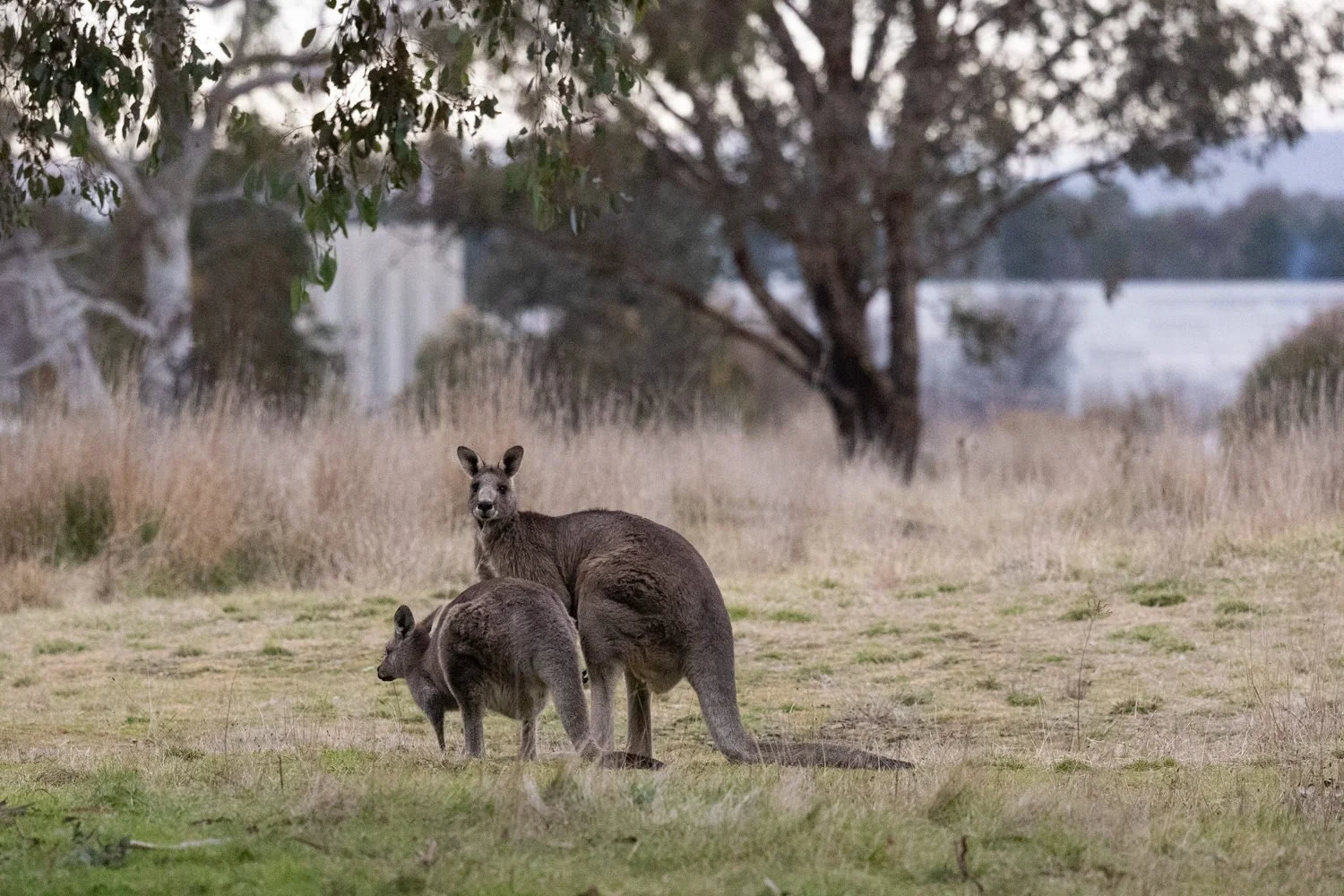
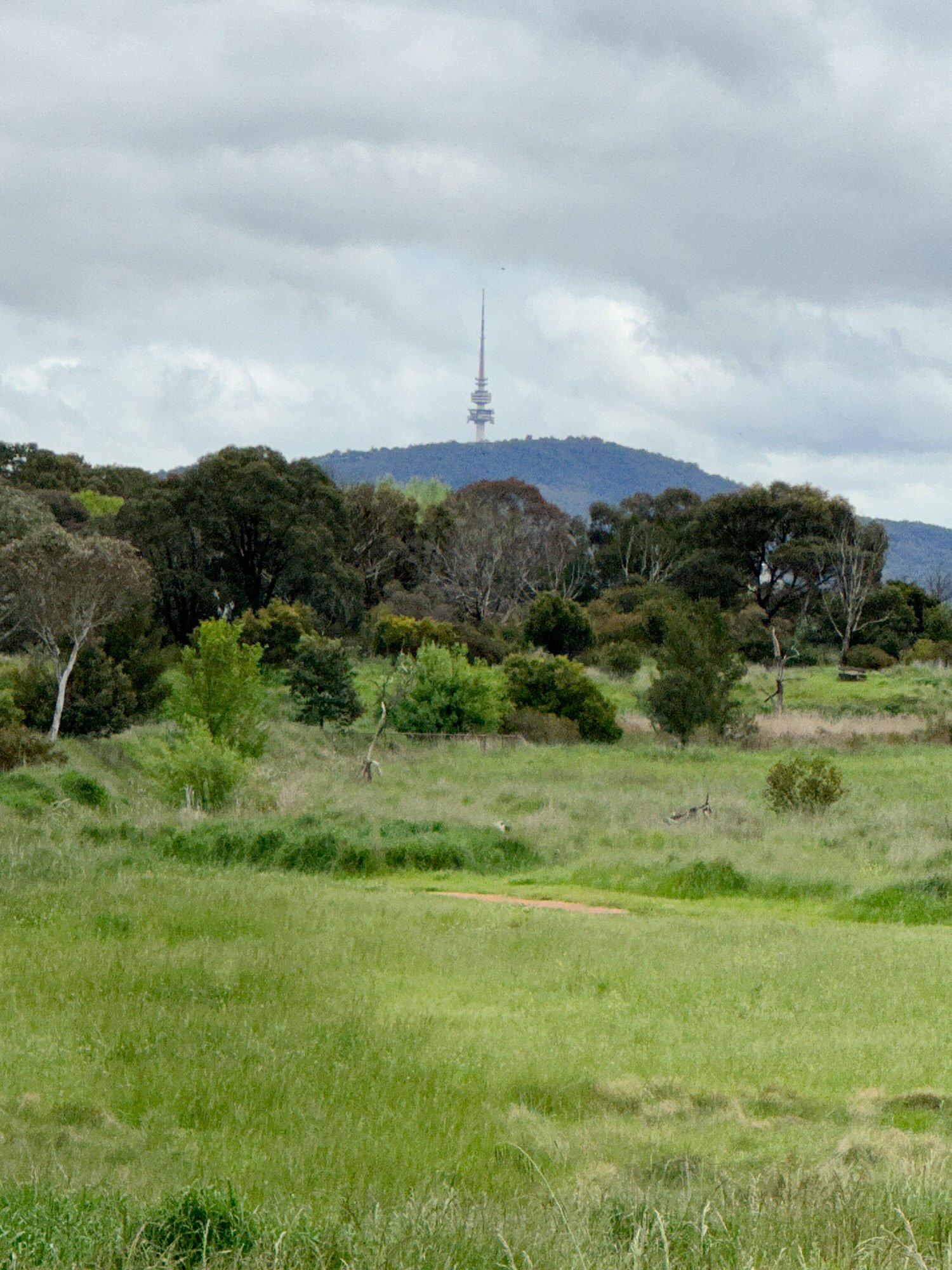
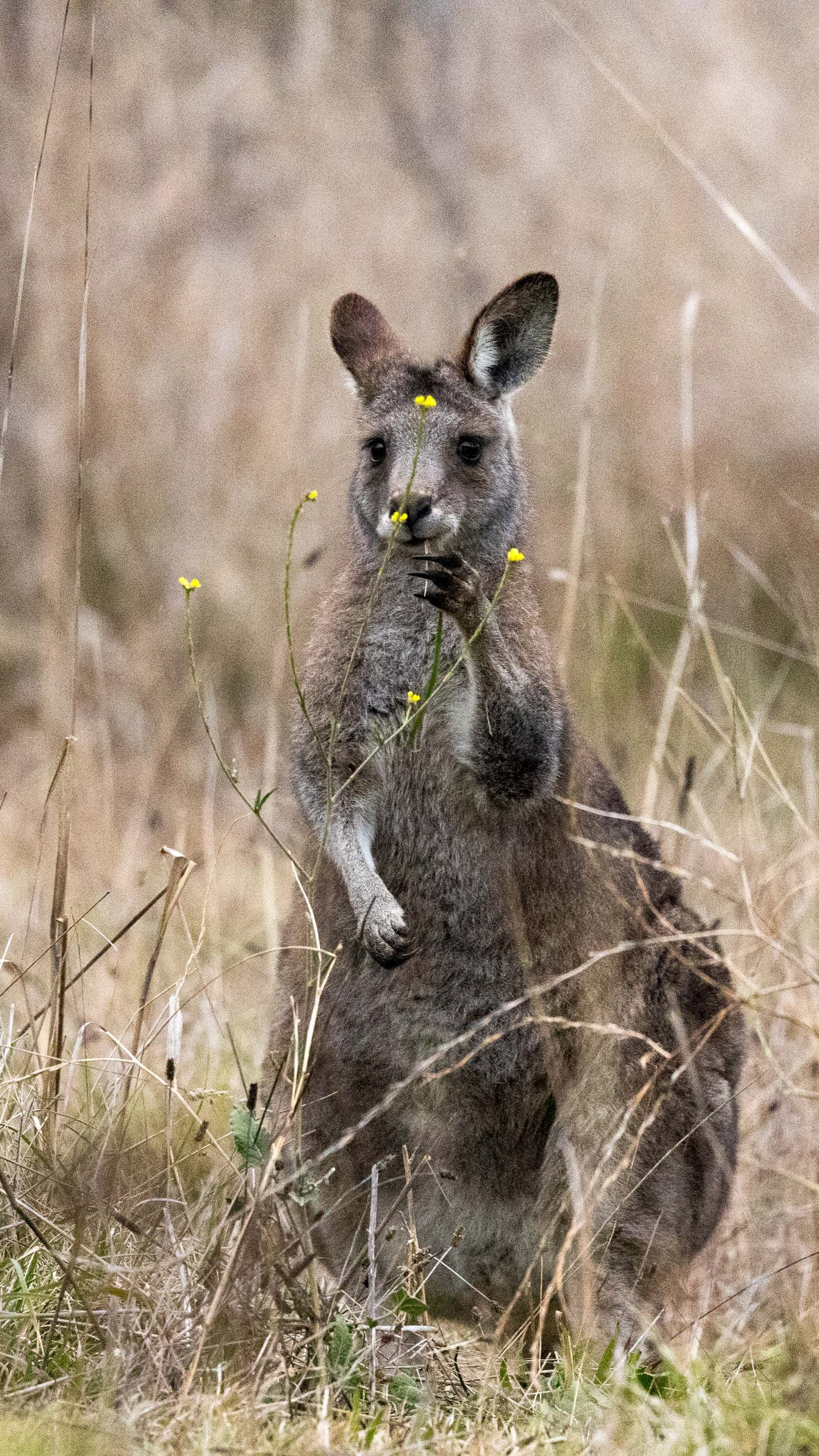
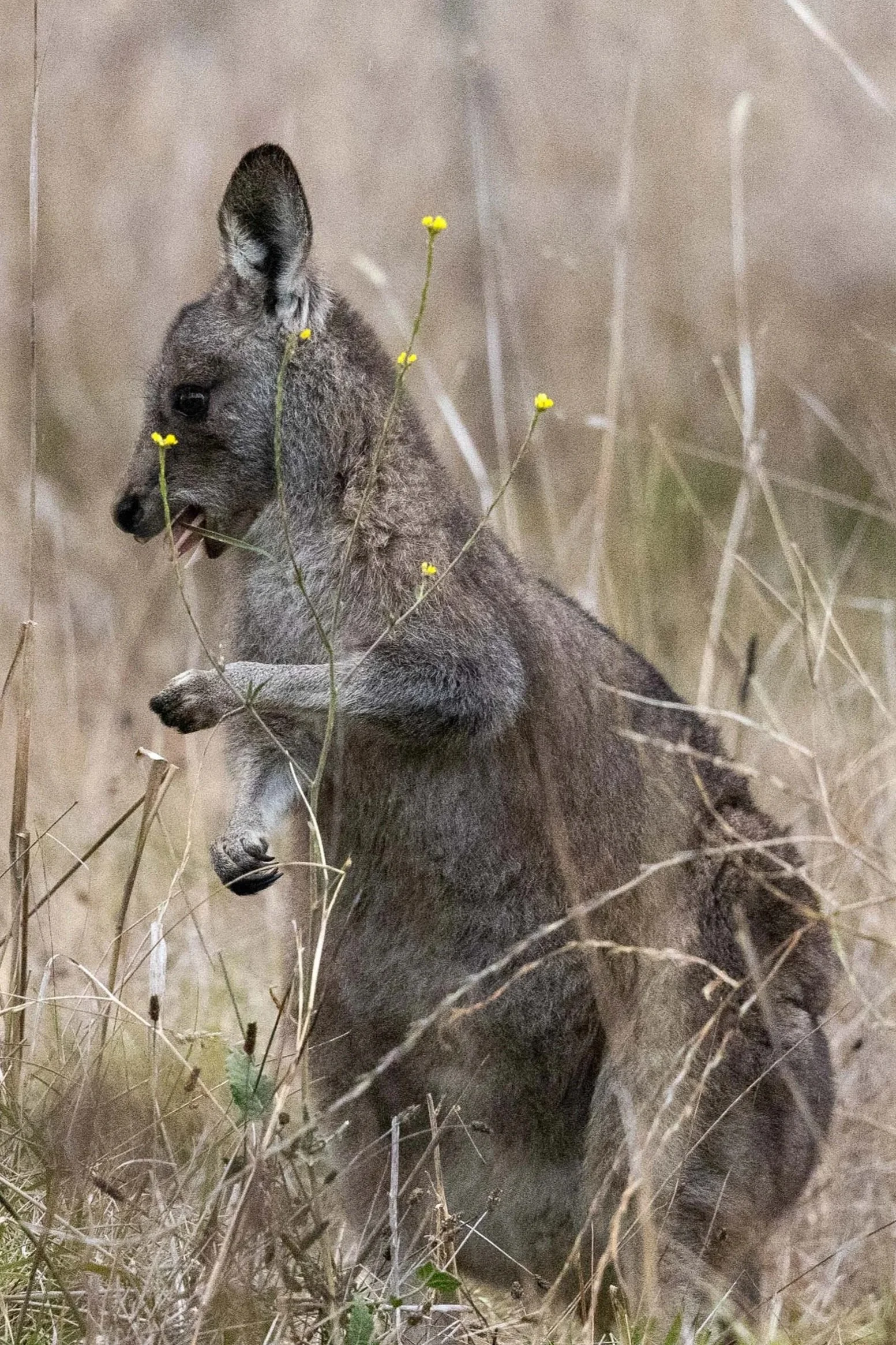
Jerrabomberra Wetlands is home to many local bird species and a haven for migrating birds from inland Australia and as far away as Japan. There’s other wildlife here too, including mobs of kangaroos camouflaged among the tall dry grass.
Summary
This walk combines three main trails that wind around the wetlands and grassy surrounds.
Distance: 4.5km
Time: 1–2 hrs
Difficulty: Easy
Highlights
Exceptional birdlife including (seasonal) migratory species
Wetland landscapes and native flora
Bird hides and viewing points
Kangaroos and other wildlife
Trail Tips
Early morning or late afternoon walking is best for wildlife activity and photos
Great year-round but spring and autumn are best for birdwatching
Hiking shoes or boots are recommended after rain as it can get very muddy
Parts of the trail are shared, so watch out for bikes
Insect repellant is recommended especially in the marshy areas
NO DOGS
Getting here
This reserve sits on the Molonglo River floodplain and forms part of a larger protected nature area managed by ACT Parks and the Woodlands and Wetlands Trust.
The main trails begin from the parking area at the end of Dairy Road in Fyshwick, just minutes from Canberra’s CBD. You can also find roadside parking along Eyre Street in Kingston
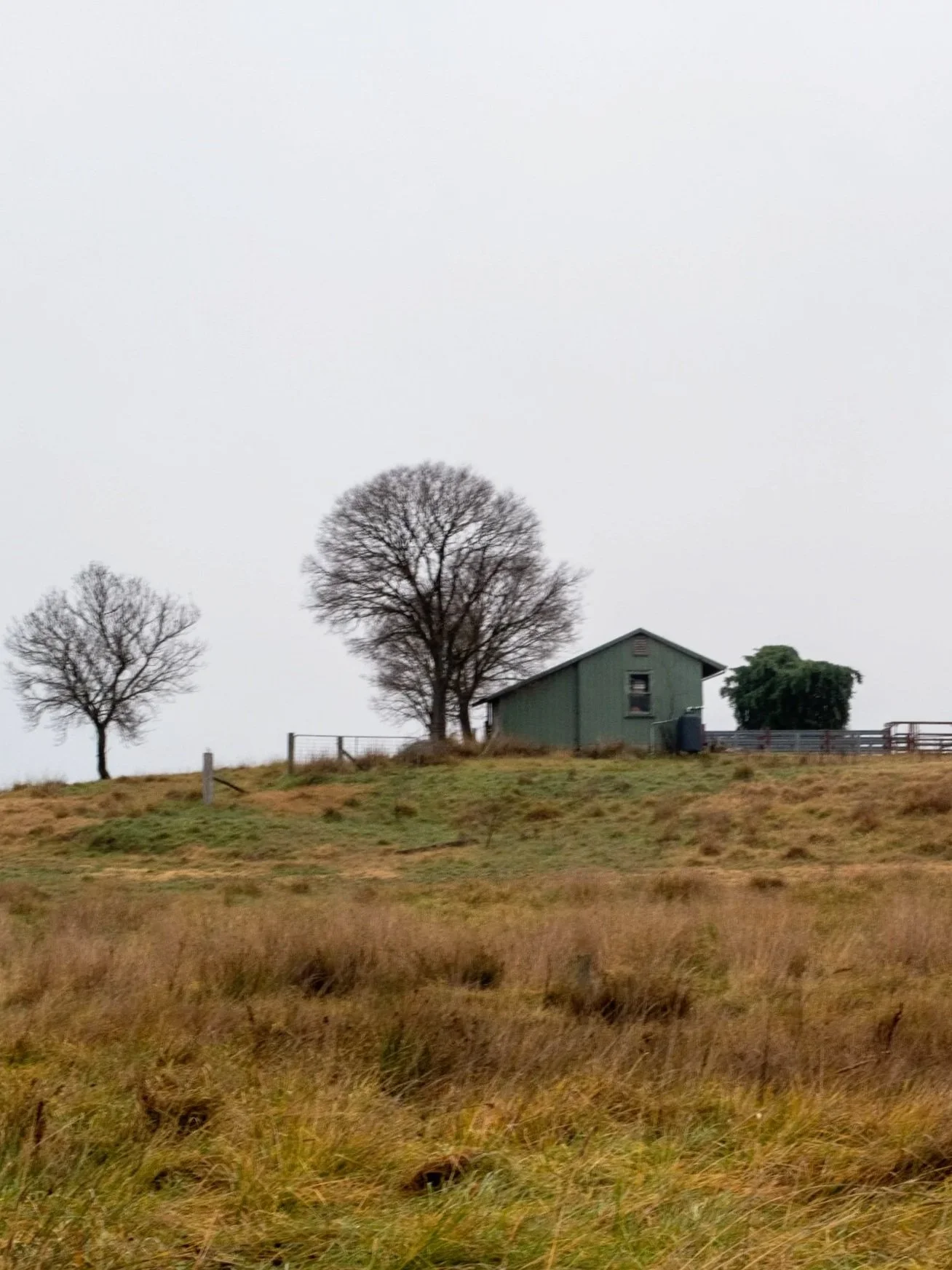
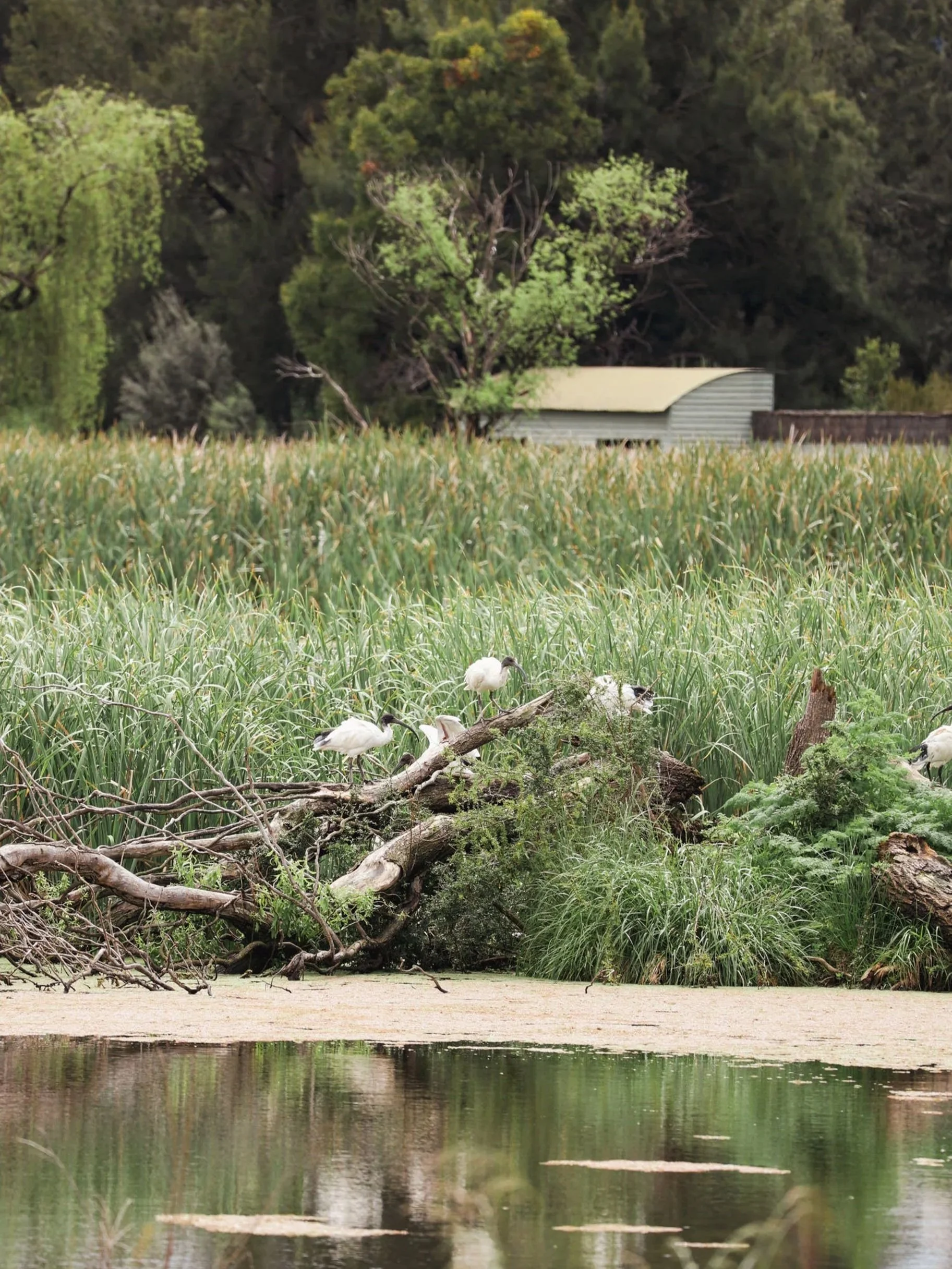
Walking the Trail
There are three main trails that wind around the wetlands and grassy surrounds:
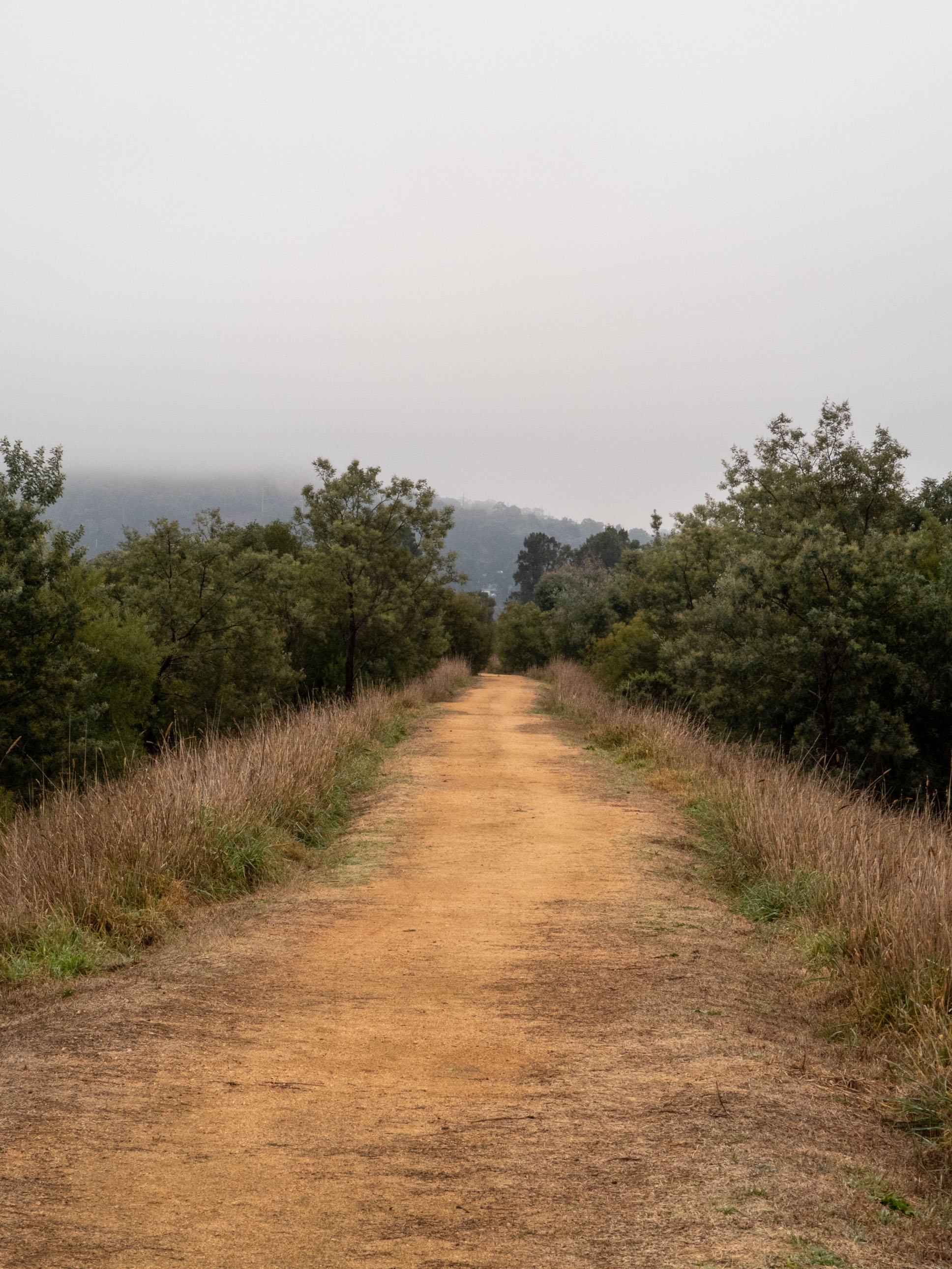
The Billabong Trail, Woodland Loop and Kelly's Loop. The walk outlined above is a combination of all three but you can mix it up to suit your timetable and interests.
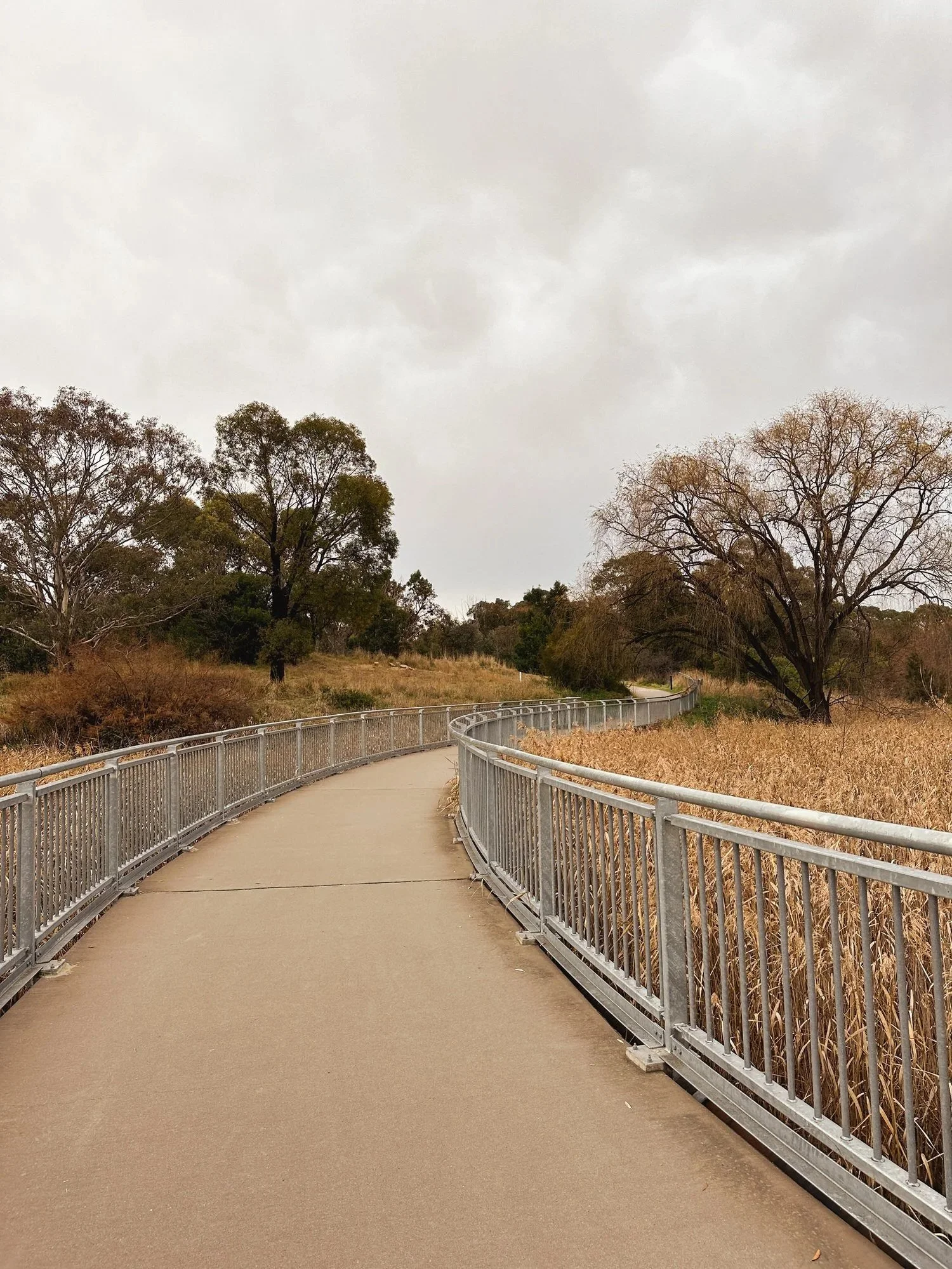
The walk is an easy one and mostly flat. Boardwalks in some areas are suitable for wheelchairs and prams, but other sections can become quite muddy after rain.
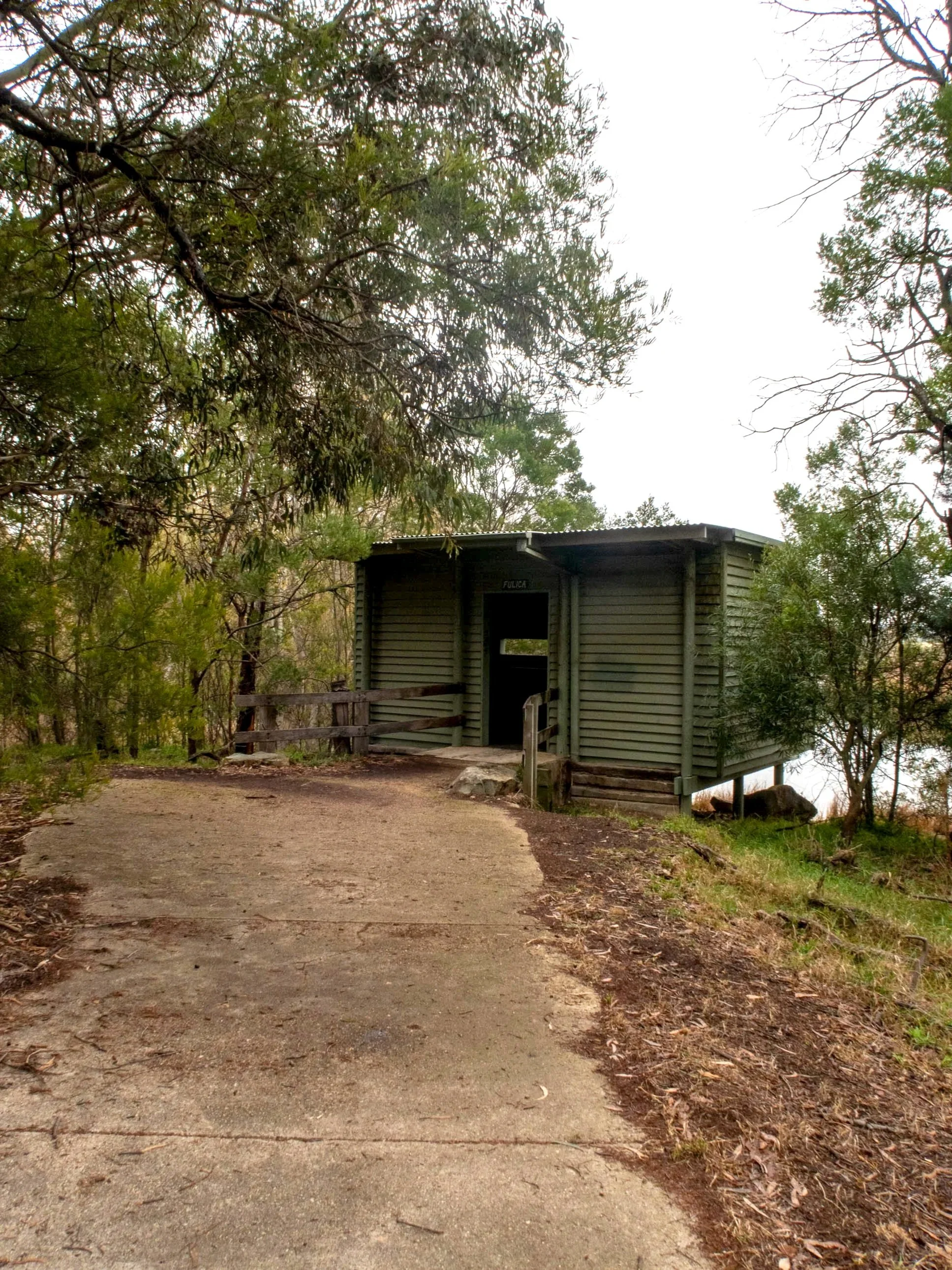
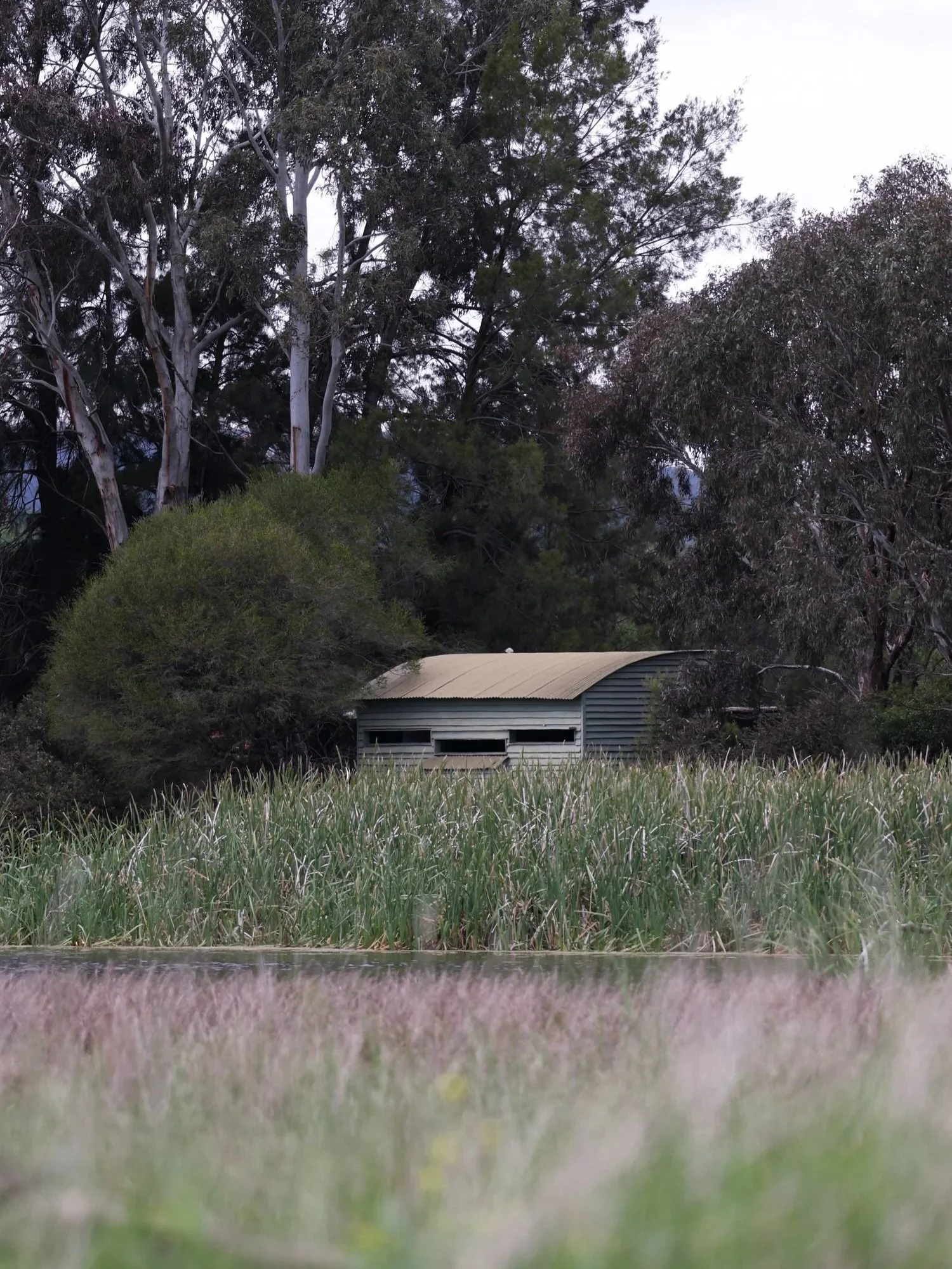
Information boards are scattered around the trail telling visitors more about the birds and habitats, and strategically placed viewing hides allow birders and photographers to get close to the birds without disturbing them.
Although the wetlands are close to the city, what always strikes me is how peaceful the area is. Apart from the occasional cyclist, it's often possible to spend long stretches of the walk accompanied only by birdsong and the rustle of reeds.
Birdlife
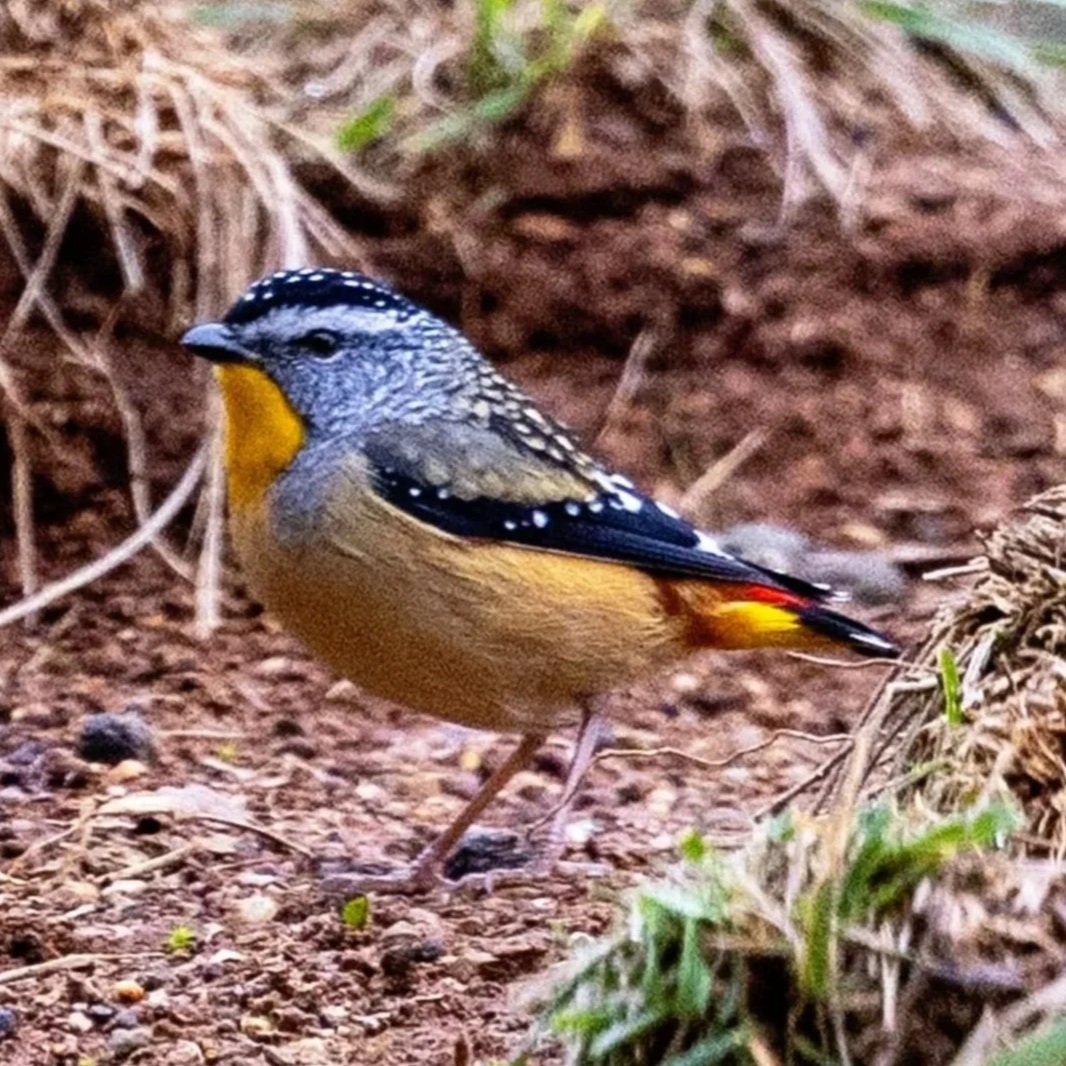
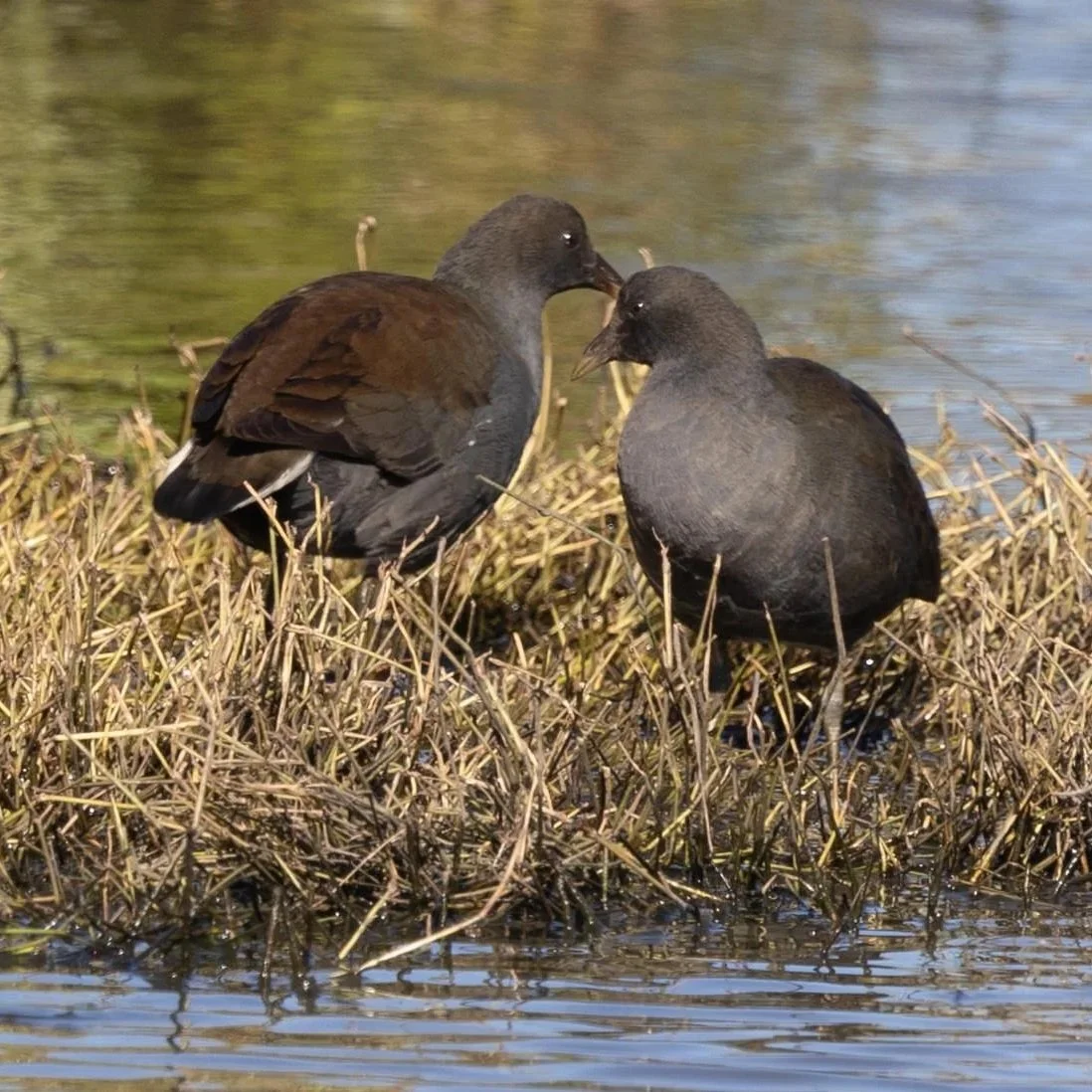
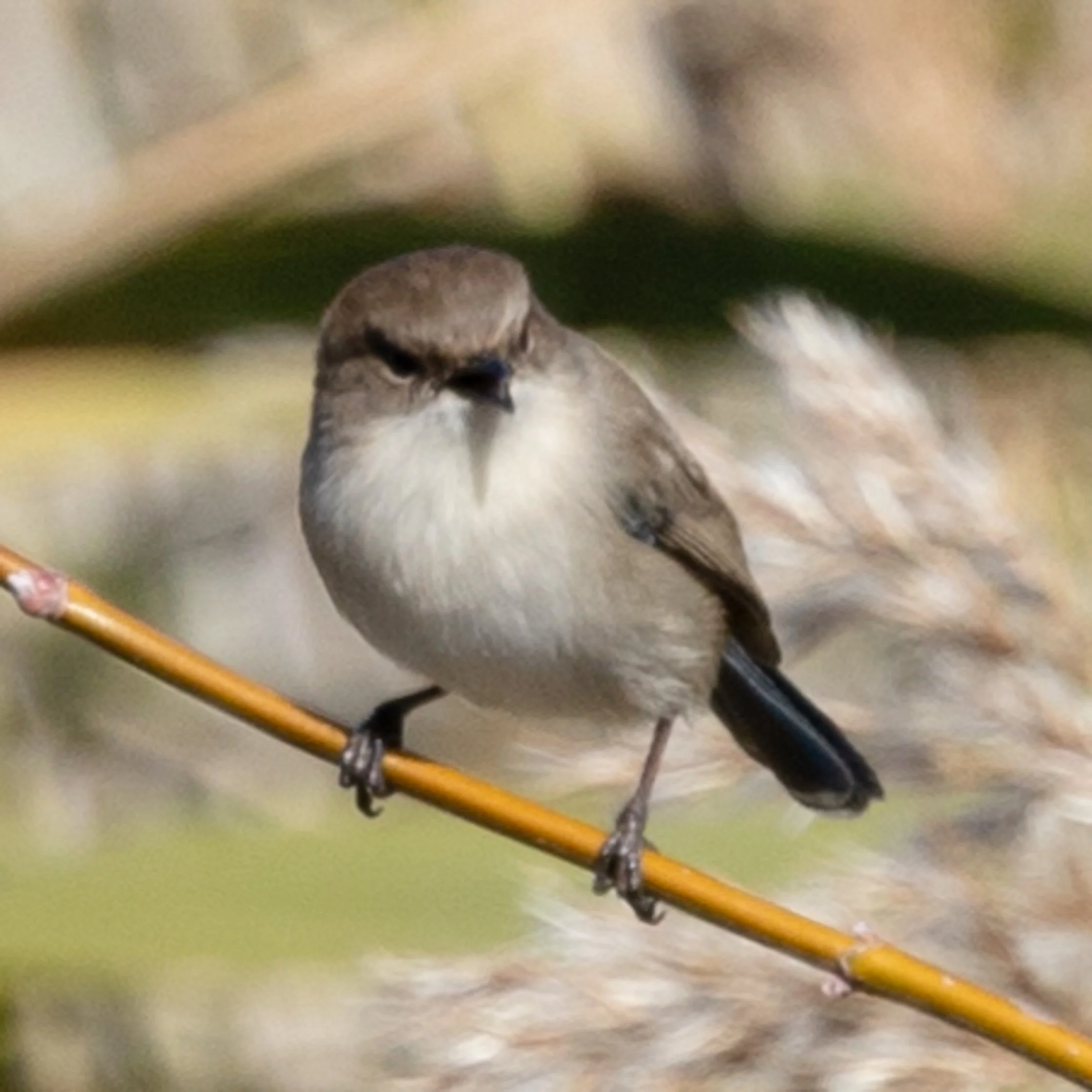
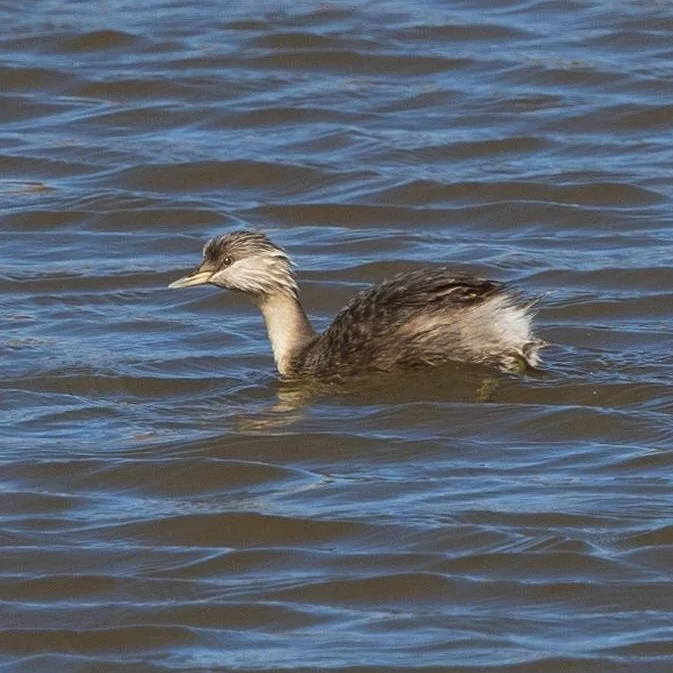
The wetlands attract a mix of resident, migratory, and endangered bird species, providing birdwatchers with a unique opportunity to spot waterbirds, raptors, and bush birds all in one area.
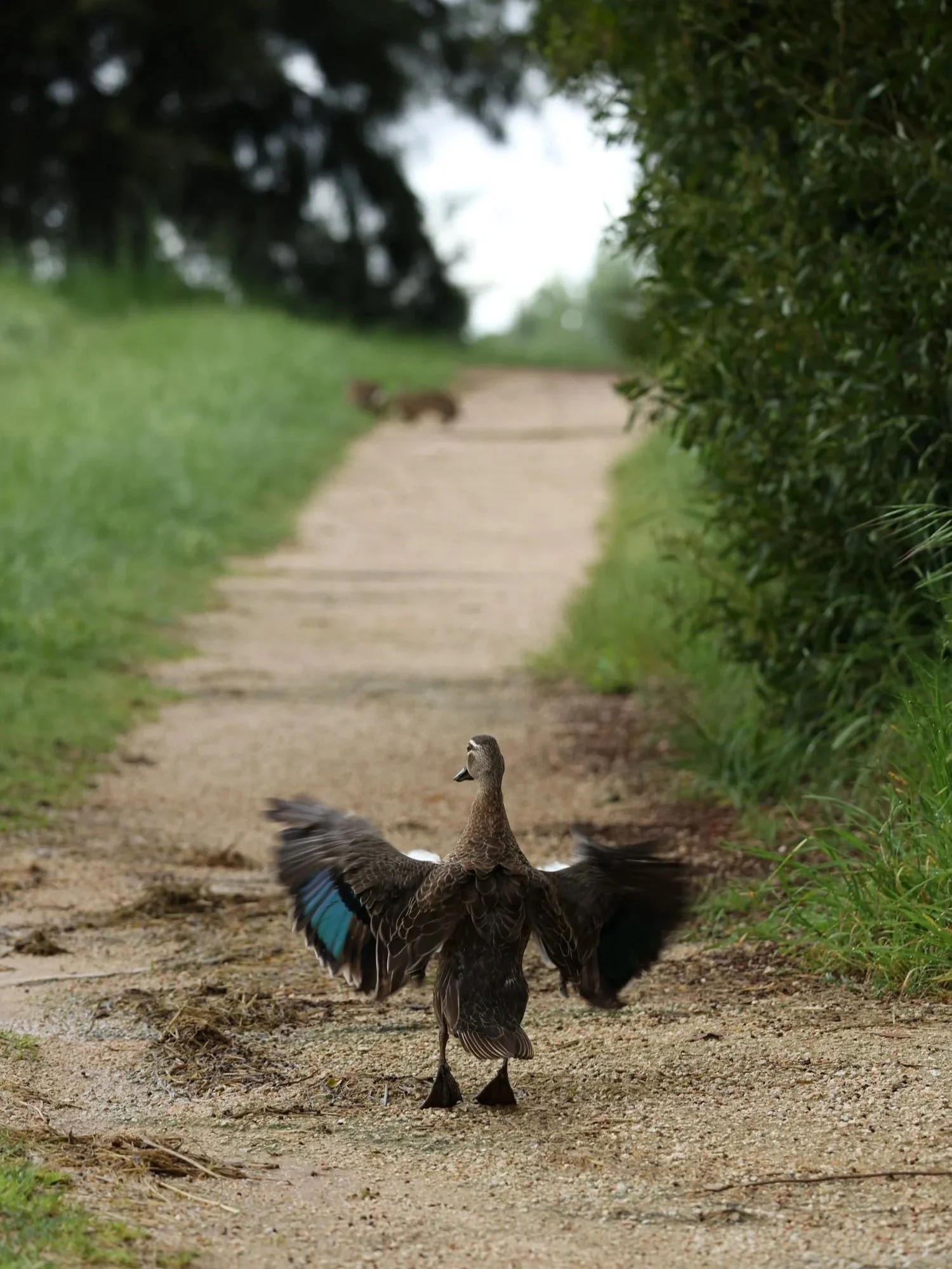
Upwards of 170 different bird species have been recorded here, too many to list, but among those commonly seen on the water are black swans, Pacific black ducks, spoonbills, cormorants, great egrets and white-faced herons. Australasian darters, reed warblers and swamphens are often seen among the reeds and shoreline.
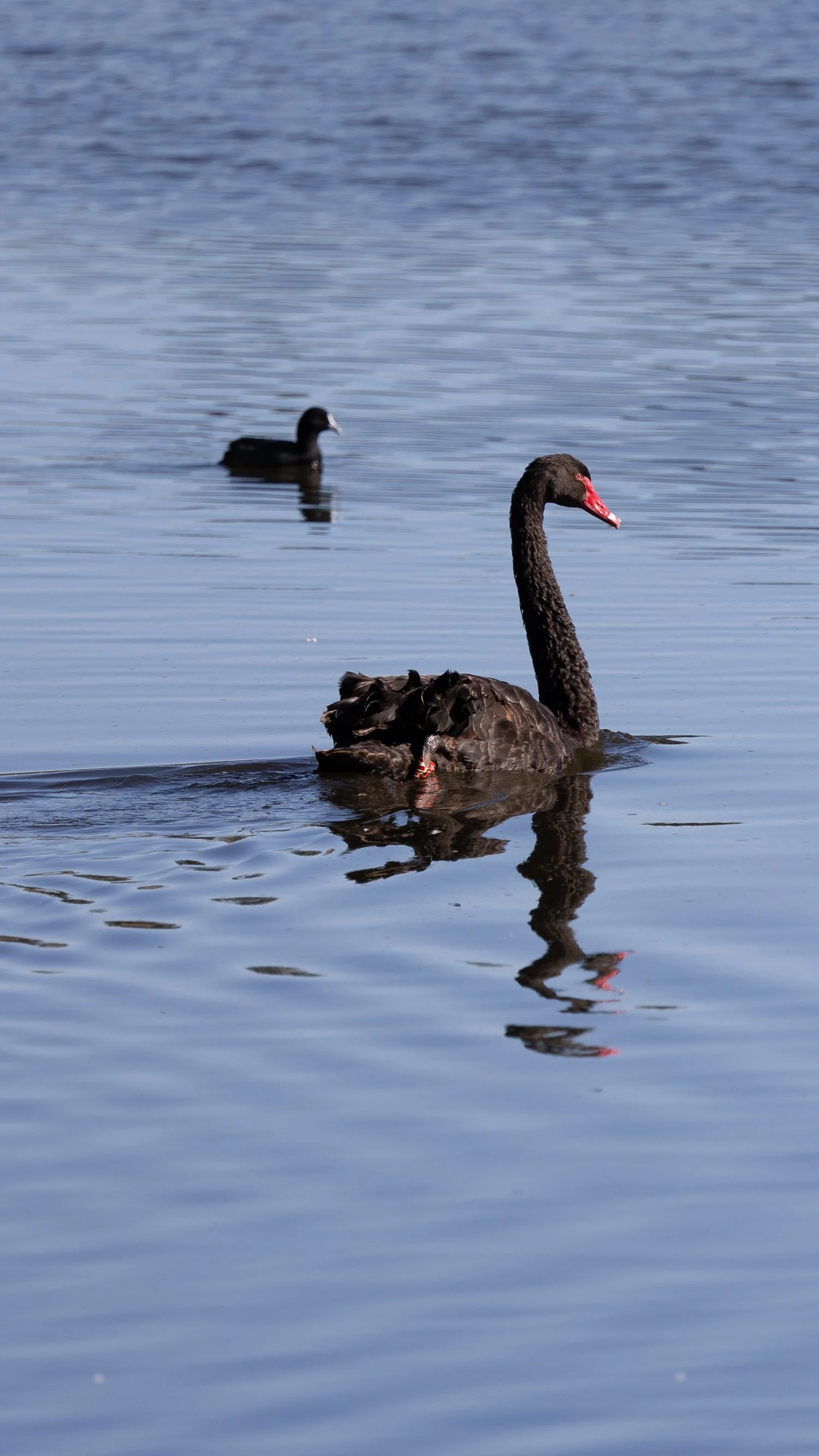
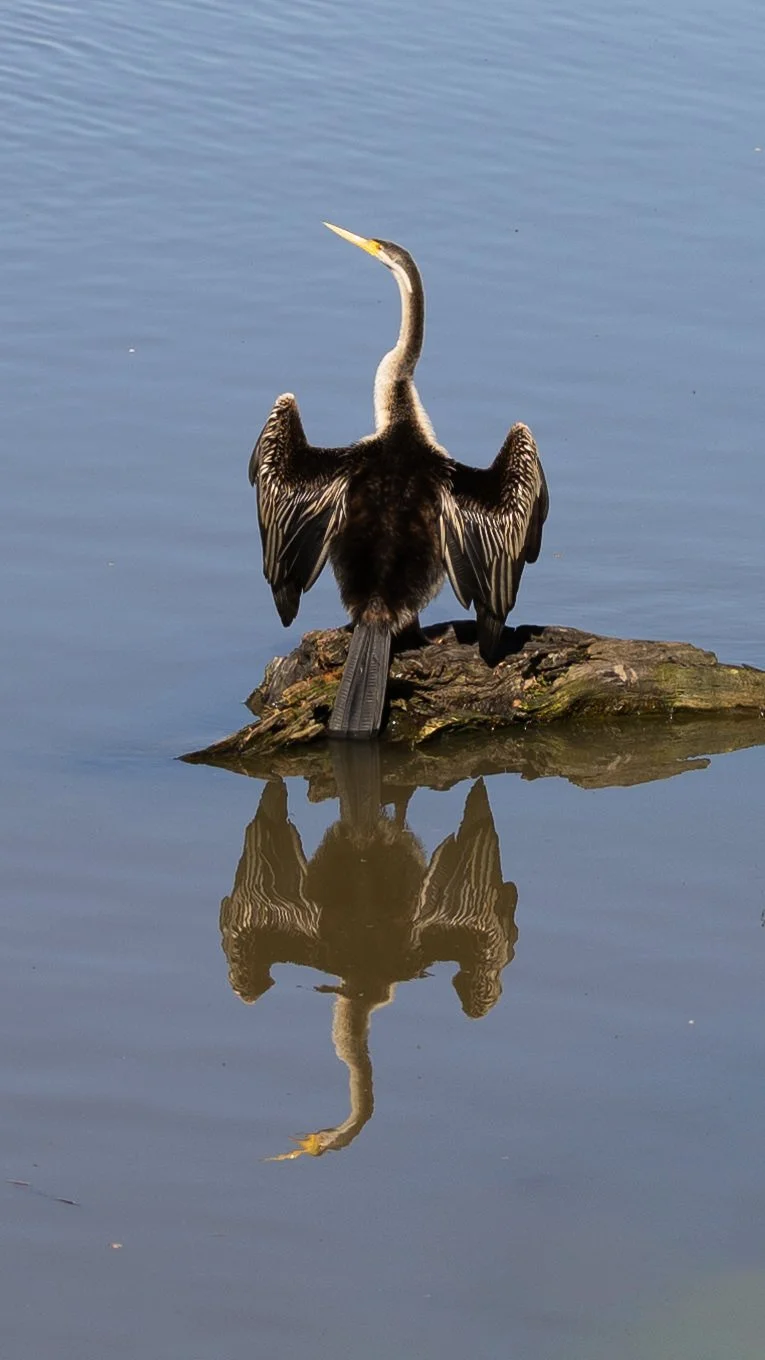
Among the track edges and woodland fringes, smaller birds like Superb fairywrens, New Holland honeyeaters and finches are often seen.
Migratory shorebirds, including species that travel from inland Australia and the Northern Hemisphere, use the wetlands as feeding and resting habitat. And raptors such as the Whistling Kite and Brown Falcon are sometimes seen overhead.
Other Wildlife
The combination of wetland and woodland environments also provides habitats for mammals, amphibians, reptiles, and invertebrates. Eastern grey kangaroos are common here and are best seen in the morning and late afternoon or evening.
In the water, look out for long-necked turtles and platypus, and listen out for the Pobblebonk or Eastern Banjo Frog. You’ll know it when you hear it!
In the Area
If you're spending a few days in Canberra, this walk makes an interesting contrast to the Bridge to Bridge Walk around Lake Burley Griffin. While this walk is all wetlands and wildlife, the other showcases many of the city's major attractions including Old Parliament House, Parliament House, the National Museum of Australia, the National Library and the Australian War Memorial.
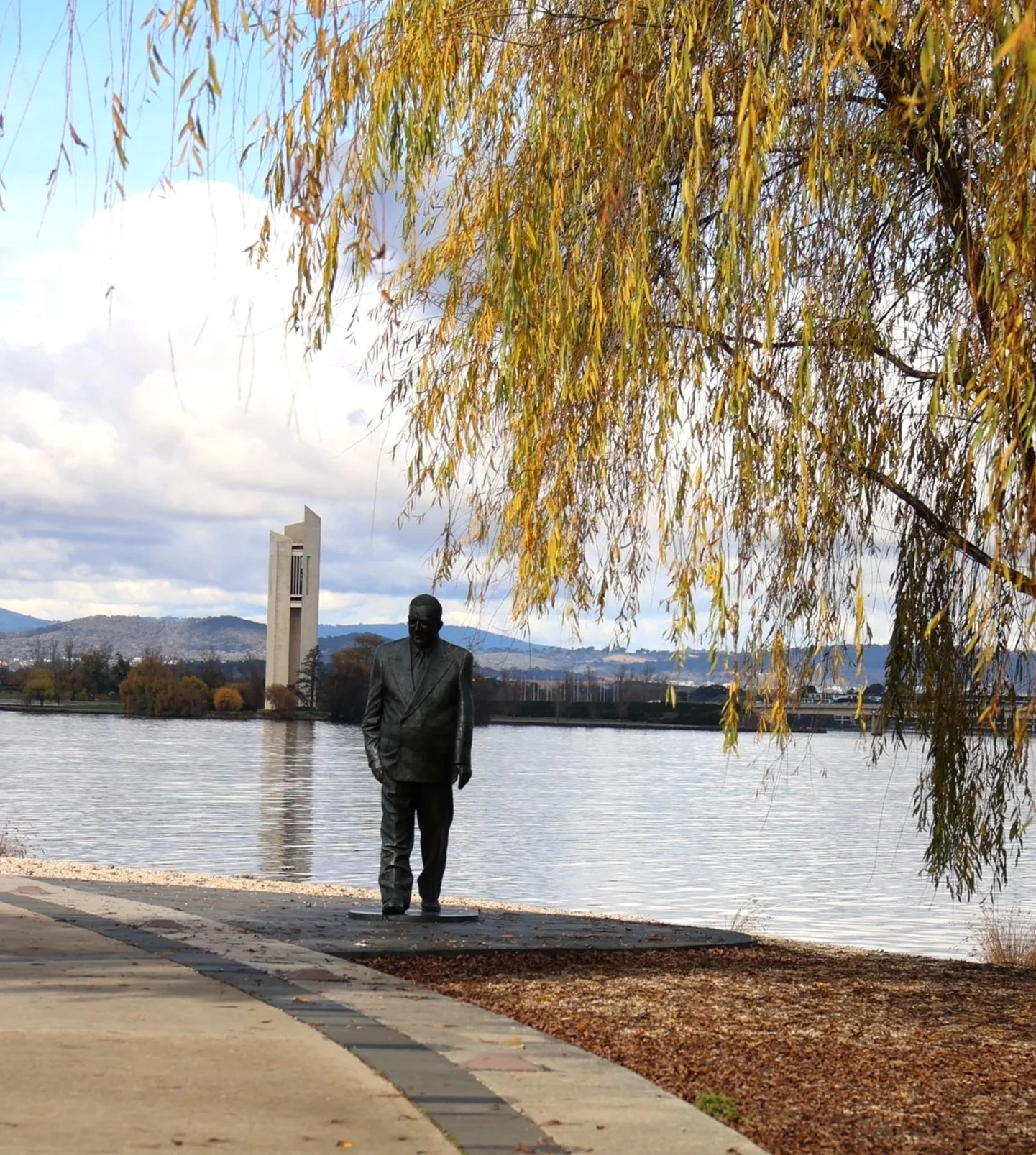
Robert Menzies on the Bridge to Bridge Walk