Walk Summary
This walk has a bit of everything — bush, river, mangroves, wetlands, wildflowers and plenty of wildlife. The loop links Lime Kiln Bay, Oatley Baths, Oatley Park and Frog Hollow, tracing bush and foreshore tracks around the Georges River.
Location Oatley in Sydney’s south
Distance 6 km
Time 2-3 hours
Difficulty Easy/Moderate
Getting to Lime Kiln Bay
The walk starts at the bridge over Lime Kiln Bay. Park in Jinna Road or Pamela Avenue, then follows the path through Yawolloh Reserve to the bridge. There’s parking elsewhere along the loop, so you can also start from another point if it suits.
Walking the Trail
The walk begins at Lime Kiln Bay, crossing the footbridge before heading into Oatley Park and onto the Headland Track. From there, it loops around the Georges River foreshore through Oatley Park, Frog Hollow and the wetlands before returning through the mangroves to Lime Kiln Bay.
The Headland Track
The Headland Track is a circular bush trail — a smaller loop within the larger Lime Kiln Bay & Oatley Park walk, and a good option if you’re short on time. The track is mostly level, with some rocky sections and a few stairs.
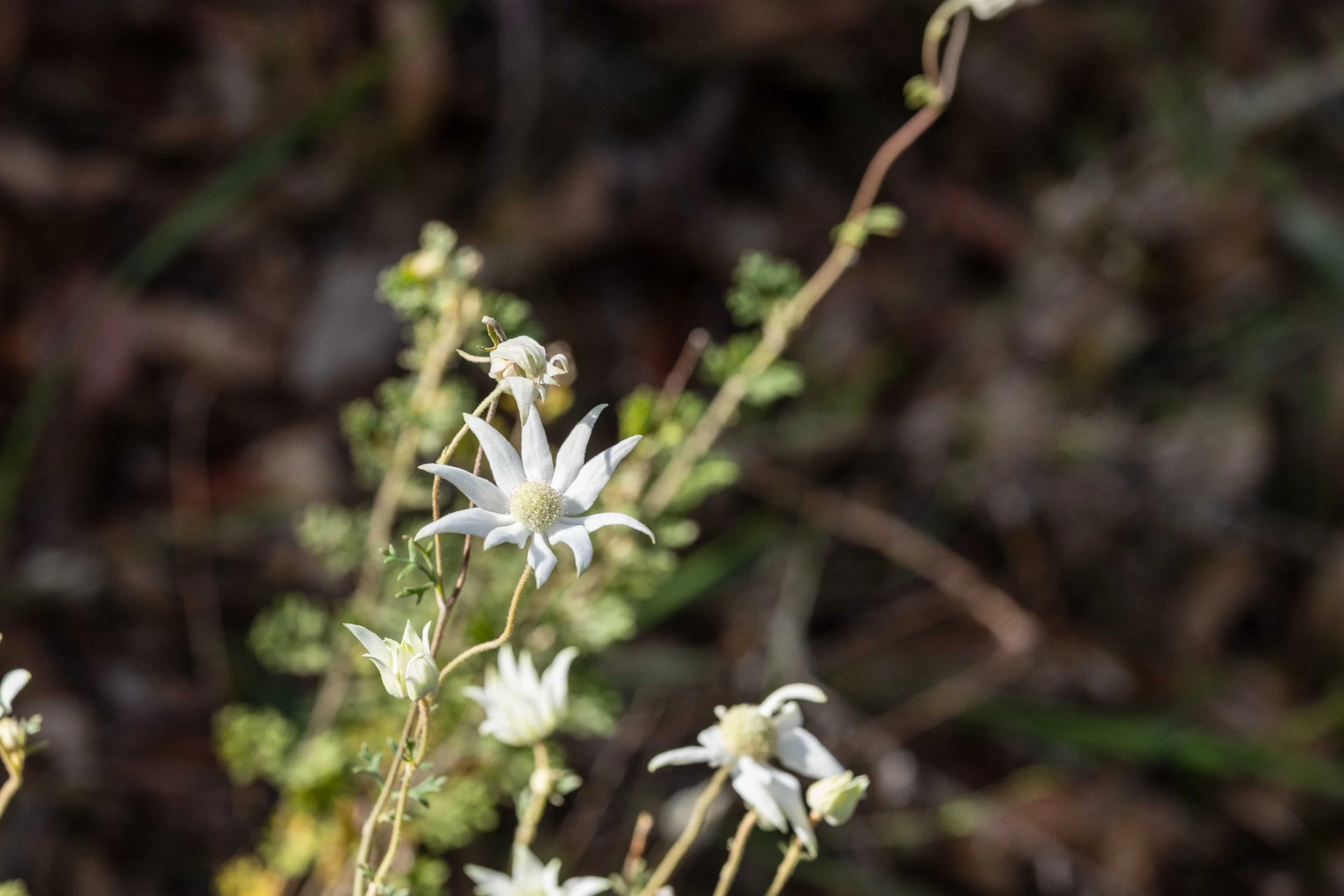
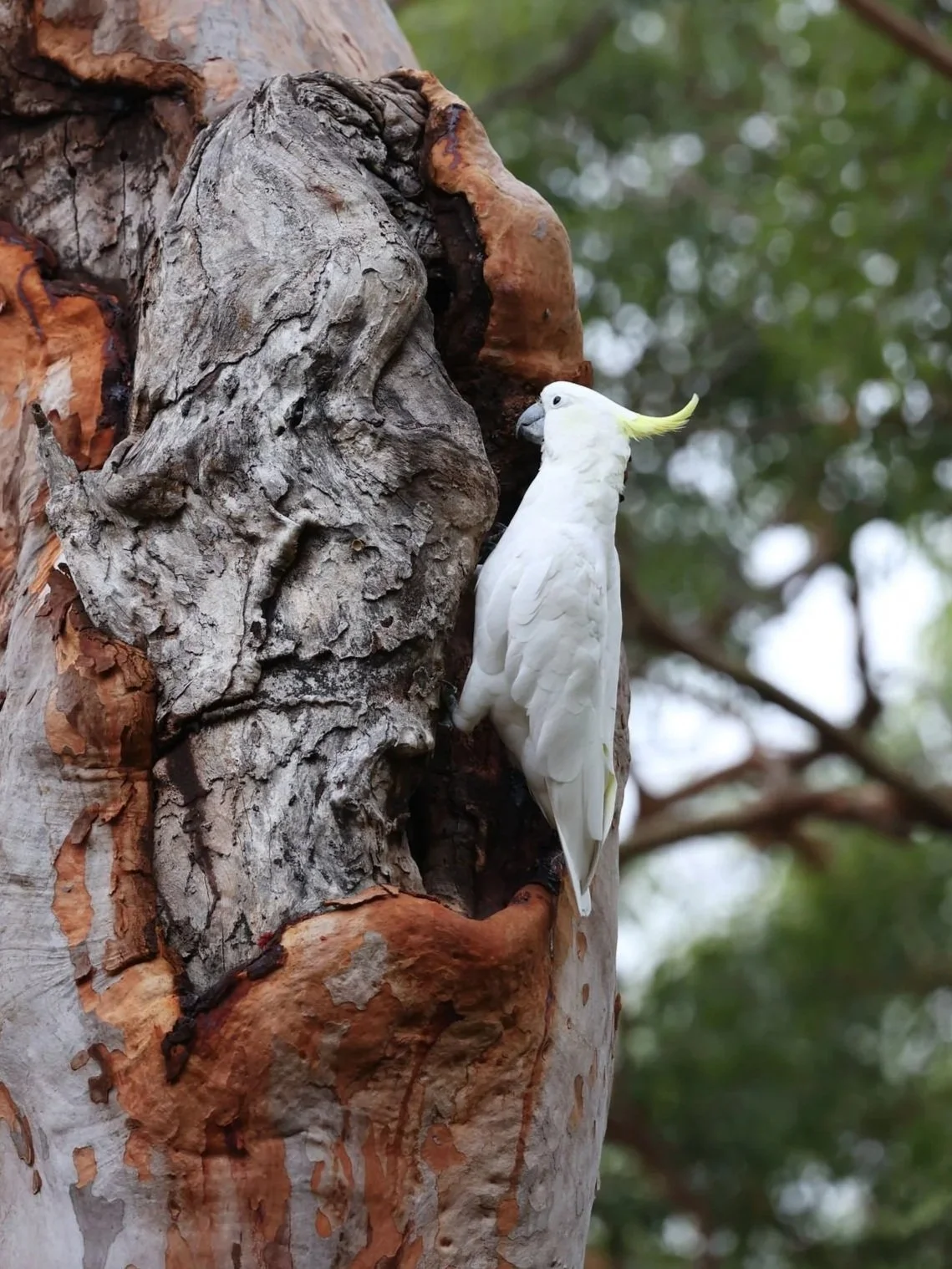
Tall angophoras line the track, providing habitat for nesting birds and possums. You’ll also pass sandstone outcrops once used as shelter by the Bidjigal people of the Eora Nation, the original custodians of this land.
Across the river, you may notice remnants of old oyster beds. Oyster farming began here in the late 19th century and continued until 1994. In earlier times, oyster shells from Aboriginal middens were burnt in kilns along the bay to produce lime for mortar — giving Lime Kiln Bay its name.
As the track curves around the headland, views open out over Lime Kiln Bay and Lugarno, with the old Como Bridge and Oyster Bay visible in the distance.
Oatley Baths & Jewfish Bay
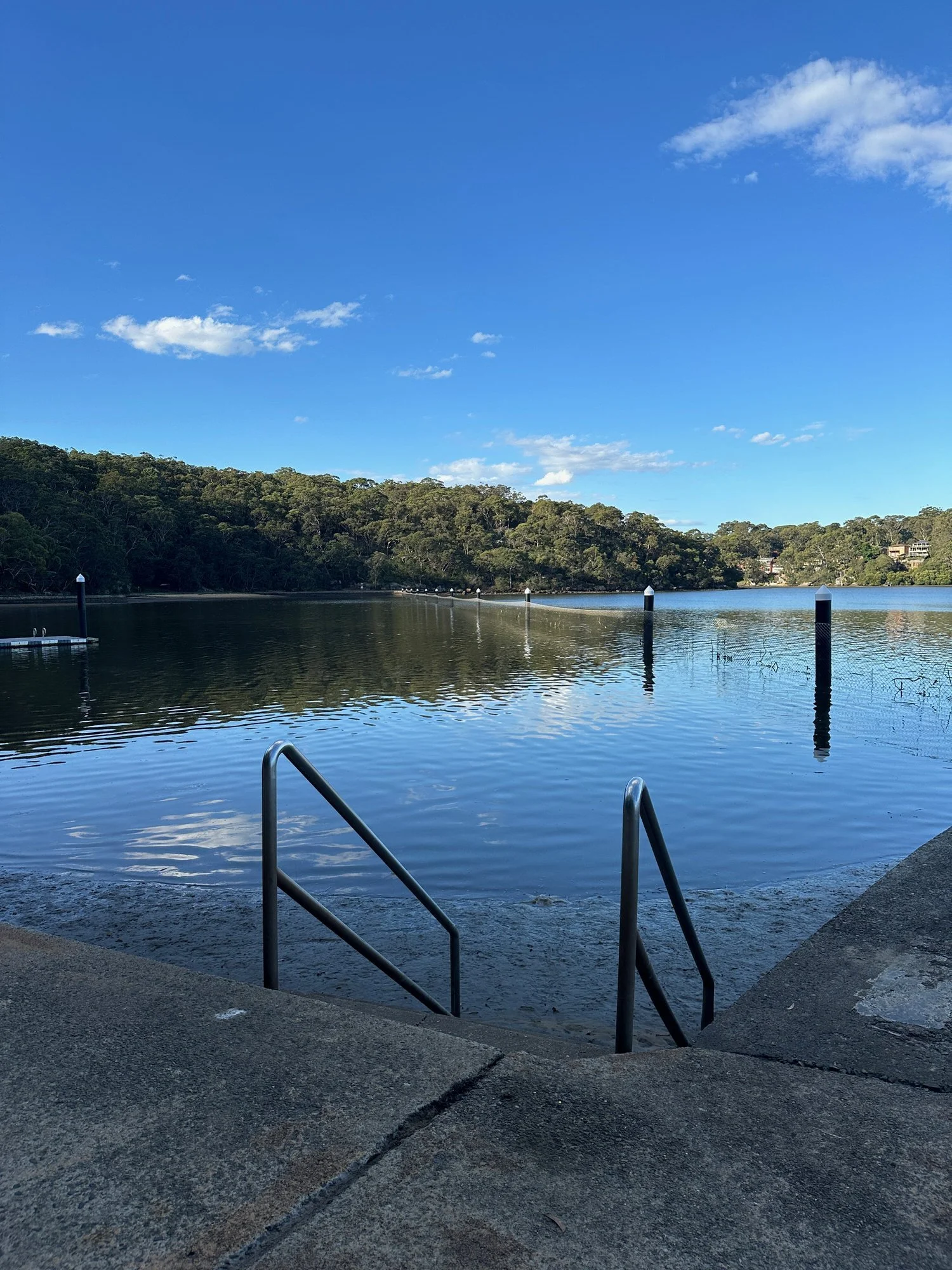
On the far side of the headland is Jewfish Bay, where stairs lead down to the water and Oatley Baths, marked by a shark net suspended just offshore. Oatley Baths has been home to the Oatley Amateur Swimming Club since 1927.
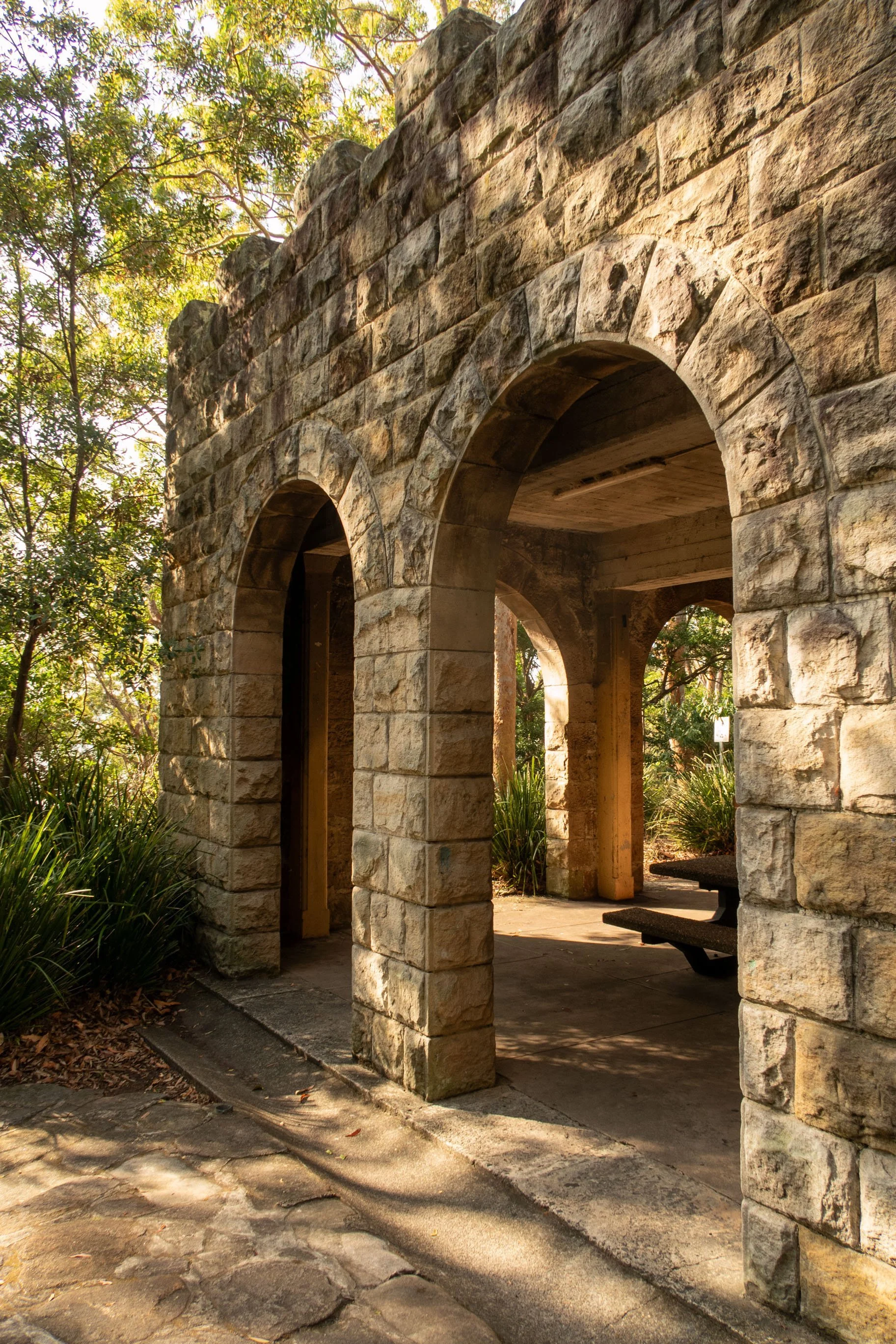
Just above the baths, slightly off the track, is a structure known as The Castle. Somewhat out of place, it resembles a small medieval tower. Built during the Depression as part of an unemployment relief scheme, it was once a kiosk and is now a picnic and barbecue area.
Through Oatley Park
From here, the track follows the water briefly before climbing back through the bush.
Cross the park road and continue on the bush track opposite. The path winds through bushland, passing close to the football oval before reaching Oatley Bush Park Playground.
The playground is the kind I wish I’d had access to when I was a kid. It has a 12-metre play tower and slide, flying fox, swings, sandpits and more.
Just beyond the playground, a bush path heads down towards the clearing known as Frog Hollow.
Frog Hollow & Lime Kiln Wetlands
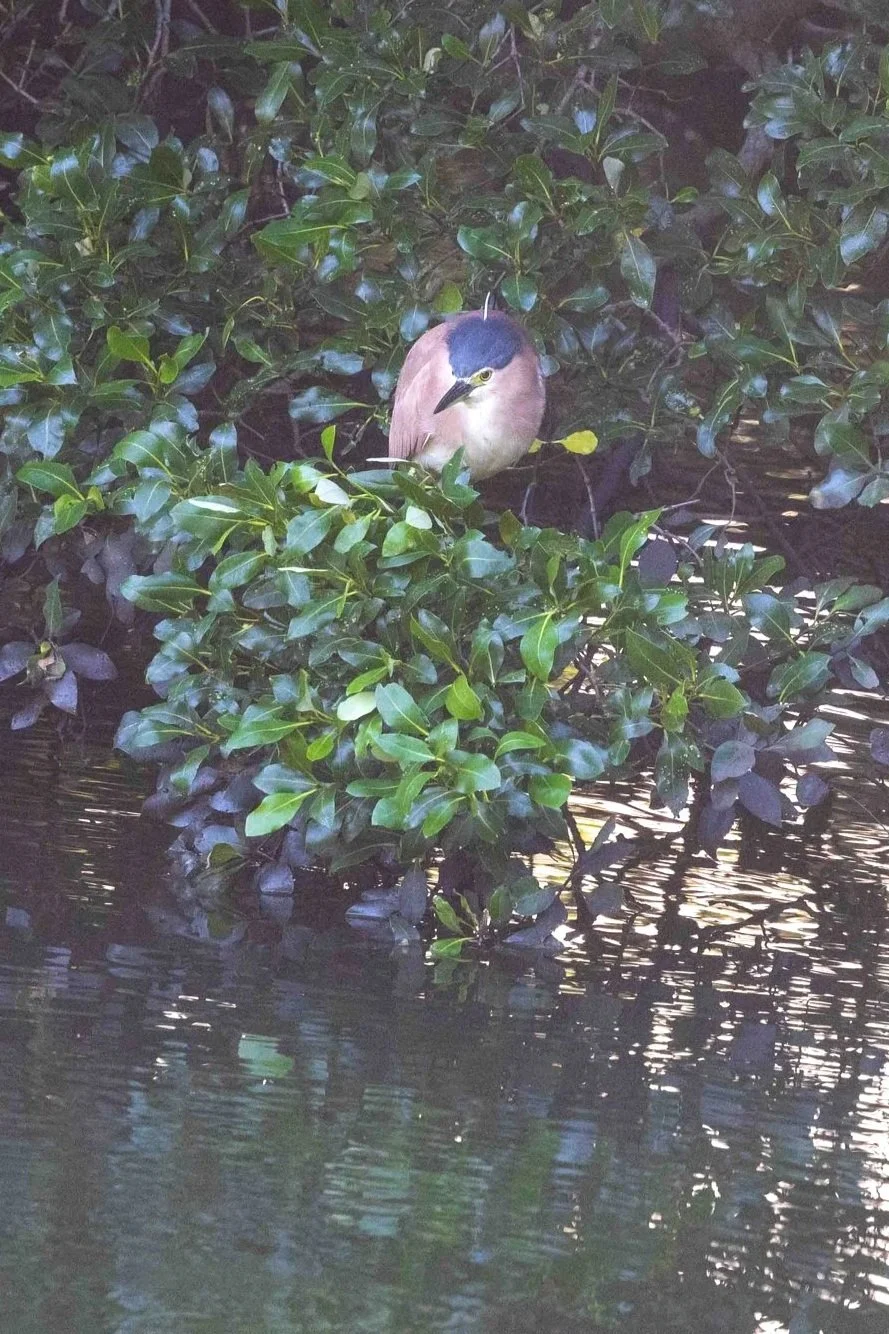
The bushland here and the wetlands ahead are home to some of the many species of birds that live and hunt in Oatley Park.
On one of my visits, a local birder kindly pointed me to one of the resident Powerful owls near Frog Hollow.
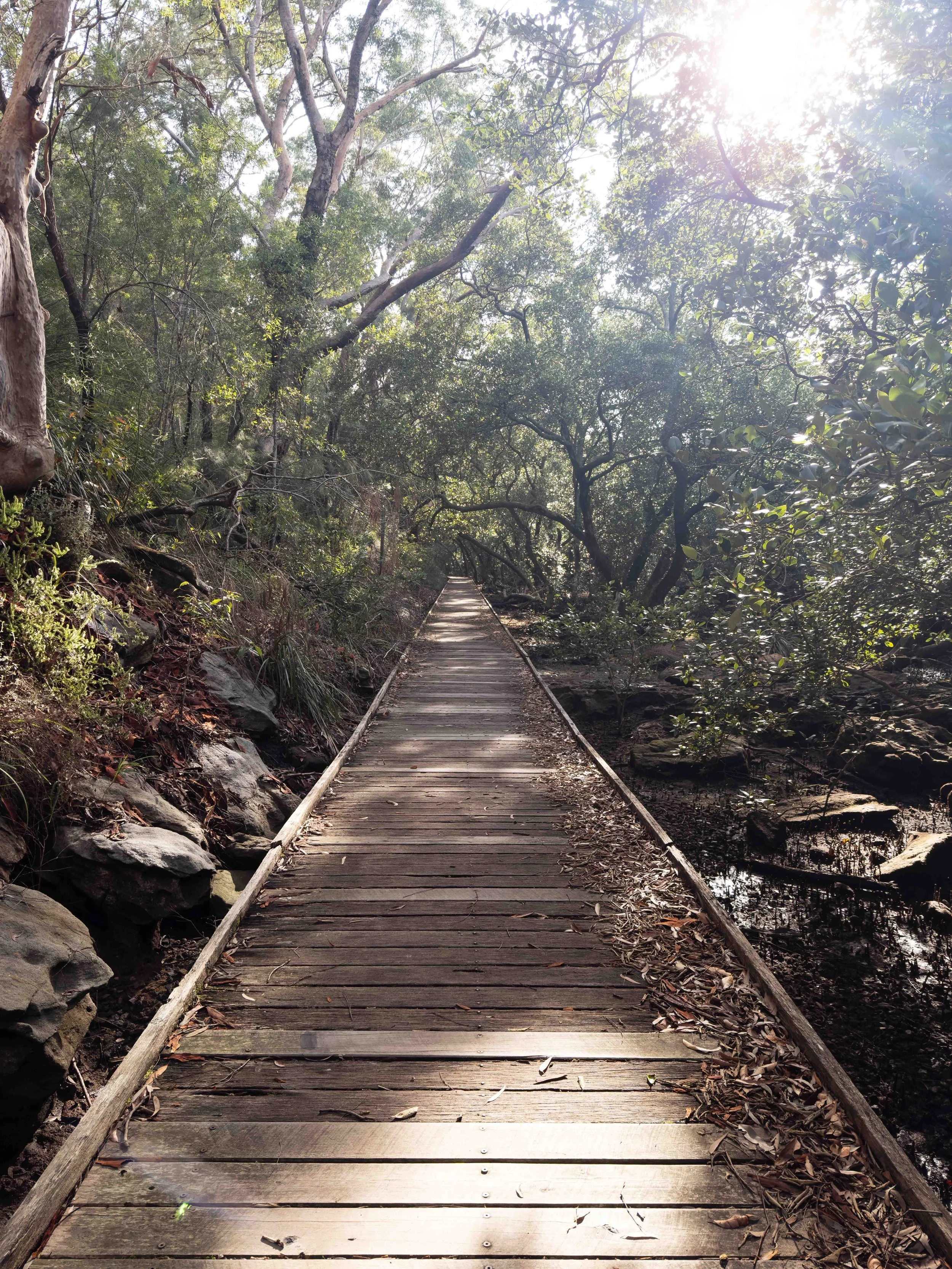
Beyond Frog Hollow, the track drops towards the wetlands and eventually reaches the mangrove boardwalk.
The raised platforms give you a close look at the mangrove ecosystem — roots, mud, crabs and foraging birds — before the track returns to Lime Kiln Bay.
In good light, the mangroves sparkle with dappled sunlight; later in the day, the low canopy creates a darker, almost eerie feel.
Wildlife at Lime Kiln Bay & Oatley Park
The best part about this walk, for me at least, is the richness of native fauna and flora.
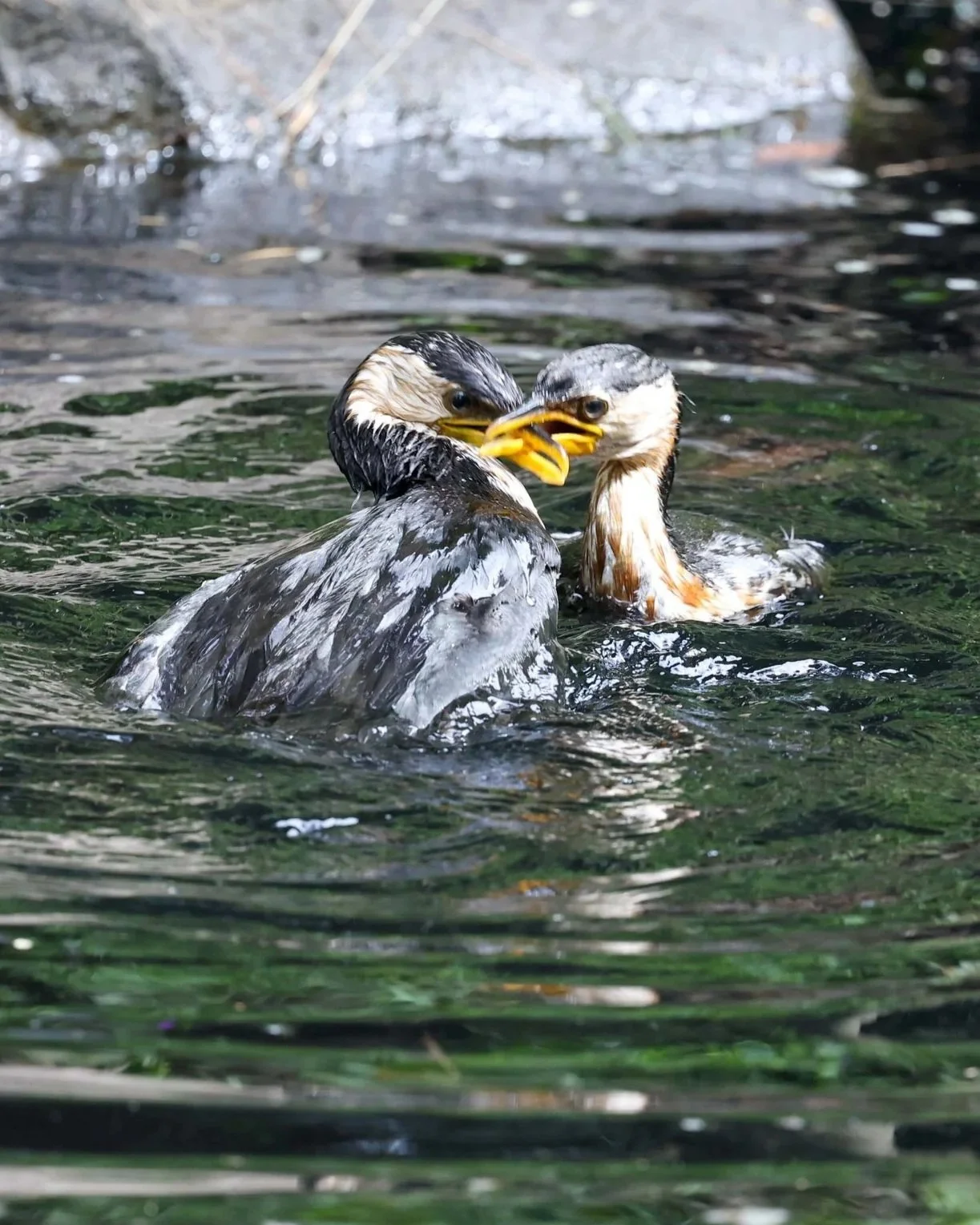
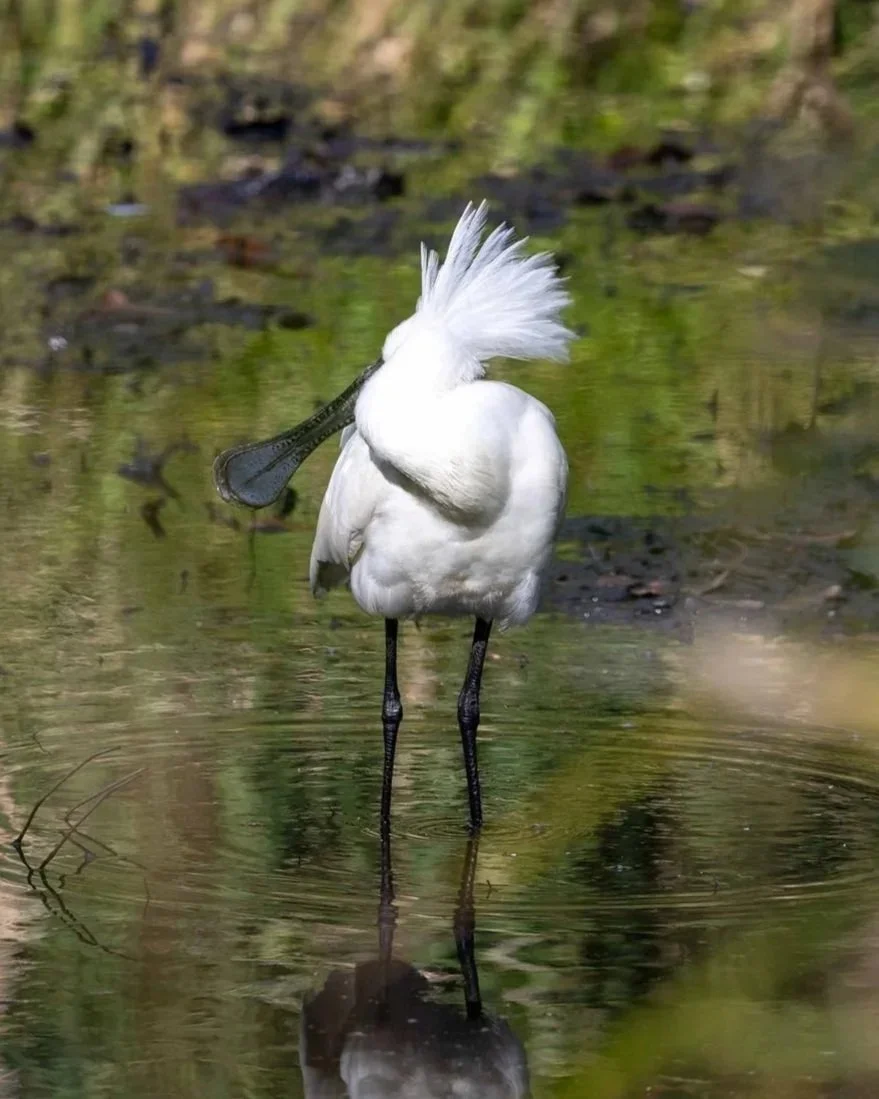
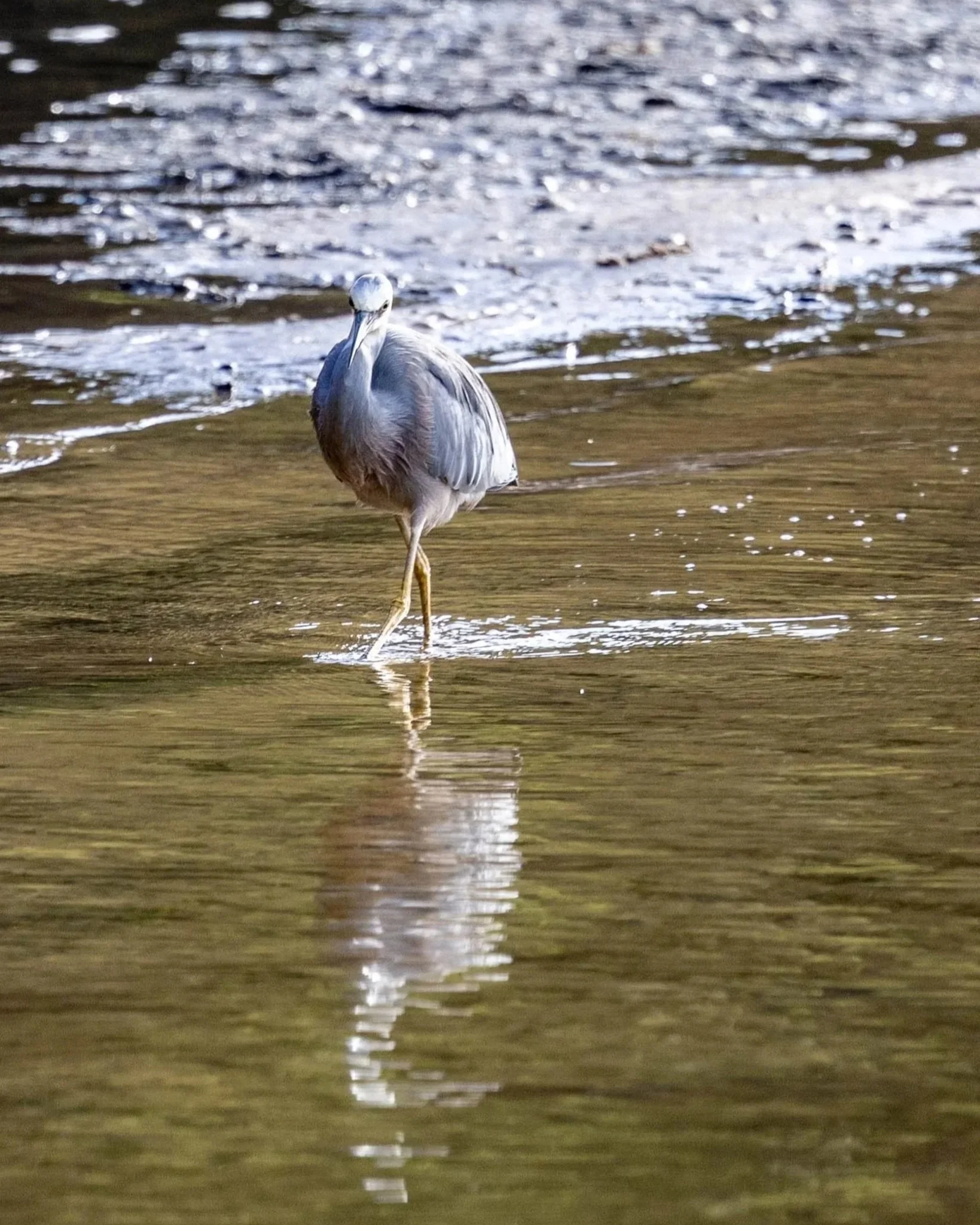
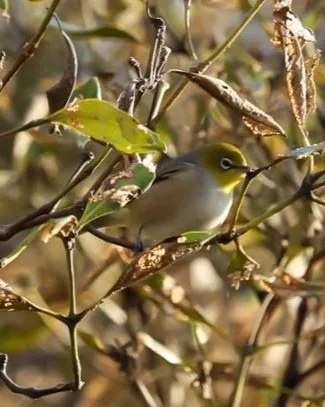
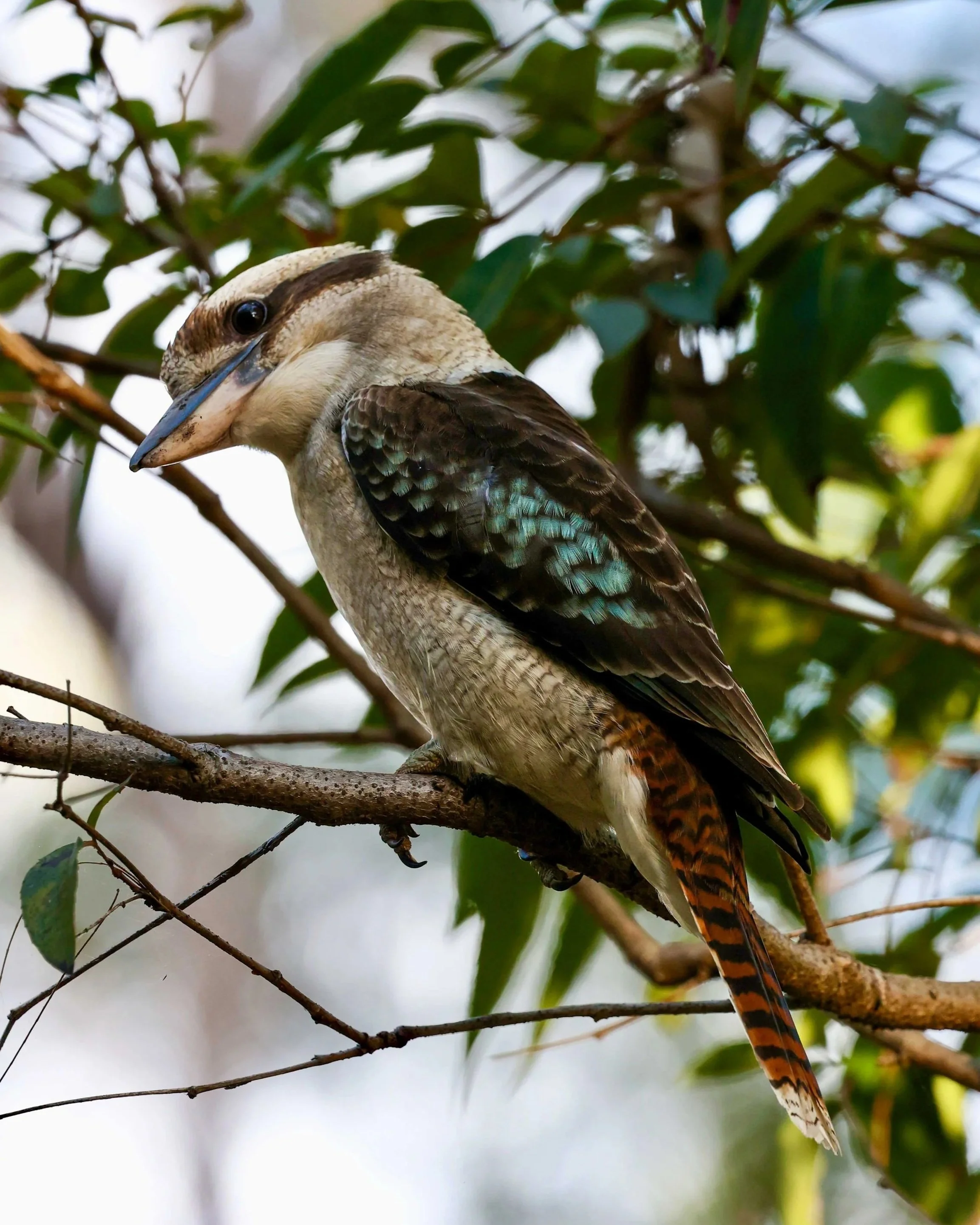
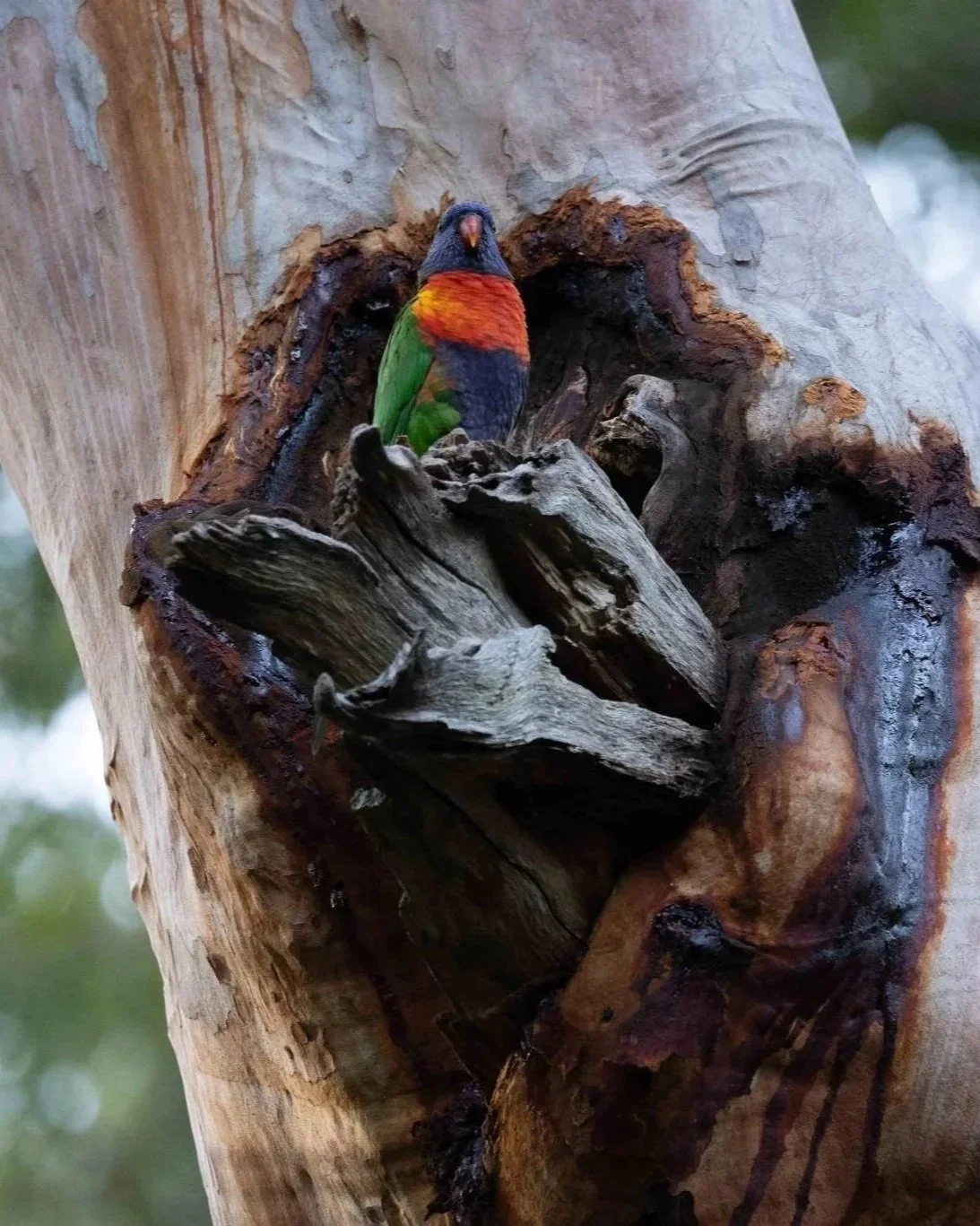
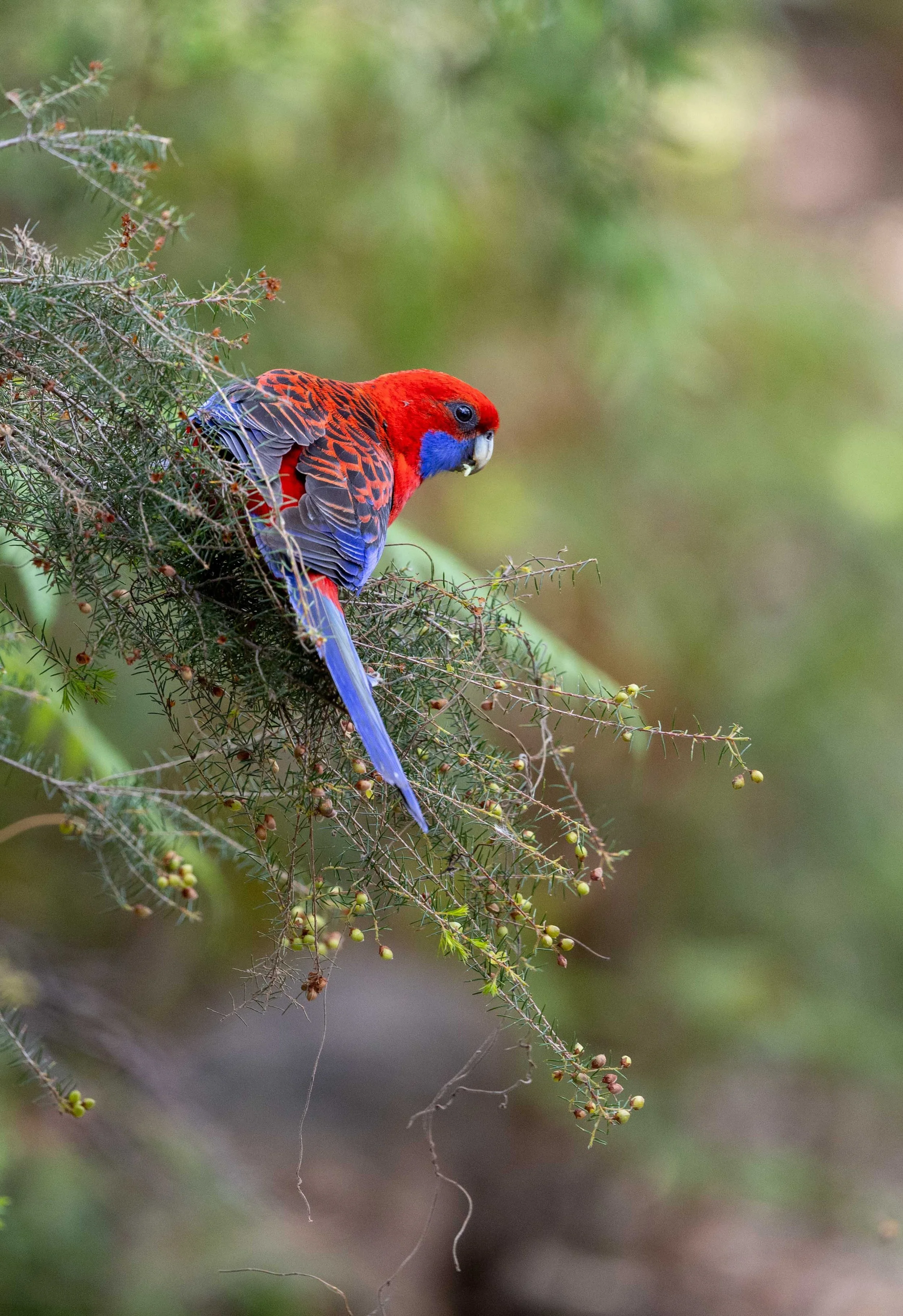
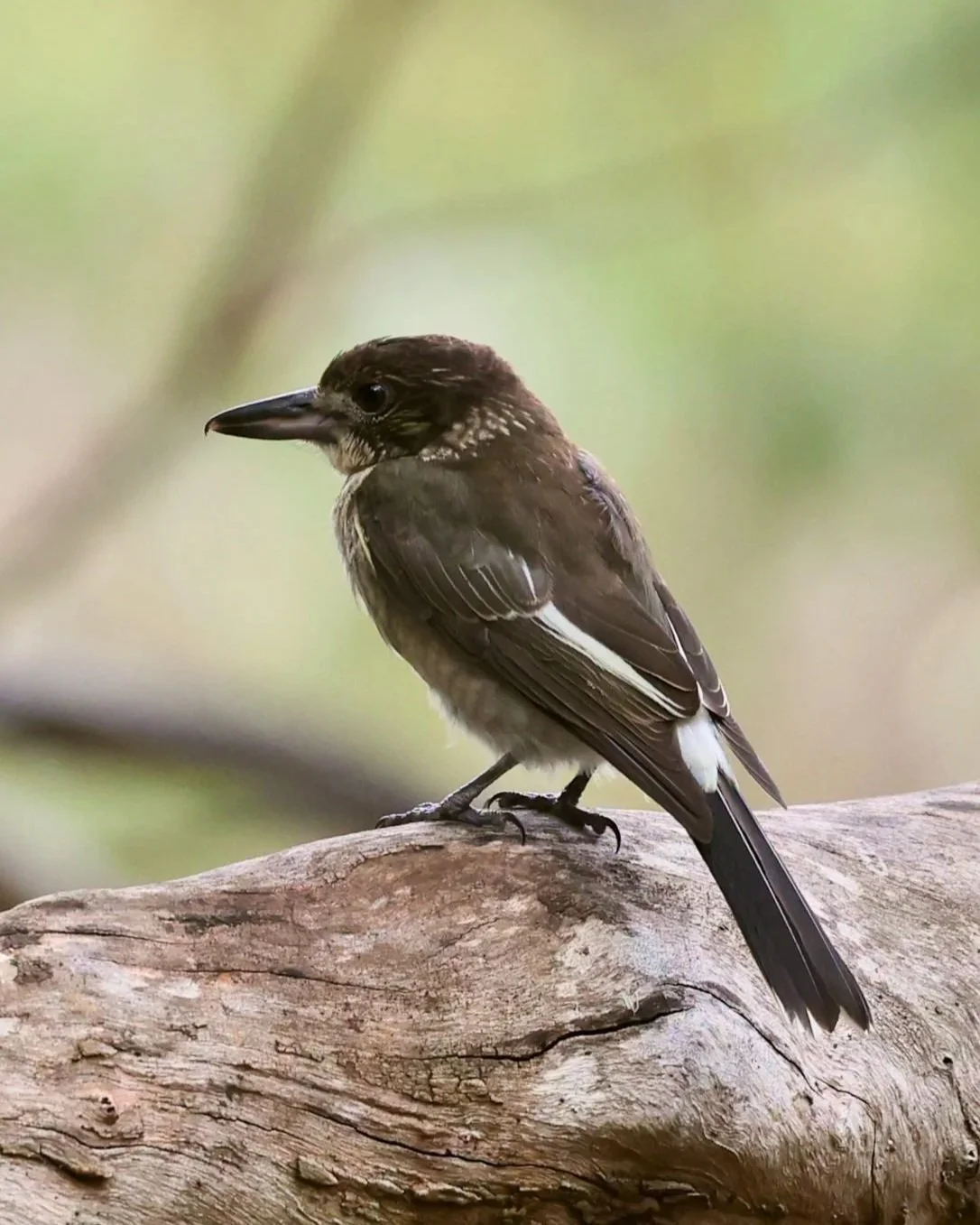
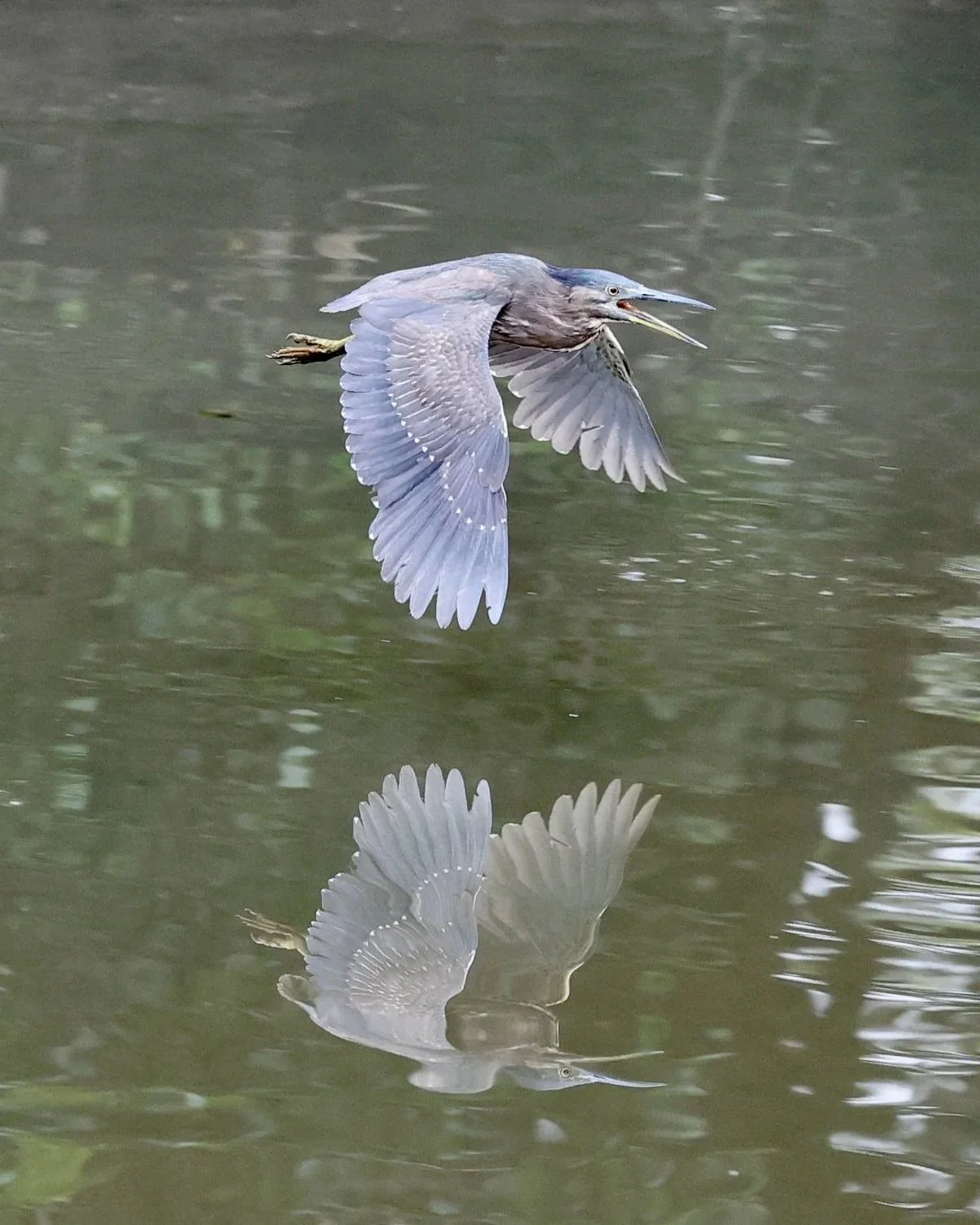
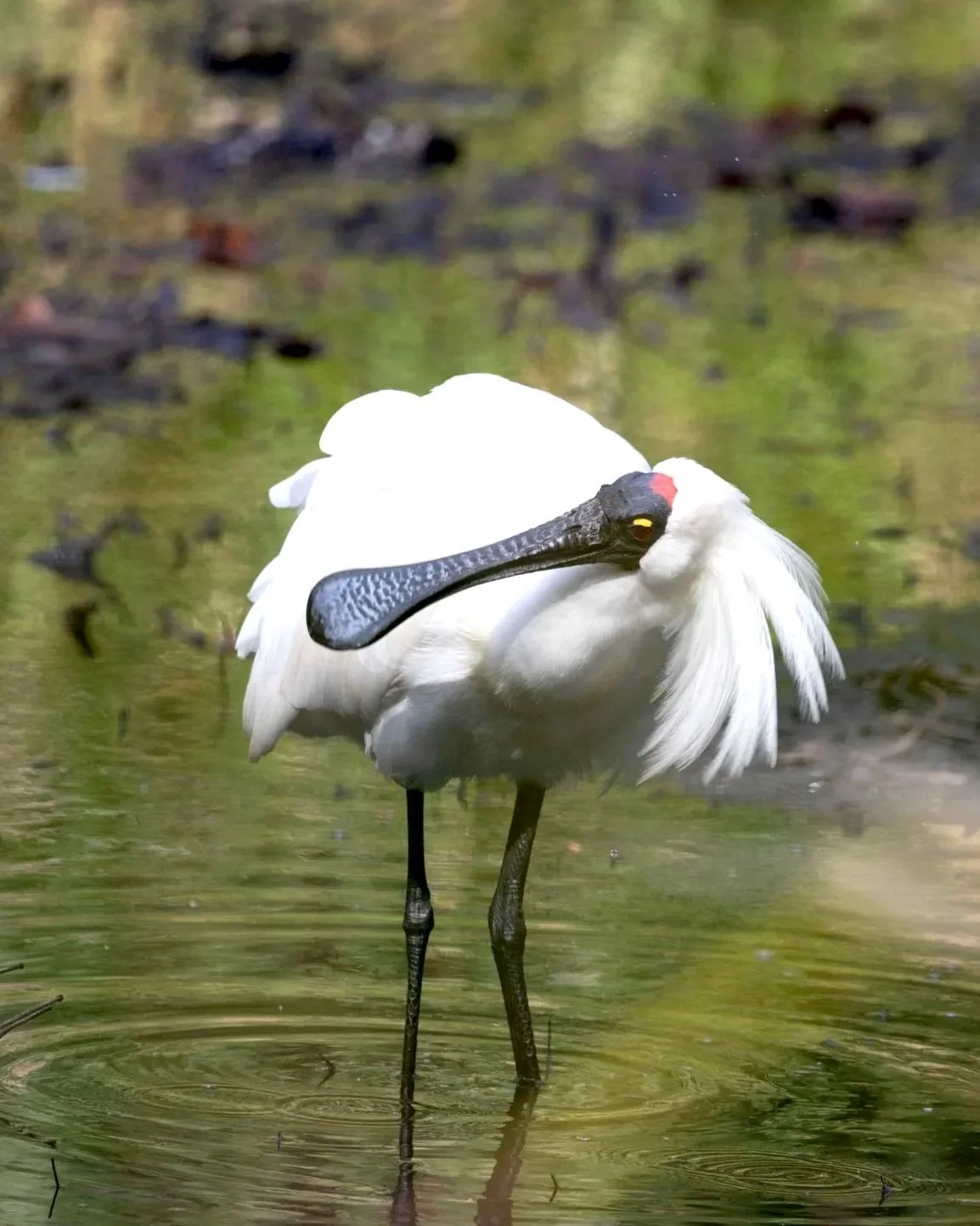
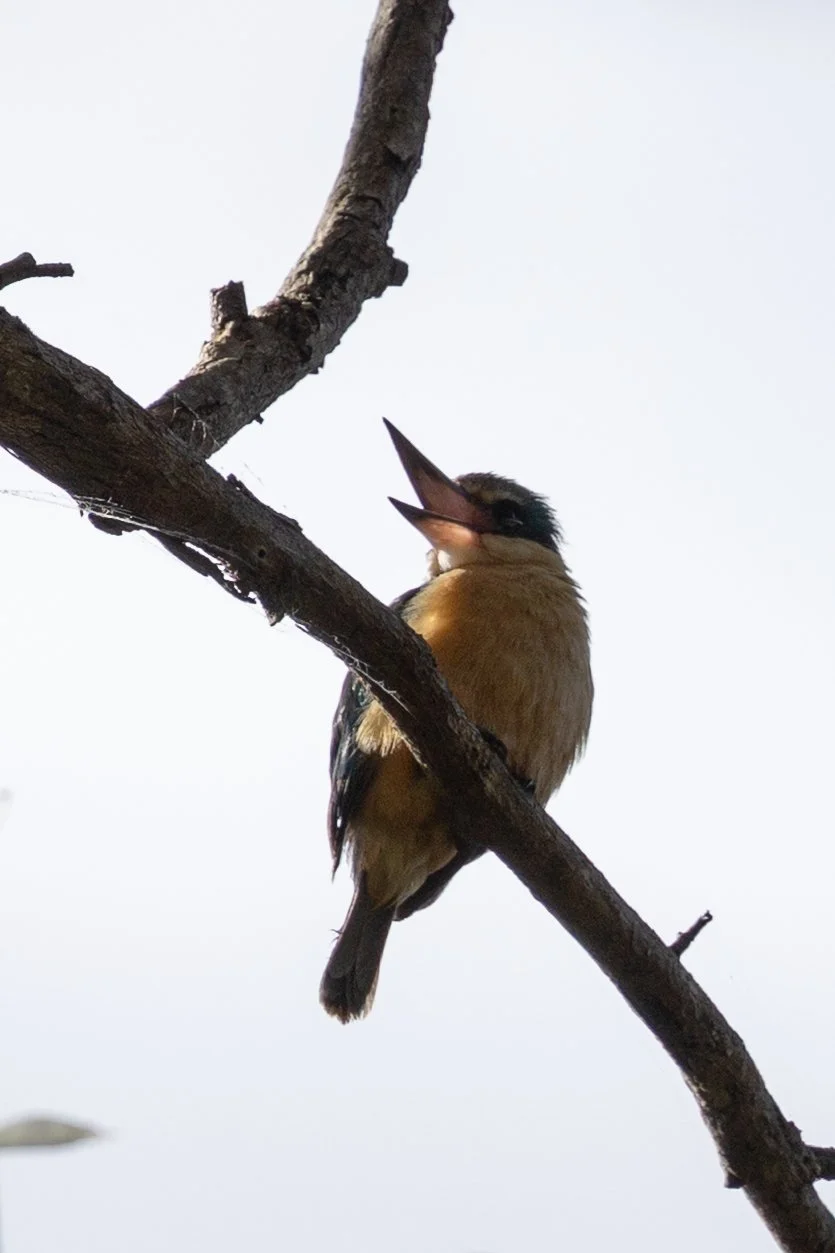
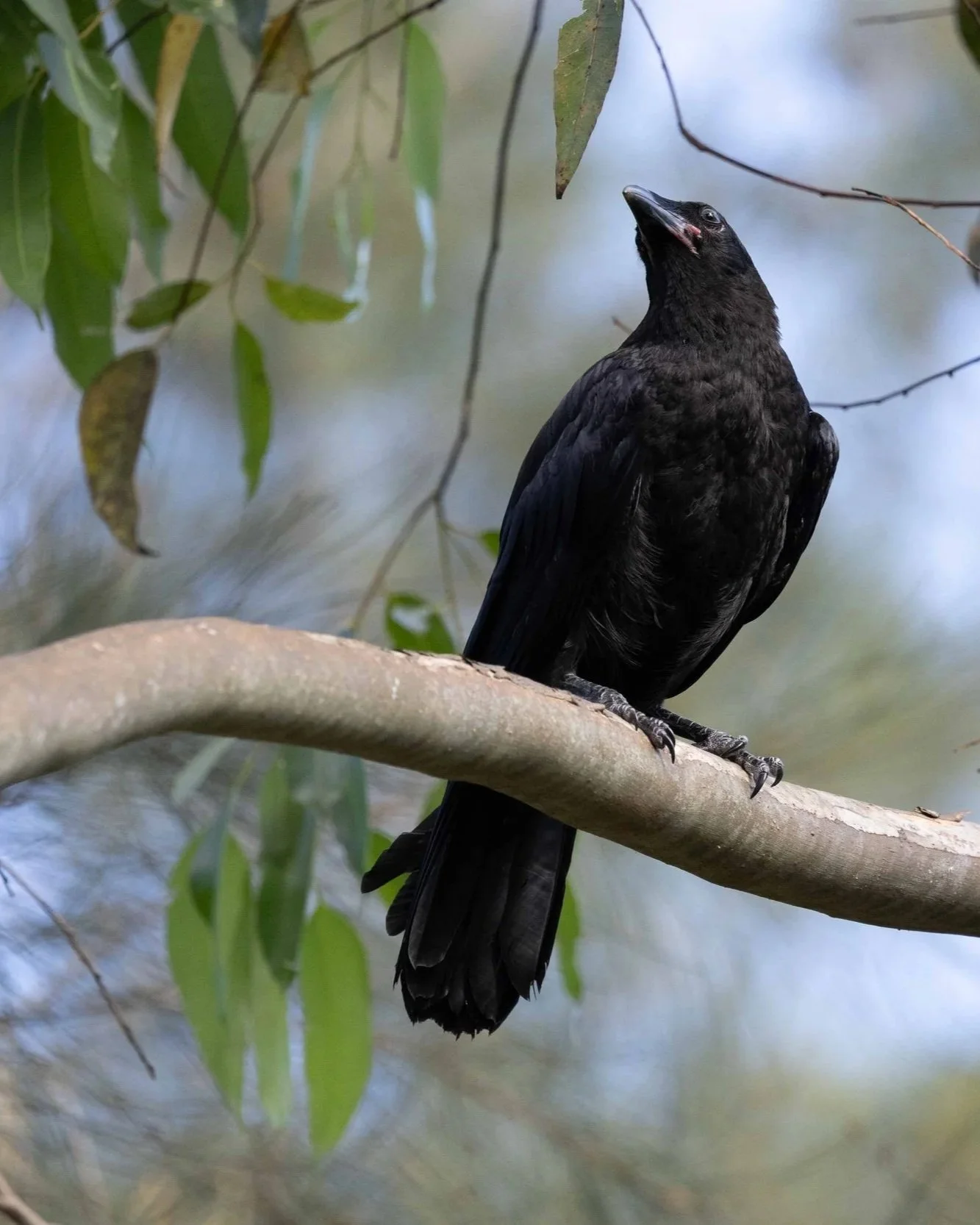
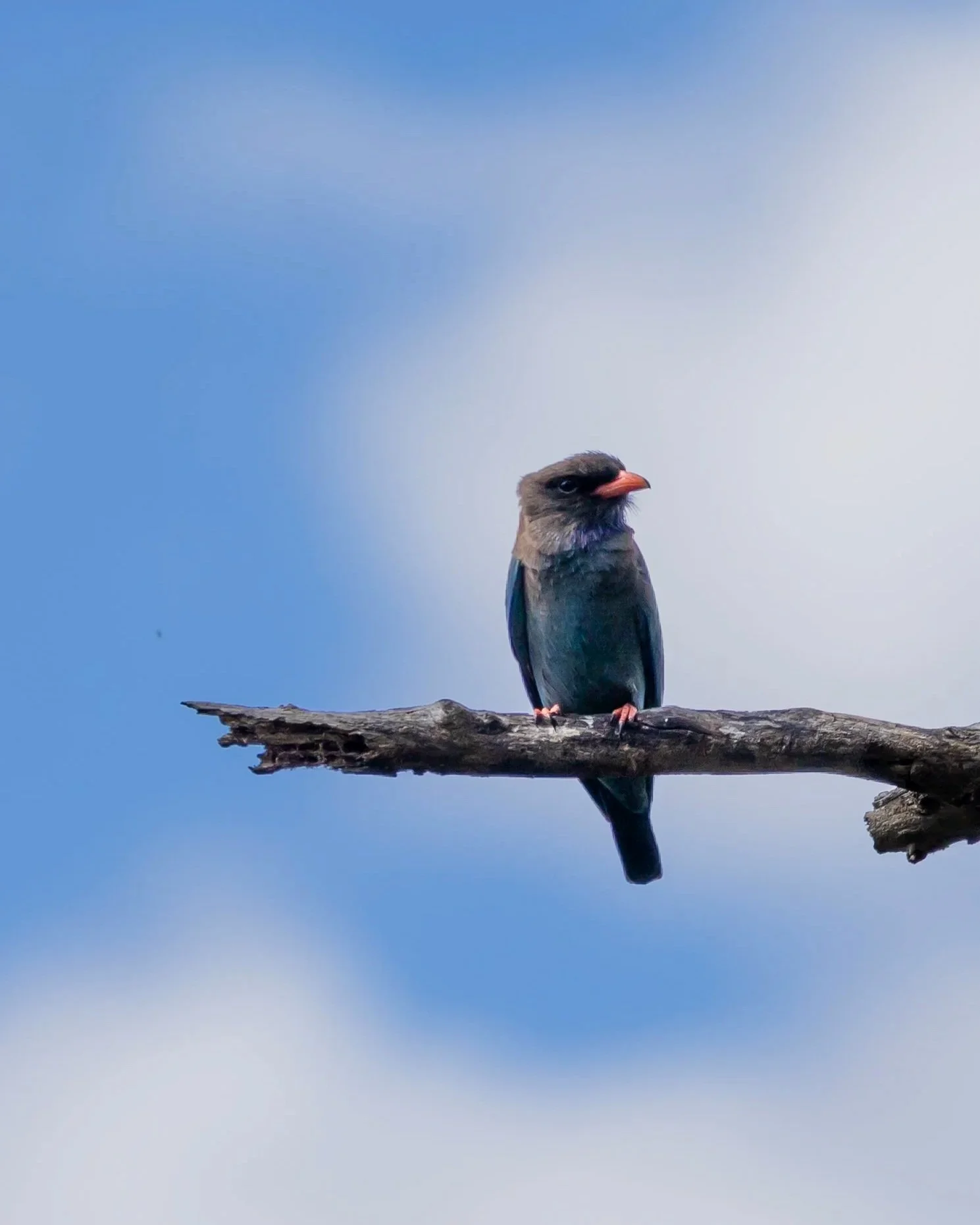
Birdlife is particularly abundant. Tiny Silvereyes and Fairy-wrens can be found alongside parrots, cockatoos and wetland birds, while raptors are sometimes seen overhead. Around the wetlands and estuary, look for herons, cormorants, spoonbills, ibis, ducks and swamphens.
The different habitats are a big part of the reason for that diversity. Oatley Park contains sandstone woodland and mature trees with nesting hollows, while Lime Kiln Bay adds mudflats, mangroves, reed beds and constructed freshwater wetlands.
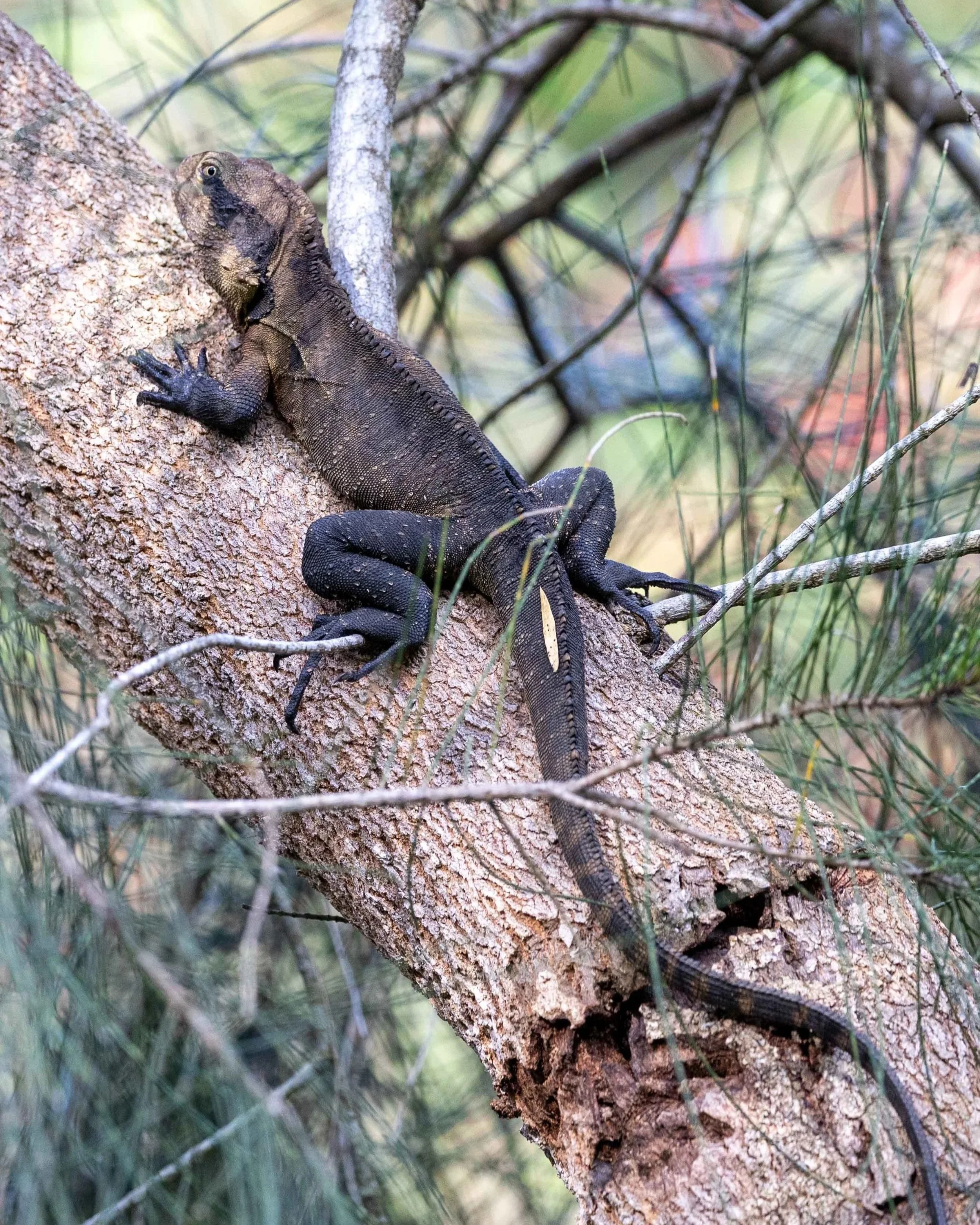
Other wildlife recorded around the park and wetlands includes Ringtail and Brushtail Possums, Grey-headed Flying-foxes and several species of microbat. Eastern Water Dragons can often be seen around the creek and wetlands, along with frogs and crabs.
The plant life is just as varied. Large trees include Coastal Angophoras, Sydney Peppermints, Scribbly Gums and Red Gums. Wattle is abundant among the smaller trees and shrubs, along with Banksias, Christmas Bush and Blueberry Ash, while different wildflowers appear throughout the year.
Trail Tips
The walk can be started from several points, but Jinna Road or Pamela Avenue are convenient for the Lime Kiln Bay footbridge.
Oatley Station is around a 20–30 minute walk from the trail.
There are several intersecting tracks through Oatley Park, so having the route on your phone is useful.
Some sections of the track are rocky and uneven and can become muddy after rain.
Carry insect repellent, particularly around the wetlands and mangroves.
Toilets are available at Oatley Baths and near the sports field in Oatley Park.