Walk Summary
A peaceful, bird-filled wetlands walk on Sydney’s Northern Beaches, with shaded boardwalks and an optional side trip to Irrawong Waterfall.
Distance 4.5 km (including Irrawong Waterfall)
Time 1 hour
Level of Difficulty Easy
Walk Overview
Warriewood Wetlands on Sydney’s Northern Beaches comprises 26 hectares of fragile wetland habitat and hosts a remarkable variety of birdlife. Boardwalks and bush tracks wind through paperbark forest and open swamp, creating a walk that feels surprisingly secluded despite its suburban setting.
The main wetlands loop is short and mostly flat, but with the side trip to Irrawong Waterfall the route extends to around 4.5 km — still not much more than an hour, unless you choose to linger.
The wetlands walk is in two sections. When you reach what seems to be the end of the track at Garden Street, you can either finish the wetlands loop, or cross the road for the side trip to the waterfall.
Katoa Park to Garden Street
The walk begins and ends at Katoa Reserve.
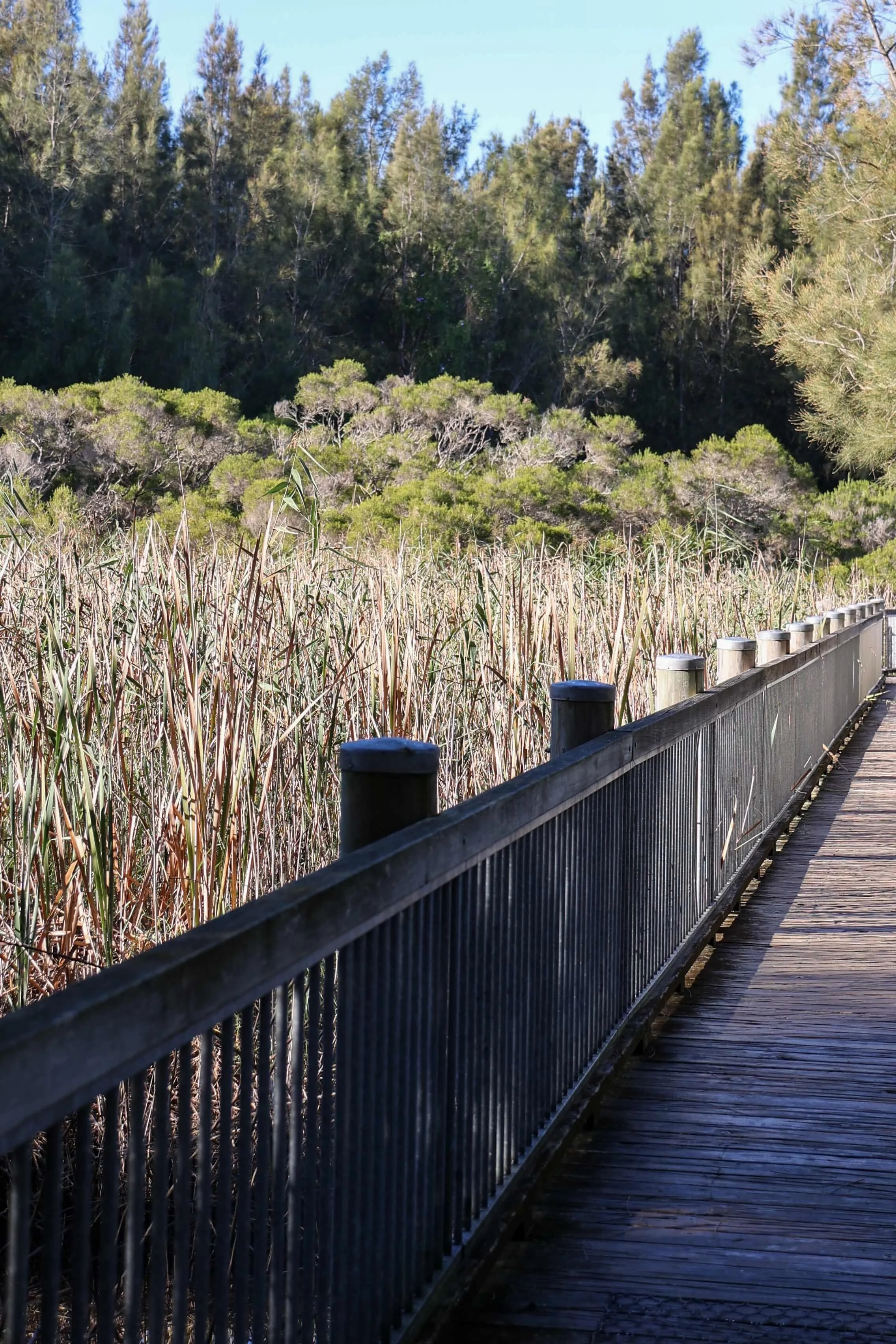
The first part of the route is fairly short and easy to follow, with boardwalk paths guiding you for most of the way.
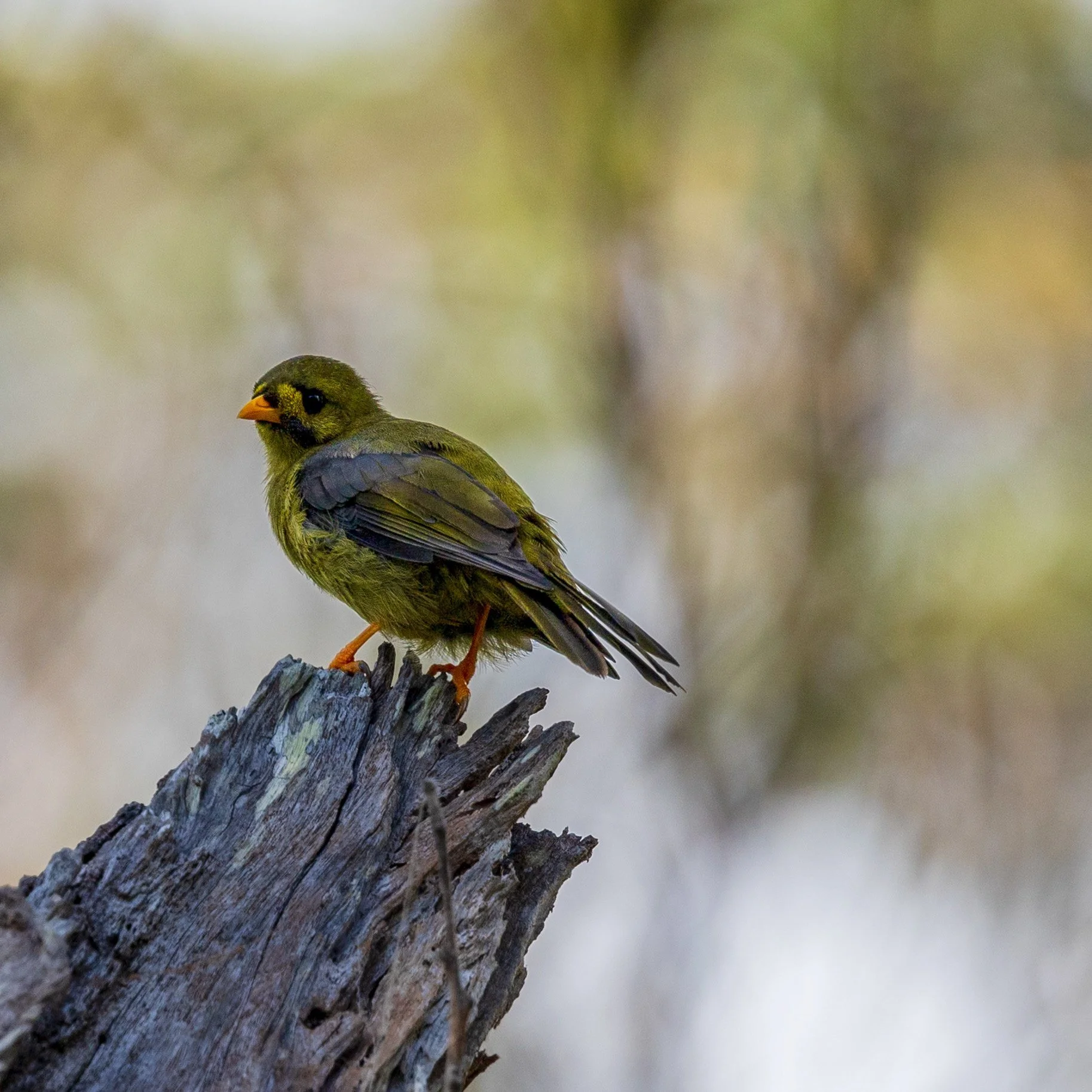
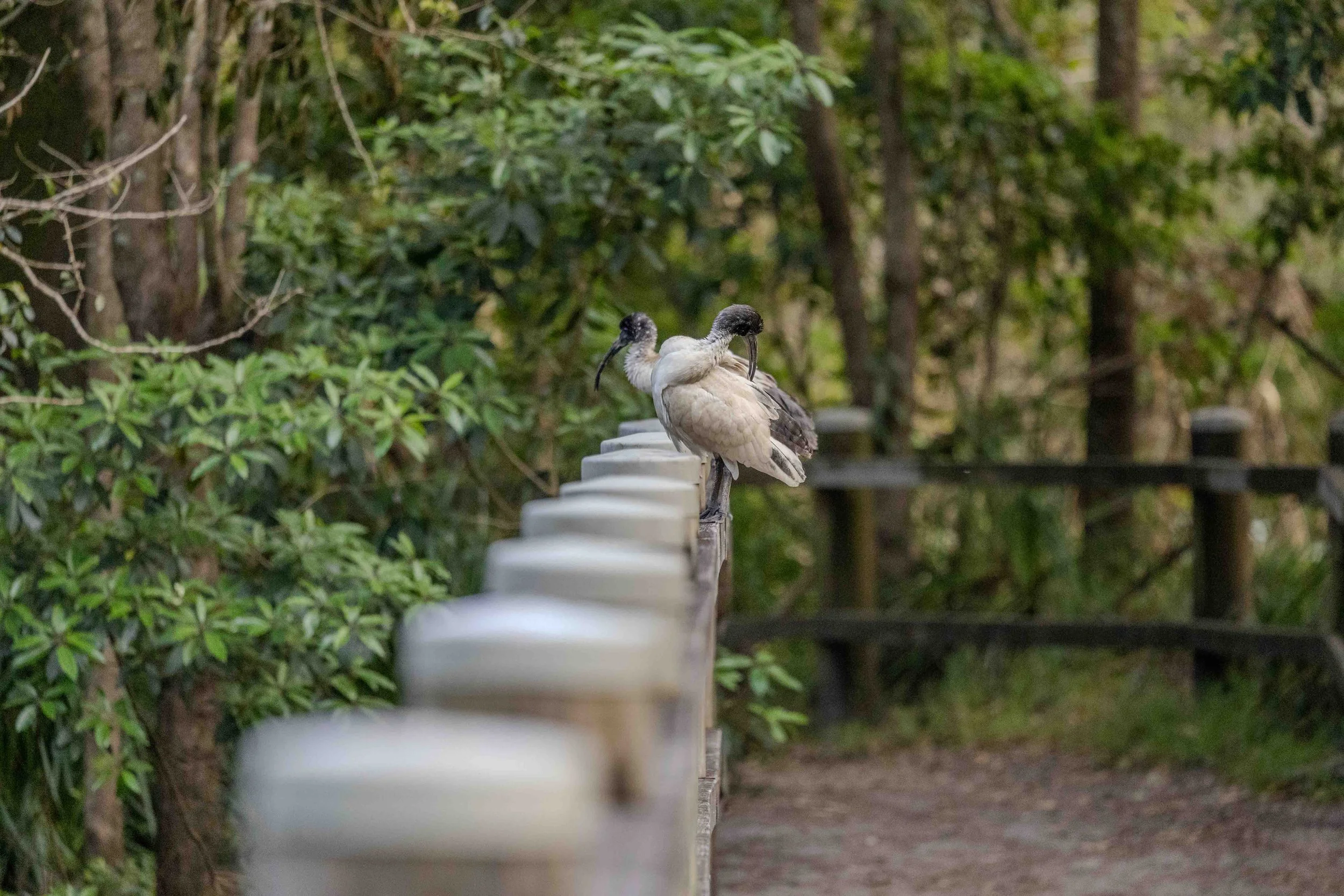
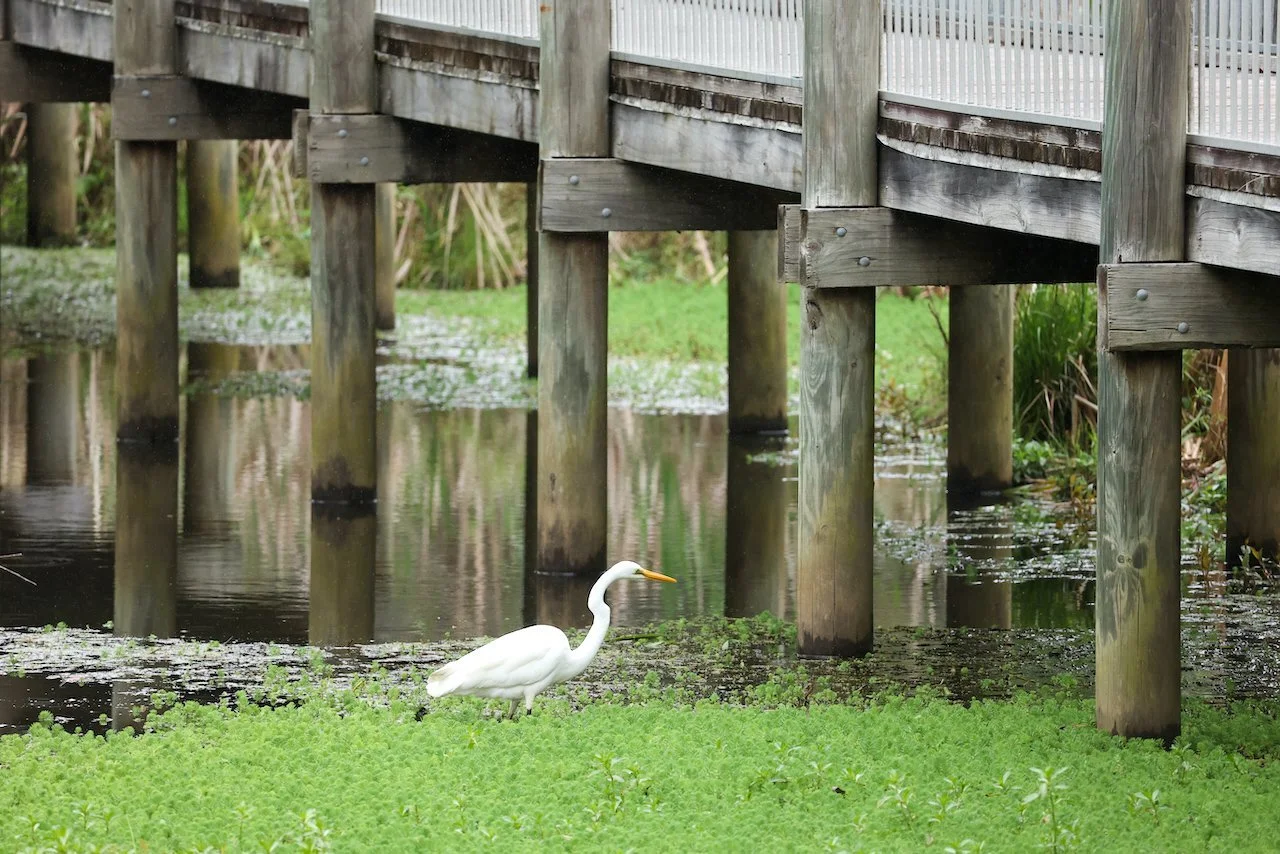
Take time to pause on the elevated boardwalk to listen to the distinctive call of bellbirds, and watch for the many other bird species recorded here.
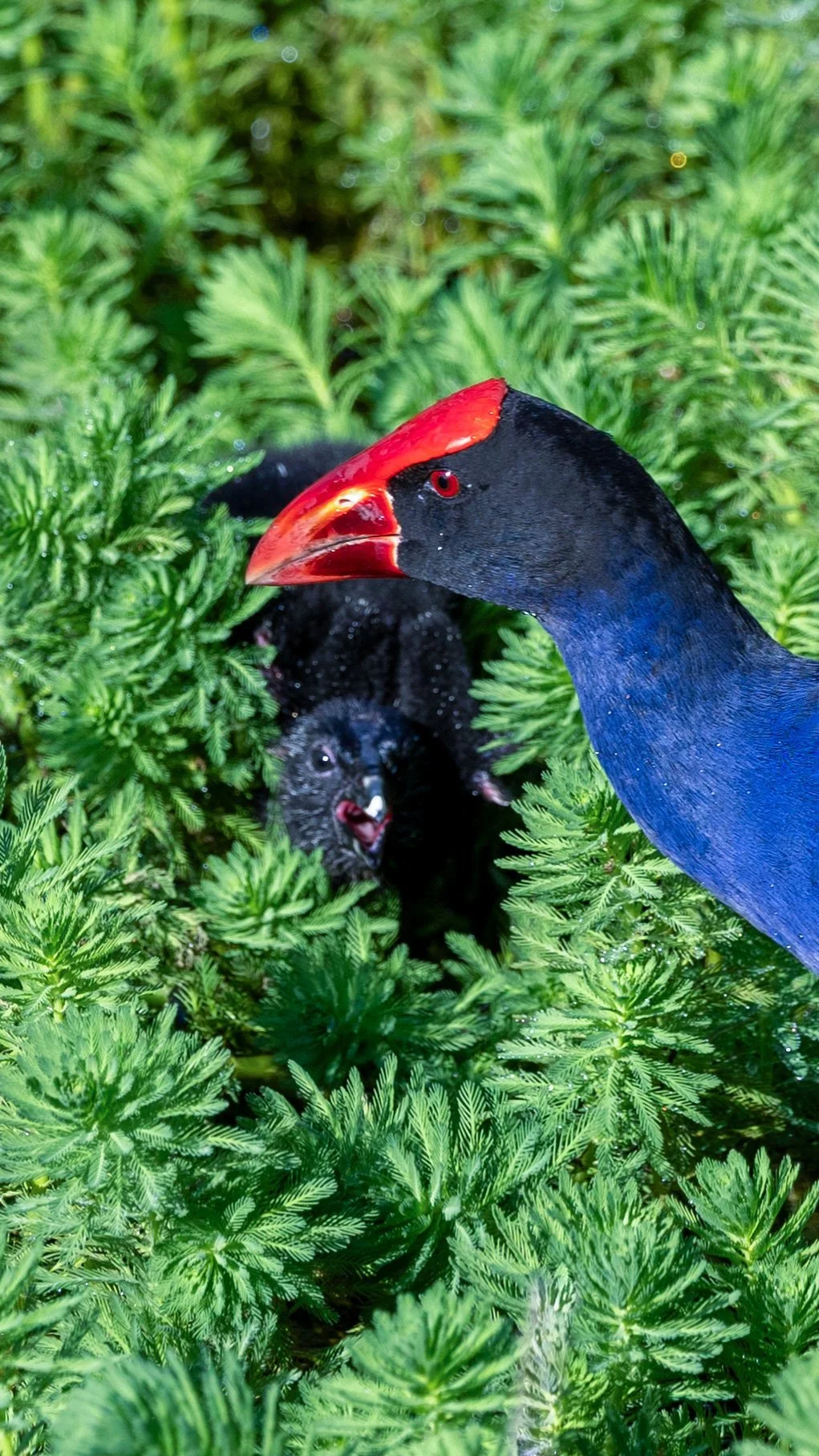
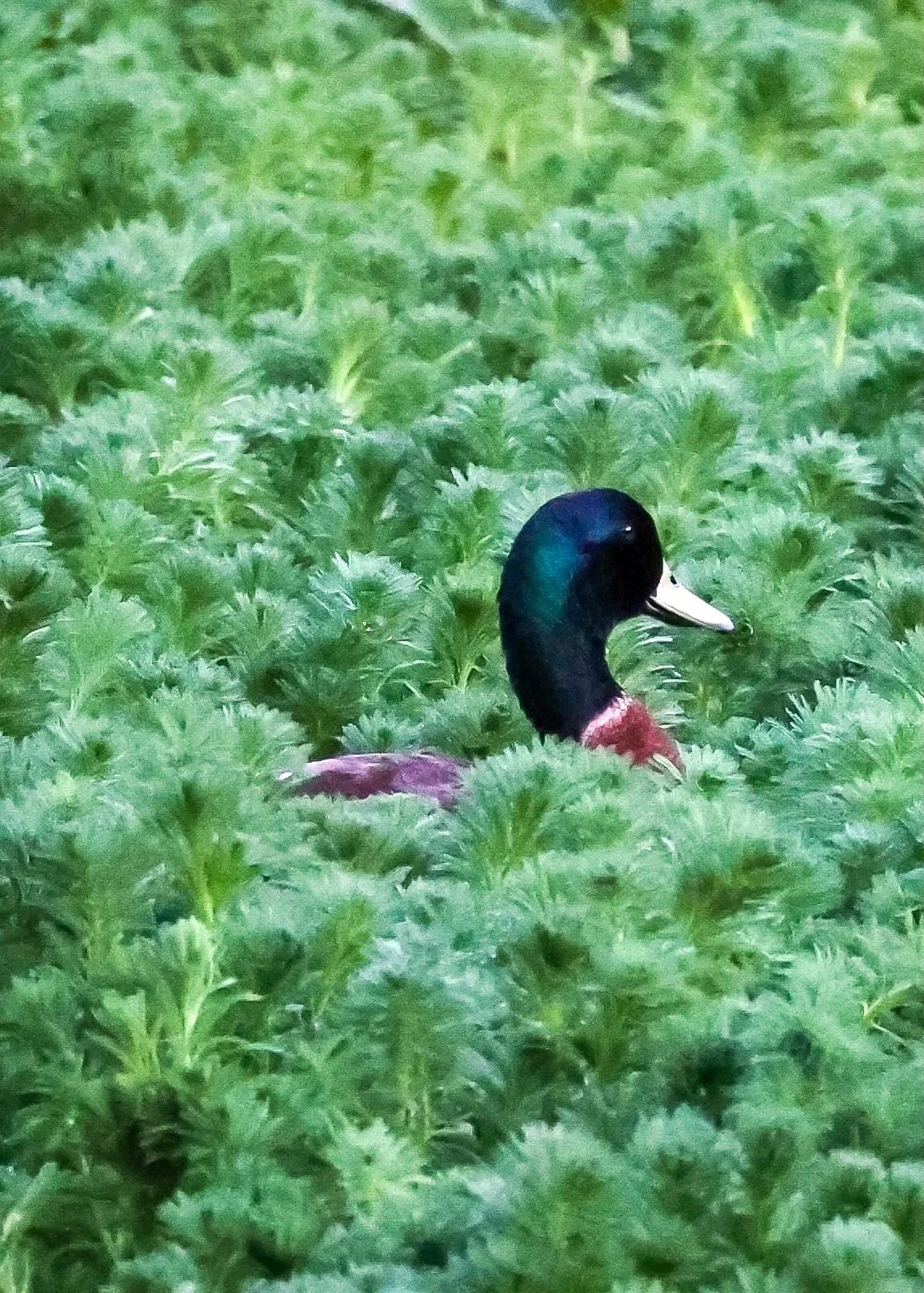
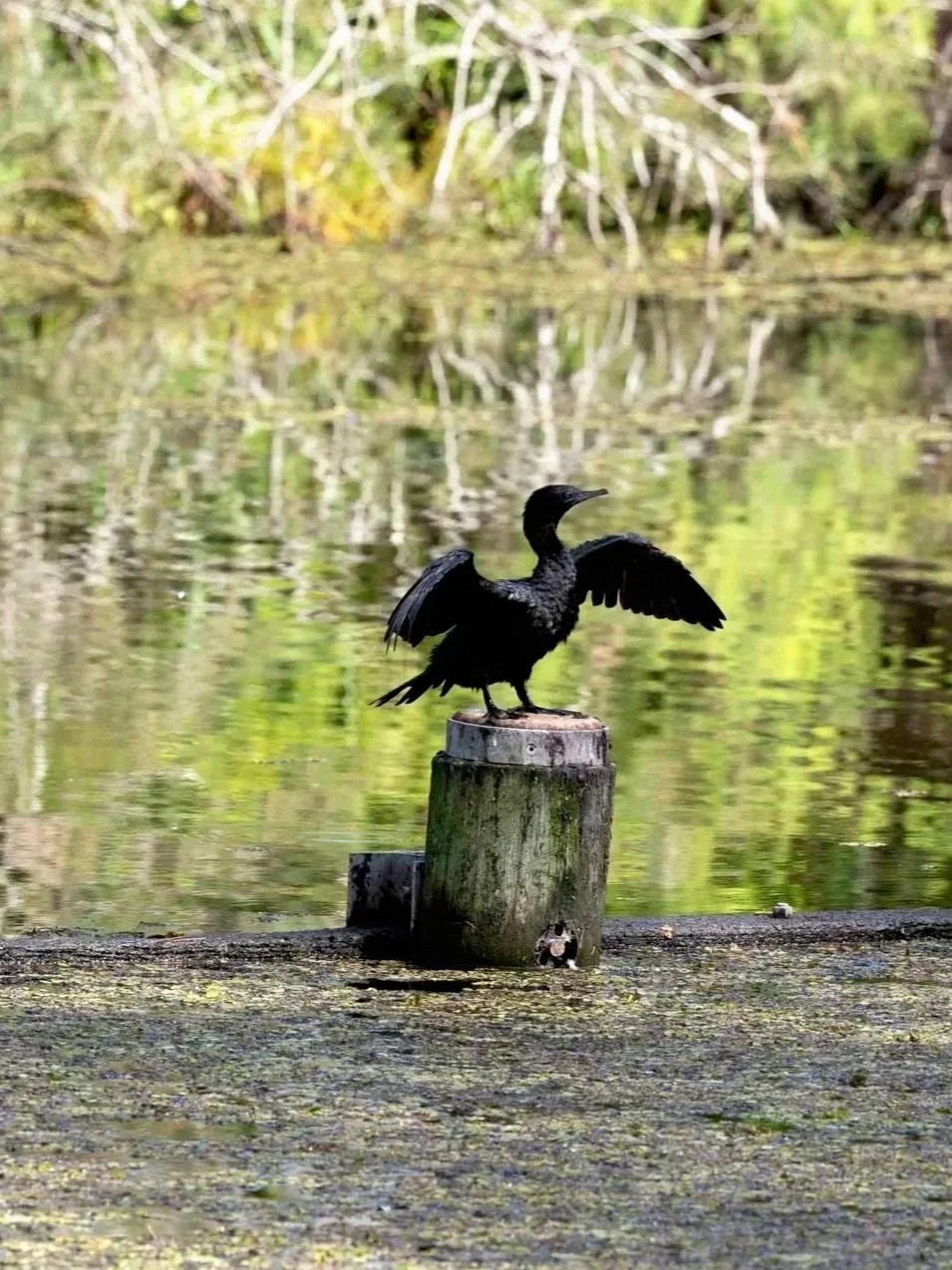
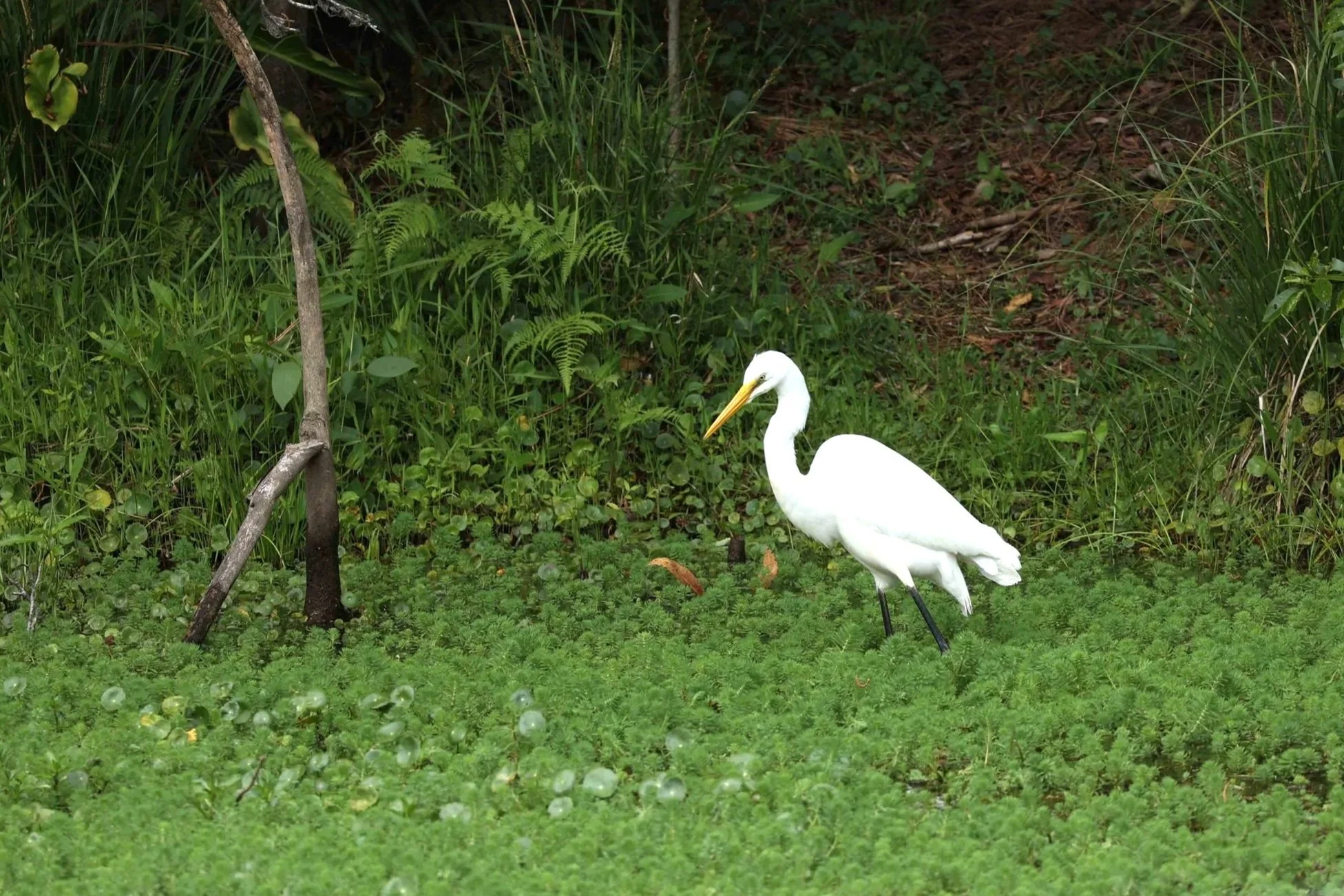
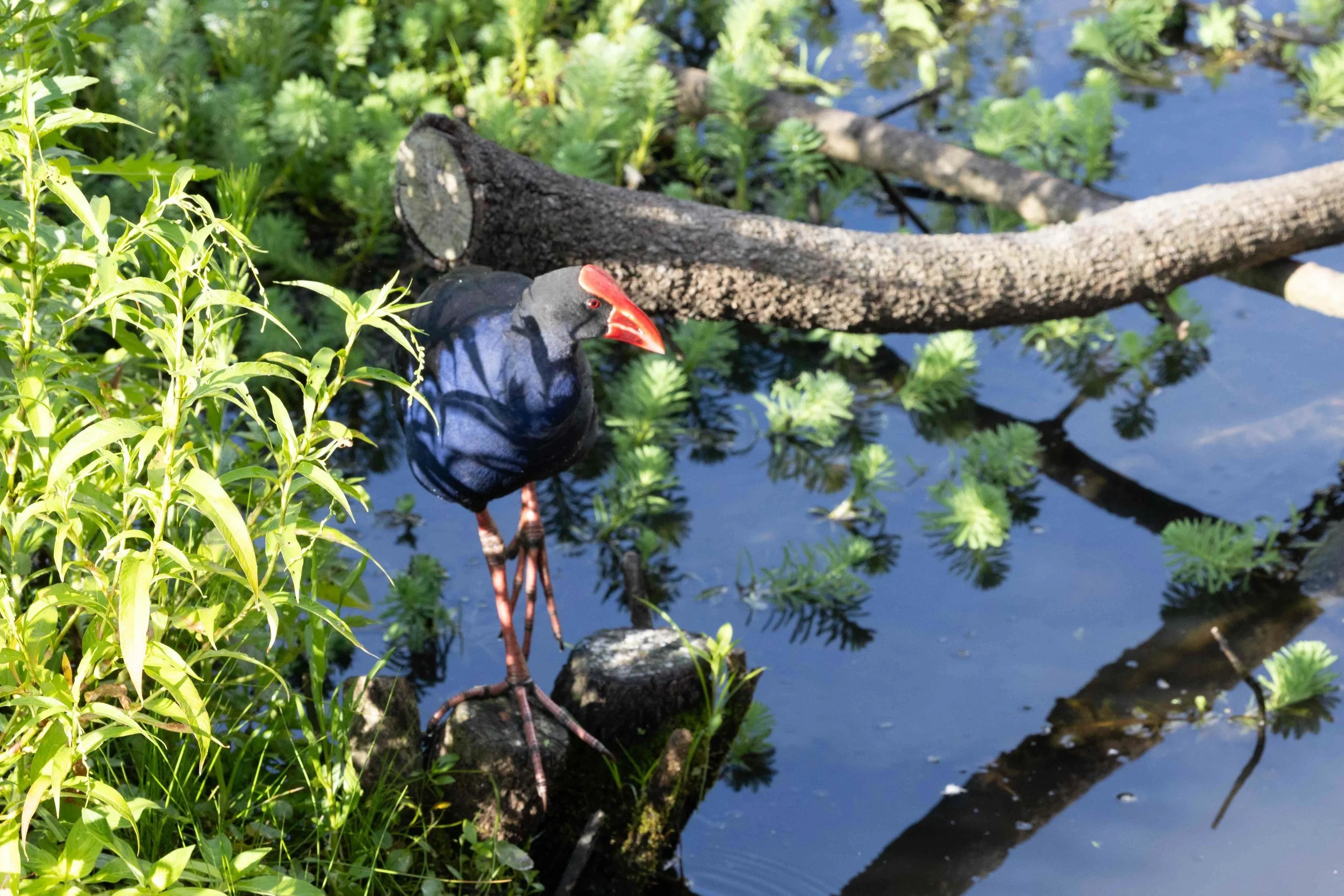
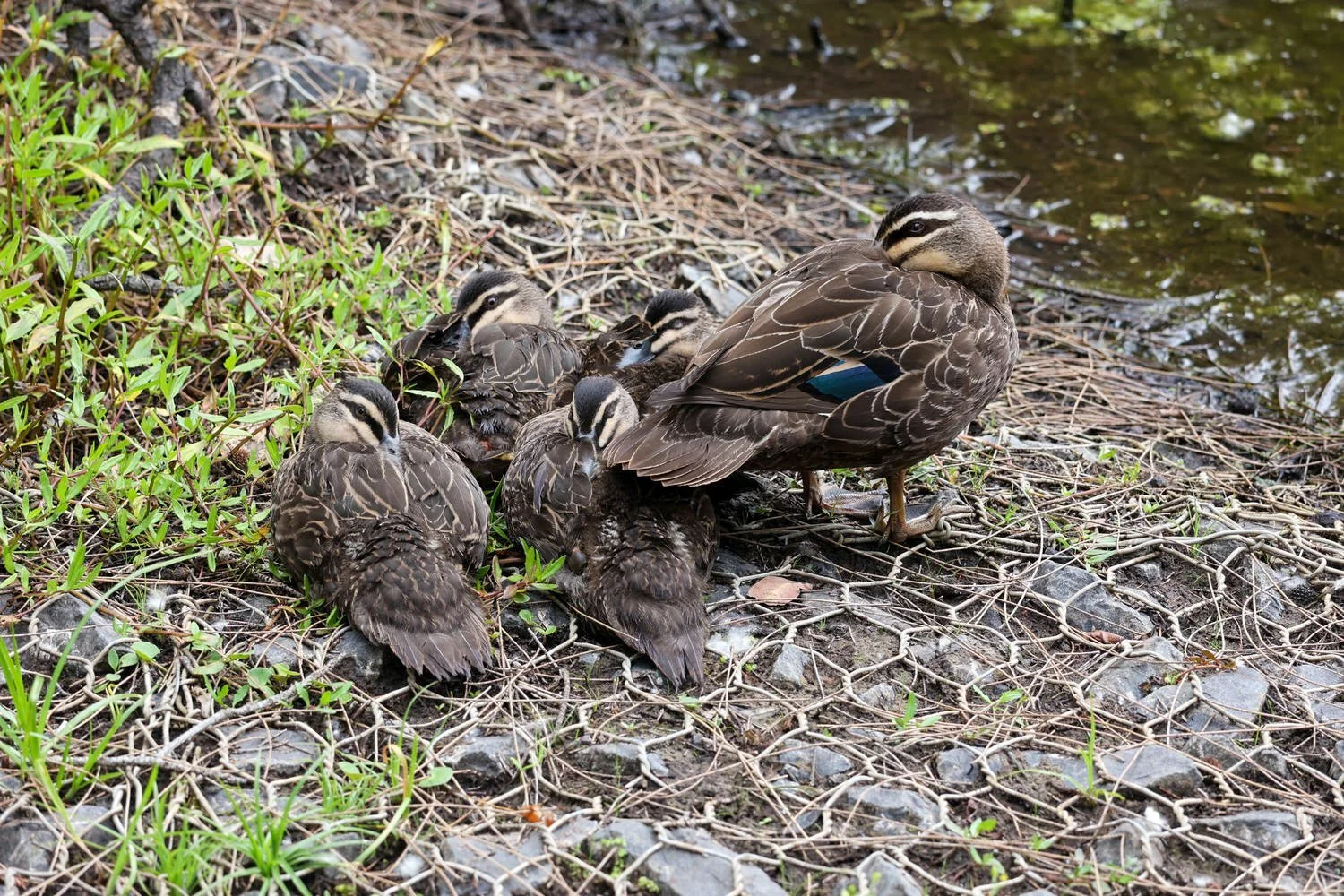
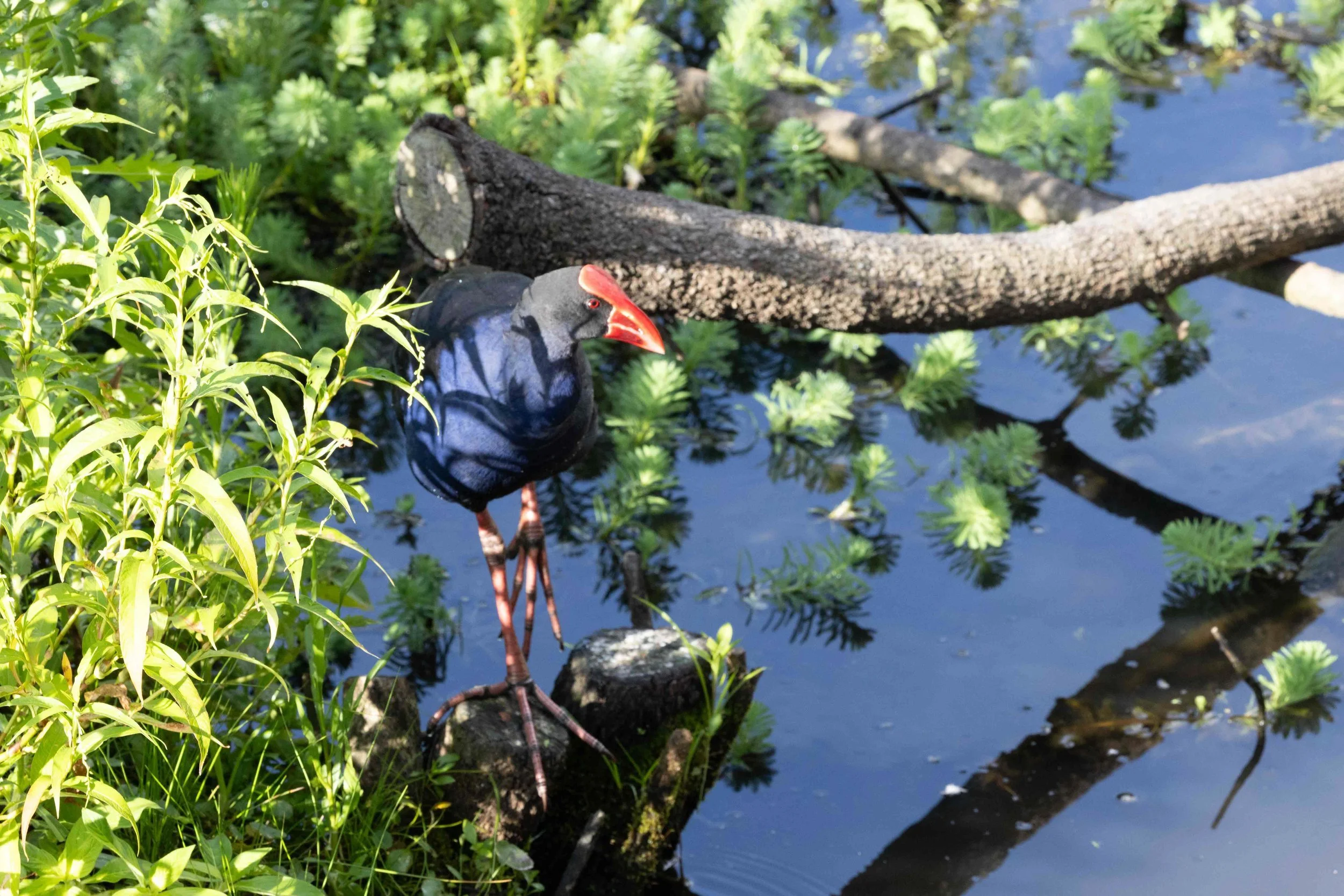
On the water’s surface you’ll likely see ducks and swamphens, and the occasional spoonbill, heron or egret. And in the surrounding bush, if you’re lucky, you may spot a wallaby.
Side Trail to Irrawong Waterfall
At Garden Street, cross the road to take the side trail to Irrawong Waterfall.
The trail is named for former journalist, local activist and community leader Jim Revitt, who was passionate about his local area and instrumental in helping to preserve natural environments like this one.
You’ll hear the waterfall before you reach it, especially if there’s been recent heavy rain. It was a gentle cascade when I visited but must be quite a sight when it gets going.
To return from the waterfall, double back and turn left to rejoin the wetlands paths via Watergum Drive.
Watergum Drive to Katoa Park
Much of the trail is shaded by tall trees which means the paths can get a bit damp and muddy at times.
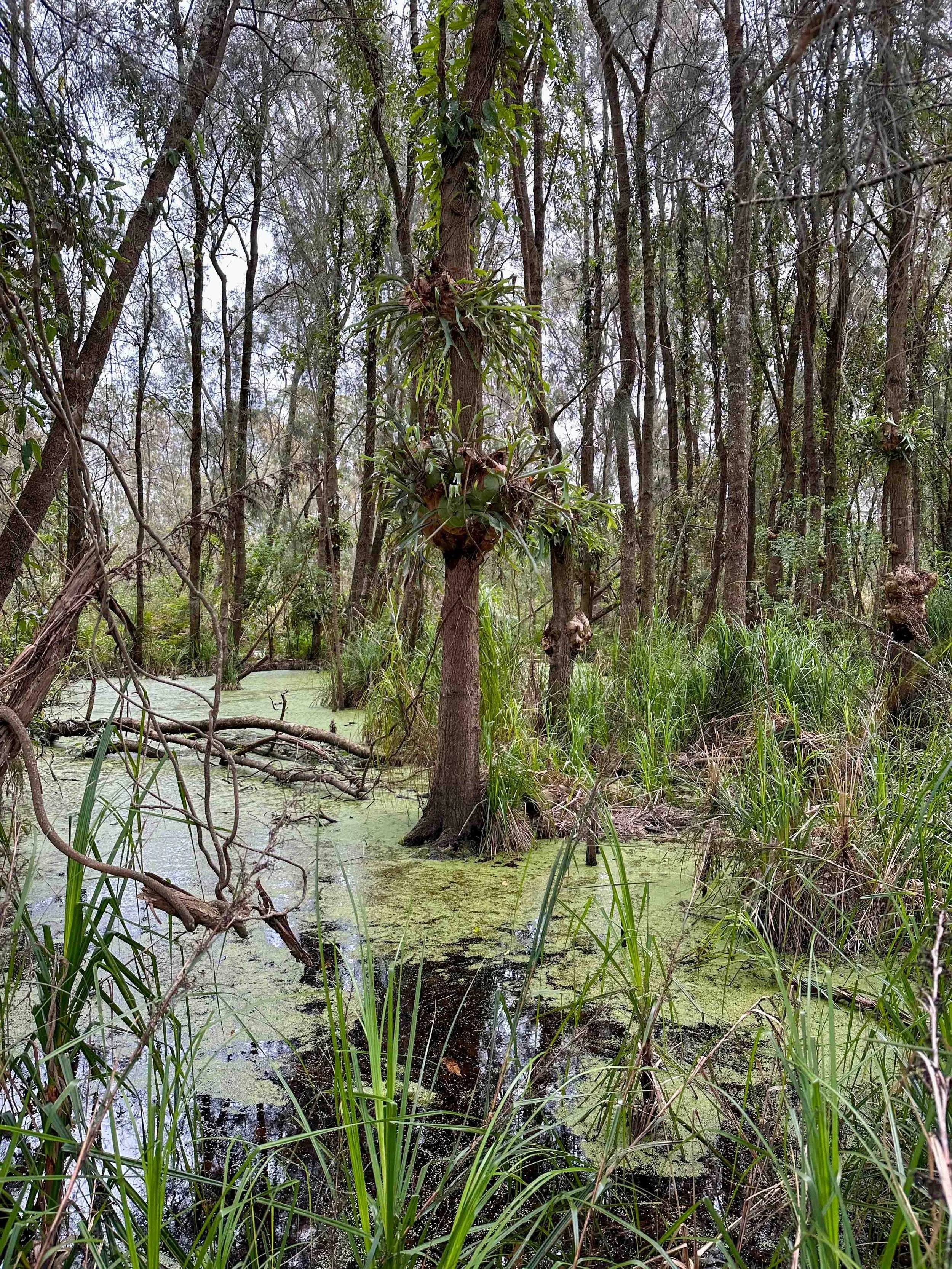
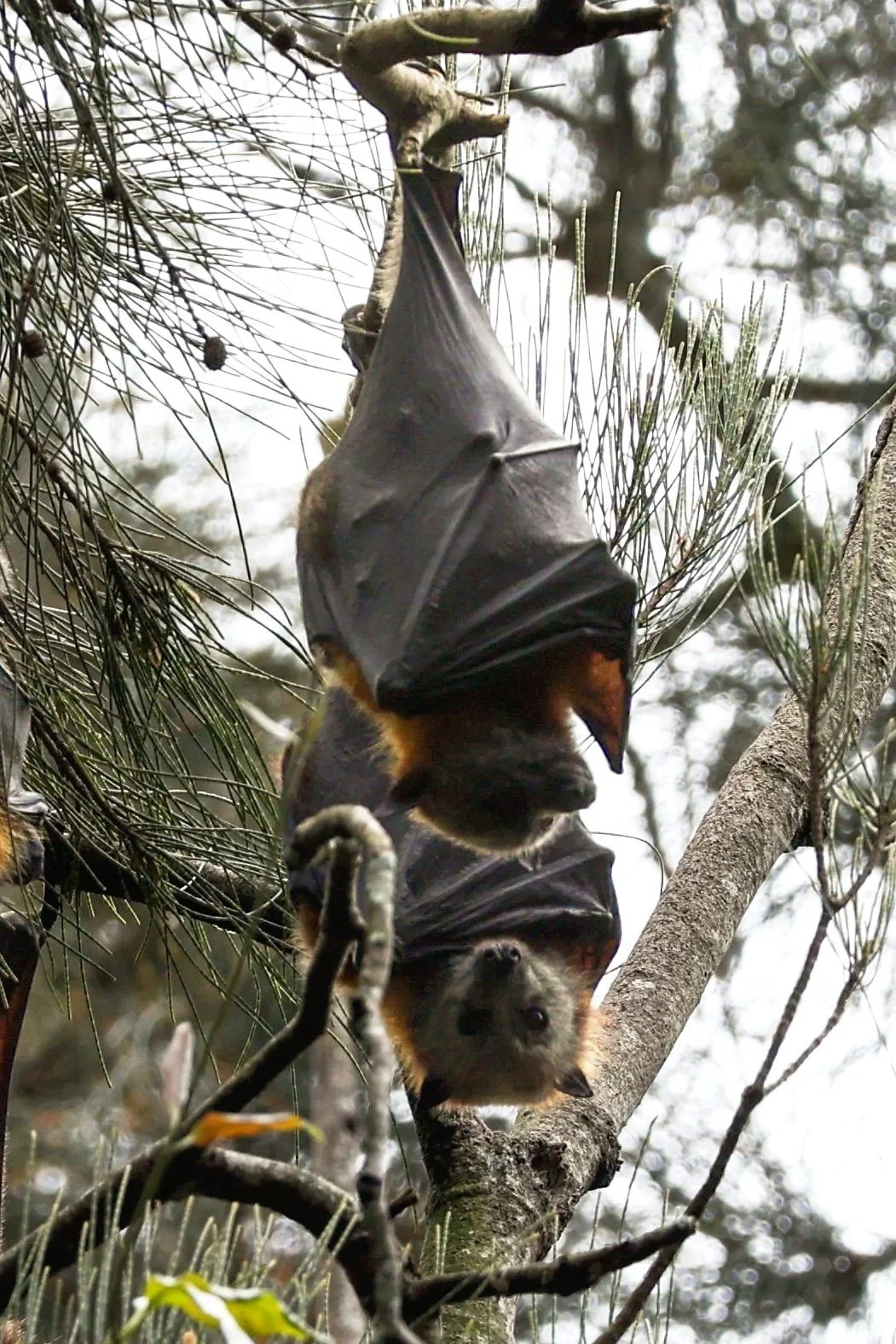
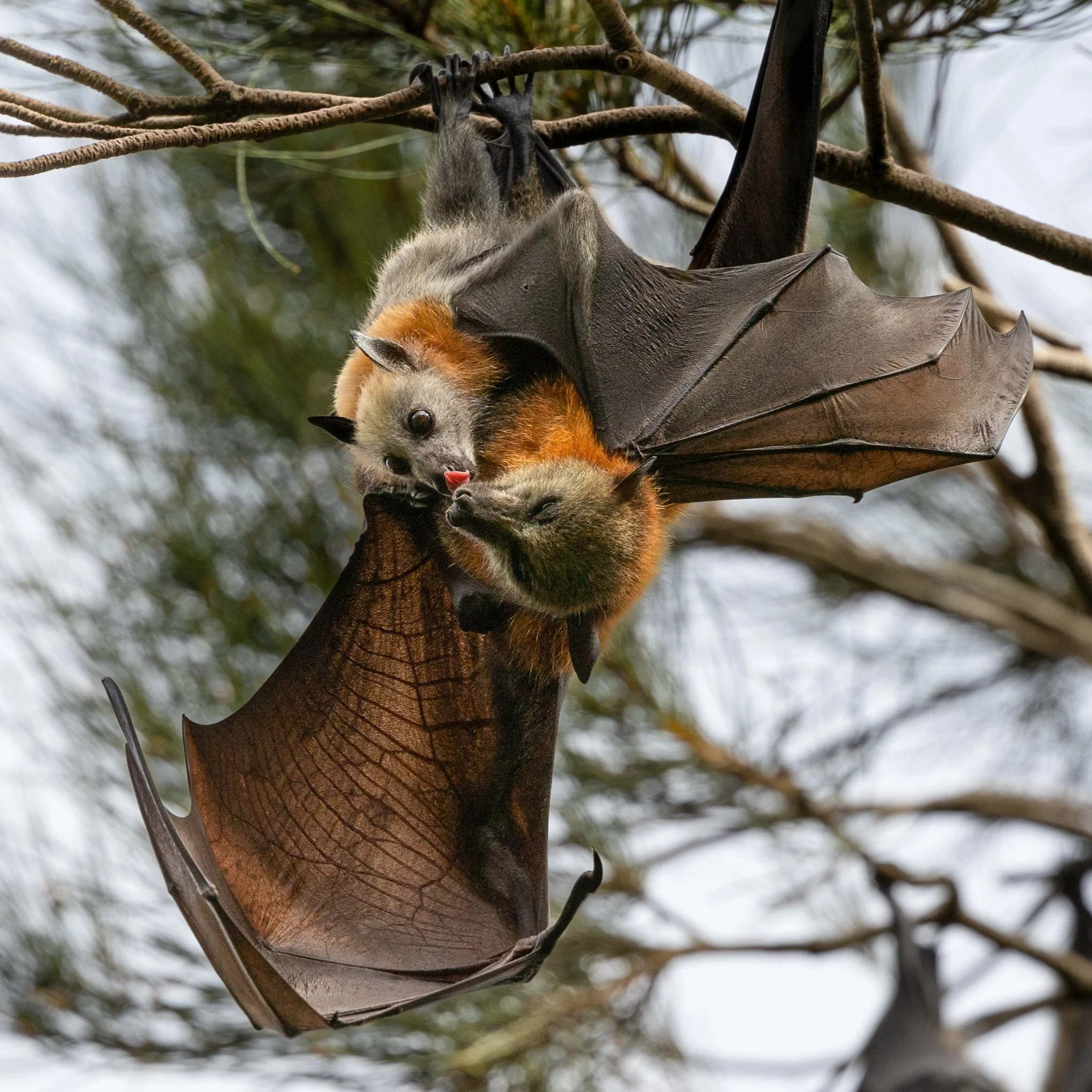
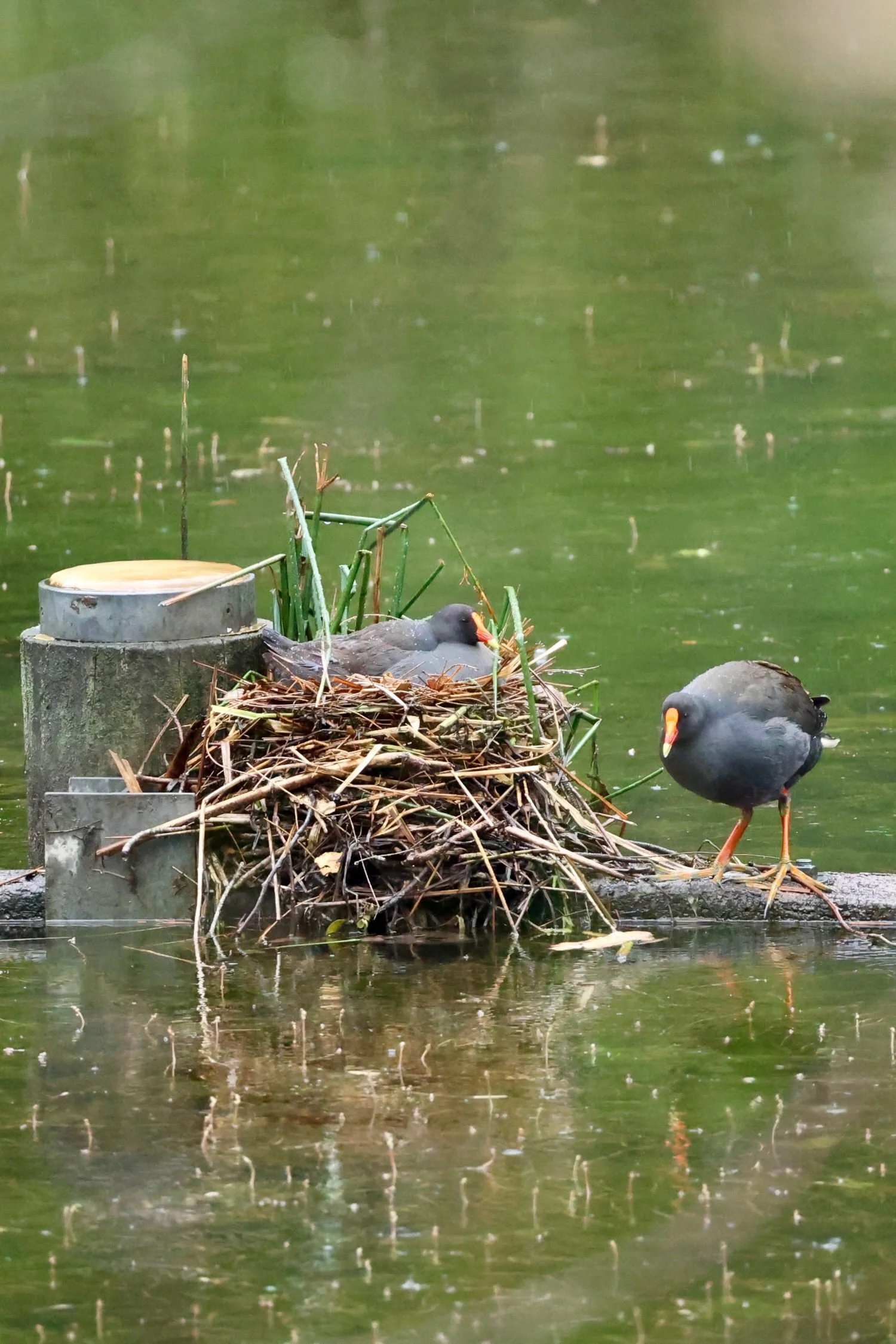
As you come to the end of the loop, don’t miss the storybook swamp, home to moorhens and Purple Swamphens as well as the local bat colony.
The colony of Grey-headed Flying-foxes is not large but it’s very vocal (and just a little bit smelly). The sleepy creatures are easily visible from the Angus Gordon Walkway close to the back of the shopping centre.
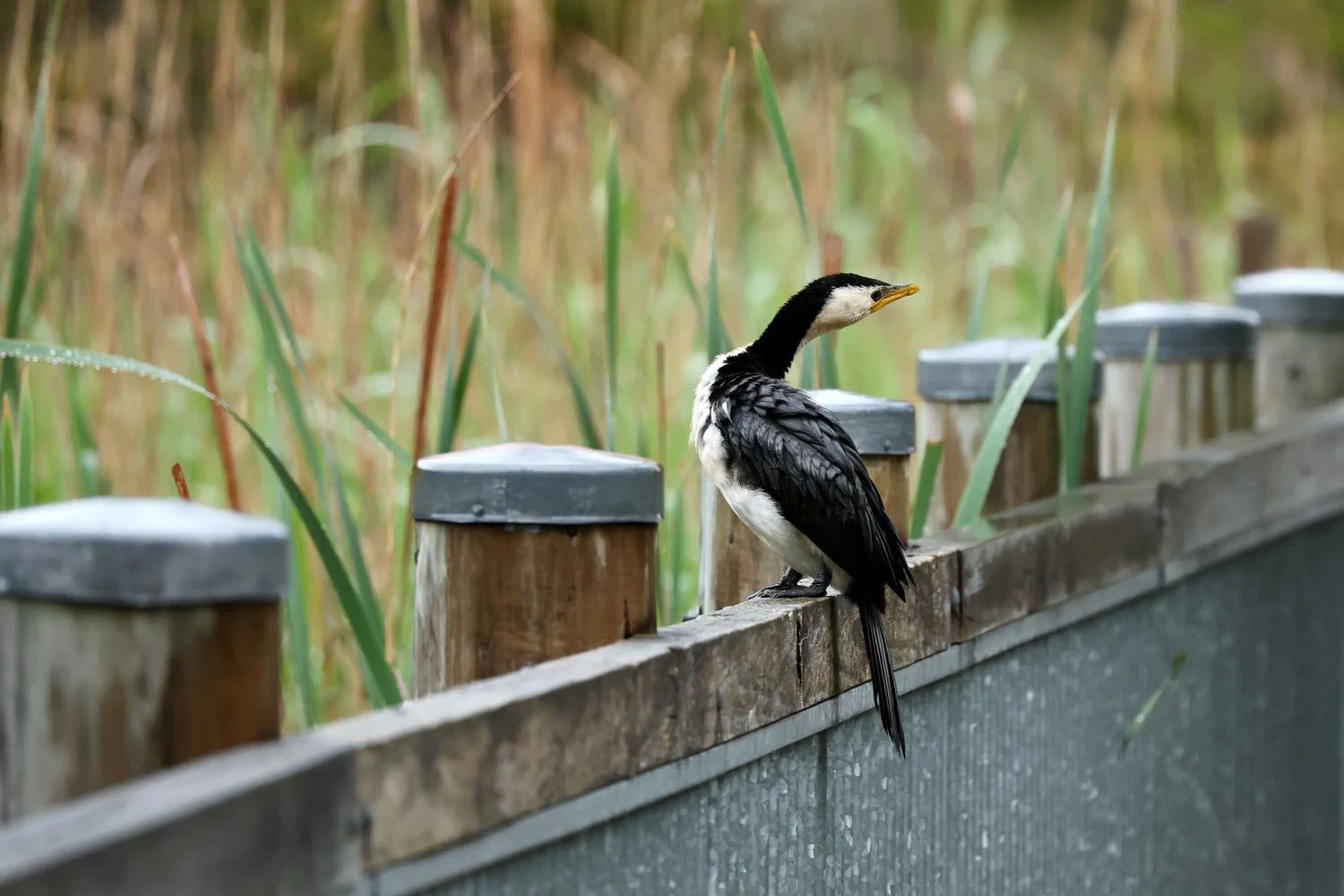
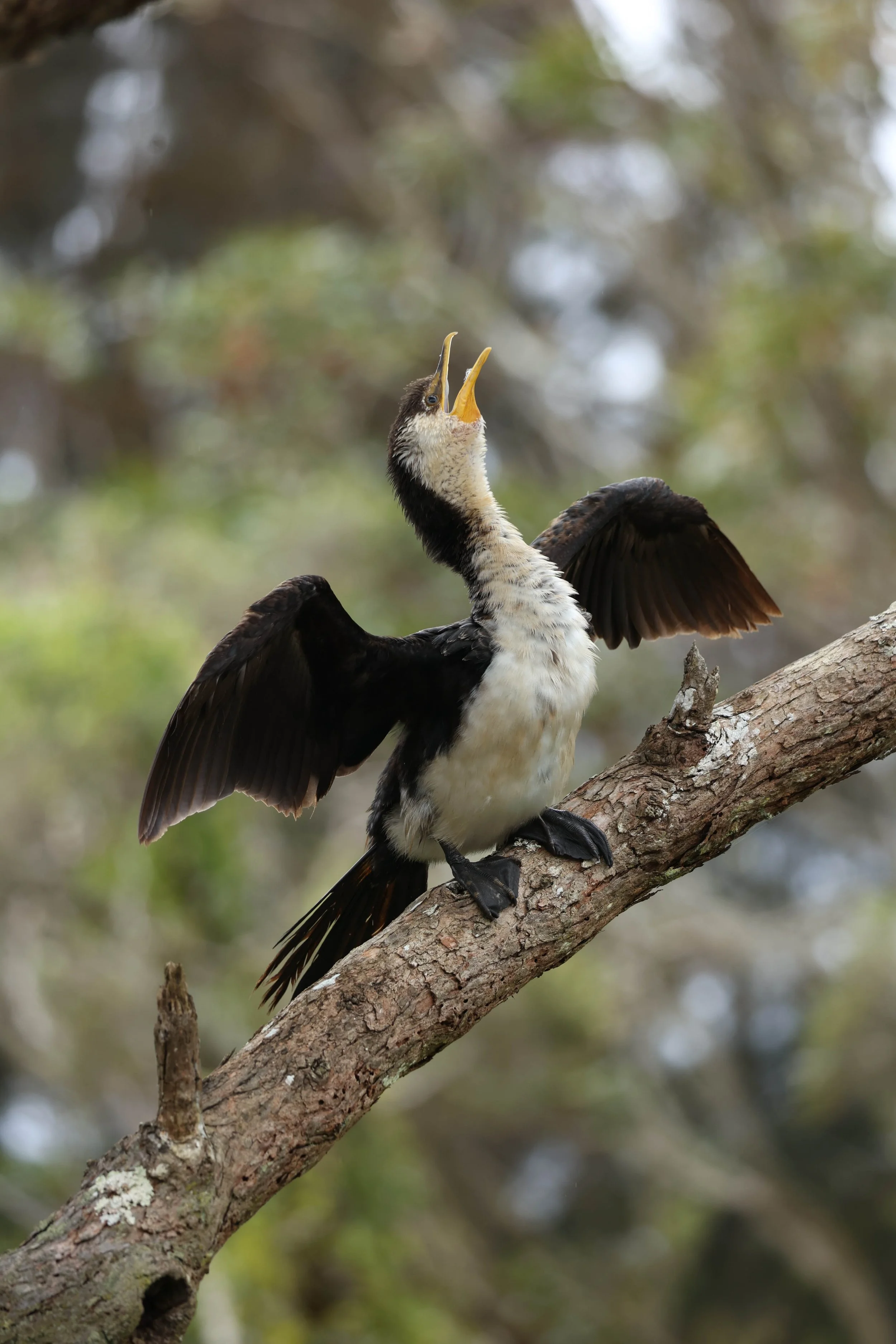
Wildlife at Warriewood Wetlands
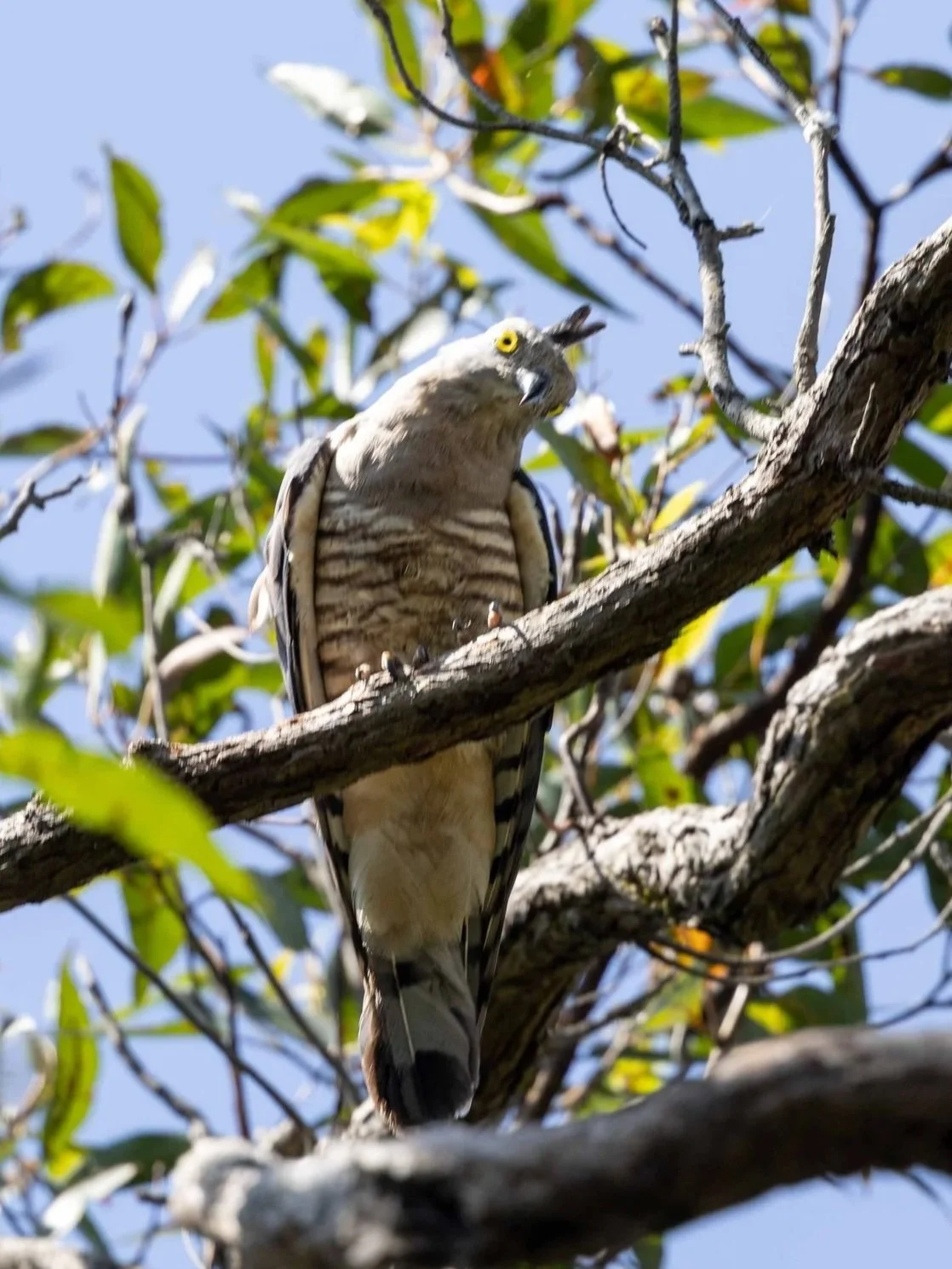
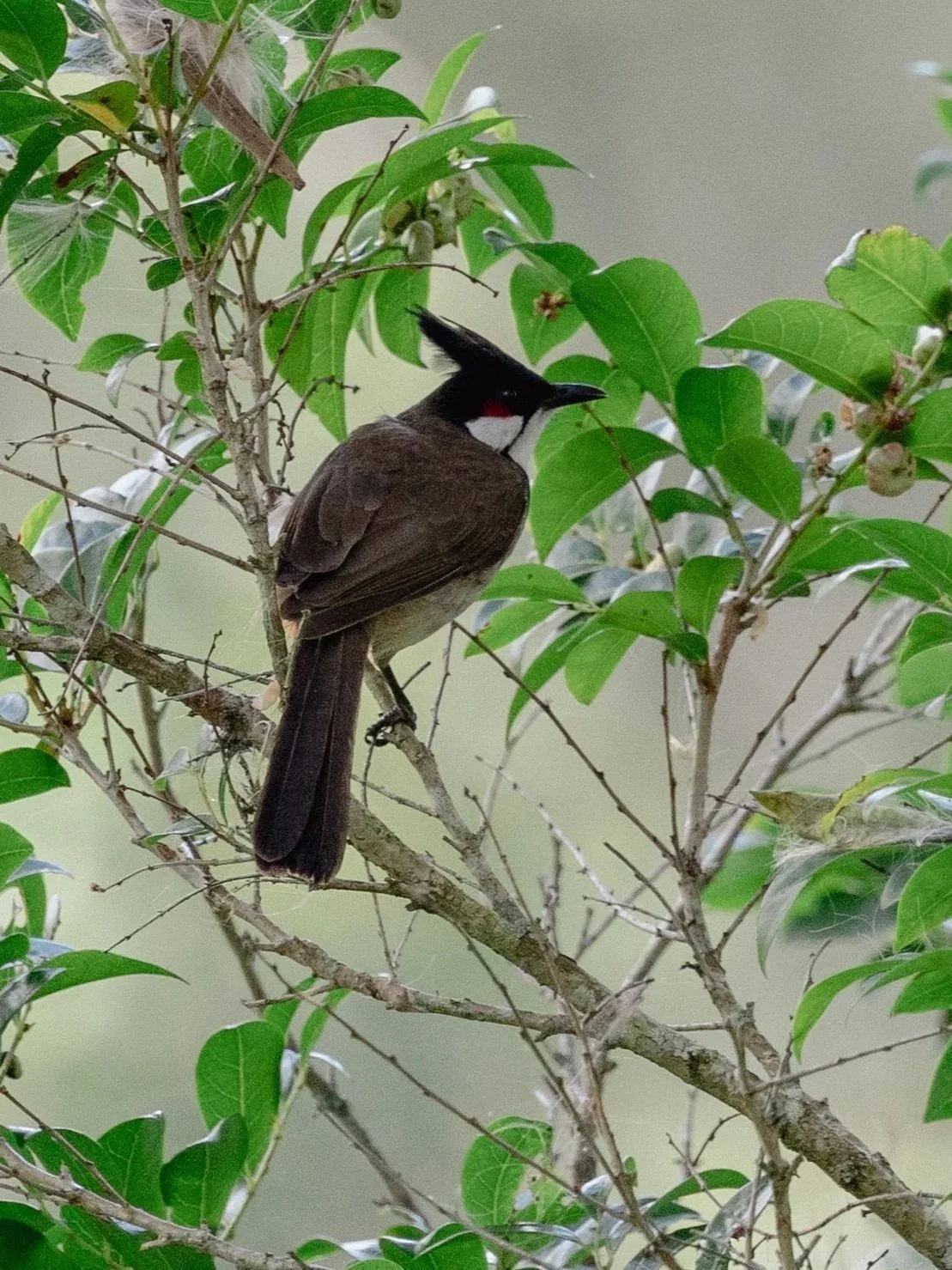
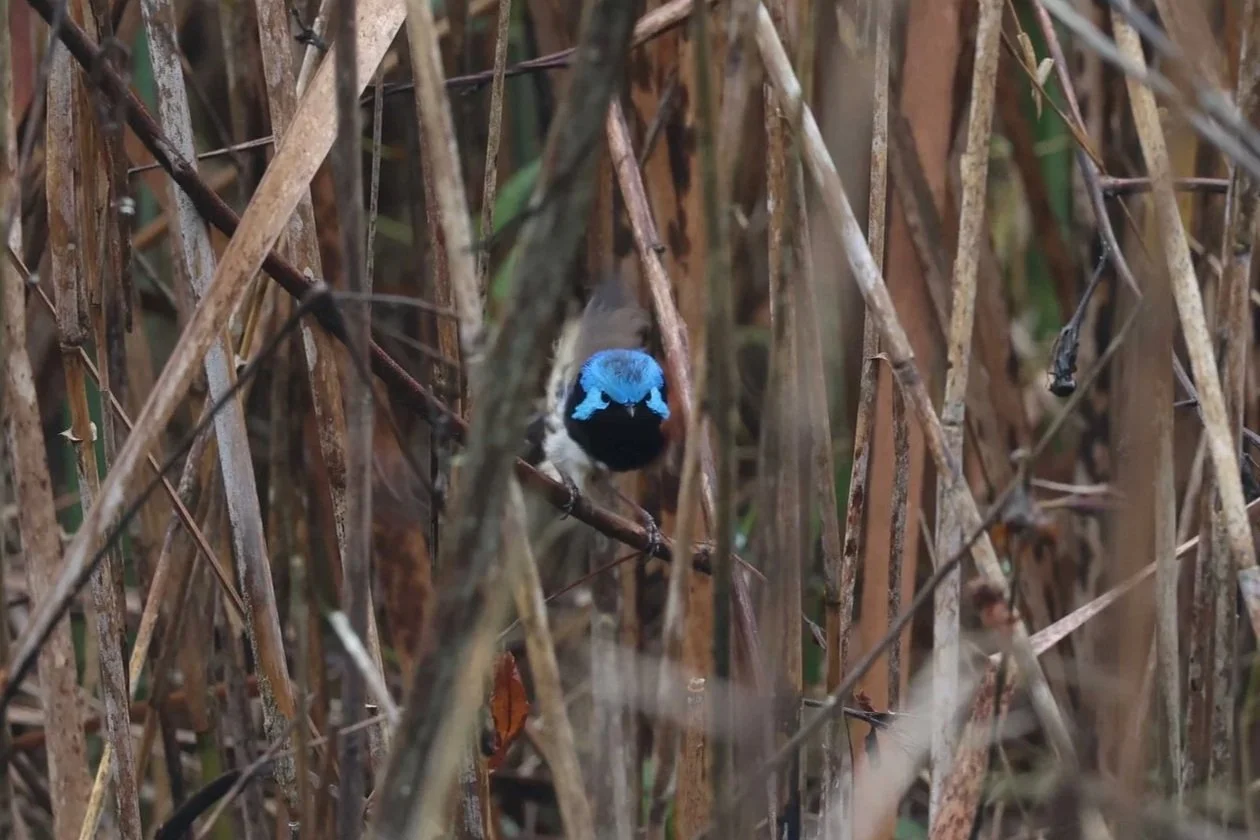
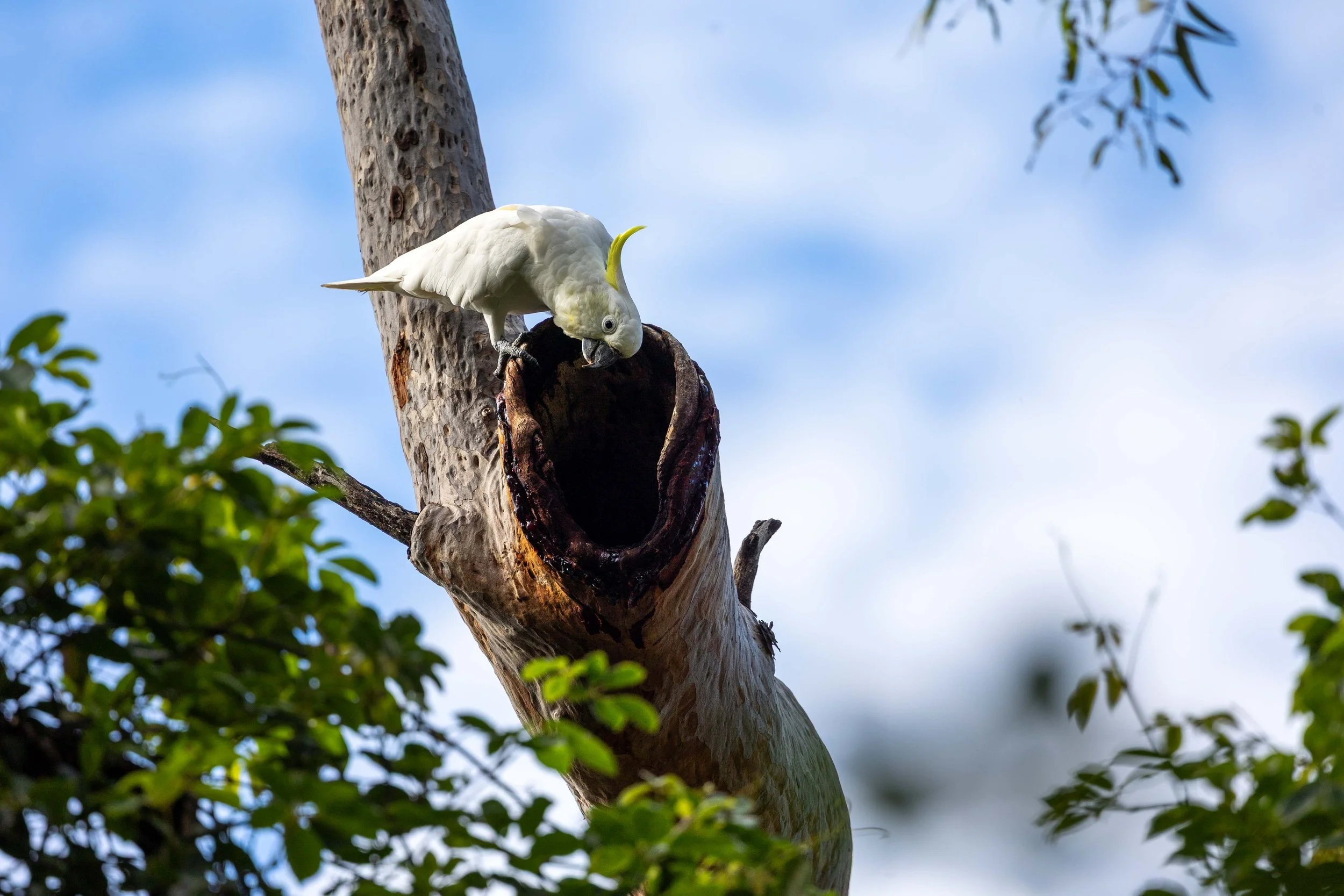
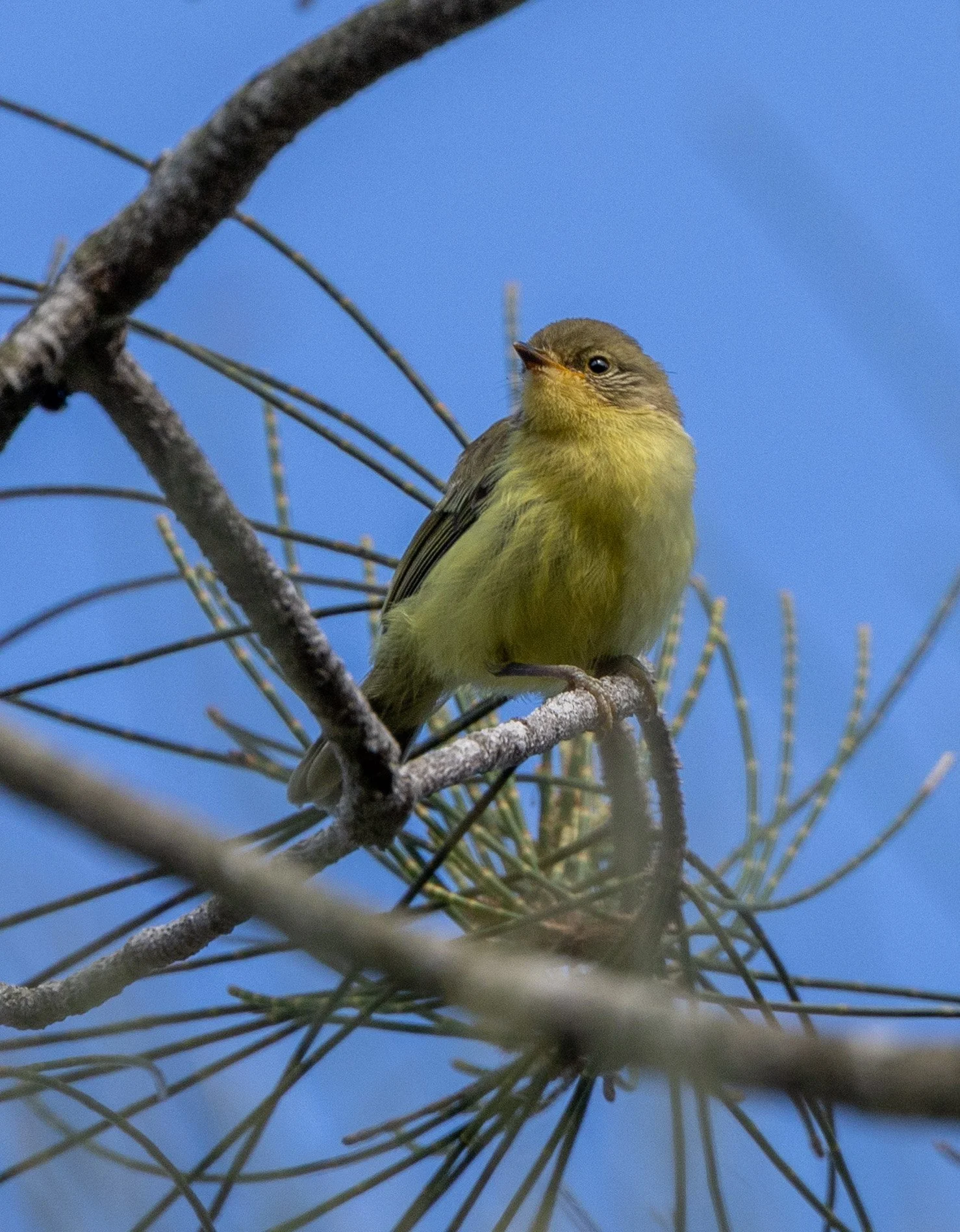
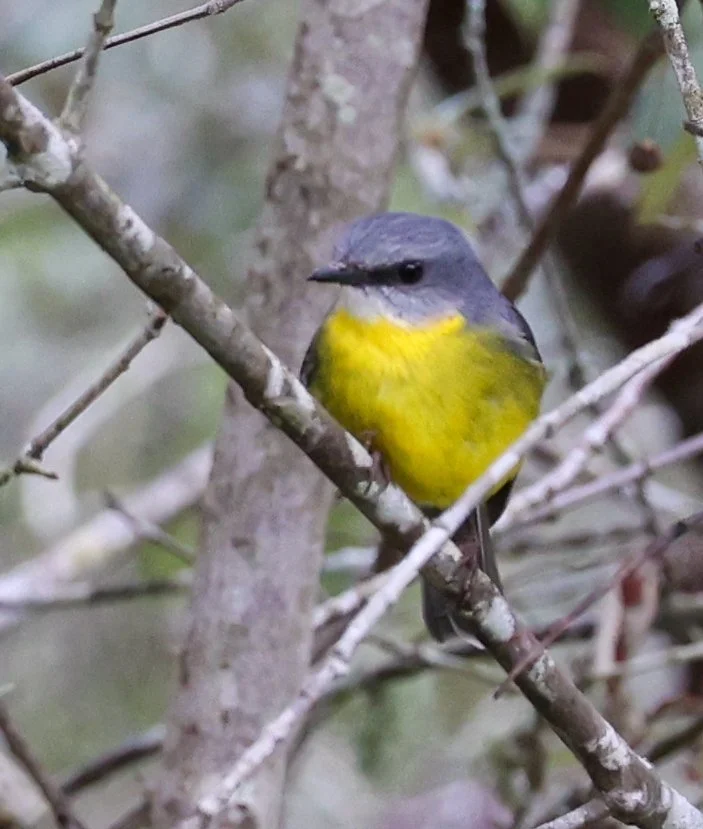
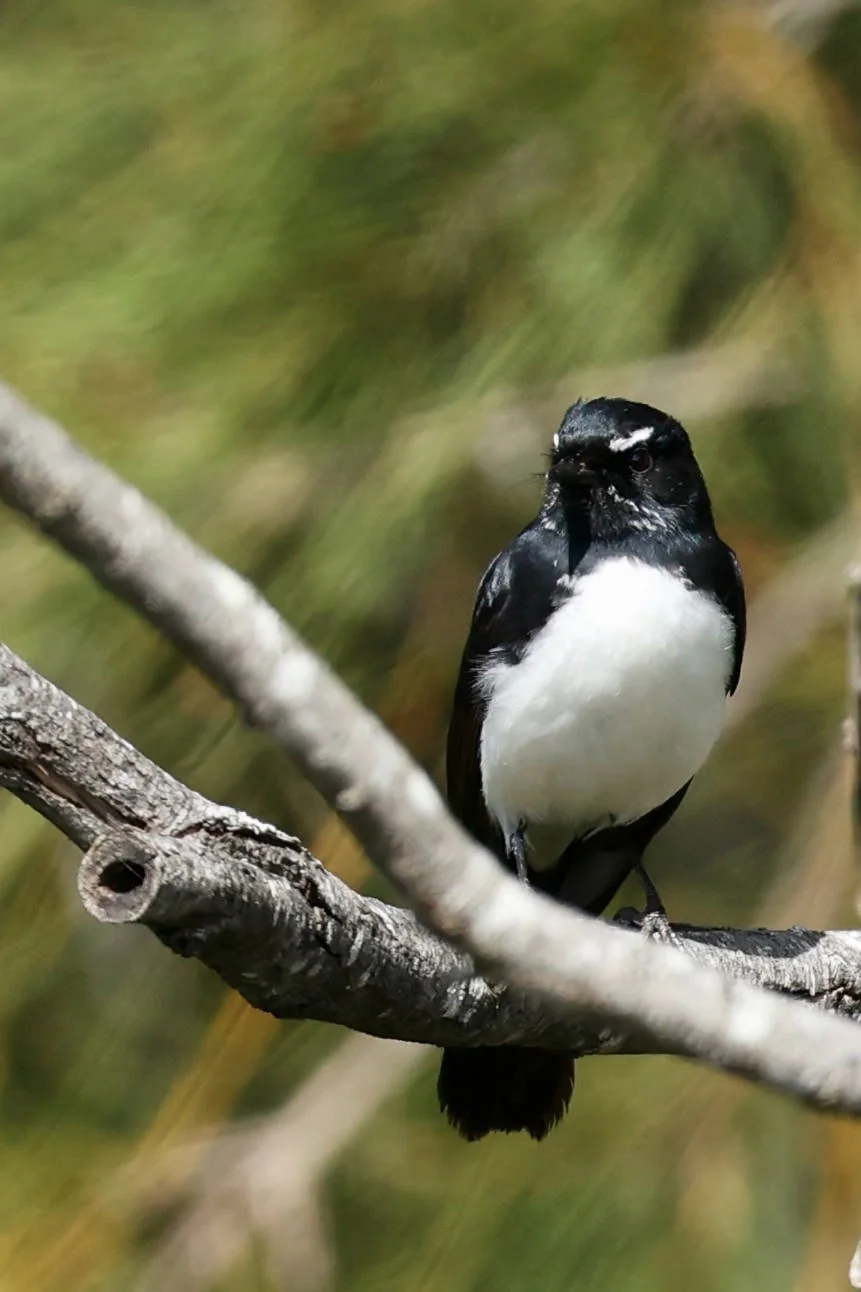
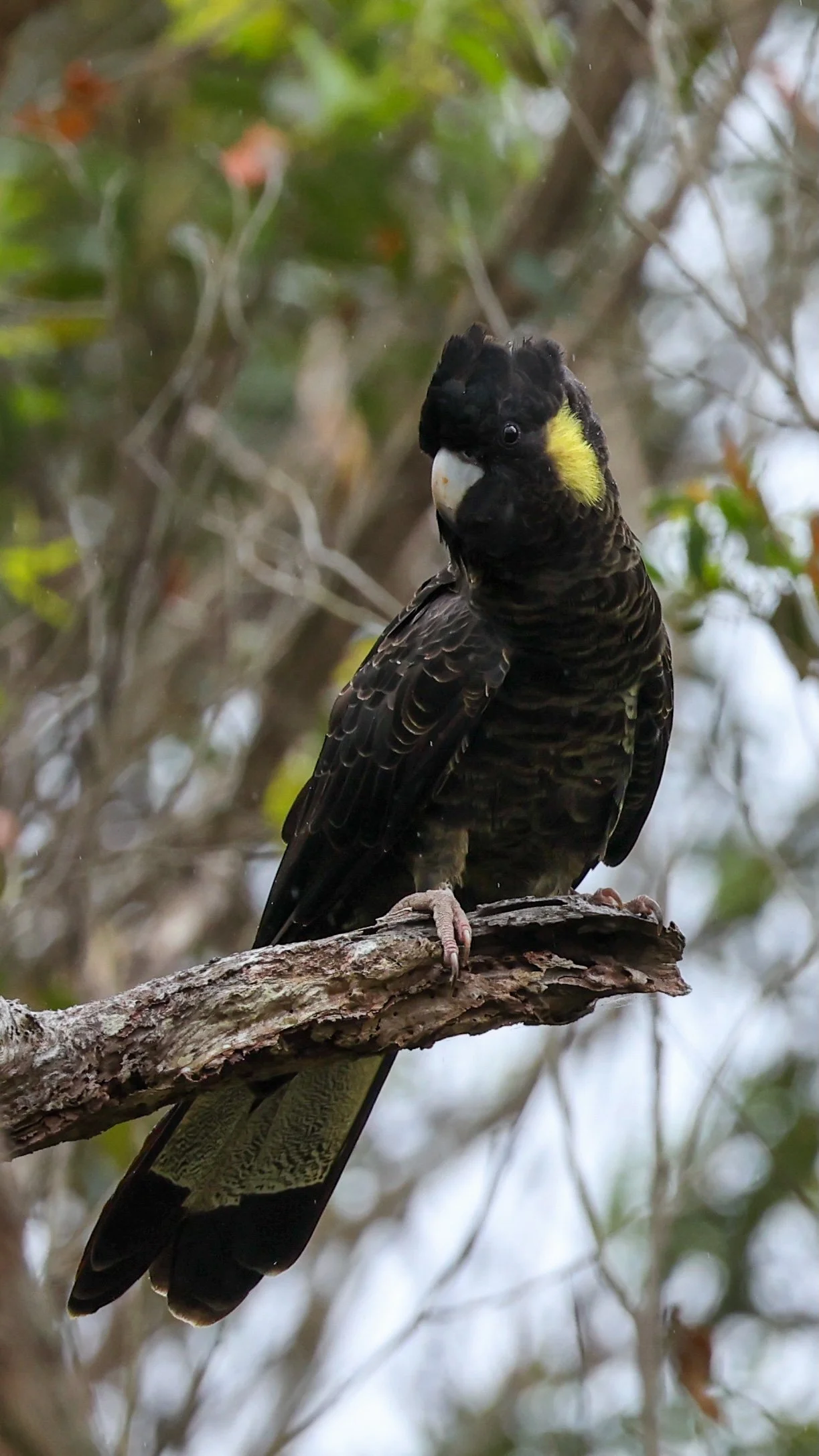
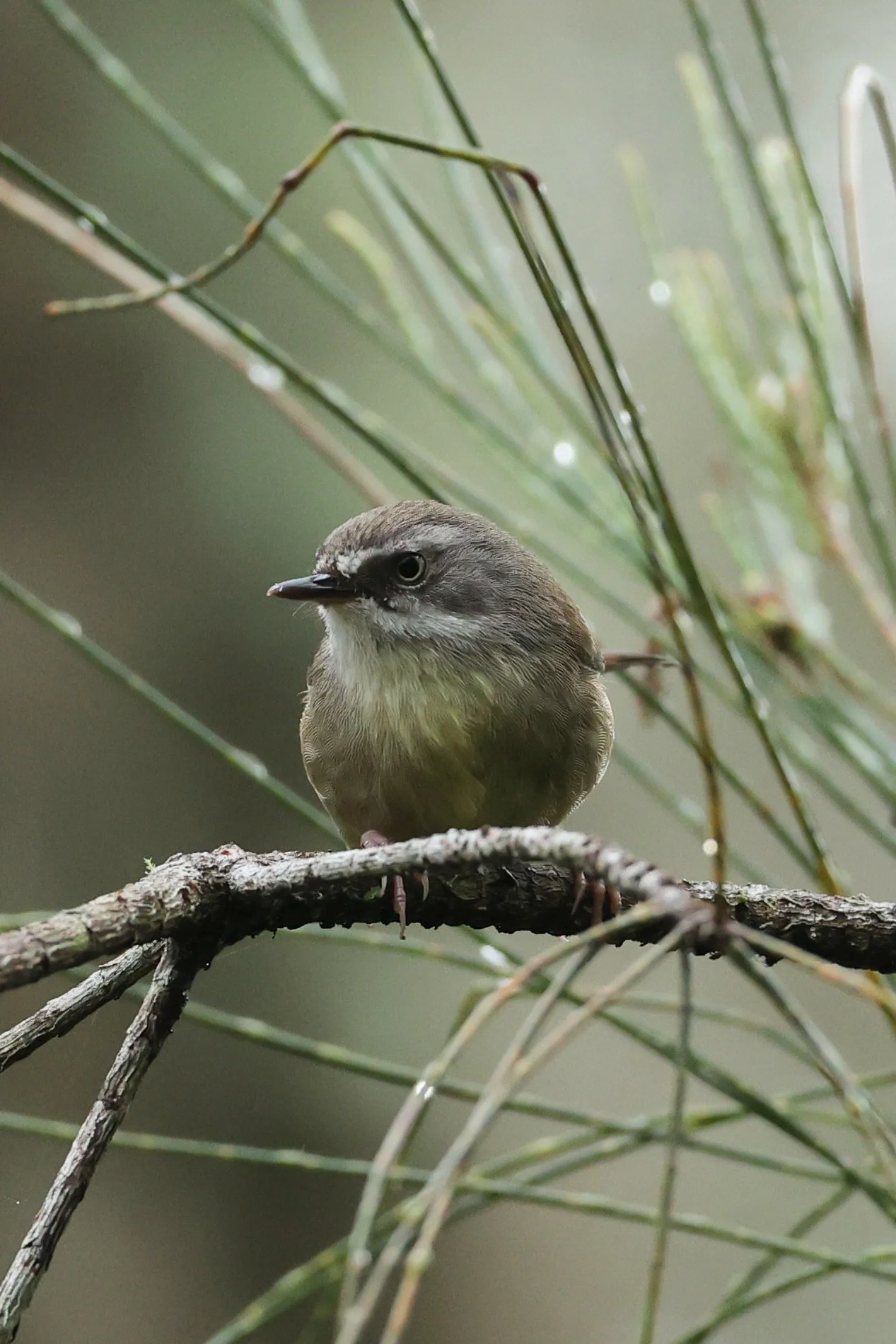
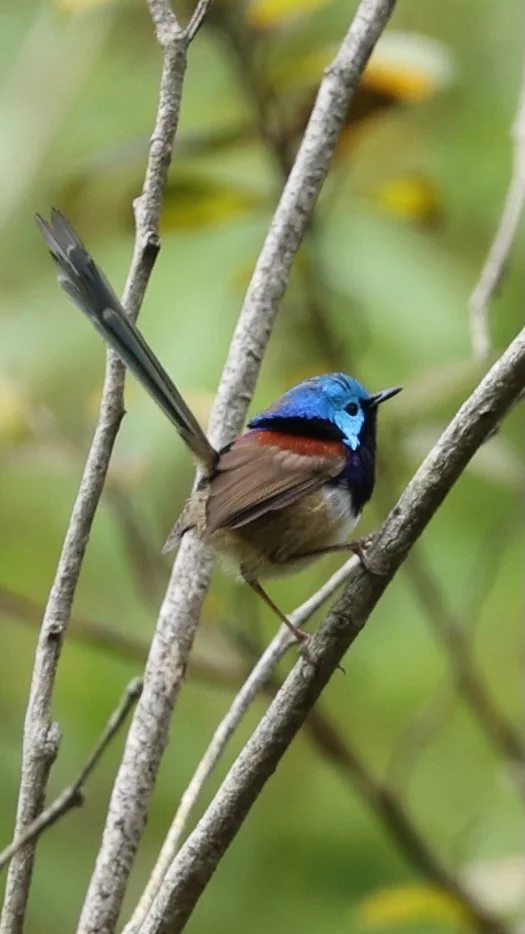
Aside from the bats and the myriad of waterbirds there is a host of other birdlife here too. Among those I’ve seen are goshawks, bellbirds, fairy-wrens, various honeyeaters and lorikeets.
Powerful Owls and endangered Regent Honeyeaters have also been recorded in the wetlands, though I haven’t seen either.
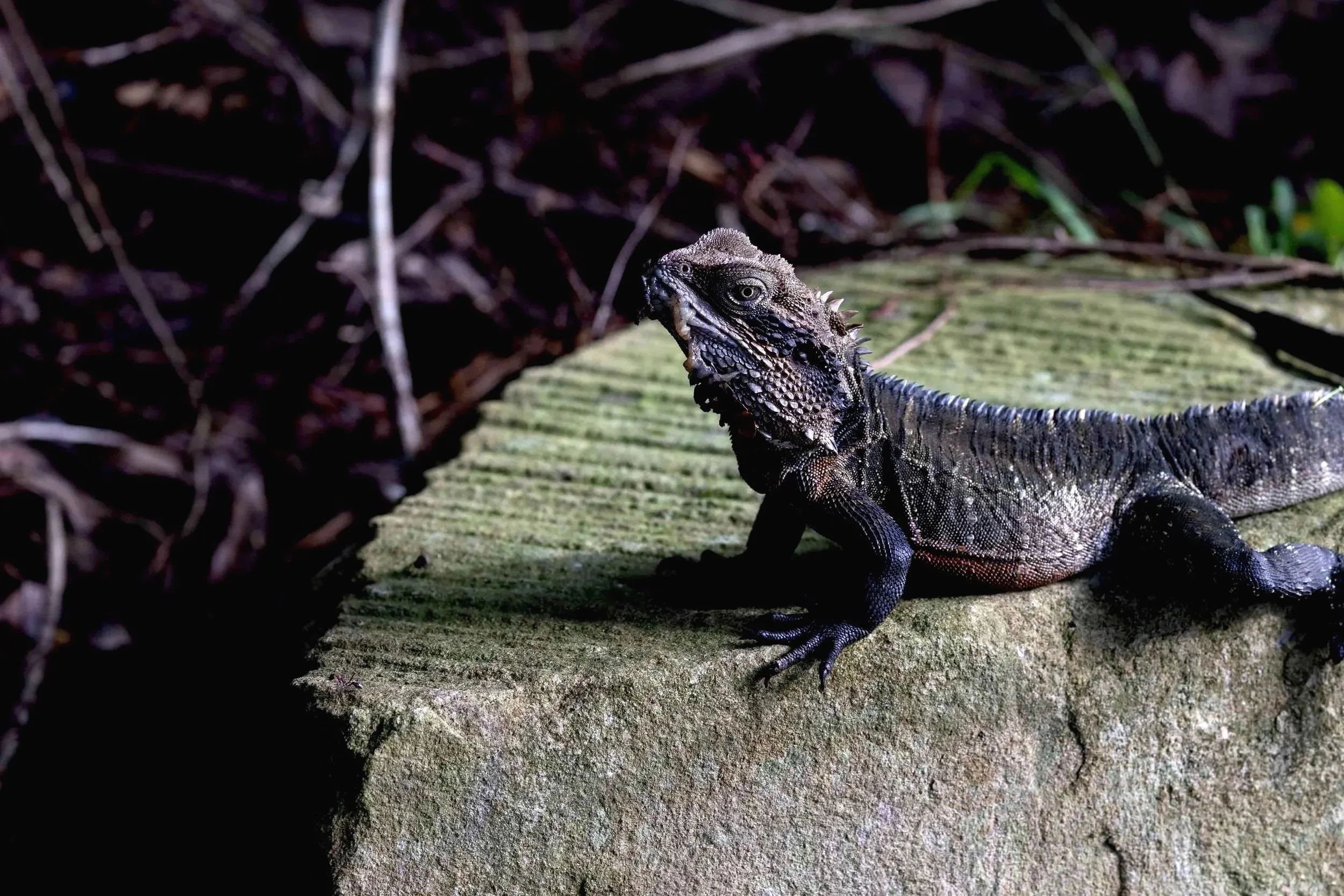
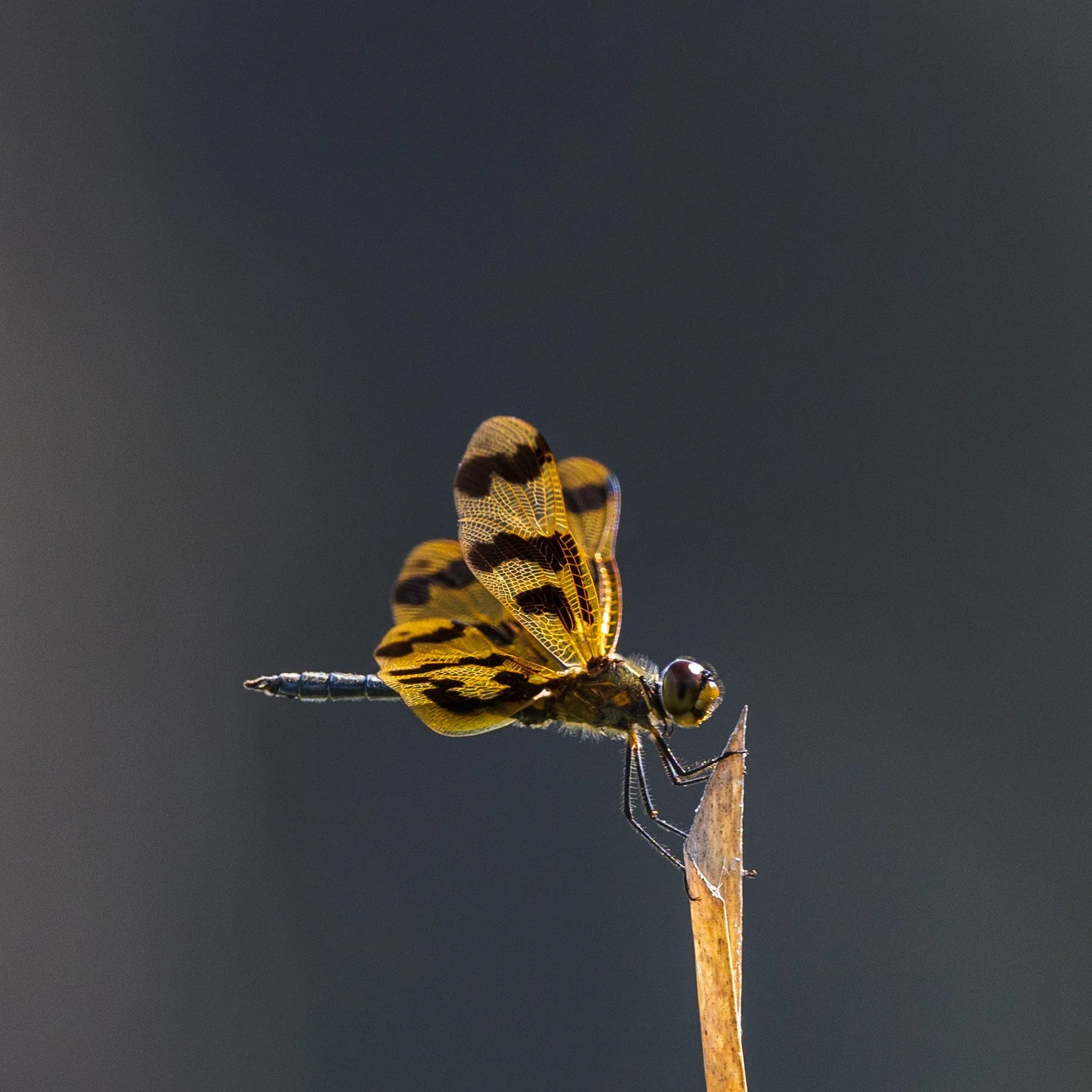
Birds aren't the only wildlife found here. The wetlands provide habitat for frogs, reptiles and microbats, including the Large-footed Myotis, a small bat that feeds on fish.
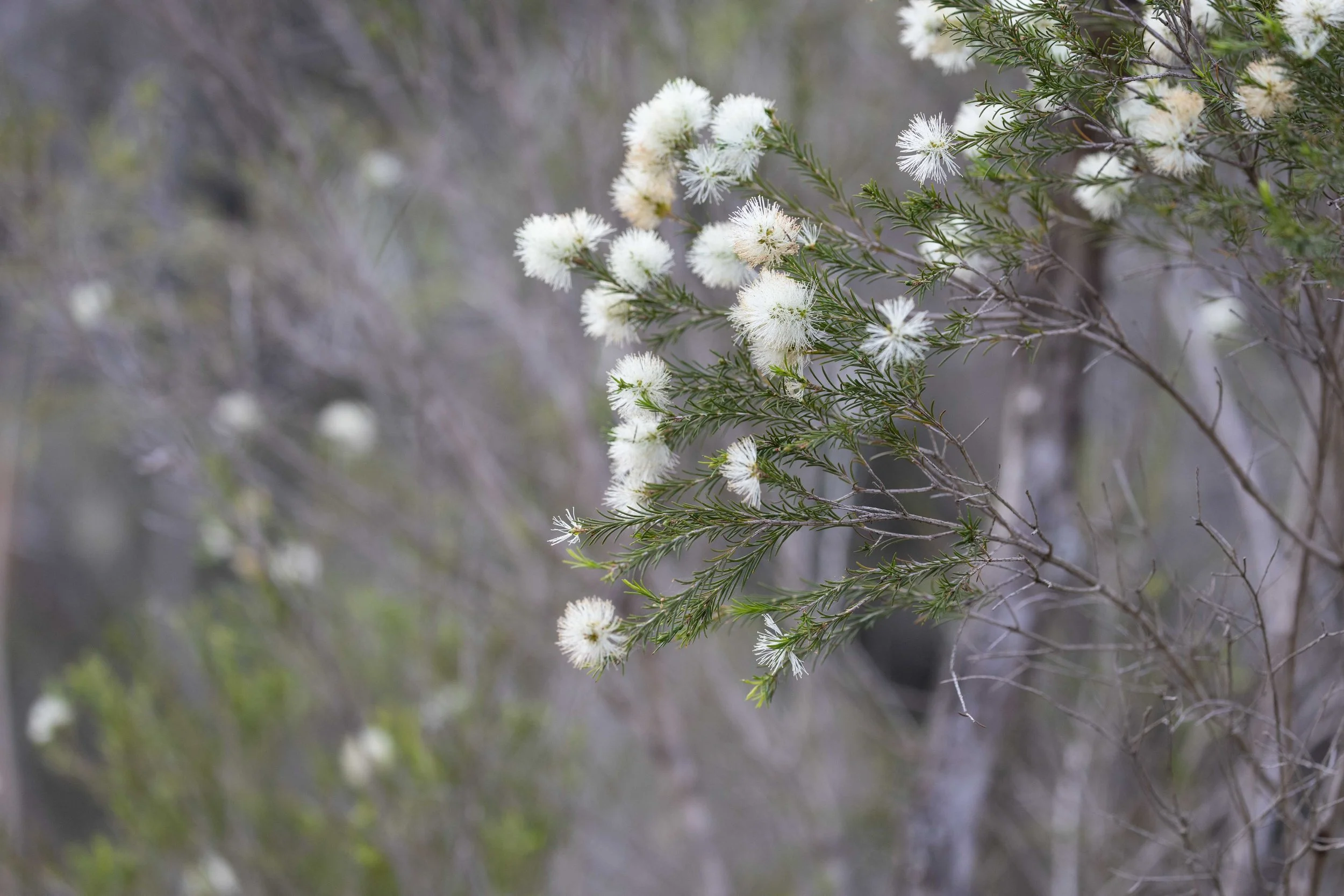
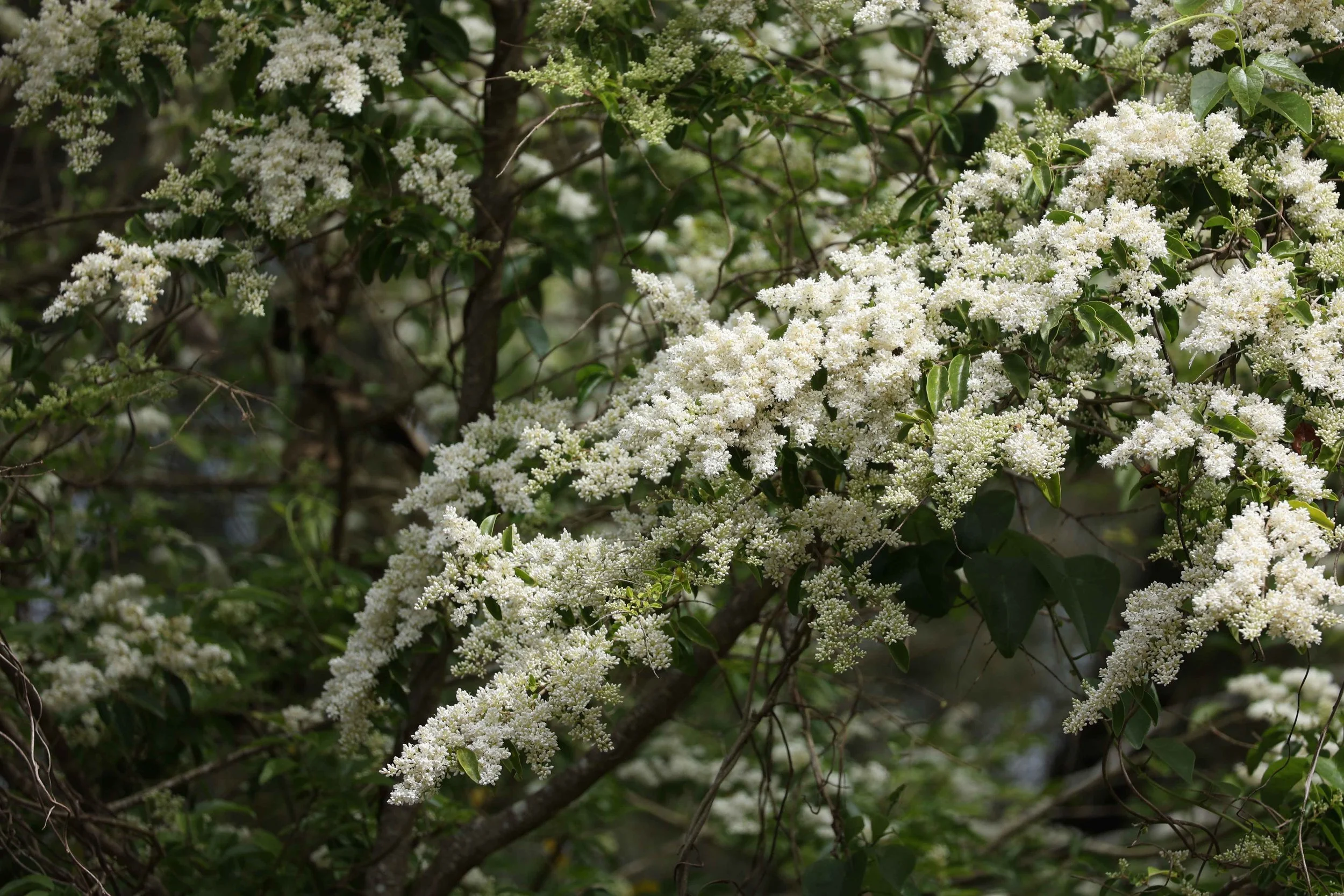
And as the largest remaining sand plain wetland in northern Sydney, you’ll find a rich diversity of native flora here.
For recent bird sightings at Warriewood Wetlands and surrounds head to eBird.
Trail Tips
Street parking on Katoa Close. Alternatively, park at Warriewood Square.
Walk early or late for the best chance of seeing wildlife.
Download your map before you arrive - there is virtually no mobile reception.
Toilets are available throughout the reserve.
Bring your own food and drinks - there are no shops or cafés nearby.
No dogs allowed