Walk Summary
This is a rewarding coastal walk in Royal National Park linking Wattamolla lagoon and beach with the dramatic clifftop lookout at Eagle Rock
Distance 9 km
Time 2 - 3 hours
Difficulty Easy/Moderate
More than 300 bird species have been recorded across Royal National Park.
Walk Overview
This Wattamolla to Eagle Rock trail is part of the 26 km long Royal Coast Track which runs between Bundeena and Otford.
The Wattamolla to Eagle Rock section of the track is just 9 kilometres return and will take 2–3 hours to complete, depending on your pace and photo stops.
Wattamolla Beach to Providential Point
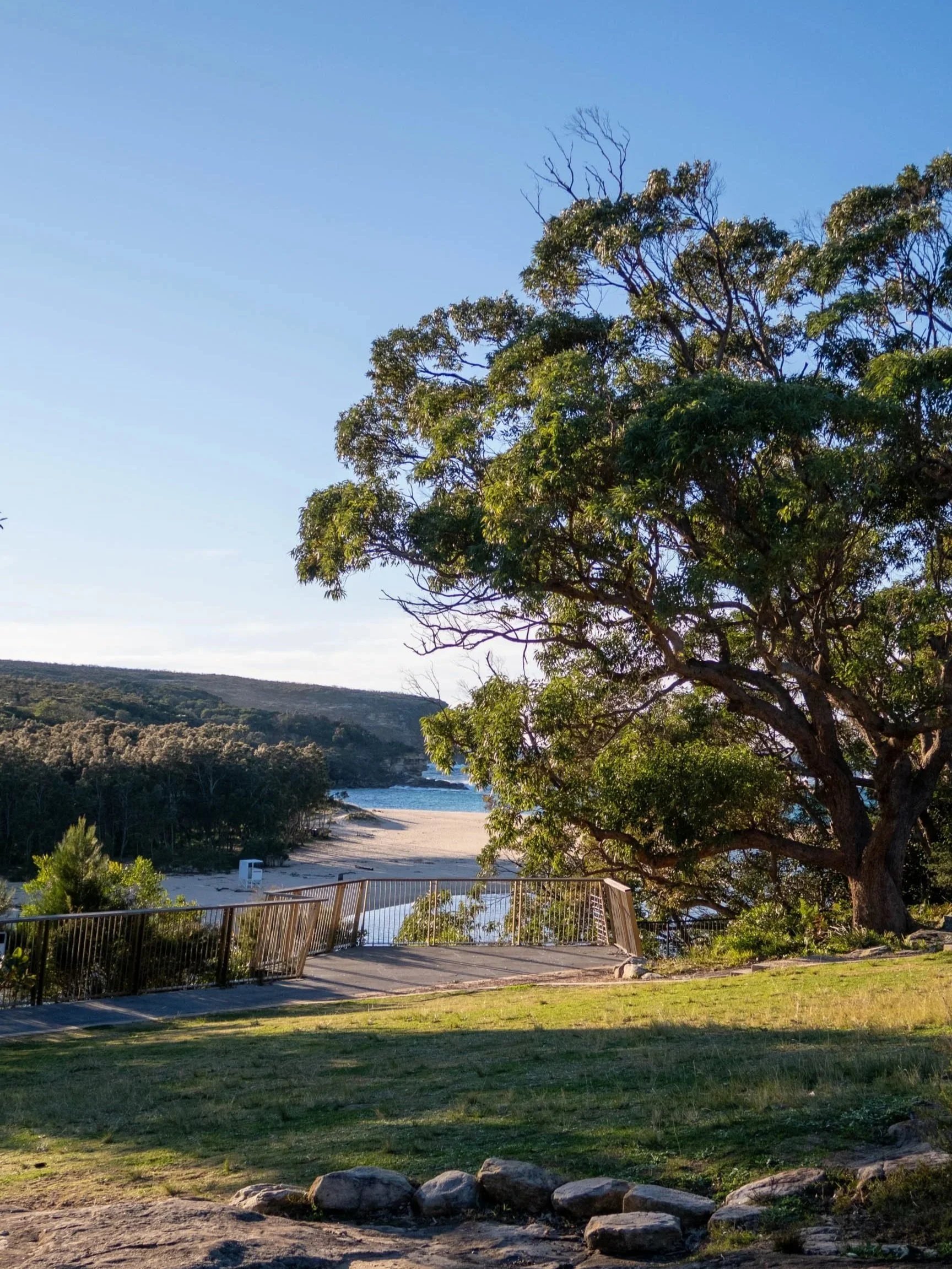
The calm lagoon, sandy beach and surrounding cliffs of Wattamolla Beach make a beautiful starting point.
From the picnic ground, take the trail marked Providential Point (or Coast Track South). Follow the track through coastal bush before it opens up to reveal the ocean and Wattamolla’s lagoon and beach on your left.
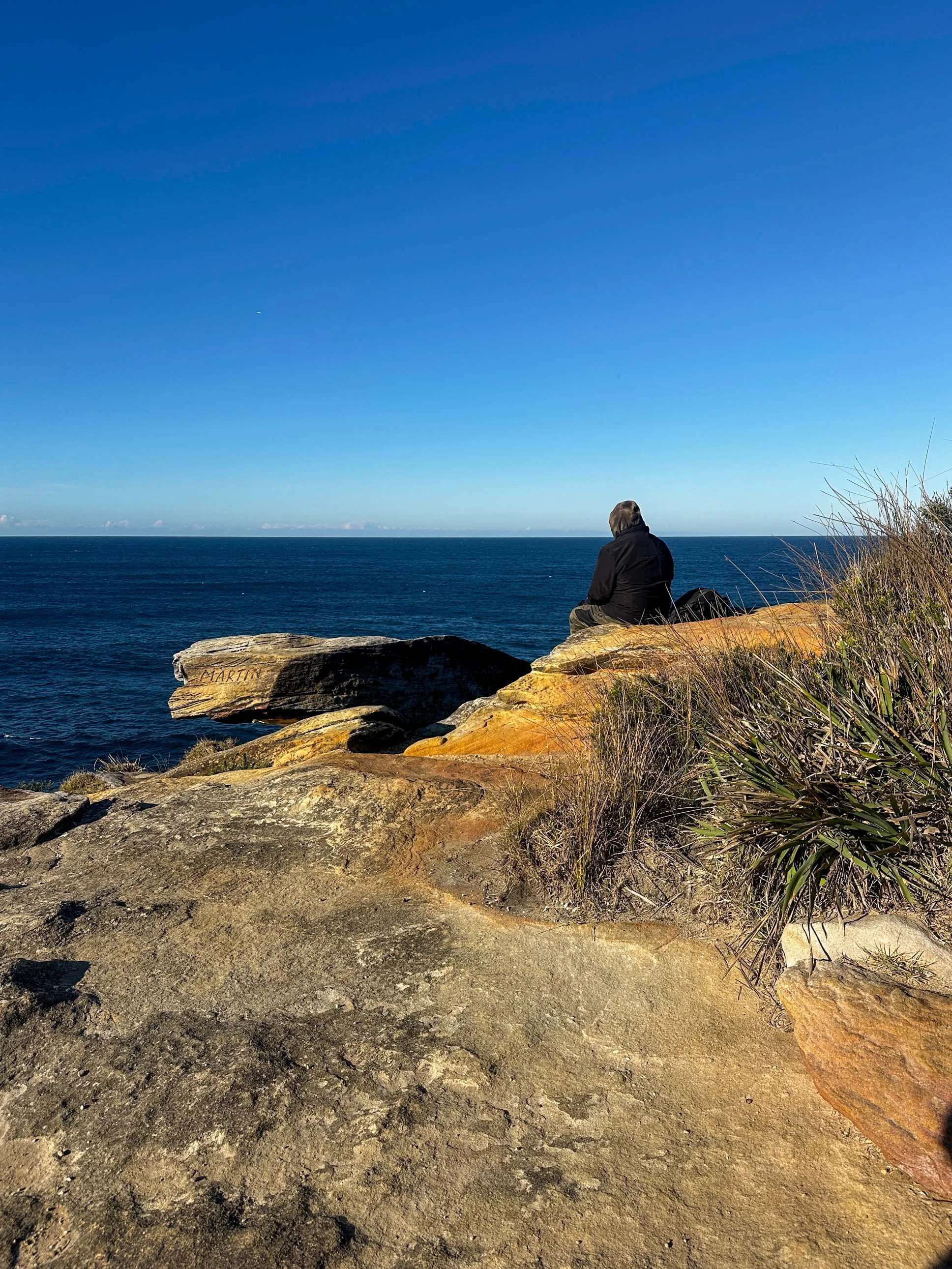
About 700 metres in you’ll reach Providential Point on the southern headland. It’s a good vantage point, popular with birders and a reliable whale-watching spot at the right time of year.
Providential Point to Curracurrong Creek crossing
Beyond the lookout the track continues along the clifftop, with ocean panoramas to your left and dense heath to your right.
Much of this section is on boardwalk, making for easy walking with long views along the coastline.
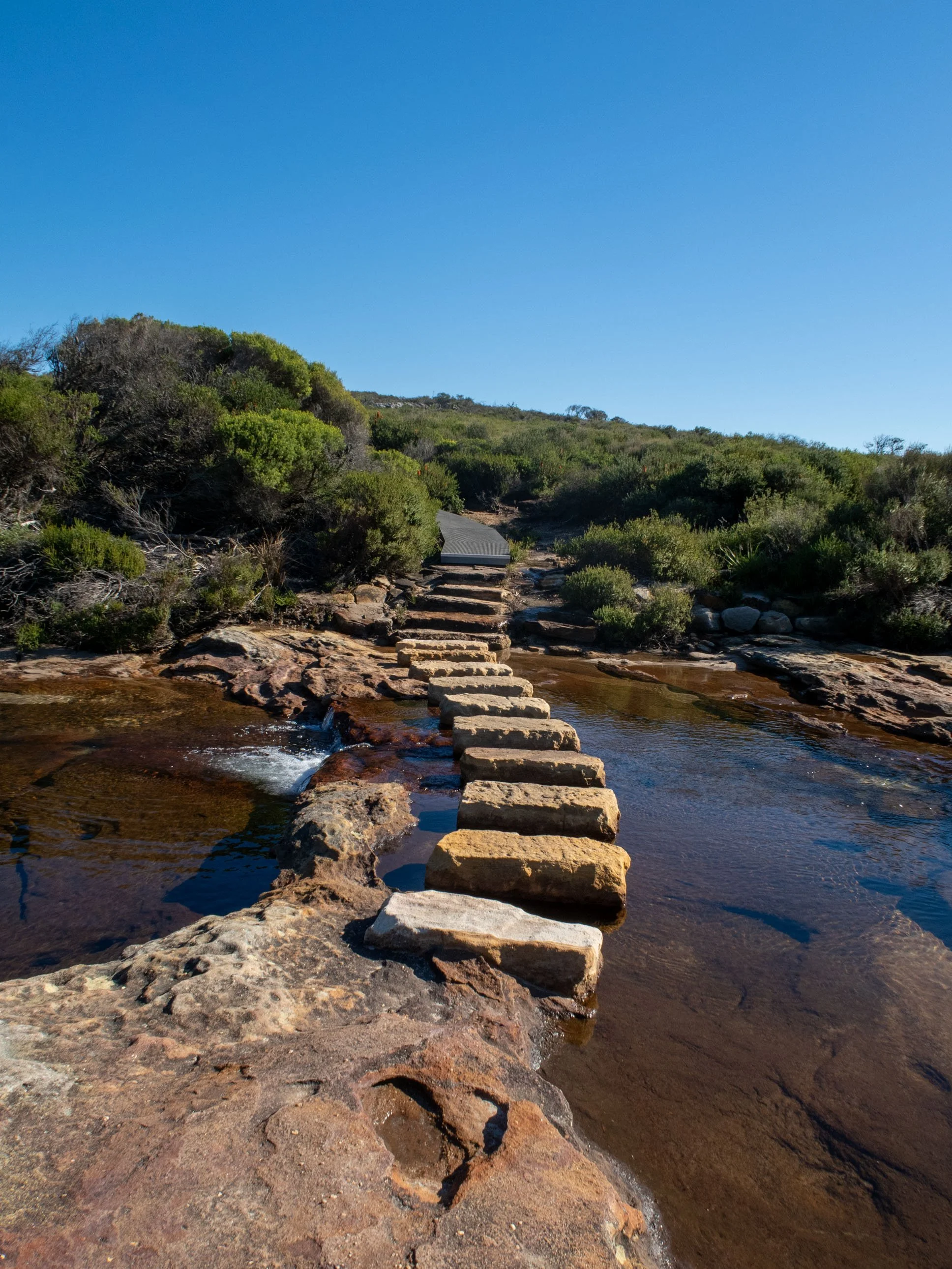
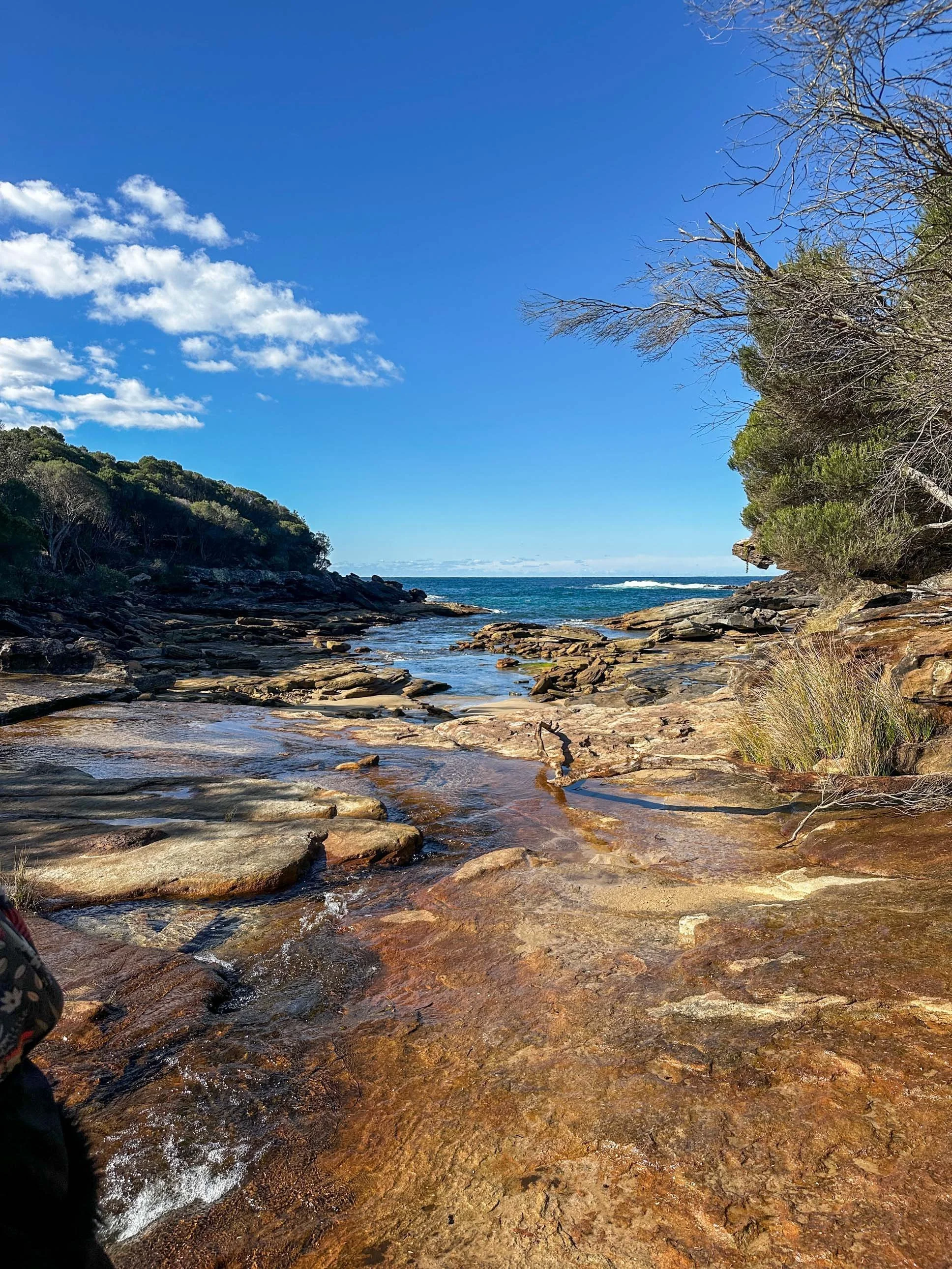
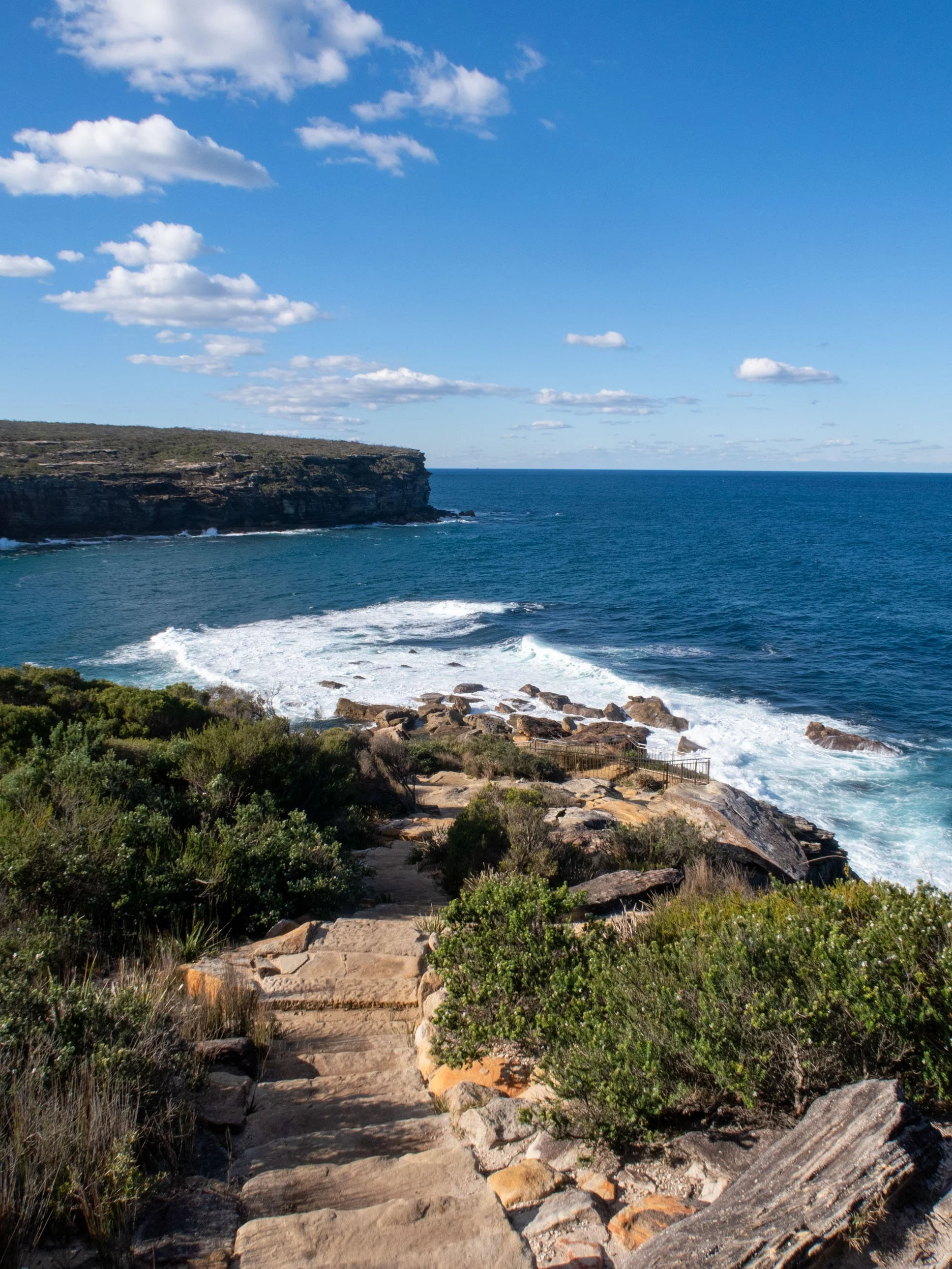
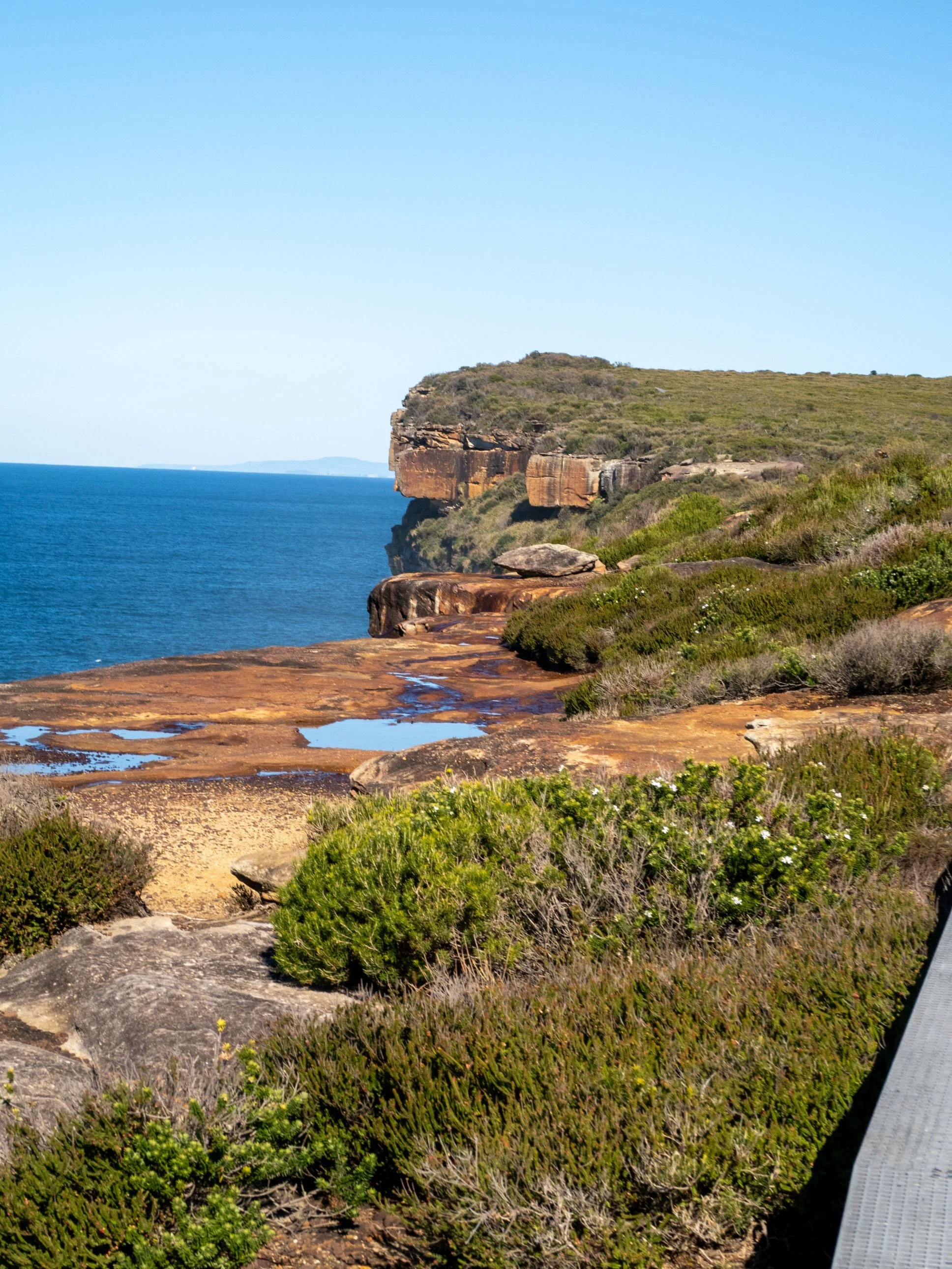
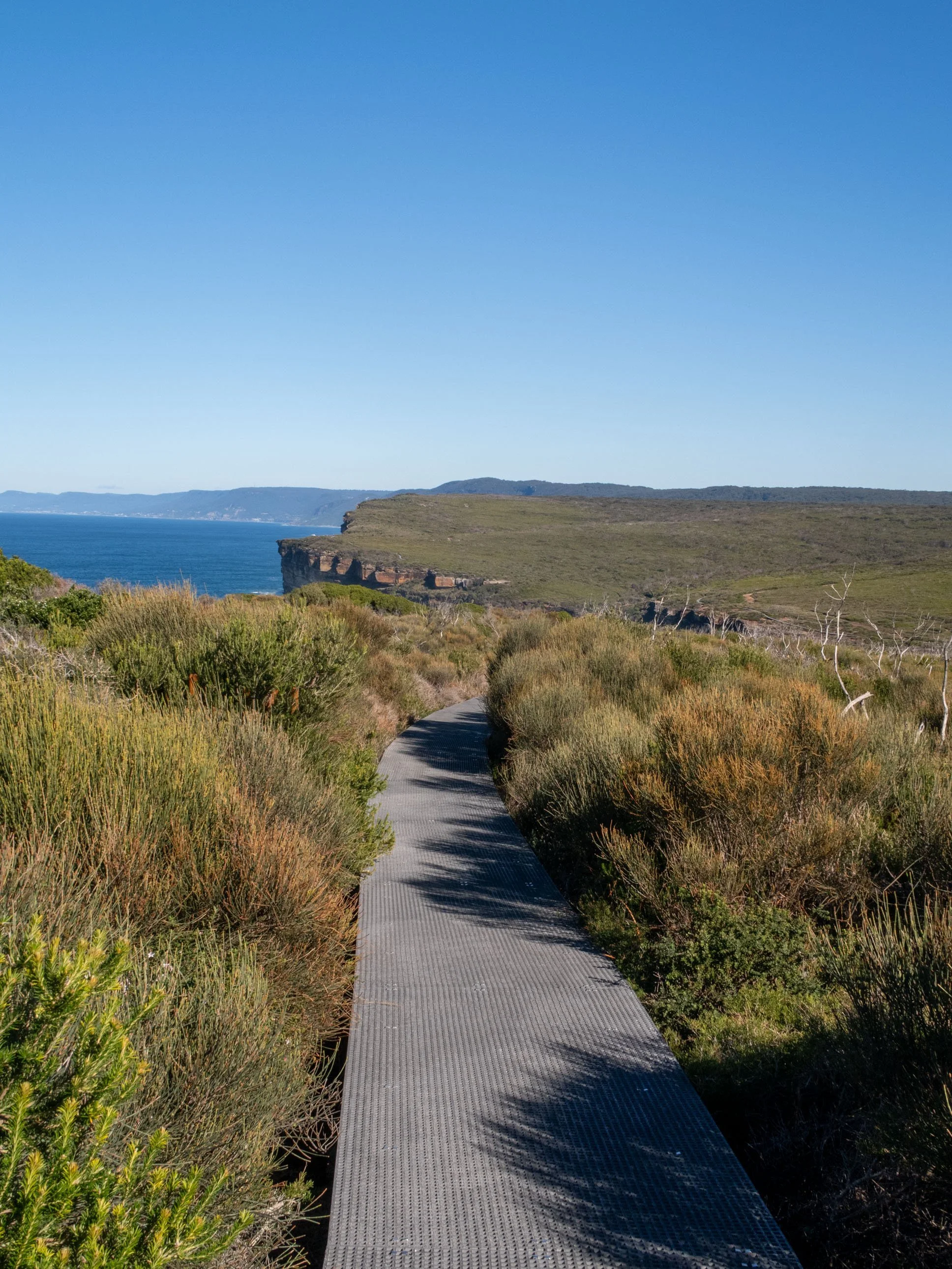
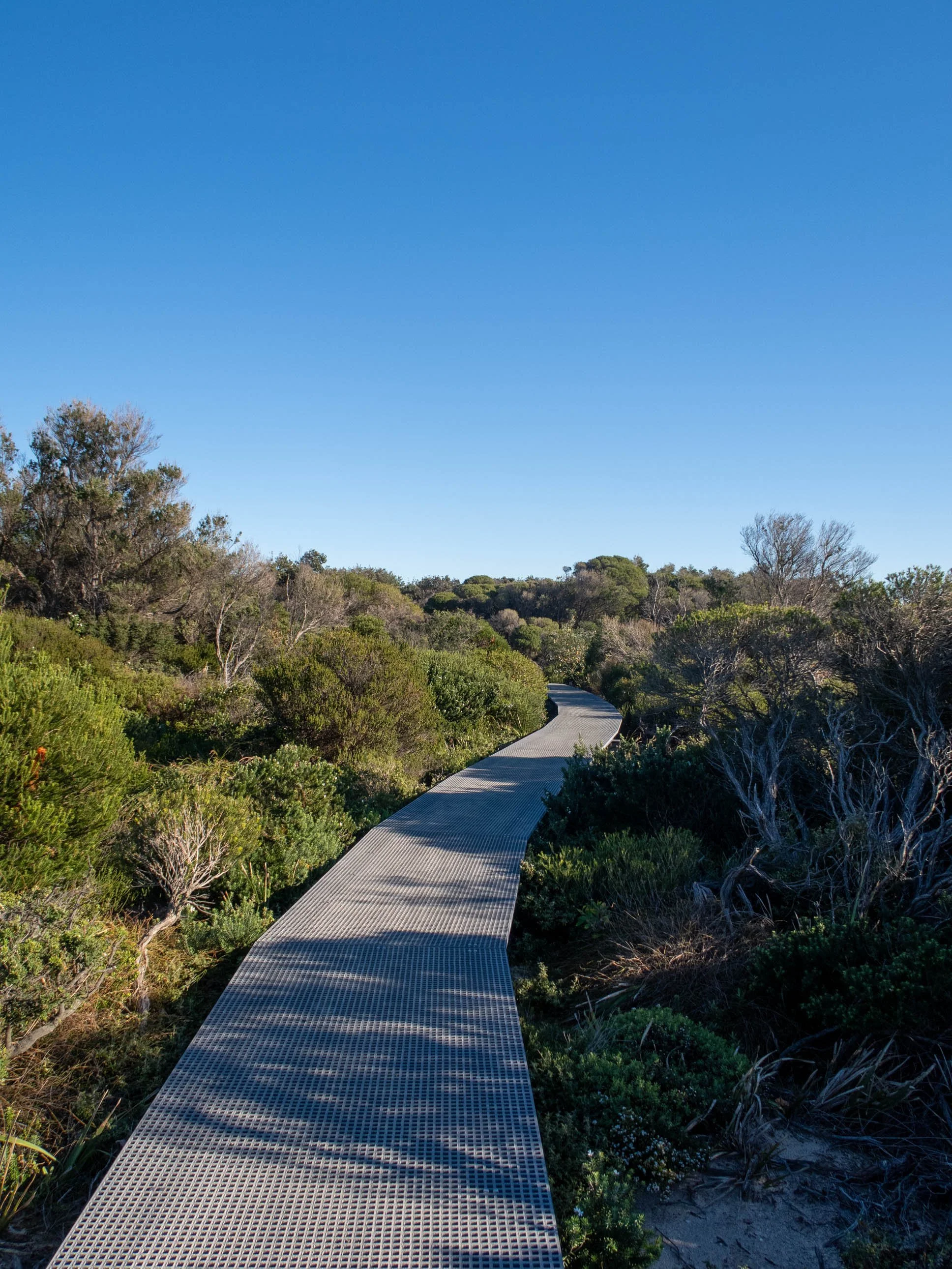
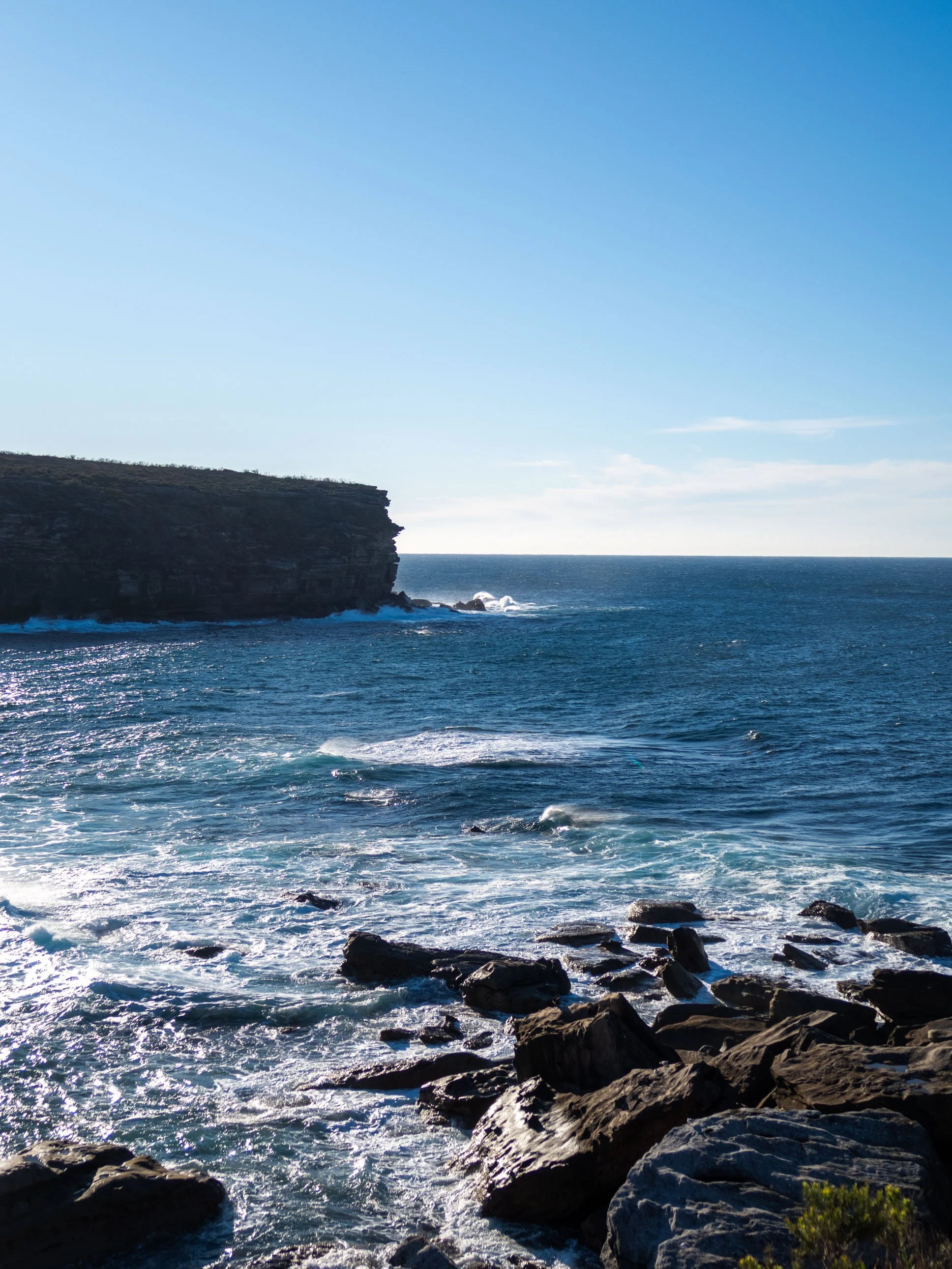
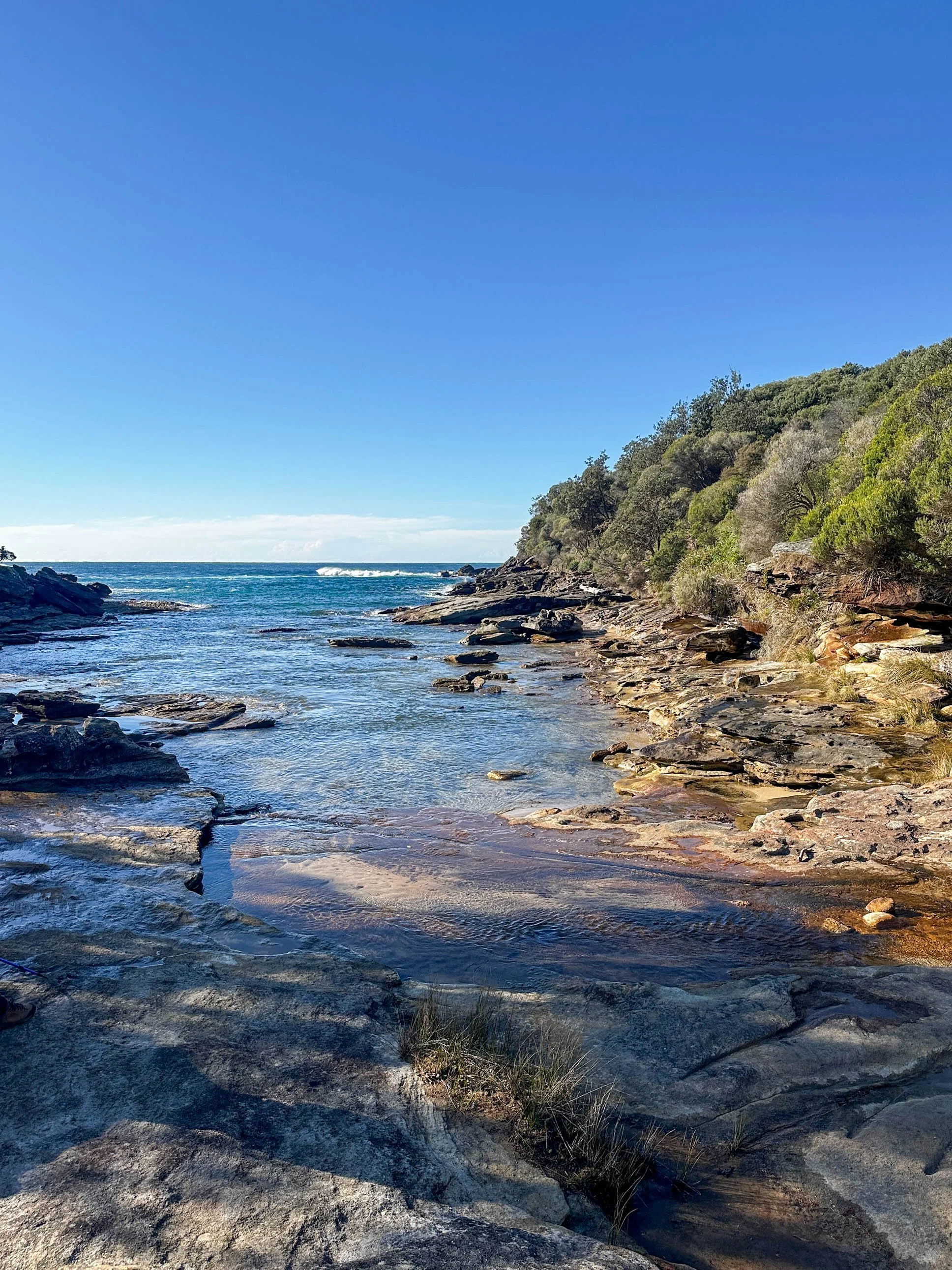
After about a kilometre the track drops to a small creek at Curracurrong Cove. Cross the stepping stones and continue as the path begins to rise again.
Curracurrong Cove to Eagle Rock turn-off
Climbing gradually away from the cove, the track alternates between natural rock and boardwalk. The vegetation is a bit thicker here with views more intermittent. You might notice more birdlife here as it is often active in this more sheltered section.
As the path levels out, a faint unmarked path branches off toward the sea. It’s about 150 metres long, unmarked and not all that obvious - we walked straight past it and had to double back.
The final approach to Eagle Rock also involves a short but steep scramble over rocks to reach the lookout point.
Eagle Rock and the falls
Eagle Rock is a sandstone outcrop that juts into the Pacific Ocean and is the star attraction on this walk.
From the top of the rock you can see north toward Sydney on clear days, and south along the rugged coastline toward Wollongong. And if you’re lucky, you might see one of its namesakes, nesting or resting in the vicinity.
From Eagle Rock you can view the twin cascades of Curracurrong Falls. They’re quite a sight to see from any angle, especially after rain, but Eagle Rock is the best place to watch them tumble side by side off the cliffs and into the ocean below.
Head a little further south to look back at Eagle Rock -the bird’s head is quite distinctive from this angle.
The return journey follows the same route, offering different perspectives of the spectacular coastal scenery you encountered on the way up. Back at Wattamolla, the lagoon and beach make an ideal place to cool off after the walk.
Wildlife on the walk
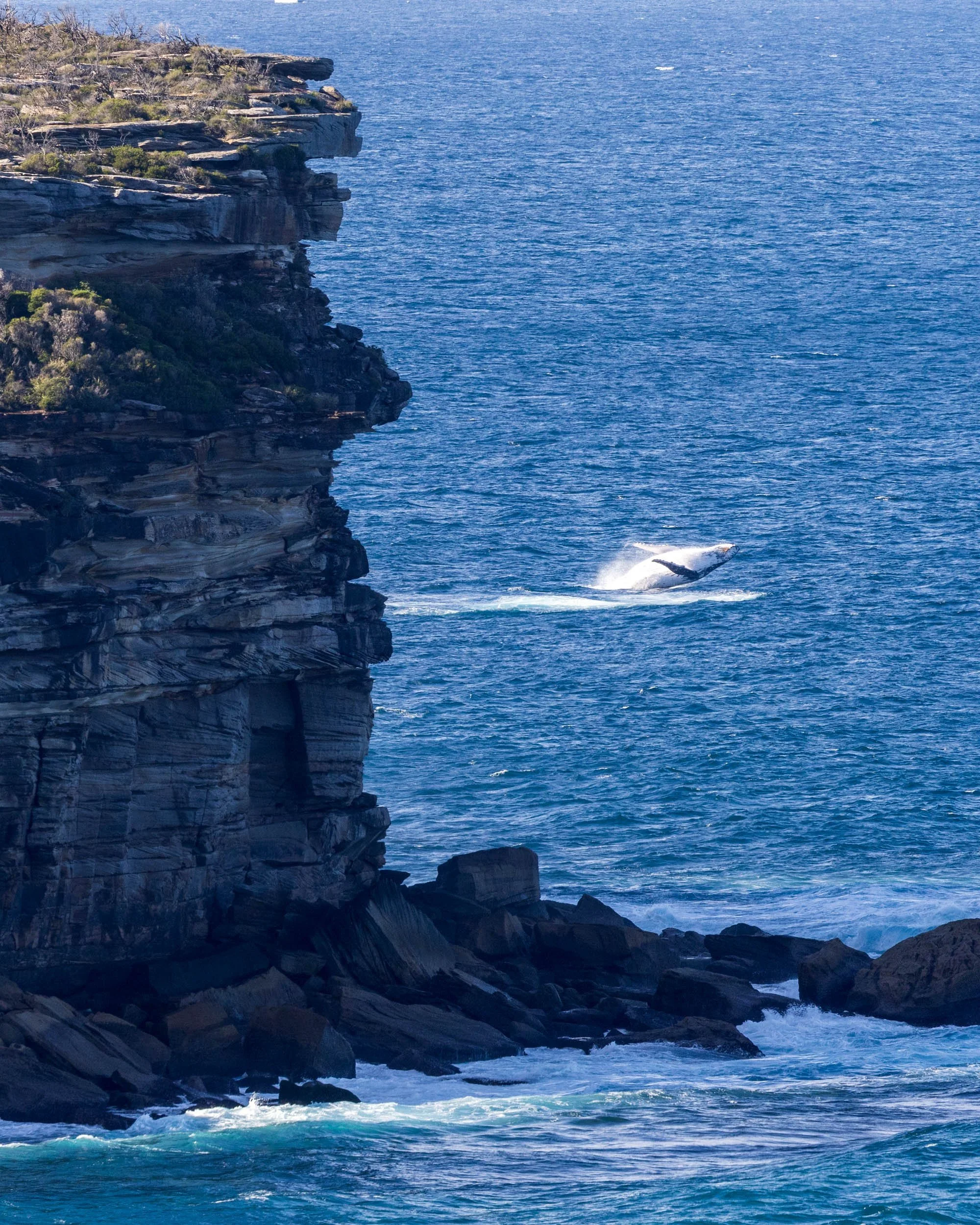
The Royal National Park is home to an impressive array of native Australian wildlife, and the area covered by the Wattamolla to Eagle Rock trail is widely known as one of the best places for spotting migrating whales.
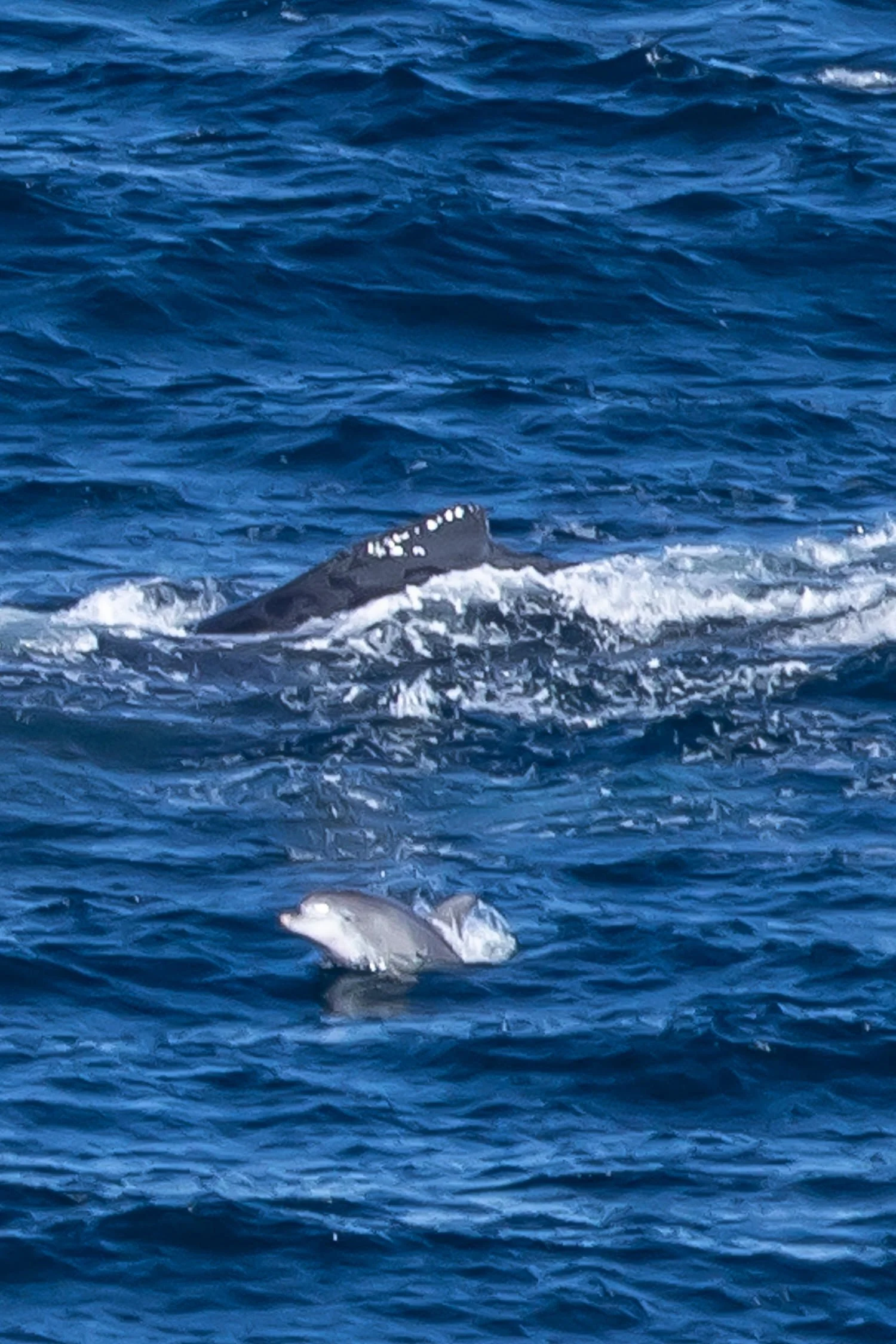
We walked in early June and saw heaps! We got very excited and the walk probably took us twice as long as it should have done because we kept stopping to watch them. One pod came in quite close to the rocks, escorted by a pod of dolphins, and we could hear the whales calling to each other which was such a treat.
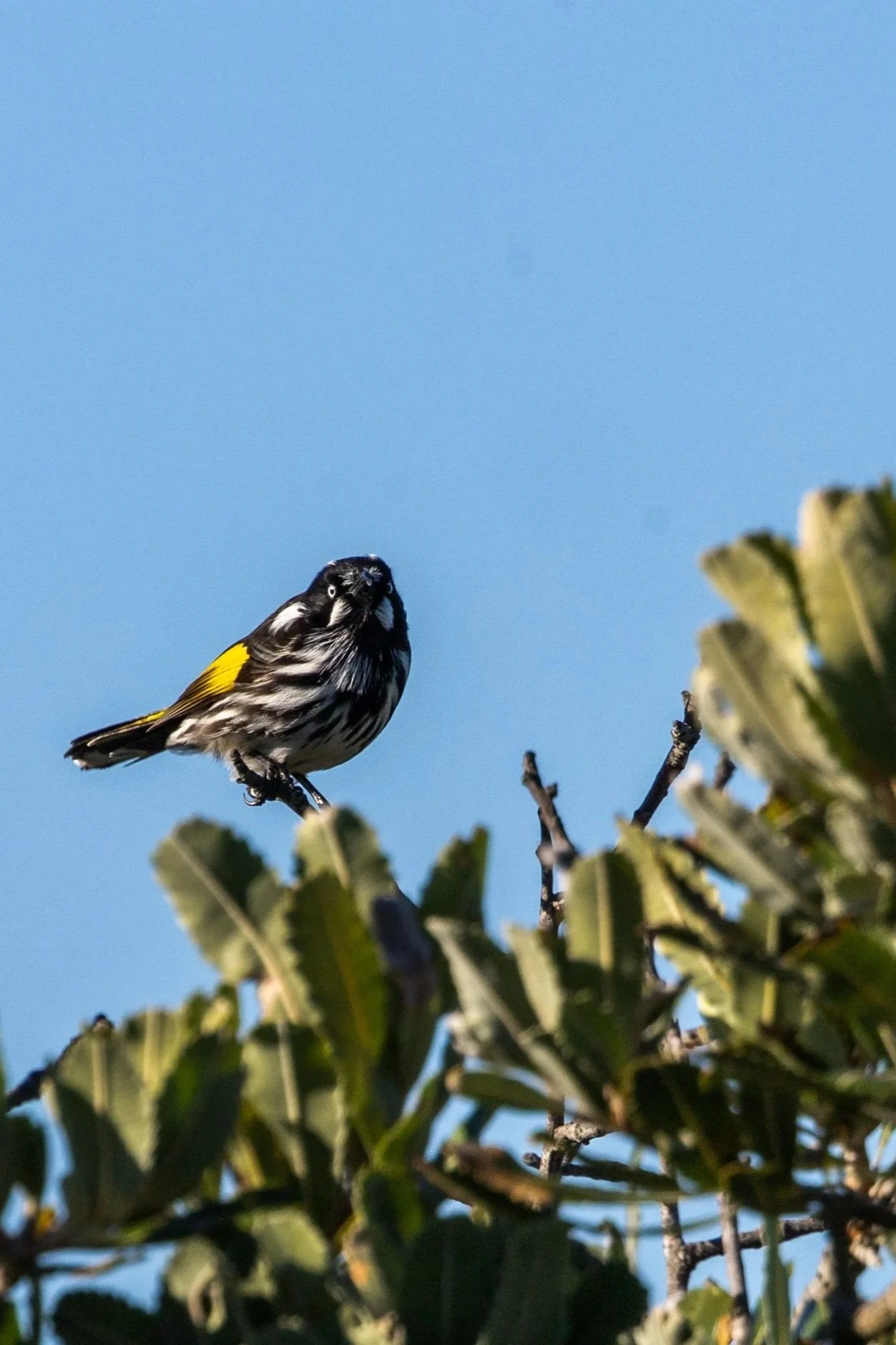
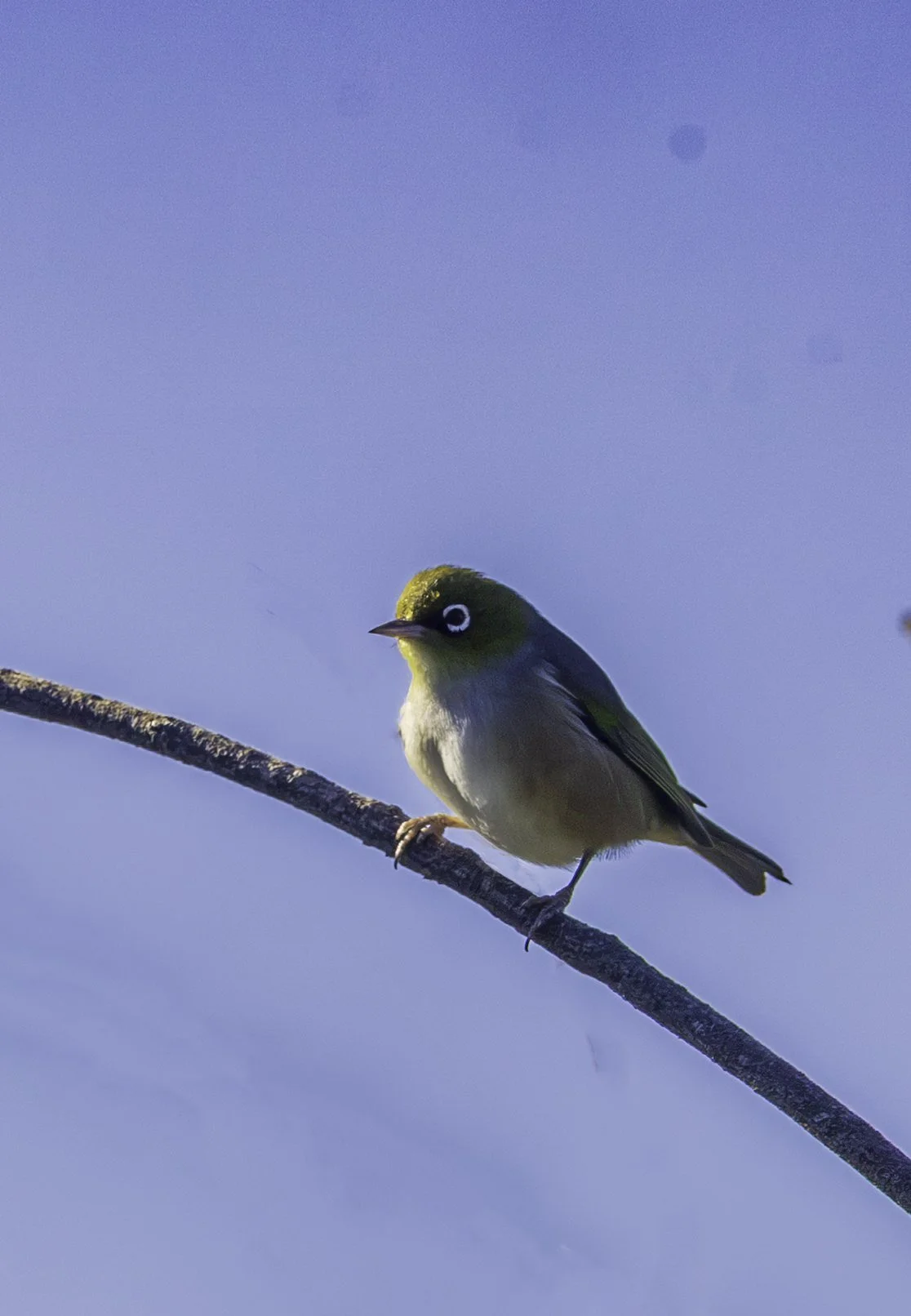
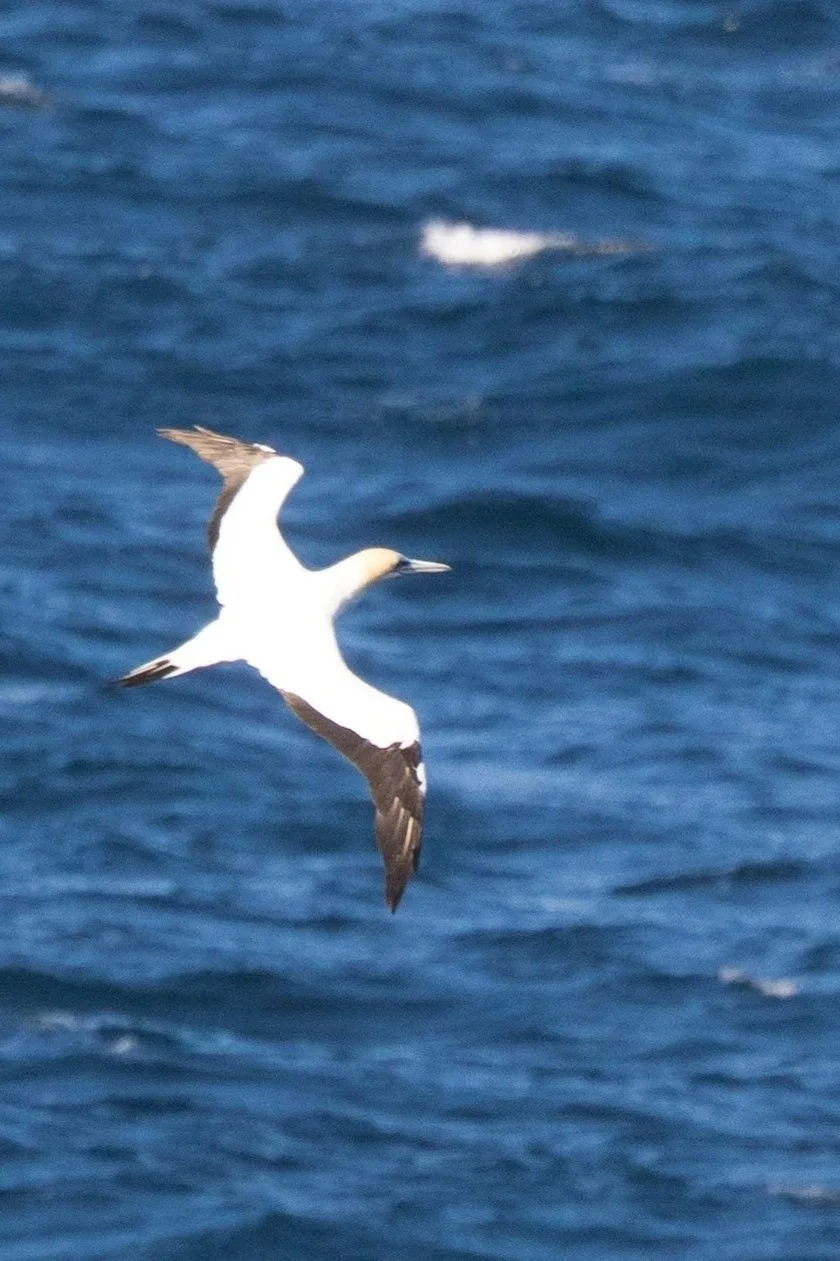
Birdwatchers are attracted to this area for the sheer variety of species. We saw Rainbow Lorikeets, Kookaburras, Wattlebirds, New Holland Honeyeaters and Silvereyes.
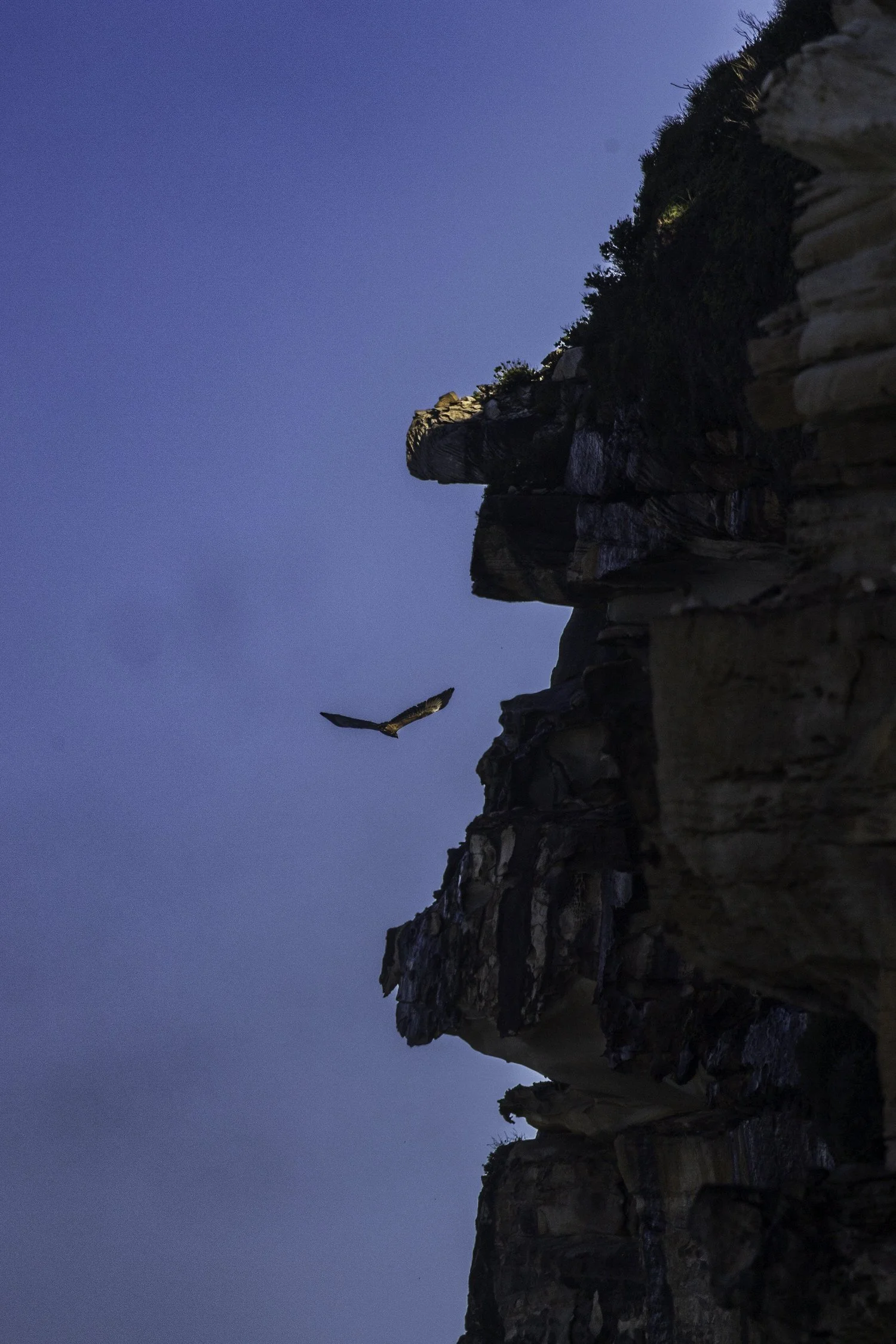
We also spotted a Wedge-tailed Eagle heading, would you believe, to Eagle Rock.
But there are heaps more in the area. Over than 300 bird species have been recorded across Royal National Park.
Trail Tips
Check the National Parks website for closures before heading out.
National Park entry fees apply.
Go early to avoid the crowds, especially on weekends.
Toilets near the car park are the only ones on the trail.
Bring plenty of water — there are no potable water sources along the trail.
Hiking boots or sturdy shoes are recommended, particularly around the rocky sections.
Pack layers and a waterproof jacket as the weather can change quickly.
Mobile phone reception is patchy, so download the map before you head out.
The clifftops are a good place to watch migrating whales in winter and spring.