Hornby Lighthouse & Camp Cove loop from Watsons Bay
-
A short harbour-headland walk from Watsons Bay to Hornby Lighthouse via Camp Cove, with sweeping views, historic sites and optional swim stops along the way.
Distance: 3 km return Time: 1 hour
Steps: ~4,000
Level of difficulty: Easy -
Watsons Bay ferry arrival & harbour park
Heritage-listed Marine Biological Station (1881)
Camp Cove Beach (swimming, kiosk, toilets)
Lady Bay (Lady Jane) Beach lookout
South Head Heritage Trail fortifications
Hornby Lighthouse & keeper’s cottages
Whale-watching vantage point (seasonal)
-
Weekends and holidays are very busy around Watsons Bay and Camp Cove
Limited shade and exposed wind on South Head — sun protection recommended
Cliff edges unfenced around the lighthouse
Toilets at Camp Cove and near the heritage trail road
Optional shorter return via Cliff Street roadway
Easy to combine with the longer Bondi to Watsons Bay coastal walk
Need a dose of green space and ocean air but don’t have a lot of time? This short walk from Watsons Bay wharf to Hornby Lighthouse and back is an easy 3 km harbour-headland stroll. You can do it in under an hour at a steady pace, or take your time, stopping for a swim or picnic at one of the many pretty spots along the way.
If you’re thinking of doing the longer Bondi to Watsons Bay walk and have energy to spare, this makes a natural extension — following Cliff Street past The Gap and the HMAS Watson entrance up to the lighthouse before returning to Watsons Bay ferry.
Watsons Bay Wharf to Camp Cove
The walk begins at Watsons Bay ferry wharf. If you’re driving in, there is plenty of parking, some all day, in the streets alongside Robertson Park and in small council carparks in Cliff St. Weekends can get very busy, but midweek you can usually find a spot without too much trouble.
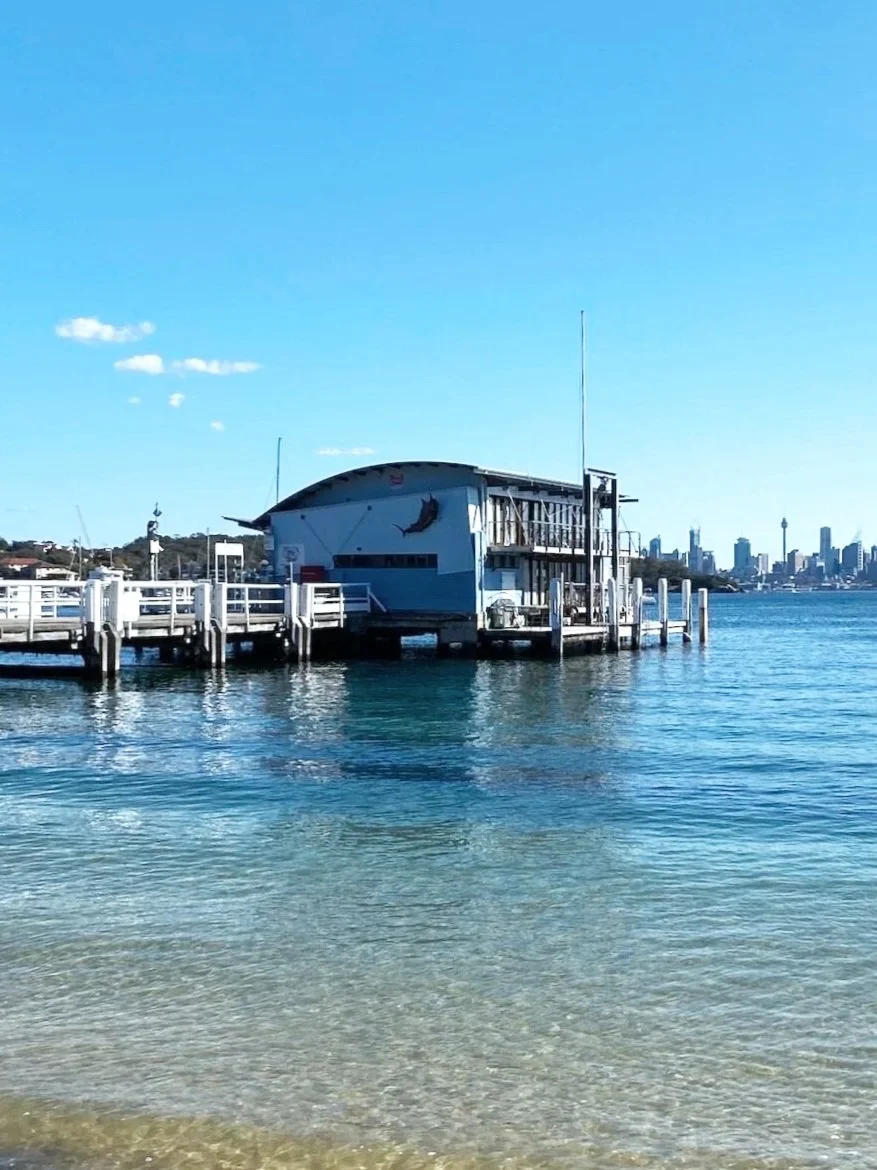

Passing the Watsons Bay Hotel and Doyles, follow the promenade past the many coloured tinnies and kayaks to the end of the beach. From here, take the ramp up to Cove St and turn left. Take the first left into Pacific Street. The frangipani and bougainvillaea spilling over the walls of white-washed beach houses and cottages, give this suburban area a relaxed holiday feel.
Near the end of Pacific Street you pass the heritage-listed Marine Biological Station (1881), the first biological research station in the Southern Hemisphere. At the end of the street, take the steps beside Green Point Cottage and follow the path around the headland to the stairs down to Camp Cove Beach.

Camp Cove to Hornby Lighthouse (South Head)
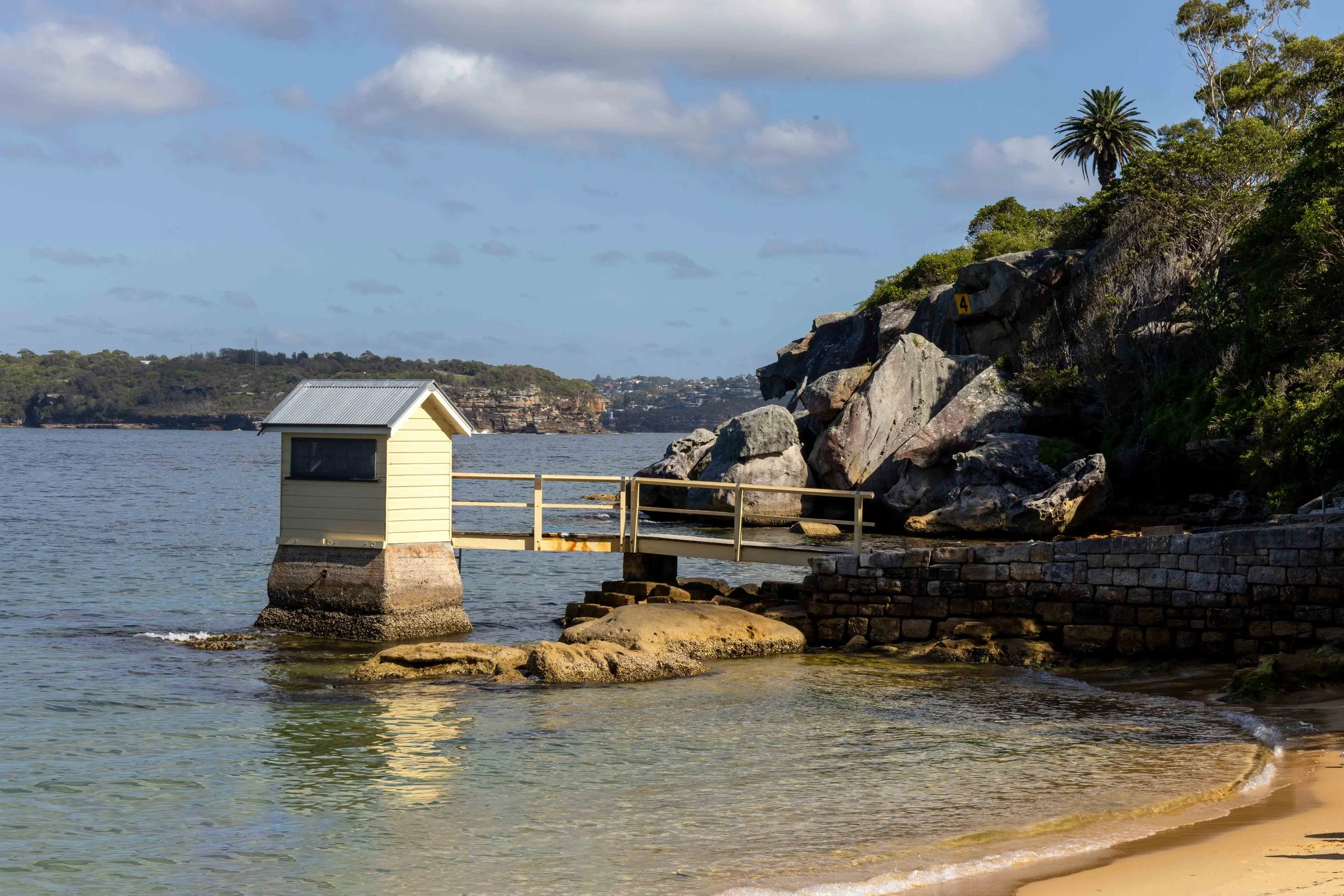
Camp Cove Beach is a pretty little stretch of golden sand lapped by calm, kid-friendly clear water in front of high-fenced multi-million dollar homes. There is a little kiosk at the end of the beach and toilets behind.
The beach and surrounding area was once home to the Birrabirragal clan, and a small rock shelter here is said to hold shell midden deposits dating back to a much earlier time. The cove was also one of the first landing places for Europeans in 1788 and one of the first points of contact between the newcomers and the locals.
Camp Cove Beach
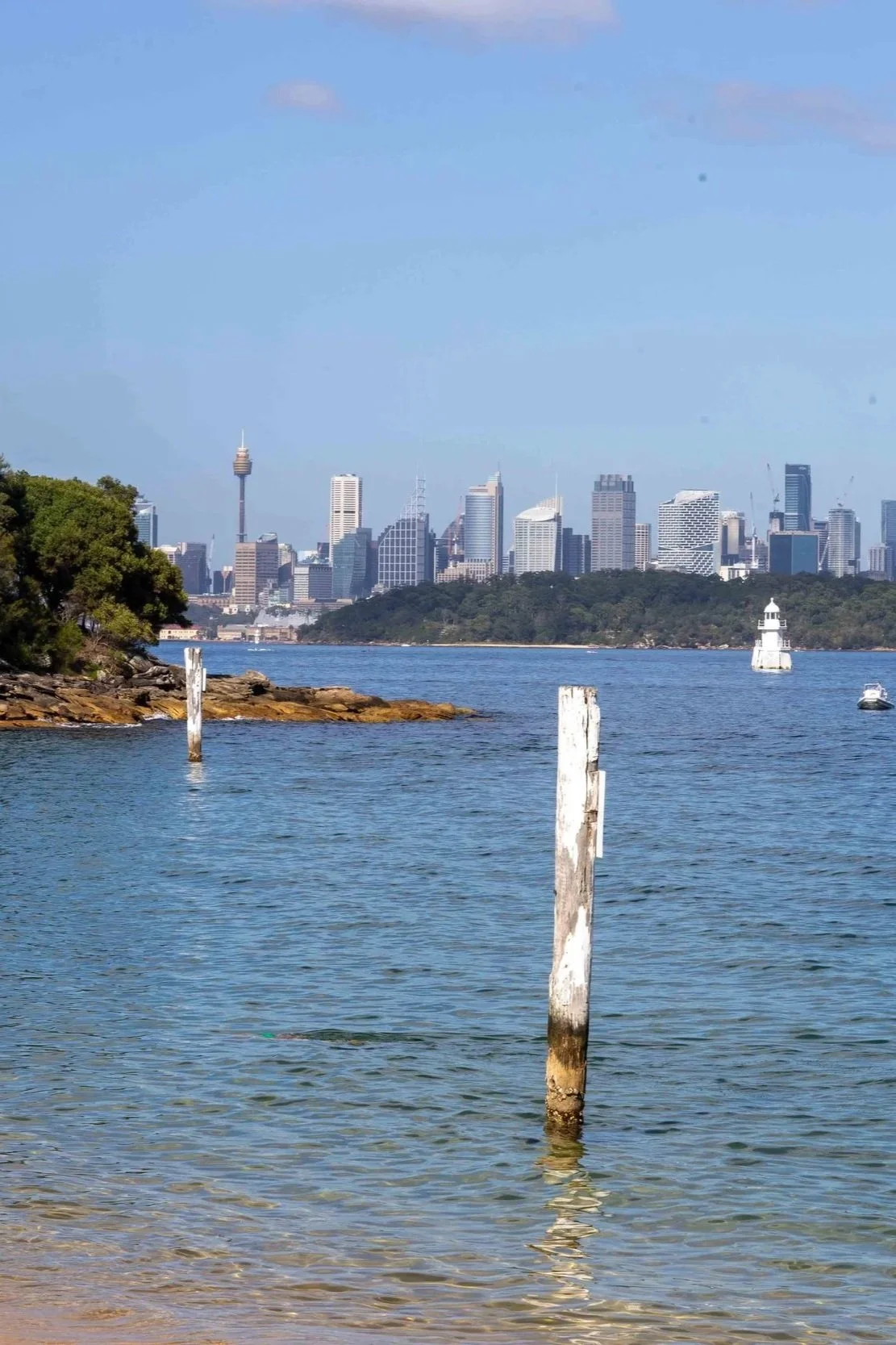

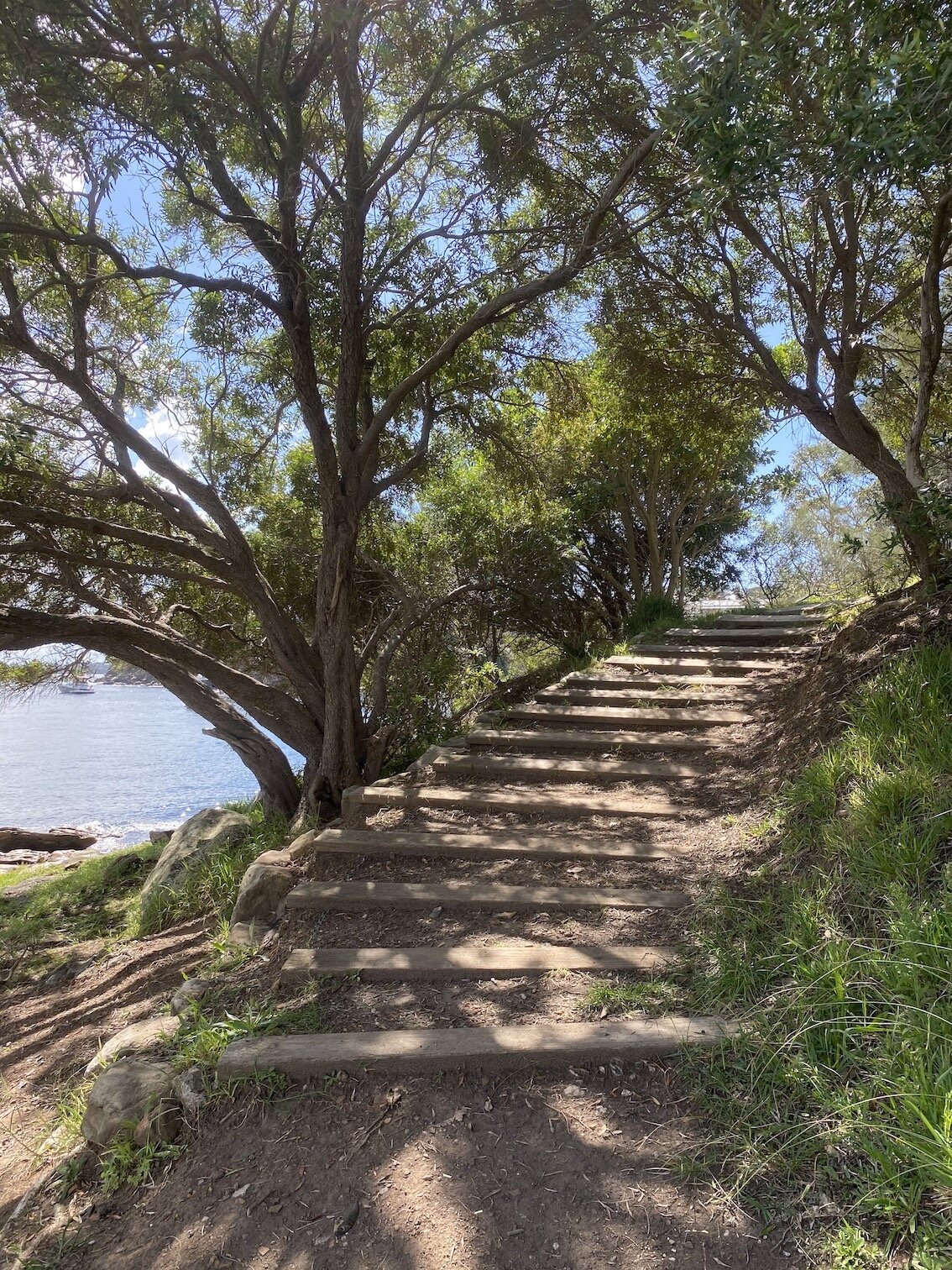
Climb the wooden steps at the southern end of Camp Cove, looking out over the weathered jetty, and follow signs to the South Head Heritage Trail.
Up ahead, a black cannon dating from 1872 looms above the harbour. It is one of several defences installed in the late 19th century to protect against a potential Russian attack.
Follow the tarred road up, past a toilet block and then down some steps where you’ll look out through pretty sprigs of banksia and bottlebrush over the famous Lady Bay Beach. Also known as Lady Jane Beach this not quite hidden stretch of sand has attracted nude bathers since the seventies.
Hornby Lighthouse & South Head
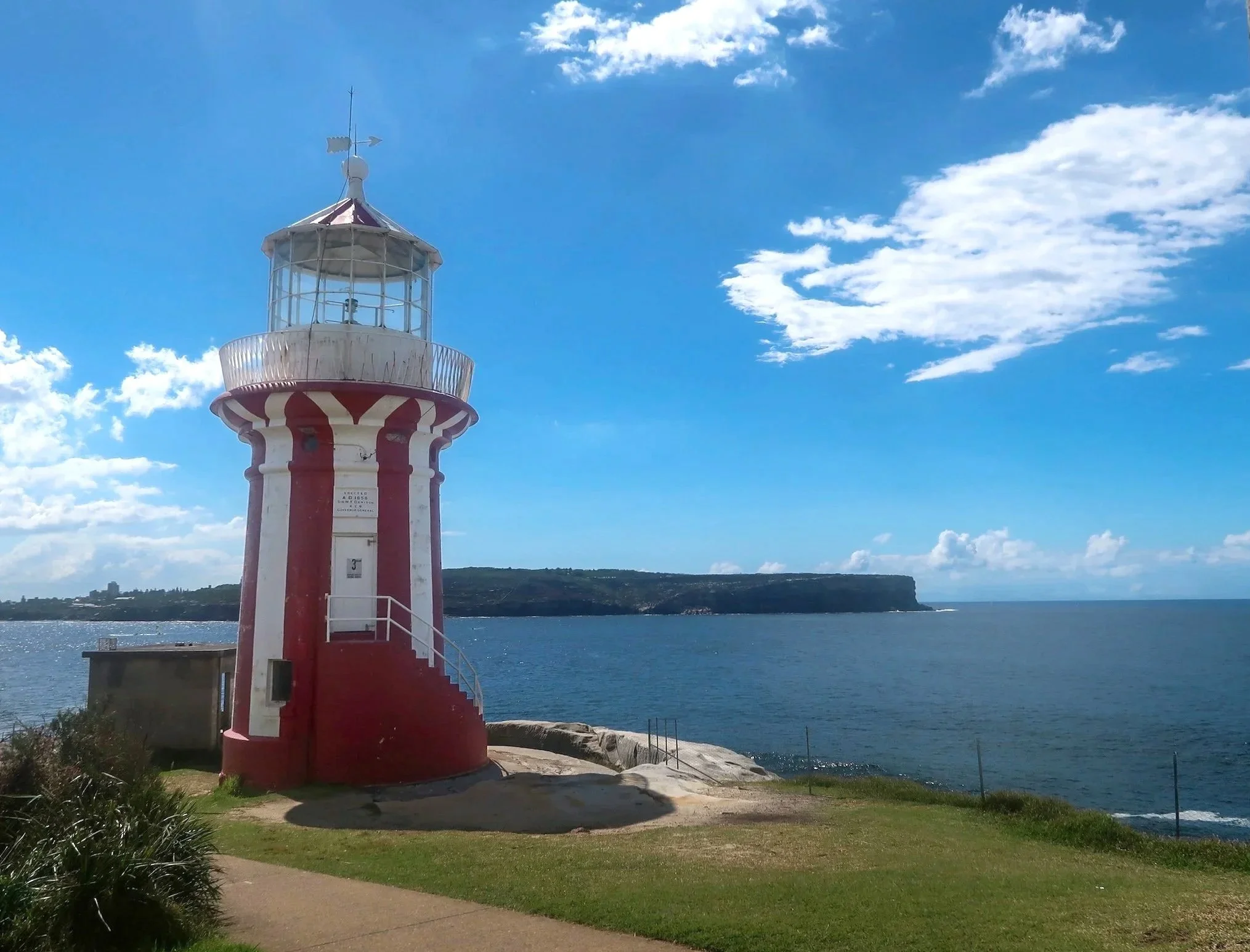
A candy-striped surprise when you first see it, Hornby Lighthouse is just around the bend past the Georgian sandstone keeper’s cottages that overlook the headland. The lighthouse, which marks the harbour entrance, was built in 1958 in response to the tragic loss of 121 lives on the Dunbar, wrecked off South Head in 1857.
The lighthouse was automated in 1933 and the cottages subsequently fell into disuse and some disrepair. When National Parks took over their management in 1975, renovations were carried out and caretakers installed to oversee their security and upkeep.
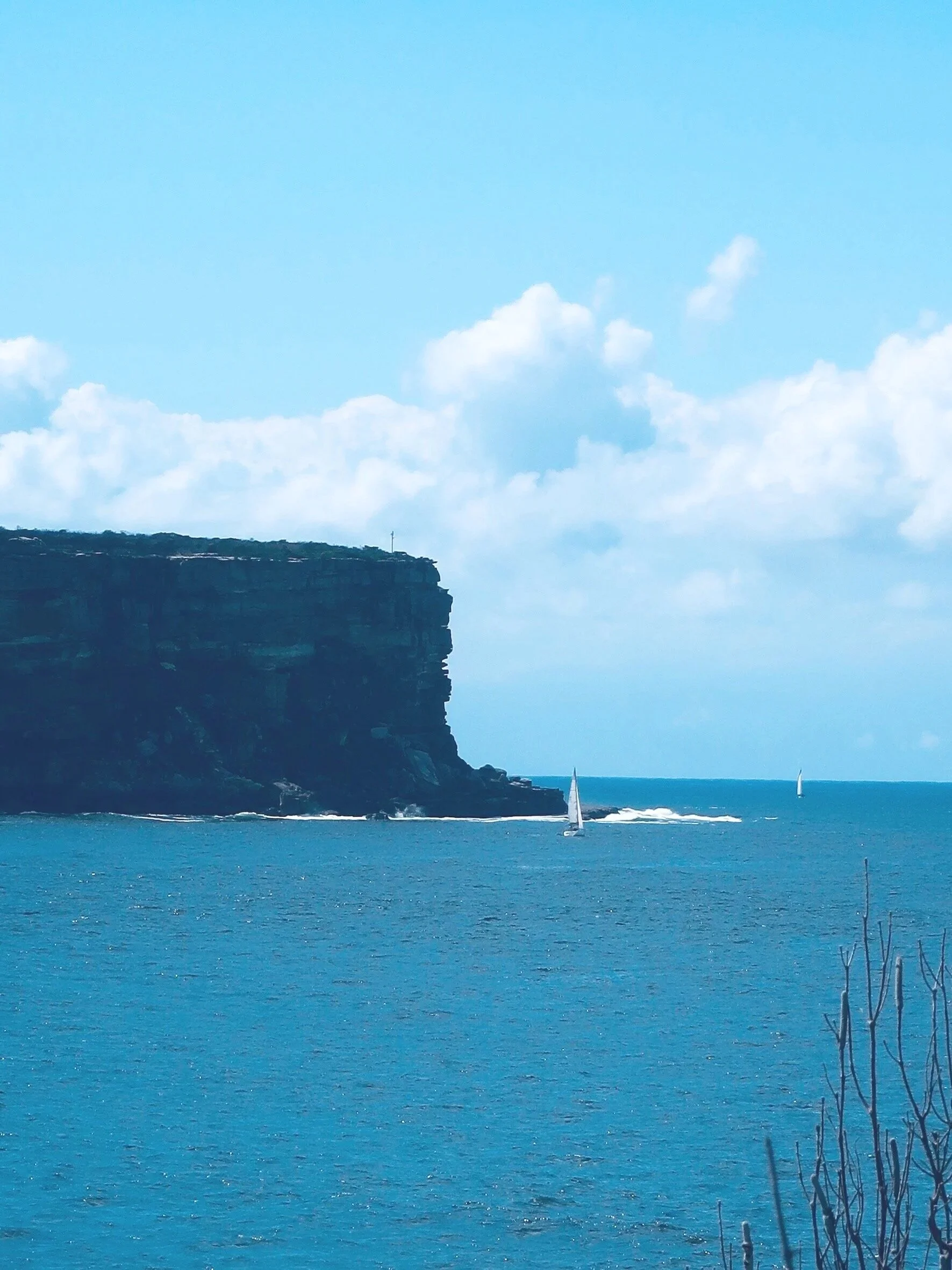
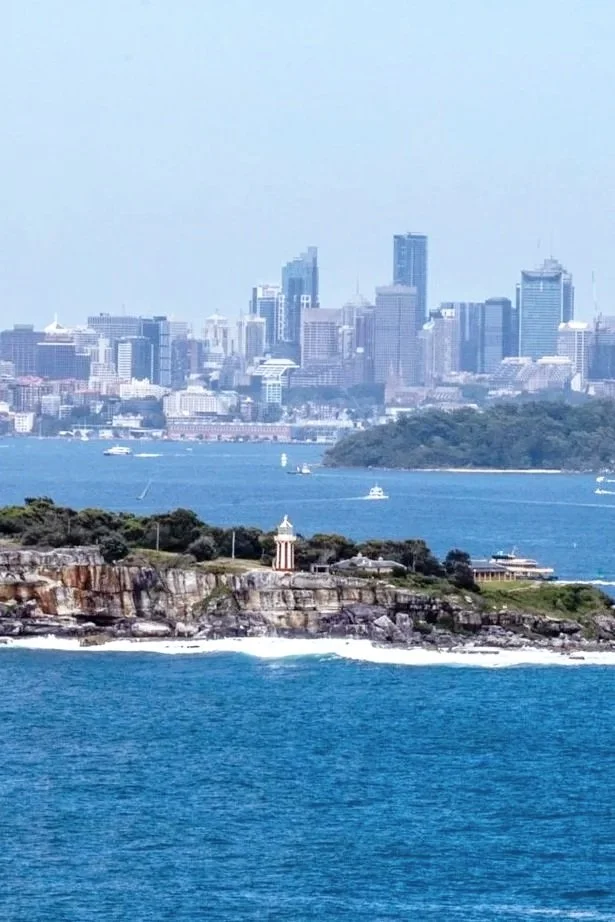
Views here are magnificent and, during migration season, there’s a good chance of spotting whales offshore. Hang on to your hats though - and your little ones. It can get quite windy up here and though there are plenty of warning signs there is very little in the way of fencing.
As you continue on the headland loop you’ll pass remnants of gun emplacements and tunnels which date back to the mid 1850s. The fortifications were briefly recommissioned to ward off a feared Japanese attack in World War II before being disarmed in 1944.
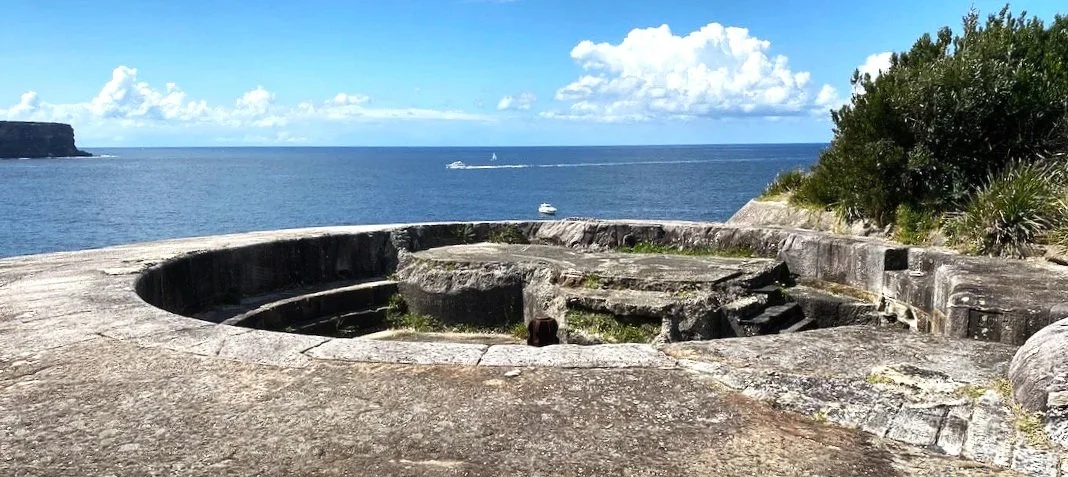
Remnants of gun emplacements and tunnels on South Head
Return via Camp Cove or Cliff Street
Following the loop around the headland you’ll soon find yourself heading back to the path you took earlier. Retrace your steps back to Camp Cove beach.
You can continue on the way you came or take a shorter route along the roadway. To do this, leave the beach via the trail beside the kiosk, which leads to Cliff St. Follow this road all the way back to Robertson Park. On your left you’ll pass the entrance to HMAS Watson naval base and further on, the infamous Gap lookout. Views from The Gap are worth the short diversion.
Back at Watson’s Bay, there are plenty of places to stop for coffee or a bite to eat. Better still, grab some fish and chips from Doyles on the Wharf and soak up the view from the pretty sandy beach at the foot of the park, under the shade of a magnificent Moreton Bay fig.
This short walk is lovely on its own, but it can also be added as an extension to two other great Eastern Suburbs walks. The 9 km Bondi to Watson’s Bay Walk ends where this one begins, as does the Rose Bay to Watsons Bay Walk (8 km). The first is primarily coastal, following cliffs and ocean shoreline, while the second skirts the harbour, dipping into bushland and sandy coves.
LAST UPDATED FEBRUARY 2026